The scientist who studies life itself, from Linnaeus naming species by hand to editing genomes with CRISPR, still testing every idea against a living organism.
Biologist: The scientist who studies life itself, from Linnaeus naming species by hand to editing genomes with CRISPR, still testing every idea against a living organism.
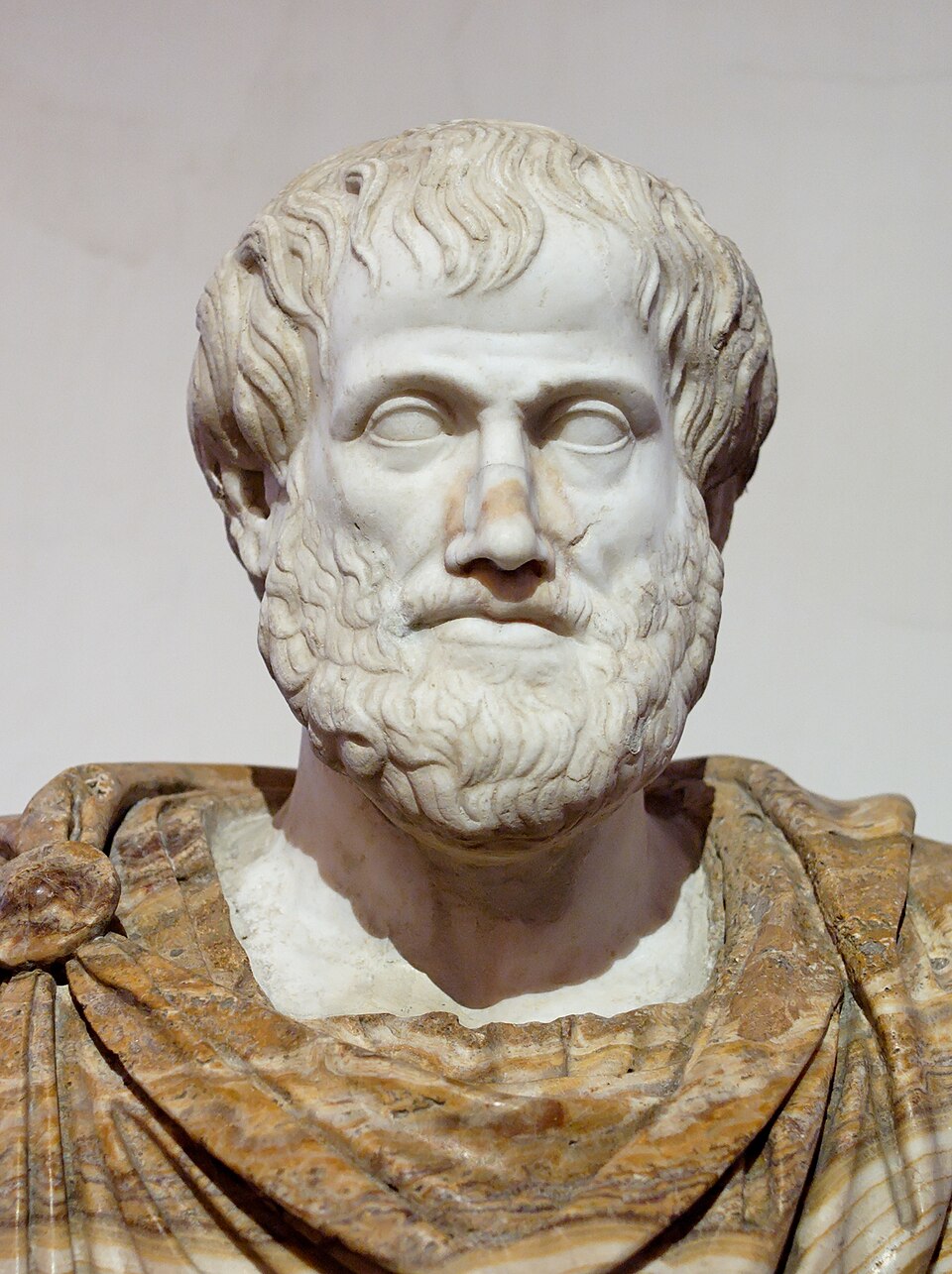
The word "biology" itself is barely two centuries old, coined independently by the German naturalist Gottfried Reinhold Treviranus and the French naturalist Jean-Baptiste Lamarck around 1802 to name a science that had, until then, been scattered across natural history, medicine, botany and natural philosophy. What the word named was not new: Aristotle had already spent decades in the 4th century BCE dissecting and classifying hundreds of animal species, and healers, herbalists and naturalists on every continent had built detailed working knowledge of living things for millennia before anyone needed a single word for it.
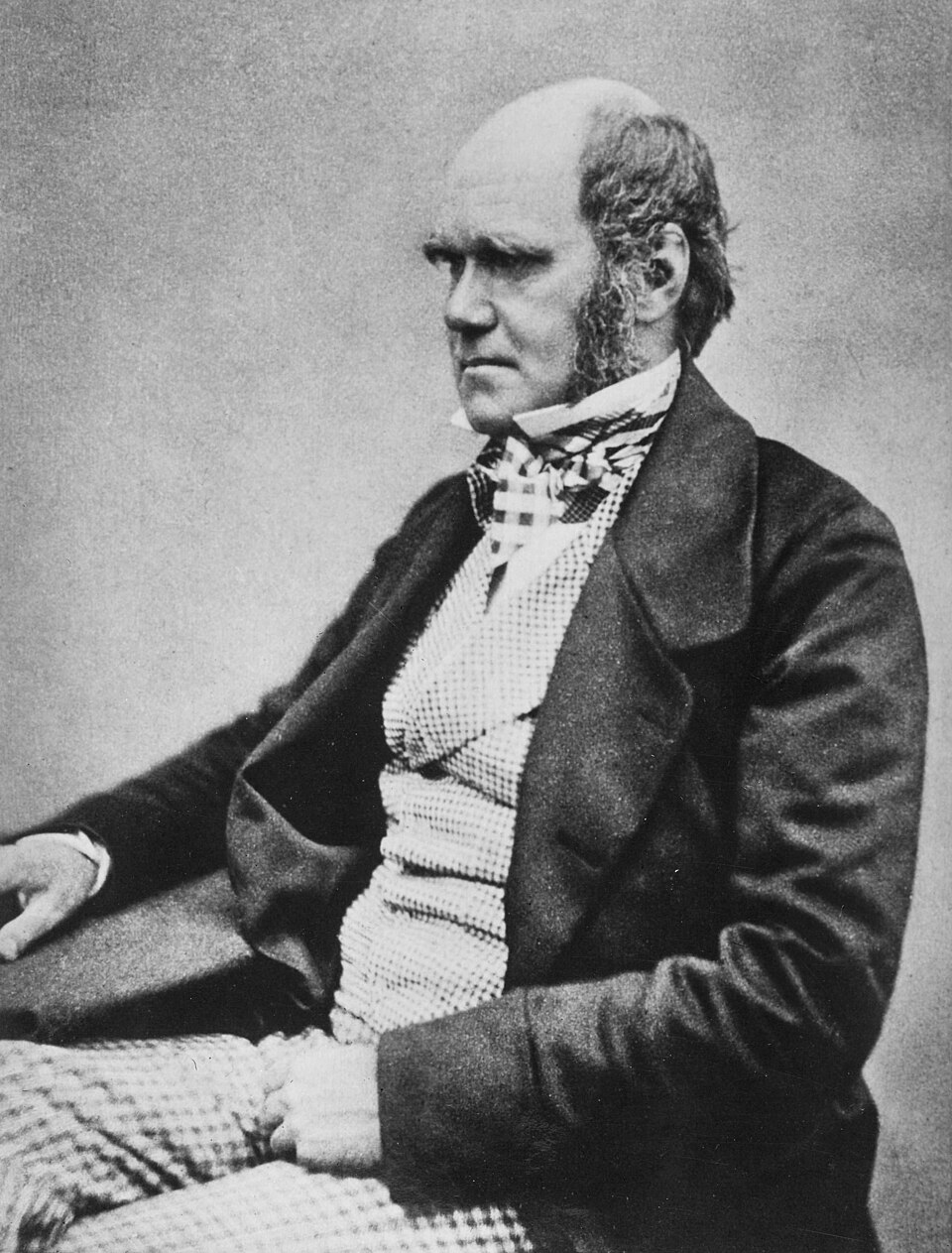
What unites everyone this page calls a biologist is a method, not a subject: test an idea about a living system against actual evidence, whether that evidence comes from a Petri dish, a genome sequencer, or six months tracking wolves through snow. A molecular biologist editing a single gene and a field ecologist counting elephant herds share almost no daily tasks, but both answer to the same discipline Charles Darwin and Gregor Mendel each practiced without knowing the other existed.
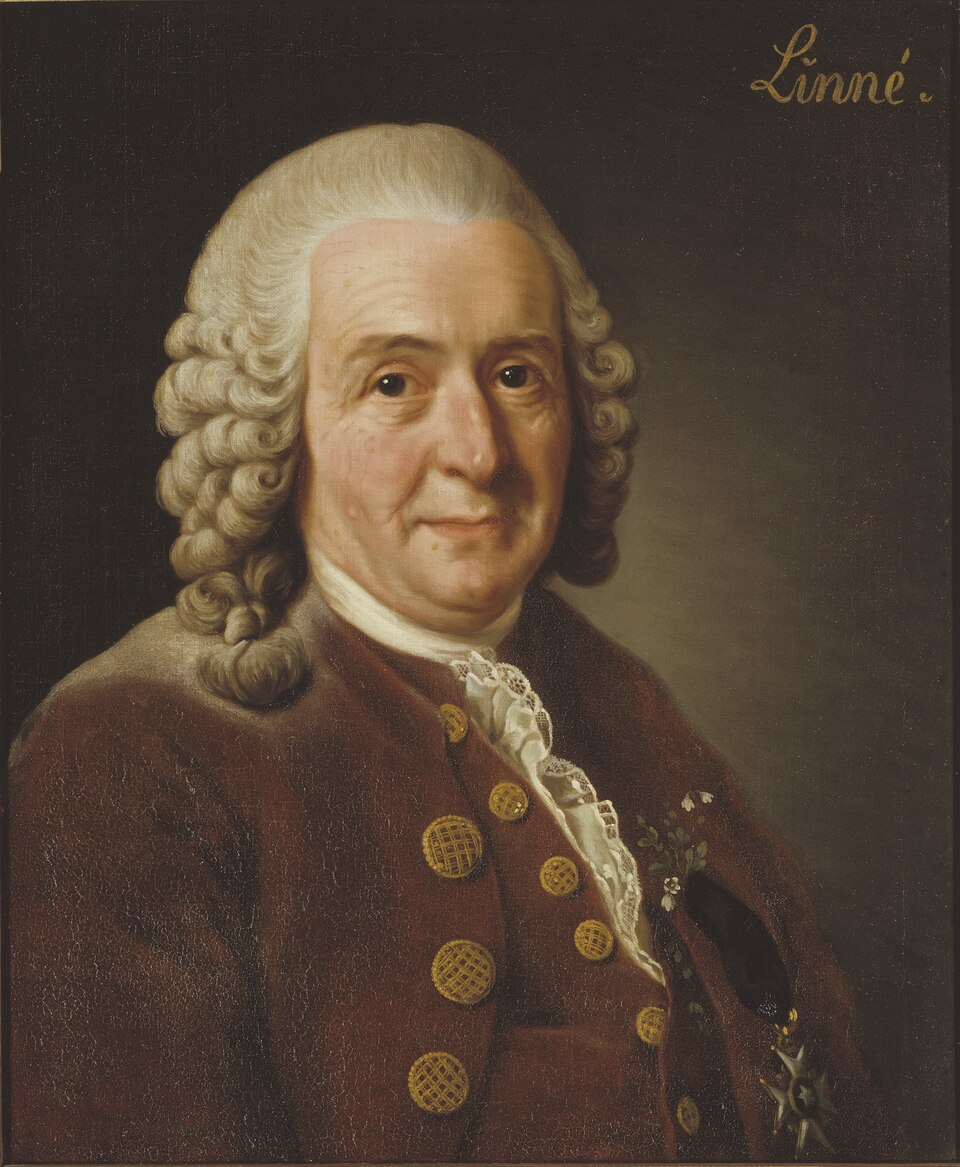
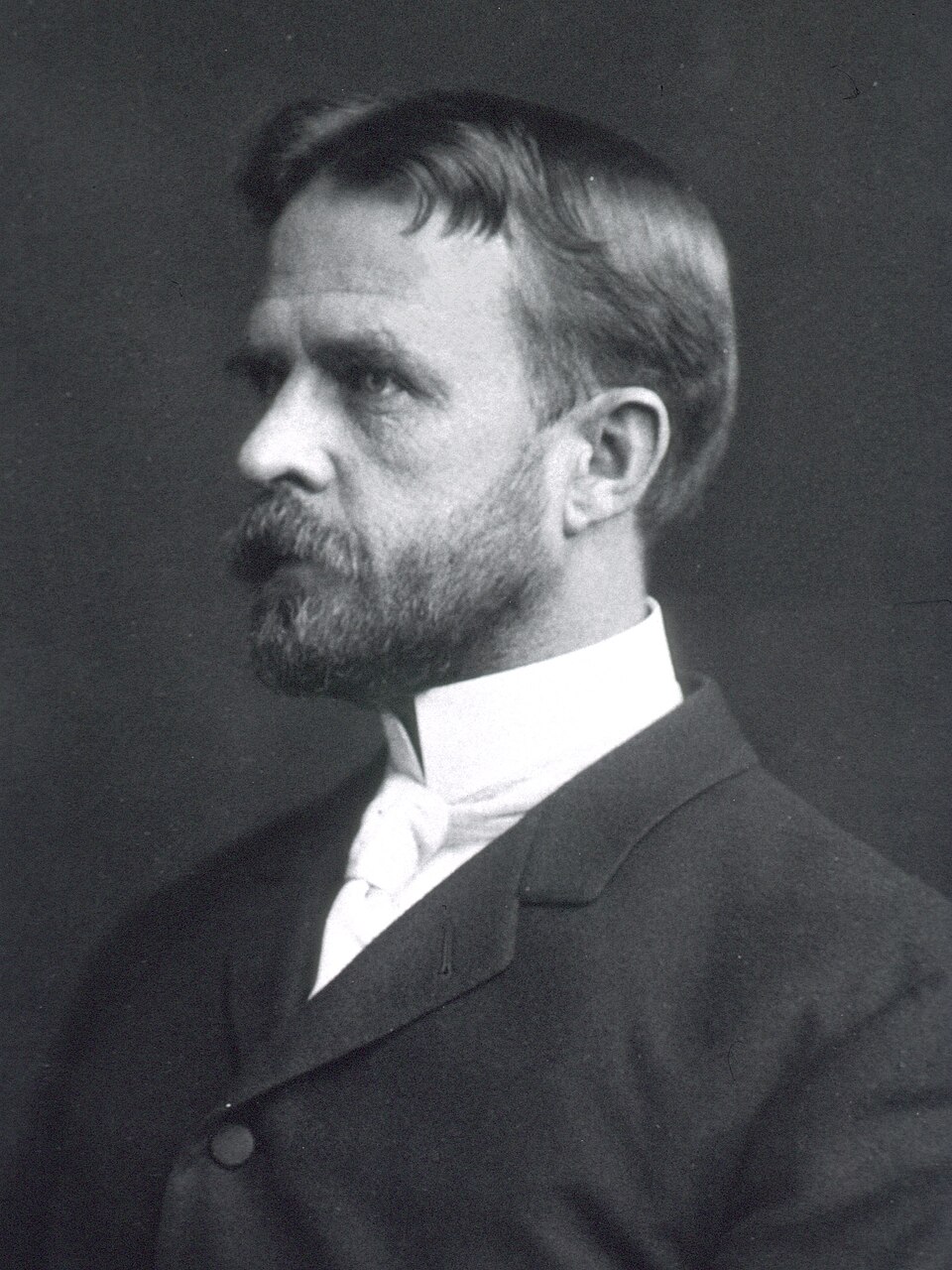
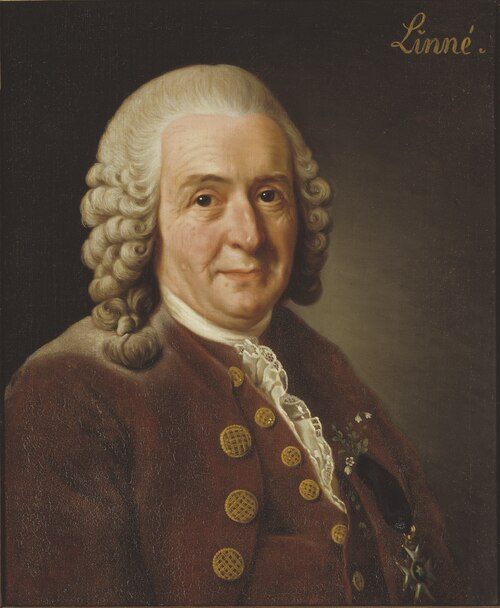
This page follows the profession from Aristotle's animal catalogues and Linnaeus's naming system through Darwin, Wallace and Mendel's separate routes to the same insight, Pasteur's germ theory, Rosalind Franklin's overlooked X-ray photographs and Barbara McClintock's ignored decades, to PCR, the Human Genome Project and CRISPR. It covers how people actually train for the job today, what a working day at the bench or in the field demands, who reached the top of the field and how, and how much of the work AI and automation can realistically take over.
Inside the profession
A biologist studies living systems across scales—from molecules and cells to organisms, populations and ecosystems—and turns observation into claims other people can test. The title covers field seasons, sterile hoods and computational pipelines; what unites them is disciplined inference about life under messy, incomplete data.
The day is methods, not just specimens
Bench biologists plan experiments, culture or sample material, run assays and wrestle with contamination, batch effects and controls that refuse to behave. Field biologists navigate permits, seasons, weather and the ethics of disturbing organisms. Computational biologists clean data, choose models and ask whether a pattern is biology or an artifact of sequencing depth. Across settings, most hours are spent making the next measurement interpretable, not naming a new species on cue.
Where variety hides
Molecular genetics, ecology, microbiology, neuroscience-adjacent biology, conservation and biotech process science share little equipment. University labs emphasize papers and training; government agencies emphasize surveys, regulation and public advice; industry emphasizes assays that survive manufacturing and regulatory review. A wildlife biologist's week and a CRISPR screening scientist's week barely resemble each other, yet both can be ruined by poor controls and overclaimed causality.
How gatekeeping really works
A bachelor's degree opens technician and some applied roles; independent research usually requires a master's or PhD and a publication record. Chartered Biologist status exists in the UK and Ireland; wildlife certification schemes matter in North America; some countries require collegiate registration for titled practice. Internships, field schools and industry placements often matter as much as coursework. Permanent posts remain scarce relative to graduates in many academic tracks.
What is changing underfoot
High-throughput sequencing, imaging and AI-assisted annotation accelerate data collection and literature triage. They also multiply opportunities for silent batch effects and plausible but irreproducible stories. Pre-registration, open data and stronger methods reporting push back. The durable skill is experimental design and biological judgment: knowing which comparison is fair, which organismal context was ignored and when a model should not be trusted outside its training set.
How the work branches
Five common shapes of the same title — specialty, setting or career path.
University and biotech labs
Molecular / cell biologist
Works with cells, nucleic acids and proteins; craft is controls, replicates and assay validity.
Field sites and agencies
Ecologist / field biologist
Measures populations and habitats under seasonal and permit constraints; inference fights pseudoreplication and observer bias.
Clinical, food and research labs
Microbiologist
Handles culture, identification and microbial ecology; contamination and biosafety shape every protocol.
NGOs, parks and government
Conservation biologist
Links population science to policy, land management and stakeholder conflict; success is often a decision, not a paper.
Sequencing and systems groups
Computational biologist
Turns large biological datasets into tested claims; the hard part is artifacts, not only algorithms.
How it reads by country
Same craft, different gatekeeping, status and daily texture — rewritten for readers in each language.
United States — NIH culture and agency science
University careers lean on NIH and NSF funding; USDA, USGS, EPA and CDC hire applied biologists. Wildlife certification and state permits matter in field roles; biotech hubs absorb many PhDs outside academia.
South Korea — biotech push and university metrics
Government and corporate life-science investment creates industry paths beside competitive university posts. Publication and overseas training weigh heavily; lab hierarchy and long hours remain common in research settings.
Japan — institutes and careful laboratory craft
University and RIKEN-style institute careers emphasize group structure and meticulous technique. Field ecology and conservation sit alongside strong molecular traditions; permanent posts are selective.
Germany — Max Planck and applied life science
Max Planck, Helmholtz and university networks support deep research tracks; industry in pharma and agri-bio hires heavily. Formal doctoral titles and structured contracts shape early careers.
United Kingdom — CBiol and research councils
Chartered Biologist status sits beside PhD routes. NERC-linked ecology, NHS-adjacent microbiology and university groups define much of the map; fixed-term contracts are a known early-career pressure.
Singapore — biomedical hub biology
A*STAR institutes, universities and multinational labs concentrate molecular and translational work. Tropical ecology and regional fieldwork exist but the hiring gravity is biomedical research and bioprocessing.
From the archive
Commons CC/PD images self-hosted for this profession.
Why attitude matters here
Biological technique can generate a result overnight; attitude decides whether that result is treated as a story to sell or as a claim still required to survive the next control.
Living systems punish wishful protocols
Cells die, field seasons miss, reagents lot-vary and animals behave. A biologist who quietly drops inconvenient replicates or 'corrects' a blot until the band appears creates a finding nobody can build on. Because organisms are noisy, the temptation to edit noise into narrative is constant—and the literature already shows what happens when that temptation wins.
Other people's organisms and permits are not props
Field sites, clinical samples and laboratory animals come with ethics boards, permits and communities who live with the consequences. Treating compliance as paperwork to rush past is not efficiency; it is how a project loses access and how trust in the profession erodes. Attitude toward consent and welfare is load-bearing, not ornamental.
Negative results keep the map honest
A clean null that kills a fashionable hypothesis is scientifically useful and professionally awkward. Labs that punish nulls train people to torture analyses. Whether a supervisor rewards an honest failed screen determines if the next student reports reality or manufactures progress.
Stances that hold up under pressure
Five concrete postures the work rewards, not slogans.
Runs the control that could kill the paper
Includes the knockdown check, vehicle-only treatment or spatial control even when time is short, rather than saving it for a revision that may never come.
Labels images and gels without beautifying
Keeps processing steps documented and resists splicing or contrast tricks that change the scientific claim, treating the figure as evidence rather than marketing.
Stops work when biosafety is unclear
Pauses a protocol involving unknowns, sharps or animals until containment and training are real, instead of relying on 'we've always done it this way' folklore.
Publishes or deposits the null when it is informative
Shares a failed replication or empty screen in a form others can find, rather than leaving only positive stories in the public record.
Credits technicians and field partners
Names the people who kept cultures alive or sampled at dawn, resisting the habit of treating invisible labor as background to a first-author narrative.
Moments that reveal it
Situations that separate résumé language from how someone actually practices.
A western blot only 'works' after re-running until the band appears
Stopping to ask why most runs failed, versus selecting the pretty blot, is the everyday integrity test methods papers cannot fully police.
A field season is ending with an incomplete design
Collecting opportunistic extras that break the sampling plan, or accepting a cleaner smaller dataset, shows whether p-hacking begins outdoors.
An IACUC or ethics condition slows a deadline
Whether the biologist redesigns within the rules or shops for a softer interpretation of the protocol reveals the real hierarchy between speed and legitimacy.
A PI wants a stronger causal claim than the experiment supports
Pushing back on language in a manuscript cover letter, not only in private, is where attitude becomes public scientific record.
Where "calling" turns harmful
Calling and unpaid field/lab martyrdom
Biology cultures often praise people who skip weekends for a timepoint or sleep in a field tent as uniquely devoted, then use that praise to normalize unpaid overtime, precarious contracts and 'exposure' internships. Passion for living systems is also invoked to dismiss burnout and to pressure students into authorship arrangements they did not negotiate. Love of the subject does not obligate free labor or silence about unsafe or unethical shortcuts.
The profile
Resists AI64
Pay46
Barrier to entry76
Autonomy66
Demand60
Impact82
How exposed is it to AI?
Moderate
A substantial share of biology's routine execution — sample processing, sequencing, literature search, basic image and data analysis — is already partly automated or heading that way. The core of the job that survives is choosing which question is worth asking, designing an experiment that can actually answer it, and interpreting results a machine cannot yet reliably tell apart from noise.
Not for every biology job — many research-technician, lab-associate and field-survey roles hire people with only a bachelor's or master's degree. But leading an independent research program, running a university lab, or holding many senior positions in pharmaceutical and biotech research nearly always requires a PhD, since it is the credential that certifies someone can design and defend original research alone.
How long does it take to become a professional biologist?
It depends heavily on the role. A bachelor's degree (three to four years) is enough for many entry-level research or field positions. Becoming an independent principal investigator who runs a lab typically takes far longer: roughly four years of undergraduate study, five to six years for a PhD, and often several more years of postdoctoral research before a permanent position.
What is the difference between a biologist and a doctor?
A physician diagnoses and treats human patients directly, using a medical degree focused on clinical practice. A biologist studies living systems more broadly — genes, cells, organisms, ecosystems — often without ever treating a patient, though biomedical researchers frequently work alongside physicians to develop the drugs, vaccines and diagnostic tools doctors later use in the clinic.
How much do biologists get paid?
It varies enormously by country, sector and specialty. In the United States, biological scientists earned roughly $85,000 on average in 2023, according to the Bureau of Labor Statistics, though senior biotech-industry scientists and pharmaceutical executives earn considerably more. Academic salaries in much of Europe and Asia tend to run lower than US industry pay for comparable seniority.
What is CRISPR and why does it matter so much?
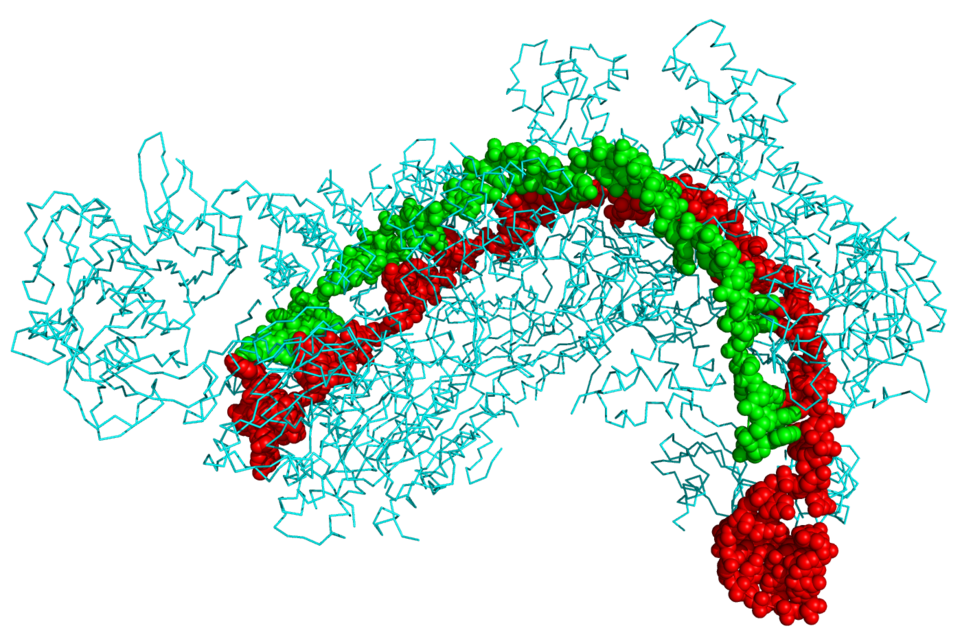
CRISPR-Cas9 is a gene-editing tool adapted from a bacterial immune system that normally cuts up invading viral DNA. Jennifer Doudna and Emmanuelle Charpentier showed in 2012 that it could be reprogrammed to cut any chosen DNA sequence in any organism, making precise genome editing dramatically faster and cheaper than earlier methods — work that won them the 2020 Nobel Prize in Chemistry.
Will AI replace biologists?
Unlikely to replace the core role soon. AI already speeds up specific tasks — protein-structure prediction, image analysis, literature search, sequence alignment — but designing a meaningful experiment, interpreting ambiguous results in biological context, and running delicate wet-lab or field work with unpredictable living material still depend on trained human judgment no current system reliably replicates.
Do all biologists work in a laboratory?
No. Molecular and cell biologists mostly work at a bench; ecologists, wildlife biologists and marine biologists often spend large stretches of the year outdoors, tracking animals, surveying habitats or collecting field samples; and a fast-growing share of biologists, especially in genomics, work primarily on computers, analyzing datasets too large for any single person to process by hand.
What is the hardest part of becoming a biologist?
For most, it is the long, financially precarious stretch after the PhD: years of low-paid postdoctoral positions competing for a small, shrinking number of permanent academic jobs, with funding itself won through a brutally competitive grant system. Many capable biologists eventually leave research entirely for industry, teaching or unrelated careers because the academic ladder has too few rungs.
Embed this ranking
Paste this code into your blog or site — the ranking stays up to date.