Diagnoses illness and manages health for years afterward through examination and evidence, not a single operation — medicine's generalist and long-term guide.
Also called: Doctor · Internist · General practitioner
Physician: Diagnoses illness and manages health for years afterward through examination and evidence, not a single operation — medicine's generalist and long-term guide.
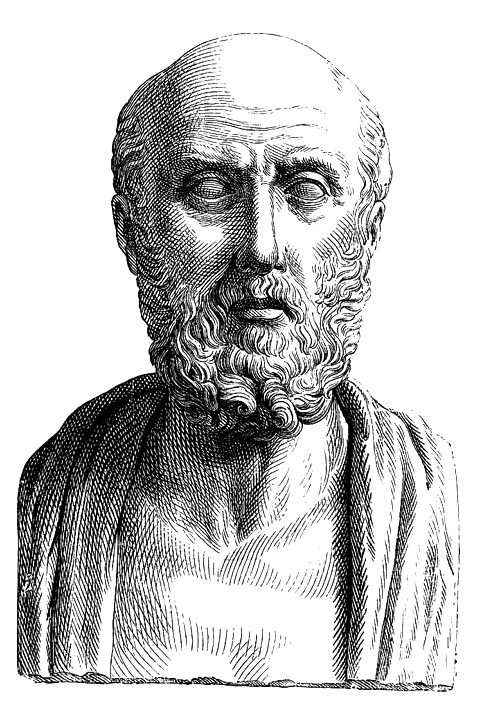
Hippocrates, c. 400 BCERegarded as father of medicine
Canon of Medicine, 1025Standard medieval textbook
USMLE, est. 1992US licensing exam since
~10M by 2030 (WHO)Projected global doctor gap
74% (2022)US physicians who are employees
2.6 per 1,000 (WHO)Physician density (US)
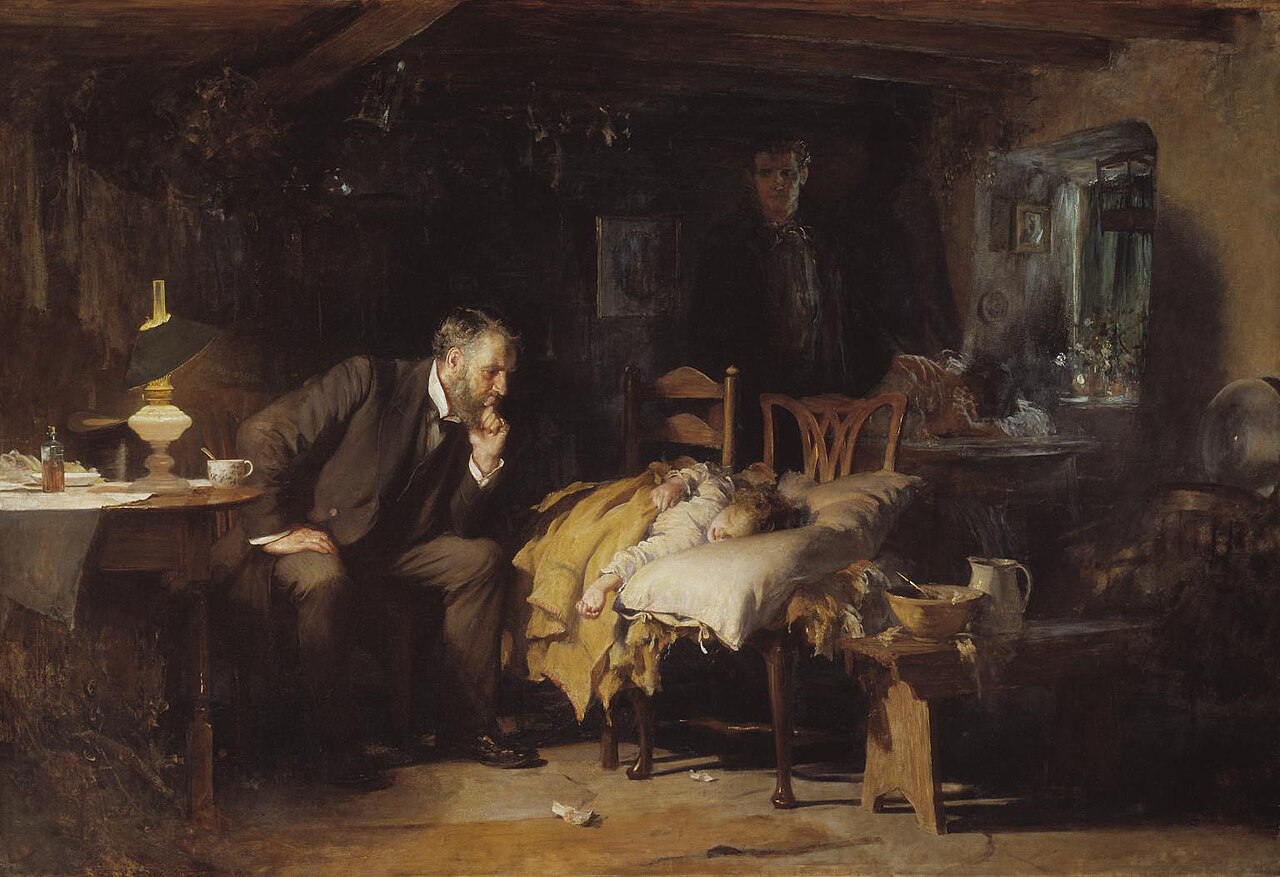
A physician diagnoses illness and manages a patient's health over months, years or a lifetime, using history-taking, physical examination, laboratory tests and imaging rather than a scalpel. Where a surgeon intervenes once and moves on, a physician — often an internist or general practitioner — carries a case forward across visits, weighing new symptoms against an ongoing record, adjusting medication, and deciding which specialists a case eventually needs. The distinction is old: physicians prescribed and surgeons operated for most of Western history, and licensing systems still keep the two apart.
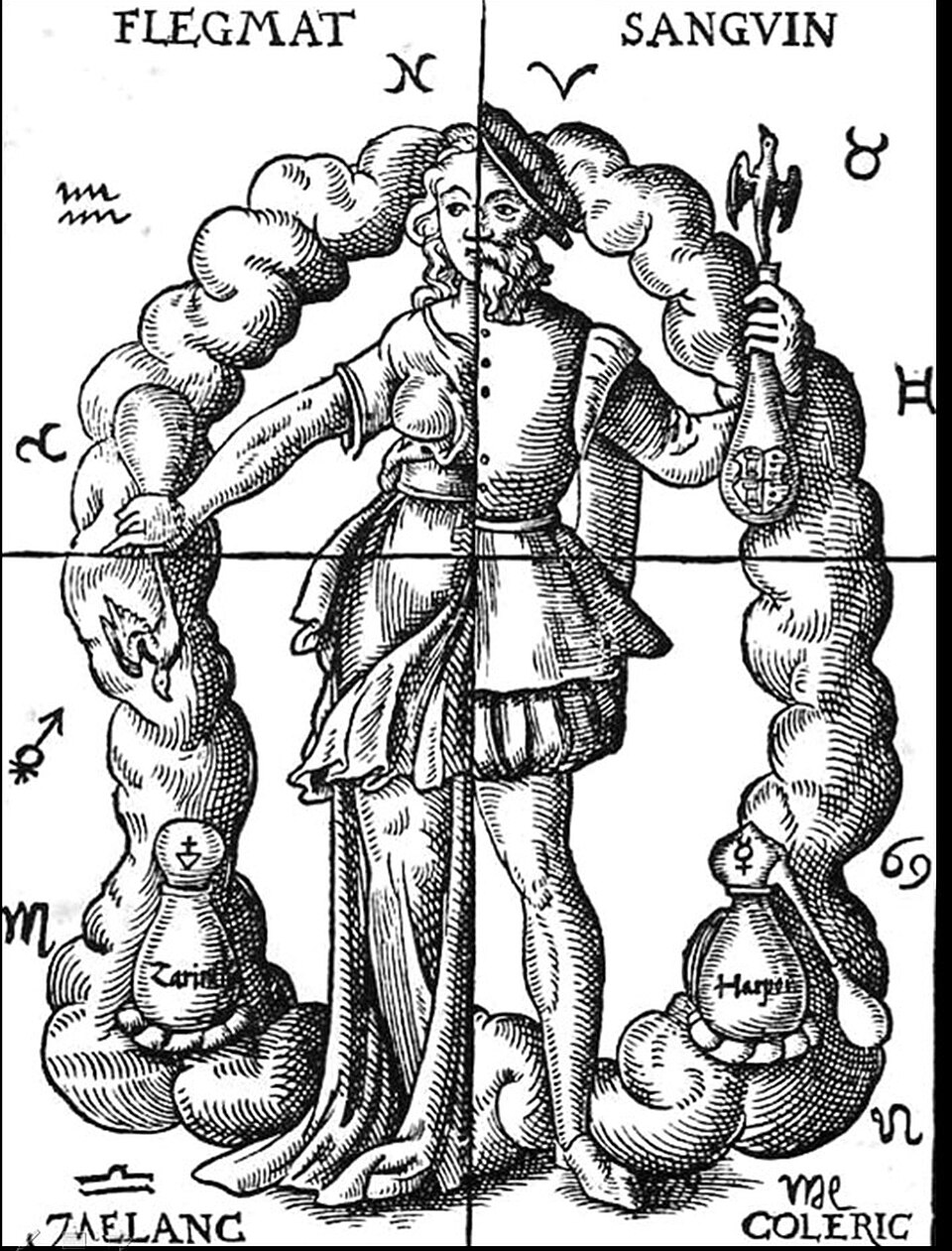
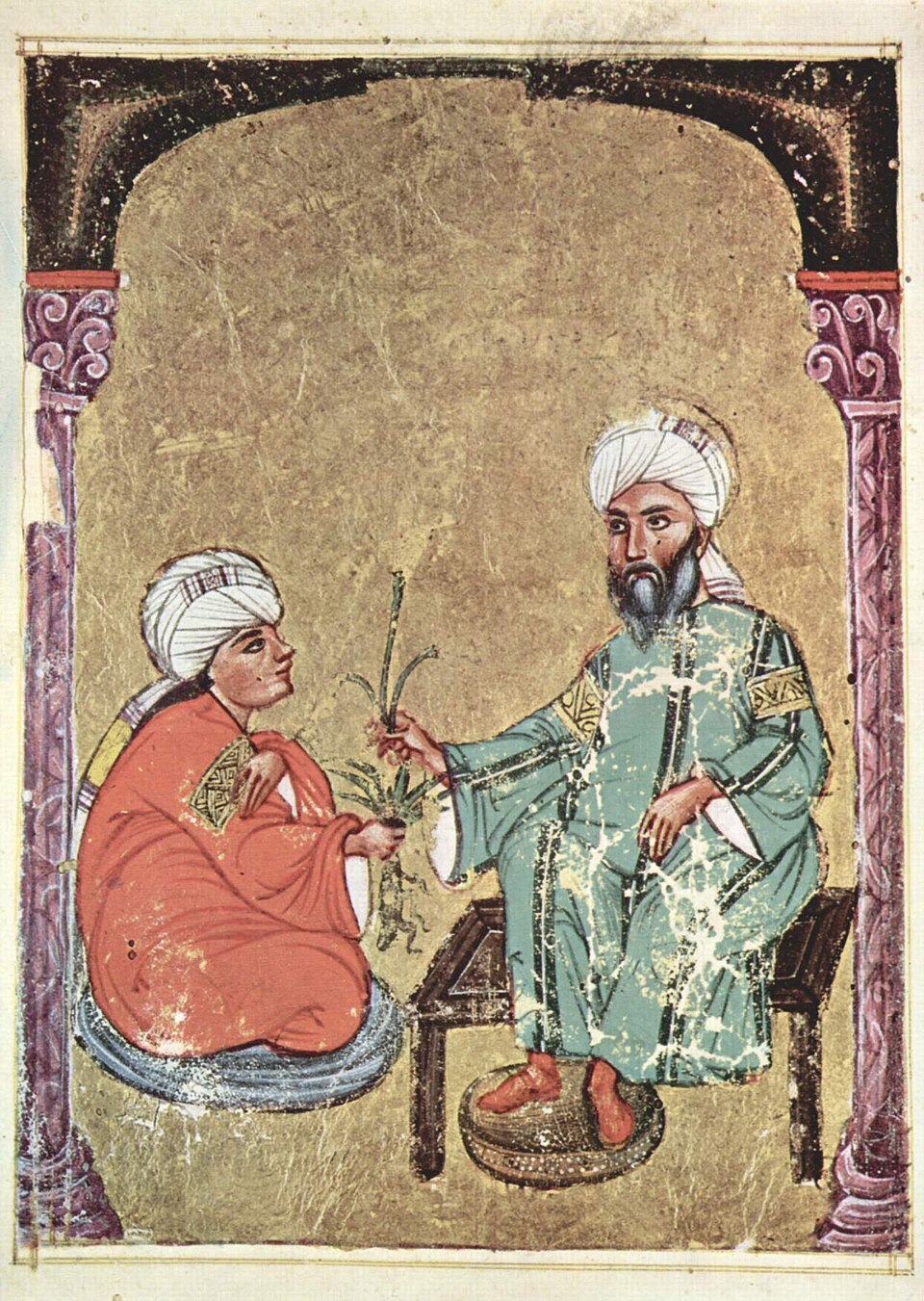
The profession's authority once rested on inherited theory: Hippocratic humoral medicine dominated for two thousand years, refined by Galen in Rome and systematized by Ibn Sina's eleventh-century Canon of Medicine, a standard European textbook into the 1600s. Thomas Sydenham's insistence on watching disease rather than theorizing about it, then germ theory, then Abraham Flexner's 1910 report tying medical schools to universities and laboratories, turned physic from a learned guess into an evidence-based discipline — a shift still being pushed further by clinical trials and treatment guidelines today.
Training now runs to roughly a decade past secondary school in most countries, and pay, licensing and status vary enormously by nation — a hospital consultant in England, a private internist in the United States and a rural general practitioner in India do the same job differently. The newest pressure is diagnostic software: some AI systems already match or beat junior physicians on standardized case tests, sharpening rather than removing the question this page asks — what a physician does that a machine trained on the same textbooks still cannot.
Inside the profession
A physician makes illness intelligible enough to manage: listening, examining, testing, treating and returning to the question when the first answer no longer fits. The craft is less a flash of diagnosis than accountable judgment across time.
The diagnostic conversation
Physicians begin with a story before they begin with a test. A symptom has a timeline, a context, a patient's vocabulary and often a fear the patient has not yet stated. History-taking narrows a differential diagnosis; physical examination then looks for findings that change its order. The classic instruction to listen before looking remains practical because expensive tests cannot repair a poorly framed question. A physician must distinguish common explanations from dangerous ones, decide when uncertainty is tolerable, and know when to revisit the patient rather than force new evidence into an old theory. Diagnosis is disciplined revision, not certainty performed for an audience.
Treating a person, not a result
A laboratory value, image or clinical guideline is evidence, not an instruction detached from the patient. Physicians weigh benefit, harm, competing conditions, medications, finances, family support and goals that may change with illness. Evidence-based medicine, named by Gordon Guyatt and colleagues in the early 1990s, asks clinicians to join the best available research with expertise and patient values. That means explaining trade-offs honestly: a treatment may extend life while worsening daily function, or reduce a future risk while adding immediate burden. Prescribing, referral and watchful waiting are all active decisions when they are made with clear reasoning.
Continuity and coordination
A general physician often knows the baseline that a single specialist visit cannot see: which symptom is new, why a medication was stopped, how a diagnosis has changed a family, and which prior plan failed. Chronic disease turns this memory into clinical infrastructure. The physician coordinates nurses, pharmacists, therapists, specialists, laboratories and sometimes insurers, turning separate recommendations into a plan one person can actually follow. Electronic records preserve facts but can also bury the story beneath clicks and copied text. Good notes explain reasoning for the next clinician, especially when an urgent decision is needed after hours.
Science, limits and accountable care
Physicians inherit a profession remade by the failures of confident theory: Hippocratic humors, Galen's long authority, Sydenham's observation, Flexner's laboratory reform and the modern trial. AI can now check interactions, draft notes and generate differential diagnoses from structured cases. It is useful precisely because no clinician can remember every paper. But a model cannot palpate an abdomen, notice hesitation in a room, reconcile conflicting goals or carry a medical license. The physician's future role is increasingly to evaluate machine suggestions, communicate uncertainty and remain answerable for a plan that must work in one specific life, not a benchmark.
How the work branches
Five common shapes of the same title — specialty, setting or career path.
Community clinics and primary care
Family physician or general practitioner
Provides first-contact, preventive and long-term care across ages and conditions, referring selectively.
Adult medicine wards and clinics
Internist or hospitalist
Manages complex adult disease, diagnostic uncertainty and coordination across multiple specialties.
Children's hospitals and community practice
Pediatrician
Combines developmental knowledge with partnership with parents or guardians over a child's changing needs.
Emergency departments
Emergency physician
Makes rapid decisions with incomplete information, stabilizes immediate danger and determines the next destination for care.
Health systems and government services
Public-health or preventive physician
Uses clinical and population evidence to prevent disease and improve access beyond one consultation at a time.
How it reads by country
Same craft, different gatekeeping, status and daily texture — rewritten for readers in each language.
Medical school, residency and billing
US physicians qualify through medical school, USMLE, residency and state licensure, with board certification marking specialty status. Appointment length, insurance authorization, EHR inbox work and increasing hospital employment shape daily autonomy as much as clinical training does.
Specialist hospitals and clinic practice
South Korean physicians pass a national licensing examination and commonly train through large teaching hospitals before specialist practice. Tertiary-center hierarchy, rapid outpatient flow and a visible private-clinic sector create contrasting career textures and status paths.
National examination and hospital training
Japanese physicians complete six-year medical education, pass the Ishi Kokka Shiken and enter structured postgraduate training. University-hospital affiliations, long hours and national-fee schedules shape referral patterns, while clinic ownership can later bring more autonomy.
Approbation and Facharzt
German doctors obtain Approbation, then pursue supervised Weiterbildung toward Facharzt recognition. Statutory insurance, chamber regulation and hospital hierarchy frame the day; physicians balance strong formal leave protections with on-call work and substantial documentation.
NHS training grades and consultants
UK doctors progress through medical school, foundation posts and specialty training, with GP and consultant roles marking senior status. The NHS makes multidisciplinary care and waiting-list pressure daily realities; GMC registration and revalidation maintain the gate to practice.
Public clusters and private practice
Singapore tightly regulates medical registration and specialist accreditation across major public clusters and private clinics. Physicians work in a multilingual regional hub where efficiency, referral networks and the choice between public service and private practice shape career and status.
From the archive
Commons CC/PD images self-hosted for this profession.
Why attitude matters here
A physician's authority is built visit by visit, over years, on a habit of rechecking assumptions rather than a single correct diagnosis, which is why the discipline of staying uncertain a little longer often matters more than raw medical knowledge.
Most presentations are ambiguous, and confidence is the danger
A patient's symptoms rarely arrive as a textbook case; they arrive as a partial, sometimes contradictory story weighed against history and what did or did not work last time. Anchoring on the first plausible diagnosis is a well-documented failure mode, and the discipline to revisit that impression when treatment fails is an attitude, not a fact a physician either knows or does not. Overconfidence closes the door on the correct explanation.
The value compounds only if attention is sustained across years
A single visit rarely reveals what matters; the physician who remembers a medication was stopped for a reason, or that a symptom does not fit this patient's usual pattern, provides something a one-time consult cannot. That continuity depends on a habit of reading and updating the full record rather than treating each visit as a fresh, isolated encounter — a discipline that erodes fast under high volume.
A decision does not end when the appointment does
Ordering a test or starting a prescription creates an open loop: an abnormal lab result arriving after hours, a referral that never gets scheduled, a medication a patient quietly stops taking. Closing that loop, unprompted, is invisible to the patient and unpaid by most billing systems, which makes it a pure test of whether responsibility extends past the visible transaction.
Stances that hold up under pressure
Five concrete postures the work rewards, not slogans.
Reconsidering from scratch when treatment fails
Returning to the original diagnosis and questioning it, rather than simply escalating the dose or adding a second medication, when a patient does not improve as expected. The comfortable move is to treat the plan as correct and the patient as slow to respond.
Closing the loop on abnormal results
Actively following up on a flagged lab value or imaging finding that arrived after the visit ended, rather than assuming the patient will notice a portal message or that it will surface at the next scheduled appointment months away.
Saying "I don't know, let's find out"
Naming the limits of current knowledge honestly to a patient instead of offering a confident-sounding guess to end an uncomfortable conversation, and being willing to order the test, consult the colleague or research the question that admission requires.
Taking the extra five minutes against documentation pressure
Asking one more question or explaining a trade-off fully when the schedule and the electronic record both push toward moving to the next patient, because the omitted detail is often exactly the one that changes the plan.
Disclosing a wrong diagnosis directly
Telling a patient plainly that an earlier diagnosis was incorrect and explaining what changes now, rather than quietly correcting course in the chart and hoping the discrepancy goes unnoticed, or letting the next clinician discover and explain the error instead.
Moments that reveal it
Situations that separate résumé language from how someone actually practices.
A lab flagged after hours
A result comes back abnormal after the office has closed and the next scheduled visit is weeks away. Whether the physician checks the inbox that evening and calls the patient, or lets it sit until the next login, is a private decision nobody audits but the patient's outcome.
A treatment that is not working
A patient returns with the same complaint despite following the plan exactly. Reopening the diagnostic question from the beginning, instead of assuming the patient is the variable that failed, requires setting aside the effort already invested in the first explanation.
A family disputes the diagnosis
A family member challenges a diagnosis with information or an opinion the physician did not have. Genuinely re-examining the case rather than defending the original conclusion out of professional pride reveals whether curiosity or ego is driving the conversation.
A missed diagnosis surfaces later
A condition the physician missed is caught by someone else months later. How the physician discloses that to the patient — plainly, or wrapped in language that avoids the word "missed" — is a specific, checkable moment of honesty under professional and legal pressure.
Where "calling" turns harmful
Unpaid inbox time and the burnout ledger
Physicians in electronic-record systems routinely do hours of unpaid documentation after clinic hours, a pattern clinicians call "pajama time" because it happens at home, at night, atop a full clinical day. Physicians such as Pamela Wible, who has written on physician suicide, argue that framing medicine as a calling lets institutions treat this labor as dedication — a framing also used to resist physician unionization.
The profile
Resists AI67
Pay80
Barrier to entry88
Autonomy52
Demand91
Impact92
How exposed is it to AI?
Moderate
Roughly a third of the day-to-day cognitive work — matching symptoms to conditions, checking drug interactions, drafting notes and after-visit summaries — is already being matched or approximated by software. What resists automation is everything wrapped around that reasoning: the physical exam, a frightened patient's trust, and legal responsibility that only a licensed human can carry.
What is the difference between a physician and a surgeon?
A physician diagnoses and manages illness through examination, testing and medication, typically following a patient over months or years. A surgeon treats disease or injury by operating, usually for a single well-defined episode of care. Many physicians — internists, family doctors, cardiologists — never operate; some conditions are handled entirely by a physician, others are referred to a surgeon once medical treatment is exhausted.
How long does it take to become a physician?
Most countries require roughly ten to eleven years after secondary school: four to six years of medical school followed by three or more years of residency in a specialty such as internal medicine, family medicine or pediatrics. The United Kingdom compresses medical school to five or six years but adds a two-year foundation programme before specialty training begins, so the total ends up similar.
What is the difference between a physician, a doctor and a general practitioner?
In everyday English, "doctor" covers any licensed physician, including surgeons and specialists. "Physician" more precisely means a non-surgical doctor practicing internal medicine or a related specialty. A "general practitioner" or family doctor is a physician trained broadly rather than in one organ system, usually a patient's first point of contact and the one who decides which specialist, if any, a case needs next.
How much do physicians earn?
It varies enormously by country and specialty. Primary care physicians in the United States earn roughly $220,000 to $260,000 a year on average; NHS consultant physicians in England sit on a national scale from about £93,666 to £126,281; salaried internal medicine specialists in Germany typically earn €90,000 to €110,000. Physicians in lower-income countries often earn a small fraction of these figures despite comparable training.
Is being a physician a safe career if I'm worried about AI?
Diagnostic pattern-matching is exactly the kind of task large language models are improving at fastest, and controlled studies already show some AI systems matching or beating physicians on written case tests. What survives is harder to automate: physical examination, years of trust with a returning patient, weighing a person's full context, and carrying legal responsibility no algorithm can hold. That narrows the job rather than replacing it.
What is the difference between an MD physician and a nurse practitioner?
A physician completes medical school and residency, typically ten or more years of training, and in most countries can independently diagnose, prescribe and manage the full range of adult or pediatric disease. A nurse practitioner completes a nursing degree plus a master's or doctoral program, usually four to six years total, and in many US states can practice independently within a narrower scope, often in primary care.
Can you become a physician without going to medical school?
Not to hold the legal title or prescribing authority: every country requires a recognized medical degree and a licensing exam before someone can practice as a physician. Physician associates and nurse practitioners handle some overlapping clinical work after shorter, different training, and some countries let senior nurses prescribe within limits, but none of these routes grants the title "physician" or full diagnostic authority.
What is evidence-based medicine?
It is the practice of basing diagnosis and treatment decisions on the best available research evidence, usually ranked from randomized controlled trials down to expert opinion, rather than on tradition or individual intuition alone. The term was coined by Gordon Guyatt at McMaster University in a 1991 journal editorial and formalized with colleagues in 1992, training residents to weigh trial evidence over unsystematic clinical experience.
Embed this ranking
Paste this code into your blog or site — the ranking stays up to date.