Physicist: Derives and tests the mathematical laws governing matter, energy, space and time, from a lone chalkboard to a 3,000-author particle-collider paper.
A physicist studies the rules matter and energy actually follow, from the behavior of a single electron to the expansion of the whole universe. The discipline splits broadly into theorists, who build and test mathematical models, and experimentalists, who design the apparatus — particle detectors, telescopes, cryostats — that check whether those models hold up against reality; most physicists specialize firmly in one track by the end of a PhD.
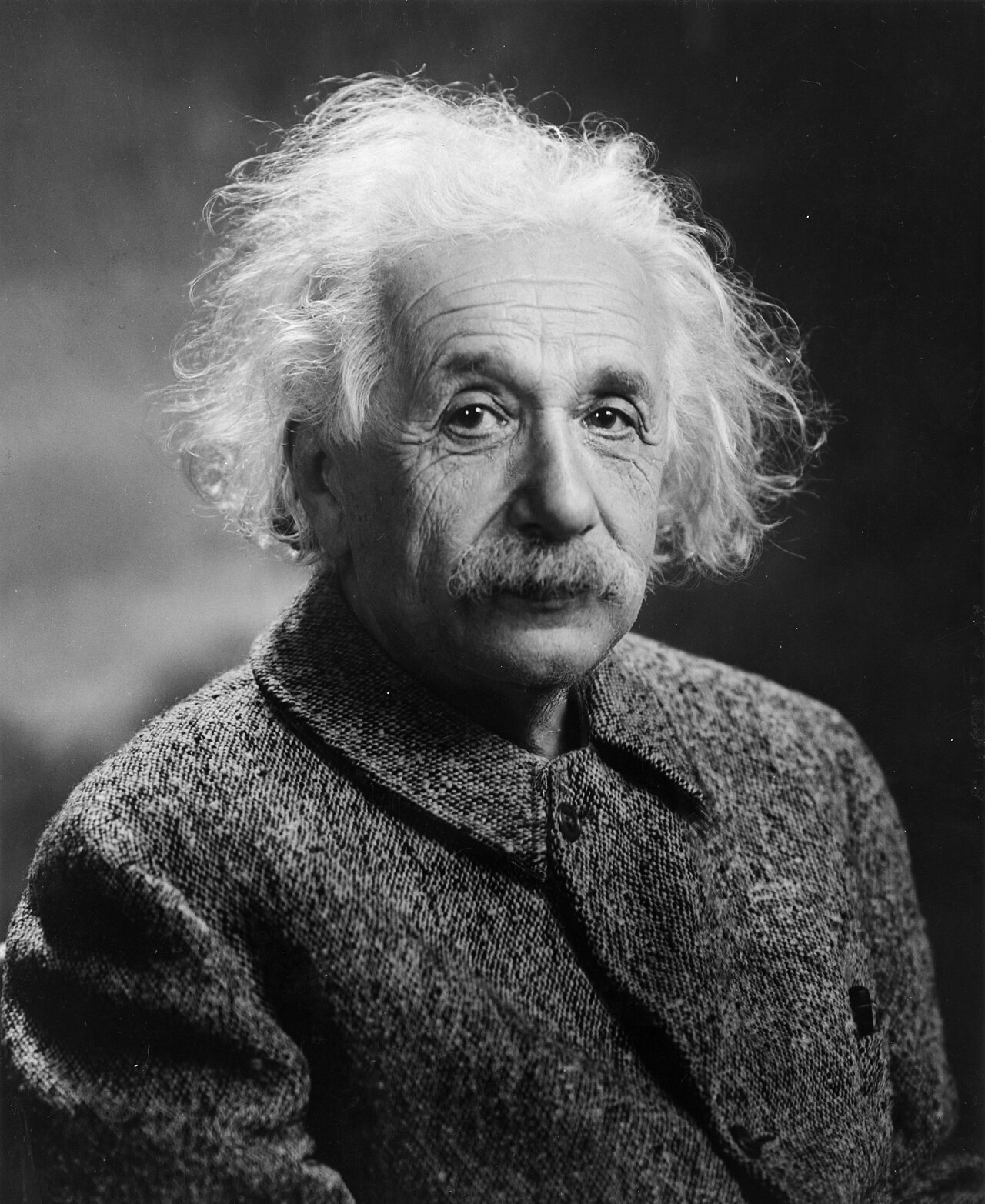
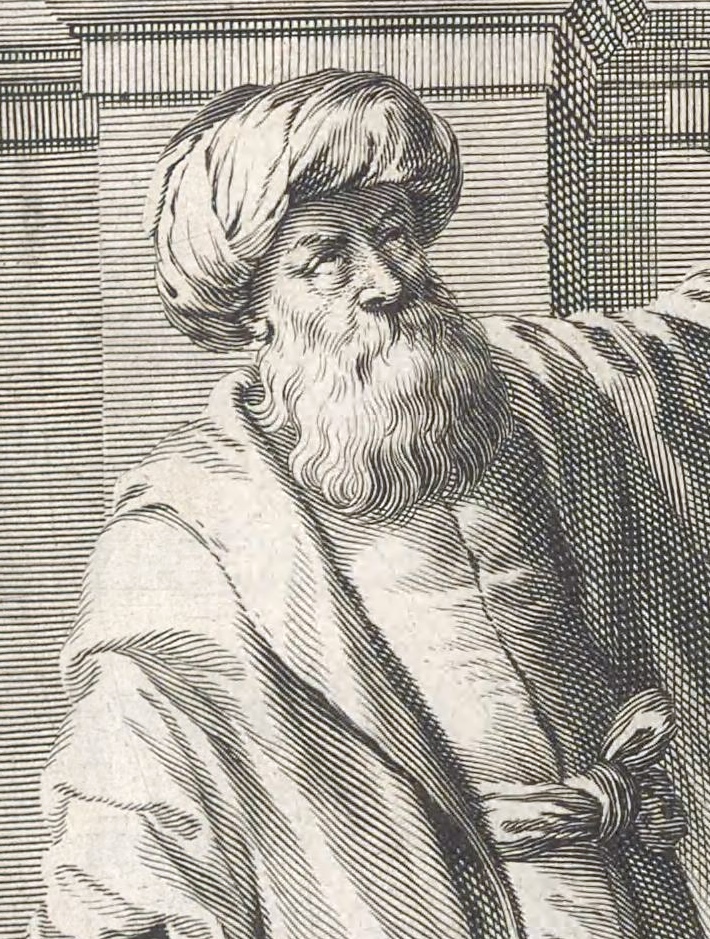
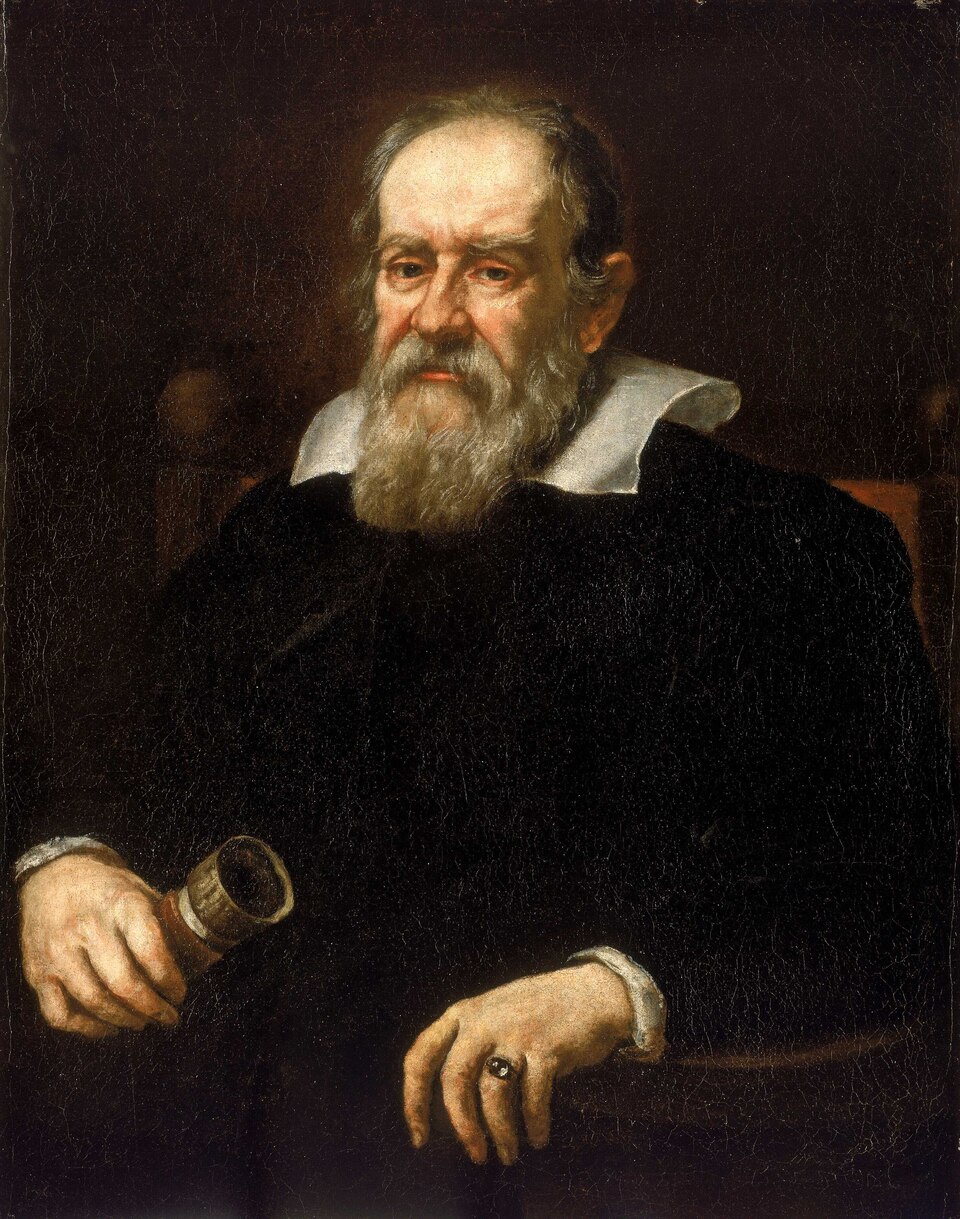
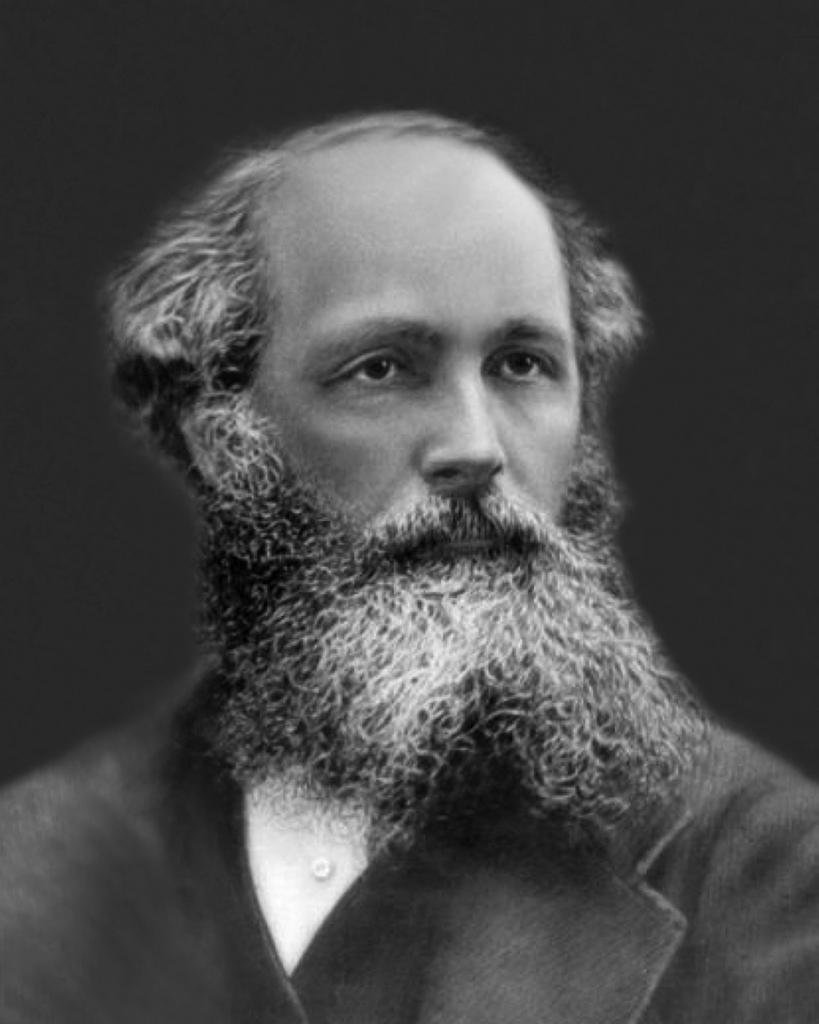
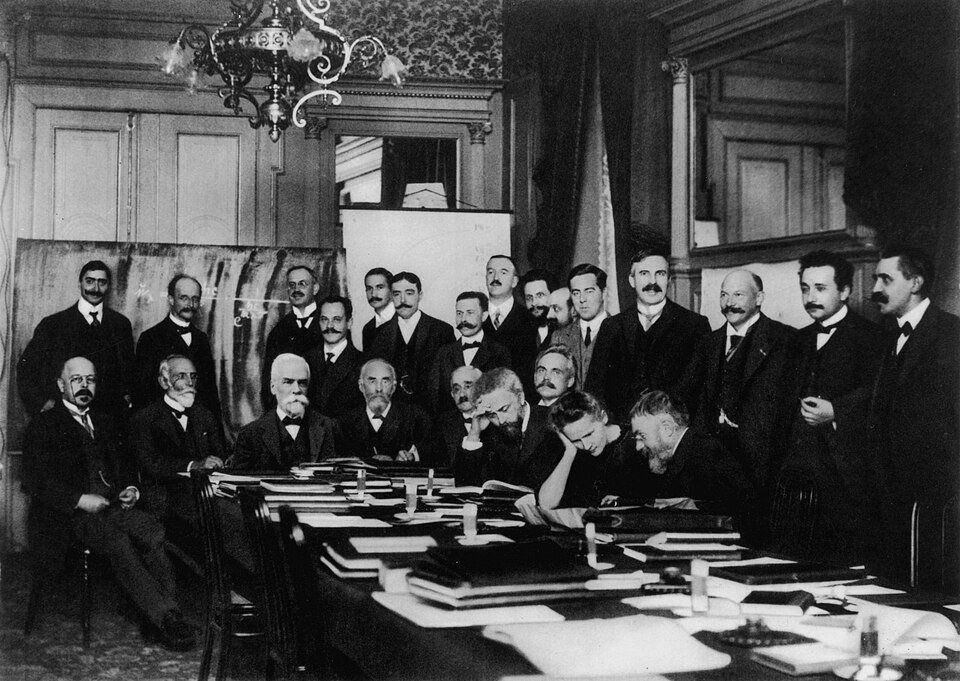
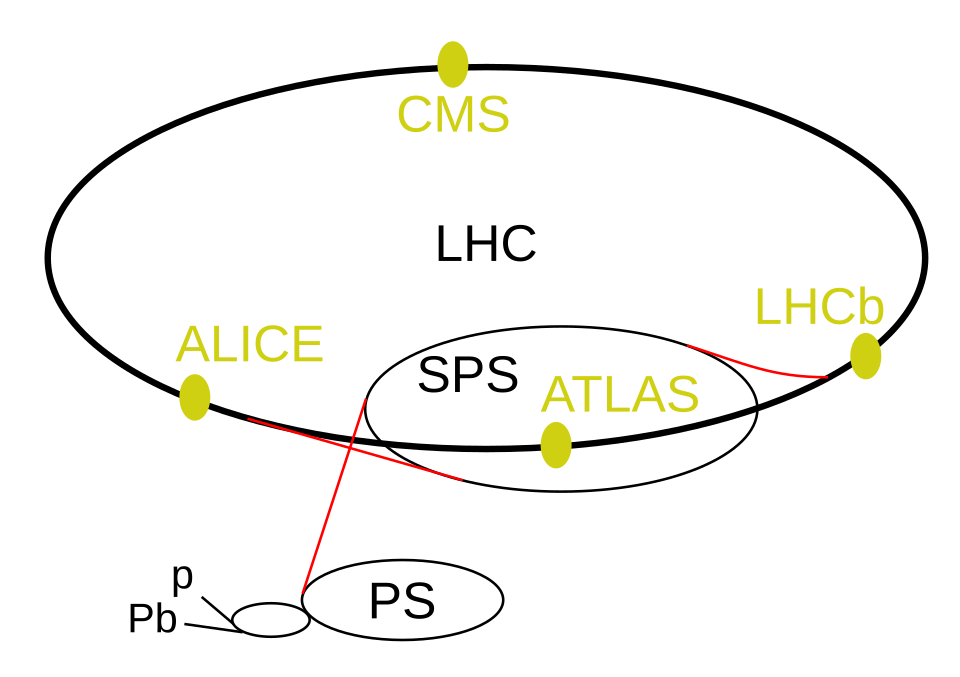
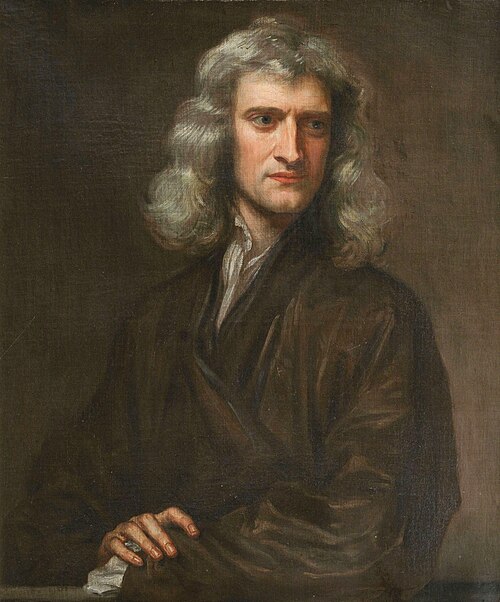
The profession's roots run from Archimedes working out buoyancy in Syracuse and Ibn al-Haytham's experiments on light in Cairo, through Newton's laws of motion and Faraday and Maxwell's unification of electricity and magnetism, to Einstein's relativity and the quantum generation that followed. The twentieth century then turned physics from solitary desk work into 'Big Science' — national laboratories, particle colliders and papers with thousands of co-authors.
The training is genuinely excellent — few disciplines build sharper analytical and quantitative skills — but the academic job market is brutal: physics PhD programs graduate far more researchers each year than tenure-track university positions exist to hire, and most physicists end up building their careers outside a university altogether, in finance, technology, national laboratories or industrial research instead of the professorship many of them originally trained for.
Inside the profession
A physicist builds quantitative models of nature and tests them against measurement—whether the apparatus is a tabletop laser, a kilometer-scale detector or a pencil and a proof. The profession spans theory and experiment, but both live or die by whether a claim survives contact with evidence other people can check.
What the day actually is
Experimental weeks fill with alignment, calibration, cryogen fills, beamtime schedules and the quiet work of separating signal from systematic error. Theorists read, calculate, argue at a blackboard and write; their 'apparatus' is consistency with known limits and predictions that experiments can falsify. Both spend large fractions of time on proposals, reviews, student supervision and the politics of collaboration authorship. Inspiration is rare; reproducibility and error budgets are daily.
Where variety hides
Condensed-matter labs, particle collaborations, AMO tables, plasma devices, geophysical instruments and medical-physics clinics share little hardware yet share a culture of uncertainty quantification. National labs and large facilities (CERN, national synchrotrons, LIGO-class observatories) impose shift work and consortium rules; university groups move slower but own more of the question. Industry physicists in semiconductors, photonics or finance often drop the title while keeping the habit of modeling before shipping.
The long gate
A PhD remains the usual passport to independent research; postdocs and named fellowships are the practical filter afterward. Permanent academic posts are scarce relative to graduates, so many skilled physicists move into data, engineering, teaching or national-lab staff scientist tracks. Chartered Physicist status exists in Commonwealth contexts; in the US, DOE clearances matter for some national-security work. The gate is a record of careful results, not a single exam.
What is changing underfoot
Machine-learning tools help with event classification, surrogate models and literature triage; they also make plausible-looking nonsense cheaper to generate. Facilities still allocate scarce beamtime by peer review. The expensive residue is knowing which systematic could fake a discovery, designing a null test and refusing to overclaim. Automation changes how plots are made; it does not change who is accountable when a result enters the literature.
How the work branches
Five common shapes of the same title — specialty, setting or career path.
Universities and national labs
Experimental physicist
Designs and runs apparatus; lives inside calibration, systematics and collaboration schedules.
Institutes and university groups
Theoretical physicist
Builds models and calculations that must confront experiment or mathematical consistency; output is papers and predictions.
Semiconductors, photonics, instrumentation
Applied / industrial physicist
Uses physics methods inside product cycles; success is a working process or device more often than a Physical Review letter.
Hospitals and clinics
Medical physicist
Supports imaging and radiation therapy under clinical regulation; patient dose and equipment QA dominate the week.
Simulation groups and HPC centers
Computational physicist
Builds and validates numerical models; craft is numerical error, verification and comparison to measurement.
How it reads by country
Same craft, different gatekeeping, status and daily texture — rewritten for readers in each language.
United States — universities, DOE labs and soft money
Research careers often depend on NSF/DOE grants and national-user facilities. Tenure tracks are scarce; national-lab staff and industry absorb many PhDs. Clearance culture matters in some weapons and security-adjacent roles.
South Korea — universities and large facilities
University groups, government institutes and major science facilities shape careers. Publication metrics and overseas postdocs carry weight; industry in semiconductors and displays hires physics graduates heavily.
Japan — university chairs and national institutes
Laboratory hierarchy, long-term institute appointments and facility-based collaborations structure many paths. Careful experimental craft and group loyalty remain culturally visible alongside international co-authorship.
Germany — Max Planck, Helmholtz and habilitation
Universities coexist with Max Planck and Helmholtz centers that employ many researchers outside classic professor tracks. Dr. rer. nat. and later habilitation routes still matter for some academic ladders.
United Kingdom — CPhys and research councils
Chartered Physicist status sits beside PhD and fellowship routes. STFC-supported facilities and university groups dominate research; teaching loads and fixed-term contracts vary sharply by institution.
Singapore — compact, international research
Universities and public research programs recruit globally and link physics to materials, quantum and biomedical priorities. Smaller domestic facility footprint means regional and overseas beamtime collaborations are common.
From the archive
Commons CC/PD images self-hosted for this profession.
Why attitude matters here
Physics skill produces a plot or a derivation; attitude decides whether a claim is offered as established fact or as a result still hostage to the next systematic check.
Nobody re-derives your entire analysis
Collaborators and referees sample; they do not rebuild every cut, fit and calibration from scratch. A physicist who buries an inconvenient control sample or quietly widens error bars to keep a narrative creates literature pollution that takes years to unwind. The field's progress depends on volunteering the flaw that would most embarrass the preferred interpretation.
Beamtime and money are other people's scarce goods
Facility shifts, cryogen budgets and grant dollars are finite. Treating a half-ready apparatus as 'good enough to take the slot anyway' wastes a queue of other groups. Attitude toward preparation—not brilliance at the blackboard—determines whether shared infrastructure is used honestly.
Students inherit the lab's ethics
Graduate students learn whether null results are discussable, whether safety shortcuts are joked about, and whether authorship is negotiated in daylight. A principal investigator's posture toward those norms trains the next cohort more reliably than any responsible-conduct lecture.
Stances that hold up under pressure
Five concrete postures the work rewards, not slogans.
Shows the plot that kills the favorite story
Puts the null test, sideband or systematic study in the talk and the paper even when it weakens a claim, rather than leading only with the figure that flatters the hypothesis.
Stops a shift when the apparatus is lying
Halts data taking to fix calibration, vacuum or grounding instead of collecting pretty-looking garbage that will be cut later and never fully documented.
Credits contributions before the preprint races
Settles authorship and acknowledgment while memories are fresh, rather than discovering after arXiv that a student who built the analysis chain was omitted.
Writes the analysis so a stranger can repeat it
Leaves cuts, seeds, software versions and calibration constants in a form another physicist could rerun, not as a private notebook that dies when a postdoc leaves.
Separates speculation from result in public talks
Labels interpretation clearly when speaking to journalists or funders, resisting the pressure to turn a 2σ hint into a discovery narrative.
Moments that reveal it
Situations that separate résumé language from how someone actually practices.
A beautiful excess appears with one cut choice
Changing a single selection makes a signal appear. Hunting for the cut that 'works' versus stress-testing until the excess dies or survives is the difference between cargo-cult plotting and physics.
Beamtime starts and a critical calibration is unfinished
The clock on a facility schedule is running. Taking parasitic data anyway, or delaying until the measurement means something, reveals whether reputation management outranks evidence.
A student reports a null that spoils a grant story
Whether the supervisor treats the null as a result to publish and learn from, or as a problem to reframe until positive, trains the lab's actual standard.
A journalist wants a simpler, stronger claim
Softening caveats for a headline can win attention and mislead the public. Holding the uncertainty in the quote is an attitude test no referee can grade.
Where "calling" turns harmful
"For the love of discovery" as unpaid overtime
Labs routinely treat nights, weekends and endless postdoc chains as proof of calling, while soft-money contracts shift risk onto early-career scientists who fear that refusing extra shifts ends a career. Passion language also excuses authorship bullying and unsafe apparatus shortcuts 'to keep the measurement going.' Curiosity is real; it is not a substitute for employment terms, safety stops or the right to report a null result.
The profile
Resists AI65
Pay58
Barrier to entry84
Autonomy62
Demand55
Impact88
How exposed is it to AI?
Moderate
A real share of physics' routine execution — literature triage, boilerplate simulation code, first-draft documentation and figure generation — is already faster with AI assistance. What resists automation is deciding which question is worth years of a career, designing an experiment that can actually answer it, and taking personal accountability for a claimed result a machine cannot yet be held responsible for.
Most physicists specialize early into theory, experiment or computation, and spend their days running calculations, analyzing data, writing code or maintaining apparatus rather than making dramatic discoveries. A large share of the job is incremental: checking a result three different ways, writing it up precisely, and defending it to skeptical colleagues before it counts as established.
Do I need a PhD to work as a physicist?
For research roles, academic or industrial, yes — a PhD is the field's real credential, since almost no employer trusts someone to design original research without one. A bachelor's or master's degree in physics is still valuable outside pure research, opening engineering, data science, finance and teaching roles that use physics training without the title.
Is the academic physics job market really as brutal as people say?
Yes. Physics PhD programs in the US alone graduate roughly 1,800 people a year, while tenure-track openings number in the low hundreds; most physics PhDs never hold a permanent academic position. The training is genuinely excellent for analytical work generally, which is why so many physicists end up well paid in finance, tech or industry instead.
How much do physicists earn?
It varies enormously by sector and country. US graduate stipends run around $30,000 a year and postdocs around $60,000, while the median physicist across all sectors earns roughly $150,000 in the US. Physics PhDs who move into quantitative finance can earn several times that, while academic salaries in most other countries are far more modest.
What's the difference between a theoretical and an experimental physicist?
Theorists build and refine the mathematical models that describe how the universe should behave, working mostly with calculations, computers and chalkboards. Experimentalists design and run the apparatus — particle detectors, telescopes, cryostats — that test whether those models actually hold up against reality. Most physicists specialize firmly in one track early in graduate school.
Is physics at risk from AI?
Parts of it. Literature search, first-draft coding, routine data cleaning and figure generation are increasingly AI-assisted. What resists automation is deciding which question is worth years of a career, designing an experiment that can actually answer it, and taking personal responsibility for a claimed result — judgment calls current AI systems cannot be held accountable for.
What jobs can a physics PhD get outside academia?
A large and growing share go into quantitative finance, machine learning research, semiconductor and quantum-computing industry roles, and data science generally — employers value the mathematical modeling and problem-solving training even when the job has nothing to do with physics itself. National laboratories and government agencies also hire physics PhDs directly for applied research.
Do physicists need to be brilliant at math?
Very strong, yes, though 'brilliant' undersells how much of the skill is learnable through sustained practice rather than raw talent. Comfort with calculus, linear algebra and differential equations is assumed by the start of a physics degree, and graduate work adds abstract mathematical tools most people never encounter outside a physics or math program.
Embed this ranking
Paste this code into your blog or site — the ranking stays up to date.