From ancient royal envoys and Venice's resident ambassadors to the Congress of Vienna and the UN, still negotiating peace one careful sentence at a time.
Also called: Foreign Service Officer · Ambassador · Envoy
Diplomat: From ancient royal envoys and Venice's resident ambassadors to the Congress of Vienna and the UN, still negotiating peace one careful sentence at a time.
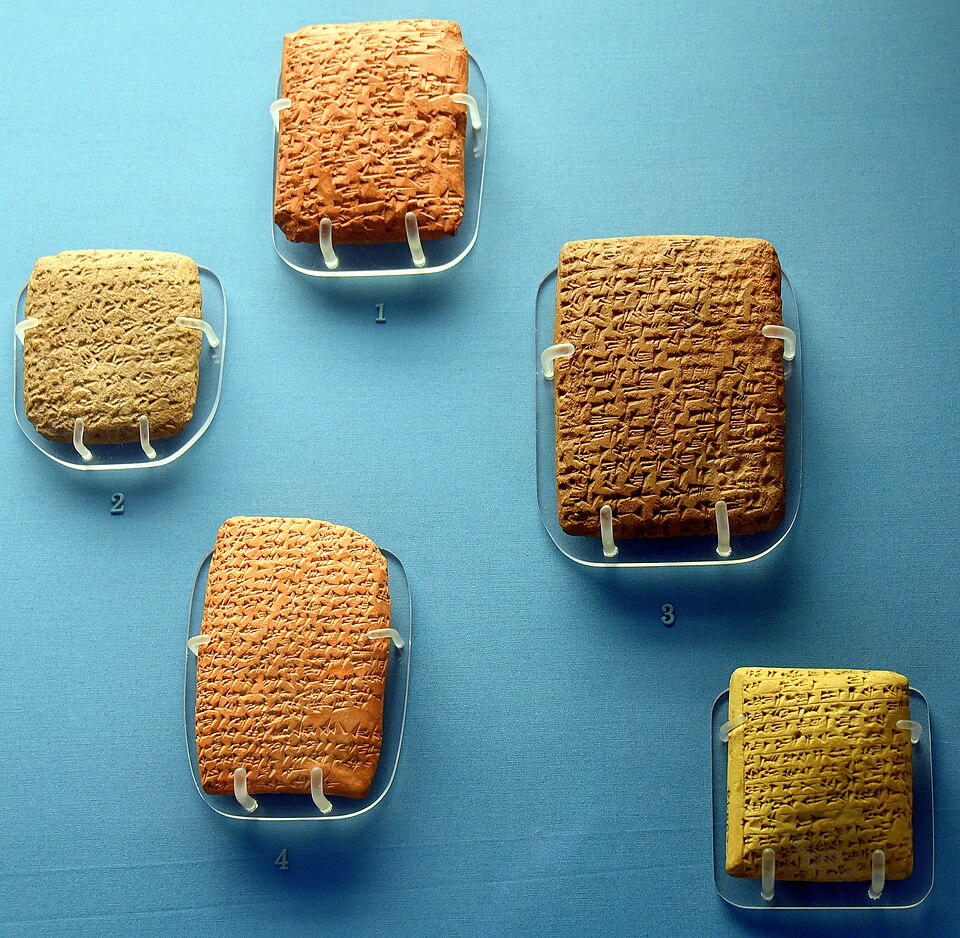
"Diplomat" derives from the Greek diploma, a folded document once issued to Roman travelers as an official pass — a fitting root for a job built almost entirely on paper, protocol and carefully worded documents. Long before any single word existed for it, rulers in Bronze Age Egypt and Mesopotamia were already exchanging royal messengers, gifts and formally worded letters, addressing distant kings as "brothers" to manage wars, marriages and trade without fighting over every disagreement.
There has never been one required path into the job: some of history's most effective diplomats were career civil servants who rose through exams, others were merchants, priests, generals or aristocrats pressed into service for a single mission. What every era shares is the same basic function — a trusted go-between who can speak for a government abroad and report back honestly, because a government blind to what other capitals actually think eventually makes a catastrophic mistake.
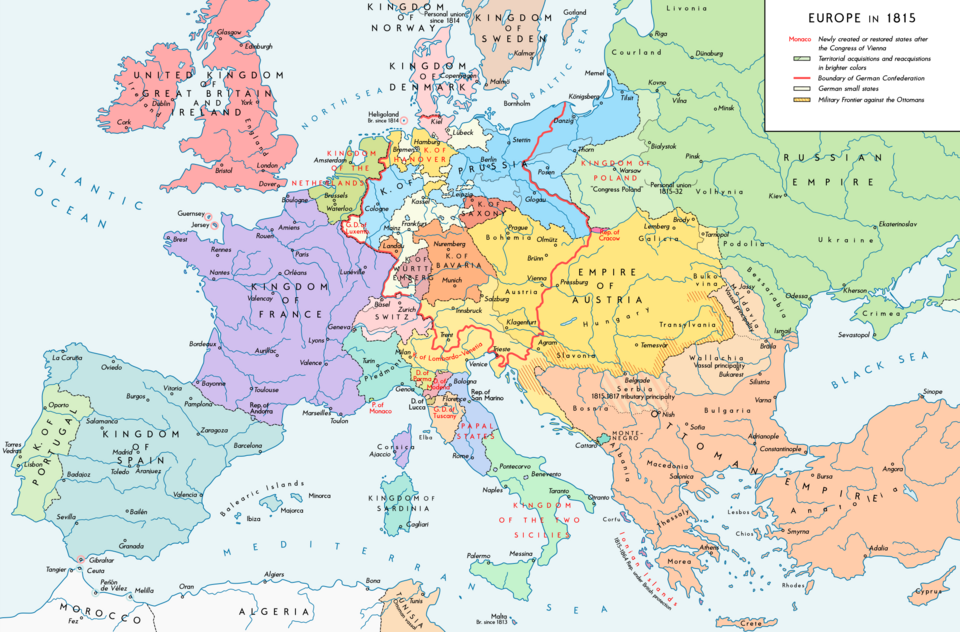
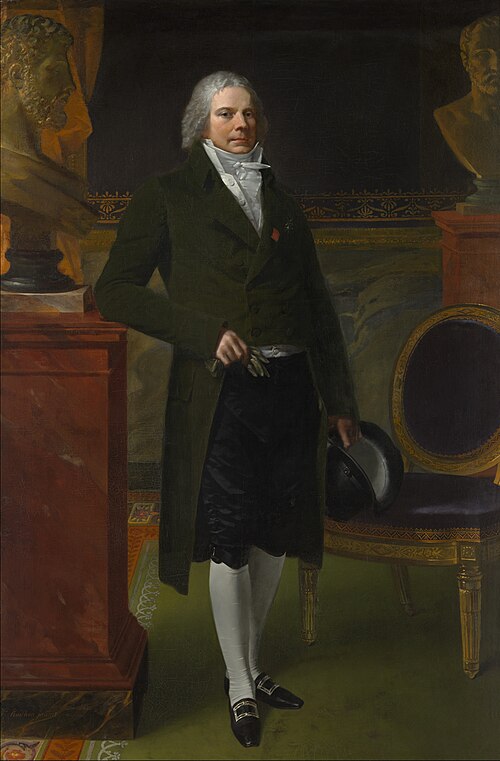
This page follows the job from the Amarna letters and Venice's pioneering resident ambassadors to Talleyrand at the Congress of Vienna and the Vienna Convention of 1961. It covers how people actually enter foreign services today, what a single posting demands day to day, who reached the top of the profession and how, and how much of the work — from drafting cables to reading a counterpart's real intentions — machines can realistically take over.
Inside the profession
A diplomat is a government's trusted go-between abroad: speaking with authority, reporting honestly and negotiating wording precise enough that capitals can live with the result without fighting every disagreement.
Representation as calibrated speech
Daily work is less ceremony than traffic: overnight cables, country-team meetings, calls on host-government contacts and memcons written before memory softens. Constructive ambiguity, front-loading the cable and never surprising a counterpart are craft habits because a careless phrase becomes policy. Representational lunches and evening receptions look social; they are relationship capital built before it is needed. The diplomat's dual audience is constant—the host government and the home capital—Putnam's two-level game played in real time.
Negotiation, reporting and the paper trail
Formal sessions produce brackets, side-letters and talking points; the lasting product is often the cable that tells ministers what actually happened. Good reporting separates fact, assessment and recommendation so a desk officer overnight can act. Multilateral rooms multiply the skill: coalition management, sequencing and knowing when silence is a tactic. Track II channels through think tanks and businesses increasingly shadow official talks. Protocol exists to reduce accidental insult; substance still decides whether a relationship can carry bad news.
Exams, tours and language gates
Entry routes vary: the US Foreign Service Officer Test and Oral Assessment, France's INSP concours, the UK Diplomatic Fast Stream, India's UPSC for the IFS. Languages, medical clearances and worldwide availability filter who can serve. Careers advance through rotating postings, consular crises and desk tours that teach the home bureaucracy. There has never been one biography of a diplomat—merchants, officers and career officials have all done the job—but modern services gate the permanent cadre tightly because the speaker abroad must be trusted at home.
Public diplomacy and AI drafts
Embassies now speak to foreign publics on social platforms as well as to ministries, expanding the audience for every misstep. AI tools draft first-pass cables and briefing notes, shifting officers toward verification and judgment about what must not be said. Climate, technology and health dossiers demand coalition diplomacy more than classic bilateral ritual. What remains human is reading intent, knowing when a smile is not assent and accepting personal responsibility for advice that sends a government into a room with eyes open.
How the work branches
Five common shapes of the same title — specialty, setting or career path.
Embassies and foreign ministries
Bilateral political officer
Reads the host political scene, reports to capital and manages the relationship through demarches, visits and crisis calls.
Consulates and embassy consular sections
Consular officer
Handles passports, arrests, deaths and evacuations where individual citizens meet state power under stress.
UN, EU and other international organizations
Multilateral diplomat
Negotiates in coalition settings where sequencing, brackets and chair dynamics matter as much as bilateral trust.
Commercial sections and trade missions
Economic or trade diplomat
Links market access, investment disputes and regulatory talks to the wider political relationship.
Press, culture and online channels
Public / digital diplomat
Shapes how foreign publics hear the sending state, where a single post can outrun a carefully worded cable.
How it reads by country
Same craft, different gatekeeping, status and daily texture — rewritten for readers in each language.
FSOT, cones and worldwide availability
US diplomats enter mainly through the Foreign Service Officer Test, oral assessment and security clearance, then serve in career cones across rotating tours. Washington desk time, consular crunch and political appointments at the top all shape what 'career' means in practice.
MOFA exams and a high-stakes neighborhood
South Korean diplomats are selected through highly competitive foreign-ministry routes and work a docket dominated by alliance management, North Korea risk and economic statecraft. Hierarchy, cable discipline and intensive bilateral scheduling define early postings.
Gaimushō career track
Japan's Ministry of Foreign Affairs recruits elite career officials through competitive examination and long apprenticeship in language and desk work. Formal protocol, careful consensus drafting and rotating overseas tours give the service a distinctive bureaucratic texture.
Auswärtiges Amt and EU layers
German diplomats enter the Auswärtiges Amt through structured selection and training, then operate bilaterally and inside EU coordination. Coalition diplomacy in Brussels often matters as much as classic embassy bilateralism; written precision remains cultural currency.
FCDO Fast Stream and global network
UK diplomats are largely recruited through Civil Service Fast Stream diplomatic tracks into the FCDO. Postings mix political work, development legacies and consular surges; concise drafting for ministers under time pressure remains a core craft test.
MFA in a small-state strategy
Singapore's MFA officers work a compact service where multilateral coalitions, trade and security hedging punch above population size. Tight message discipline, multilingual engagement and rapid feedback from a small capital shape every cable and public line.
From the archive
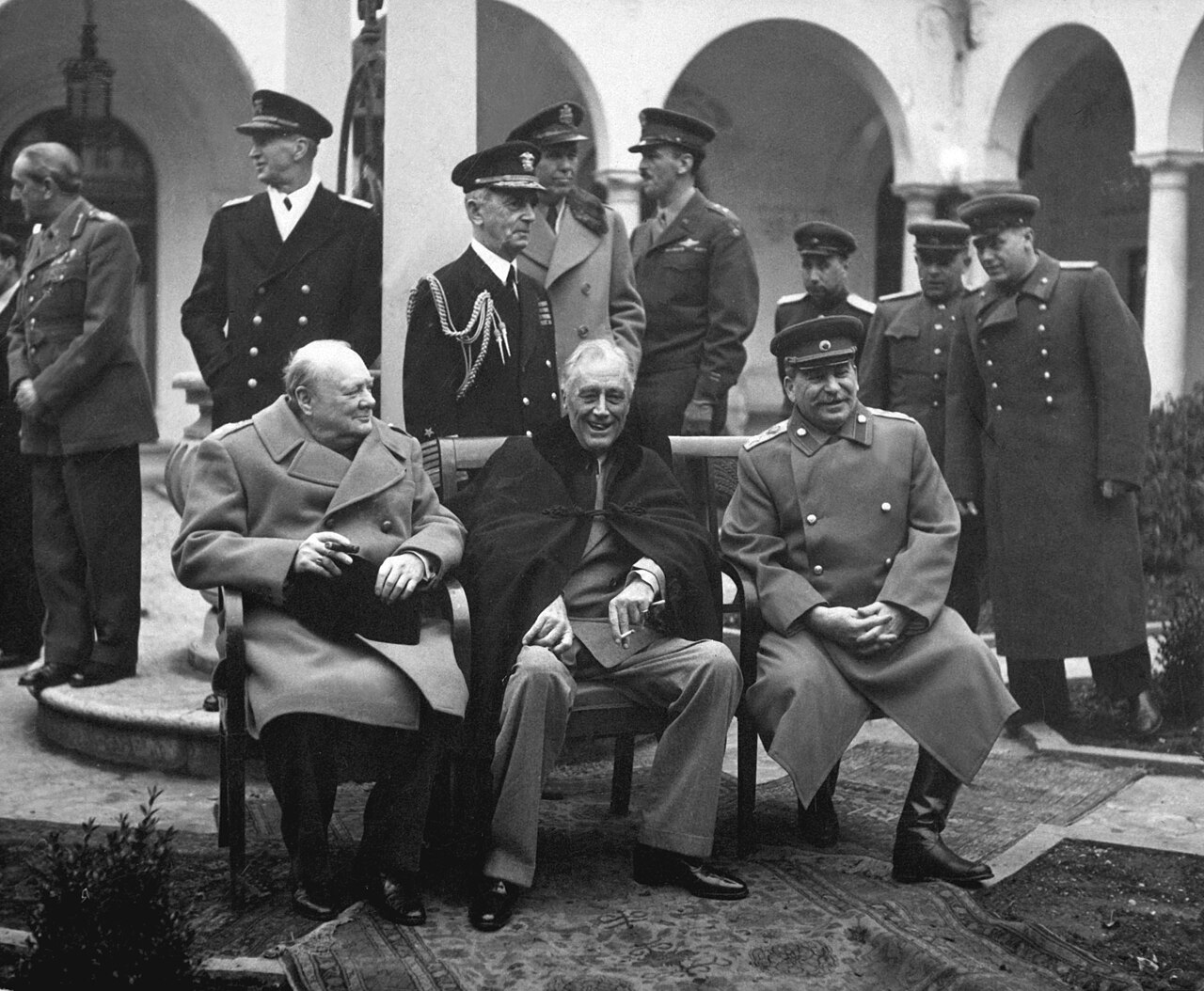
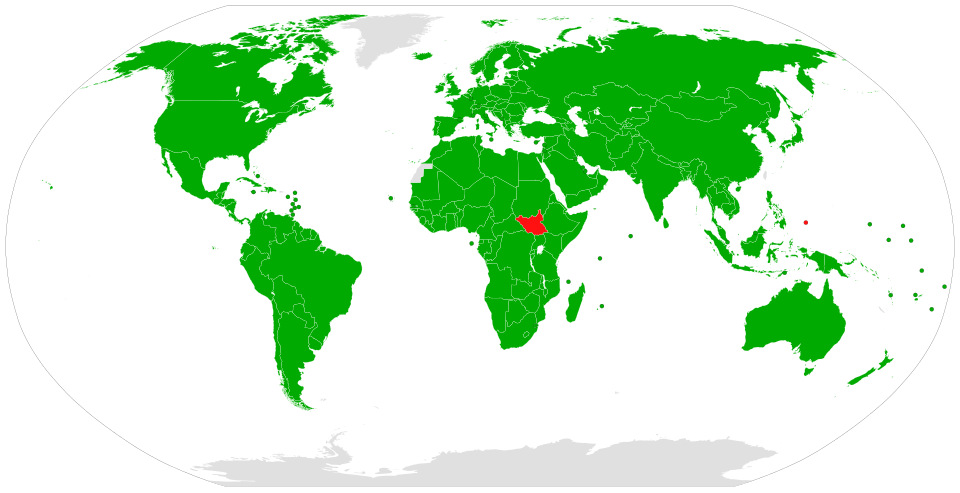
Commons CC/PD images self-hosted for this profession.
Why attitude matters here
A diplomat's languages and briefing skills open doors, but attitude decides whether the cable tells the capital an inconvenient truth, and whether a counterpart is surprised into humiliation that wrecks the next negotiation.
Home capitals act on what you report
Ministers cannot see the room; they see the cable. A diplomat who softens bad news to protect access, or buries the assessment under polite colour, sends a government into talks blind. Front-loading facts and separating recommendation from observation are attitudes that prevent catastrophic misreads more reliably than eloquence at a reception.
Trust is built before the crisis needs it
Evacuations, hostage cases and sudden demarches succeed or fail on relationships formed during quiet months. Officers who treat representational events as optional decoration arrive at the hard ask without anyone who will take their call. The stance toward patient relationship-building is operational infrastructure, not soft networking.
Ambiguity can be craft or cowardice
Constructive ambiguity lets parties leave a table without losing face, but vague language used to hide disagreement from one's own capital is a different act. Knowing when precision is owed at home and when flexibility is owed in the room is an attitude toward truth-telling under dual loyalty. Skill at drafting fails if the purpose of the fog is self-protection.
Stances that hold up under pressure
Five concrete postures the work rewards, not slogans.
Never surprise your counterpart
Warning the other side of difficult news through proper channels before a public ambush, preserving the chance to problem-solve. Humiliation may win a news cycle and destroy the working relationship the next demarche requires.
Write the memcon immediately
Recording what was said while memory is fresh, rather than reconstructing a convenient version after the reception ends. Later disputes about assurances are won or lost on that contemporaneous note, not on remembered tone.
Front-load the cable
Putting the bottom line and recommended action first so overnight readers can act, instead of burying the point in travelogue and colour. Busy capitals punish elegant delay, and late clarity is often useless clarity.
Tell the inconvenient assessment
Reporting what the host government actually intends, even when it undercuts a preferred narrative in the capital. Access that depends on flattery is not access worth having when a crisis finally needs an honest channel.
Negotiate the two-level game
Designing asks that a counterpart can sell at home, and that one's own ministers can defend, rather than collecting verbal wins that die in ratification. Durable deals respect both domestic constraints.
Moments that reveal it
Situations that separate résumé language from how someone actually practices.
A cable that will disappoint the minister
Whether the officer states the bad news clearly with evidence and options, or sands it down to stay popular on the desk, is a recurring test no oral assessment fully simulates. Capitals punish late honesty harder than early discomfort.
A reception where gossip is easier than notes
Leaving with a usable memcon and a protected confidence, rather than only anecdotes for the corridor, shows whether representational work is craft. The relationship value is in what can be responsibly reported and reused.
Instructions that will humiliate the host
Pushing back to capital with a workable alternative, or executing a public ambush that wins a headline and loses the channel, reveals the attitude toward long-game diplomacy. Surprises destroy the next ask.
An AI-drafted first cable
Verifying every sensitive claim and removing what must not be said, rather than polishing fluent inaccuracy for speed. Machines draft; officers still own the signature, and a confident wrong cable is worse than a slow correct one.
Where "calling" turns harmful
Service as unpaid representational life
Diplomatic culture often treats endless evening receptions, unpaid spouse labour and family disruption across postings as proof of vocation. Calling the lifestyle a privilege can silence talk about unsafe staffing in crisis consular surges, mental-health costs and the expectation that officers perform hospitality on private budgets. Dedication that replaces adequate allowances and headcount becomes elite myth covering structural under-resourcing.
The profile
Resists AI78
Pay52
Barrier to entry82
Autonomy40
Demand42
Impact88
How exposed is it to AI?
Low
A meaningful share of diplomatic support work — first-pass drafting, translation, open-source research, routine consular processing — is already assisted or automatable. The core of the job, building the personal trust a real concession requires and carrying a government's legal and political accountability for what gets signed, remains outside what any current AI system can do or is authorized to do.
Almost always, though requirements vary. Most foreign services require or strongly reward fluency in at least one language beyond the diplomat's own, and postings to non-English-speaking countries typically come with paid language training beforehand — the US Foreign Service Institute, for instance, runs immersive courses lasting from months to nearly two years for the hardest languages before an officer ever arrives at post.
What is the Foreign Service exam?
In the United States it is the Foreign Service Officer Test, a written exam covering job knowledge, English usage and a personal narrative, followed for those who pass by a full-day oral assessment simulating real diplomatic scenarios. Combined pass rates historically run from the low single digits to around six percent, making it one of the more selective entry exams into any government career.
What is diplomatic immunity?
Diplomatic immunity is legal protection, codified in the 1961 Vienna Convention on Diplomatic Relations, that shields accredited diplomats from arrest, prosecution and most taxation in the country where they serve, and makes an embassy's premises, archives and diplomatic bag inviolable. It exists so a host government cannot pressure a foreign government by threatening its representative, not as a personal privilege.
How much do diplomats get paid?
It varies enormously by country and rank. A newly hired US Foreign Service Officer earns roughly $50,000–$60,000, while a senior career officer or ambassador can earn upward of $150,000–$200,000; in countries with smaller foreign services or lower public-sector pay overall, senior diplomat salaries can be a fraction of those US figures for comparable responsibility.
What is the difference between an ambassador and a diplomat?
Every ambassador is a diplomat, but not every diplomat is an ambassador. "Diplomat" covers anyone formally accredited to represent a government abroad, from a junior visa officer to the head of mission; "ambassador" specifically means the most senior diplomat leading an embassy, formally accredited to the host head of state and, in career services, reached only after many years of prior postings.
Do all ambassadors come from the career foreign service?
No. Many countries, especially the United States, also appoint ambassadors from outside the professional diplomatic corps — often major political donors, former officials or business leaders — a practice defenders call a useful source of political access and critics call a reward disconnected from diplomatic skill. Political appointees have made up roughly a third of US ambassadorships in recent decades.
Will AI replace diplomats?
Not the core role. AI tools already help draft reporting cables, translate documents and monitor foreign media faster than a human alone, and that share will keep growing. What no current system can do is build the personal trust a negotiation depends on, judge what a counterpart's government can and cannot survive politically, or carry a state's legal accountability for what gets signed.
What does "persona non grata" mean?
Latin for "an unwelcome person," it is the formal declaration a host government uses to expel a diplomat, most often one suspected of espionage or serious misconduct, without having to prove the accusation in court. The diplomat's home government must recall them within a set period, and states frequently expel each other's diplomats in retaliatory tit-for-tat rounds during periods of tension.
Embed this ranking
Paste this code into your blog or site — the ranking stays up to date.