Turns a screenplay into a finished film by deciding every shot, performance and cut, then persuades a producer, a studio and an audience the vision was worth the budget.
Film Director: Turns a screenplay into a finished film by deciding every shot, performance and cut, then persuades a producer, a studio and an audience the vision was worth the budget.
A film director turns a screenplay into a finished piece of moving-image storytelling, deciding how every scene is staged, shot, performed and paced, then defending those choices to a producer, a studio and eventually an audience. No other role on a film set carries final creative authority over so many simultaneous decisions at once: camera placement, an actor's line reading, a shade of lighting, and whether a scene survives into the finished film at all.
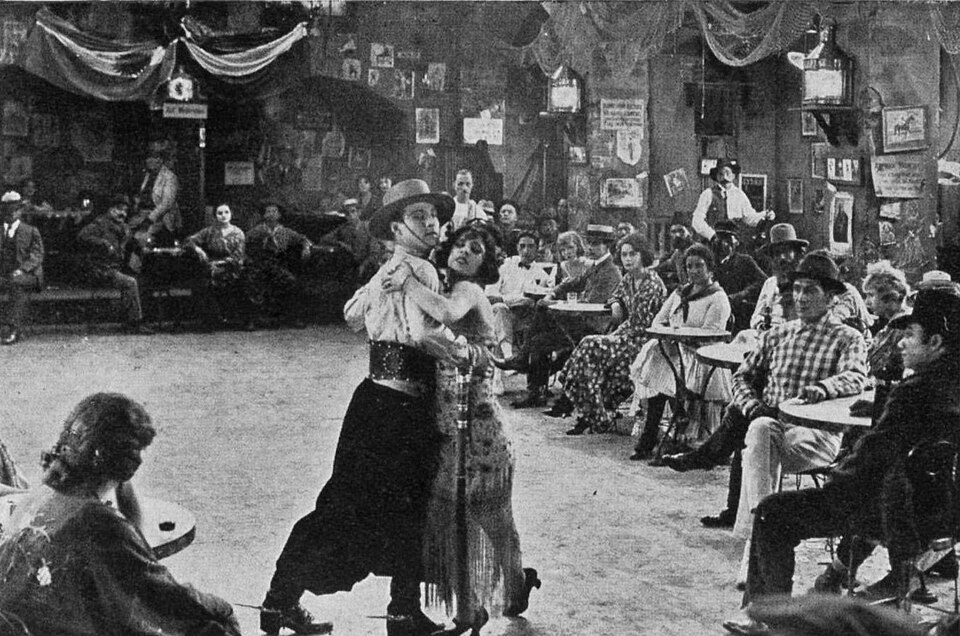
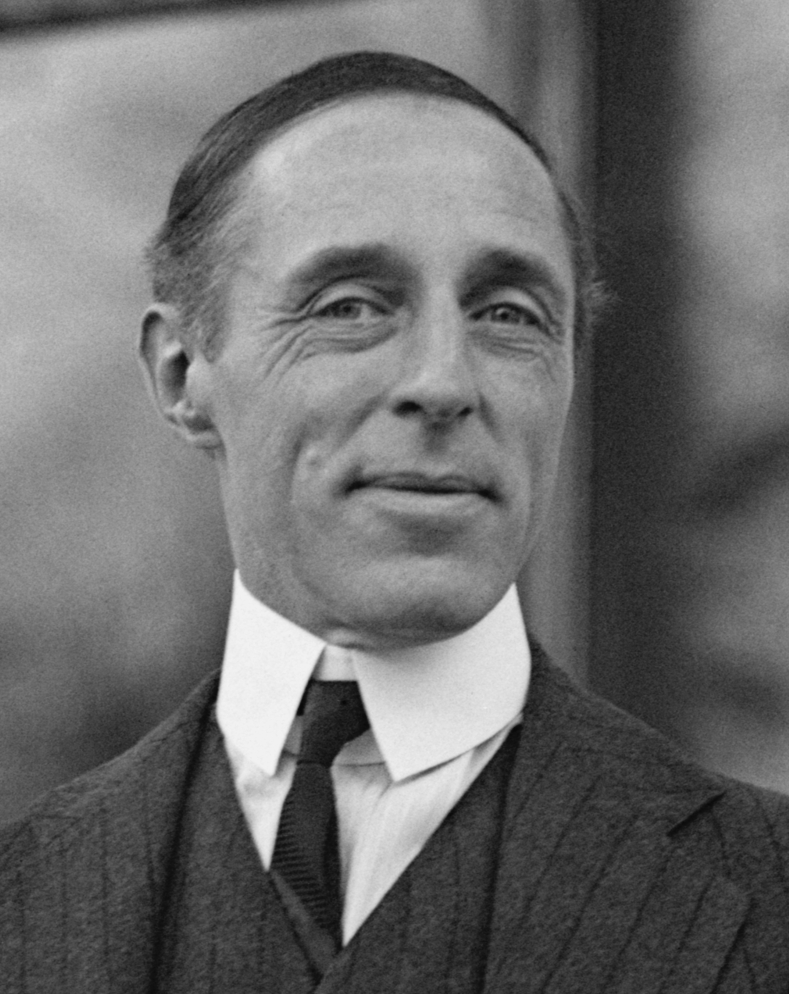
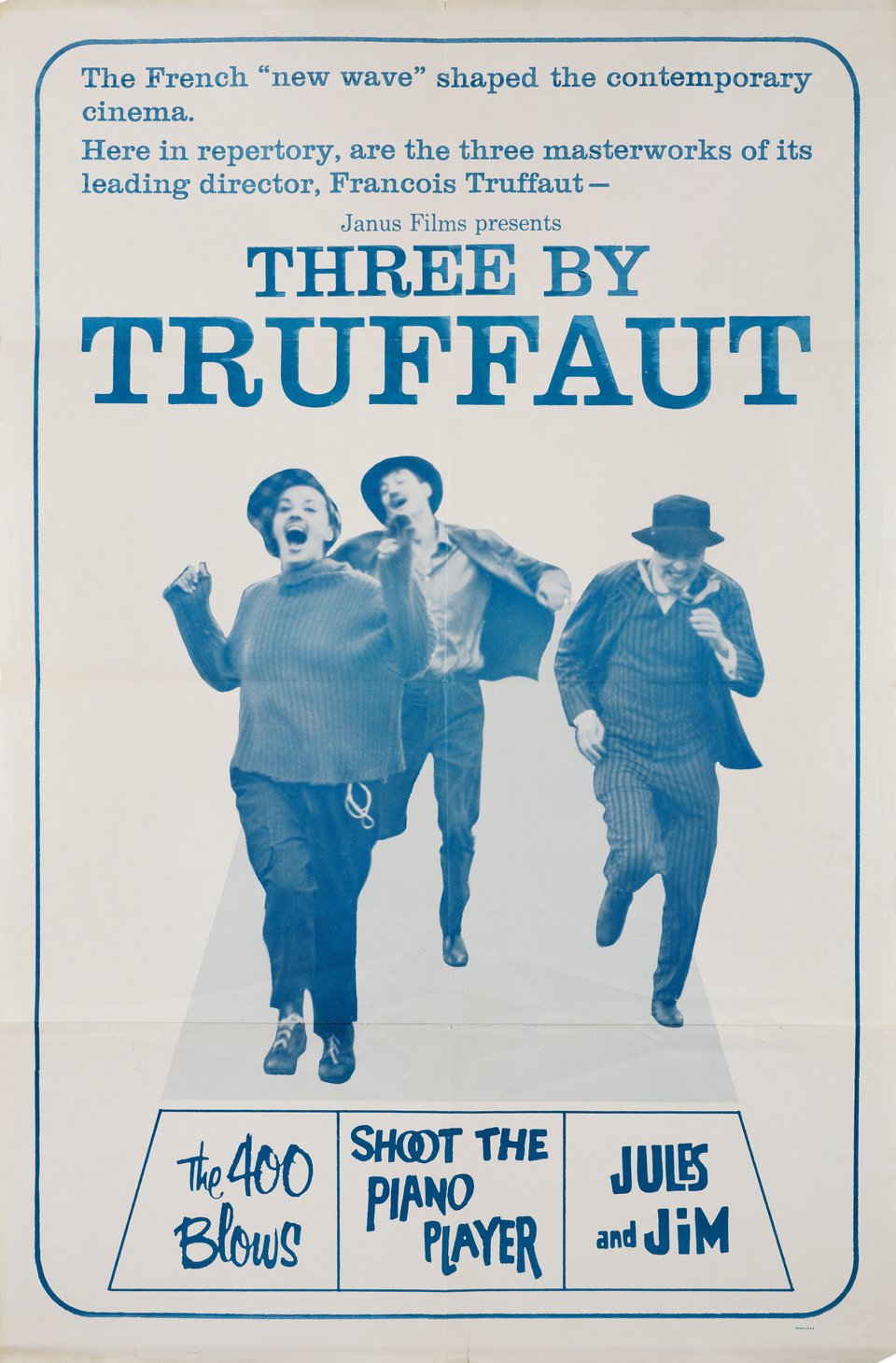
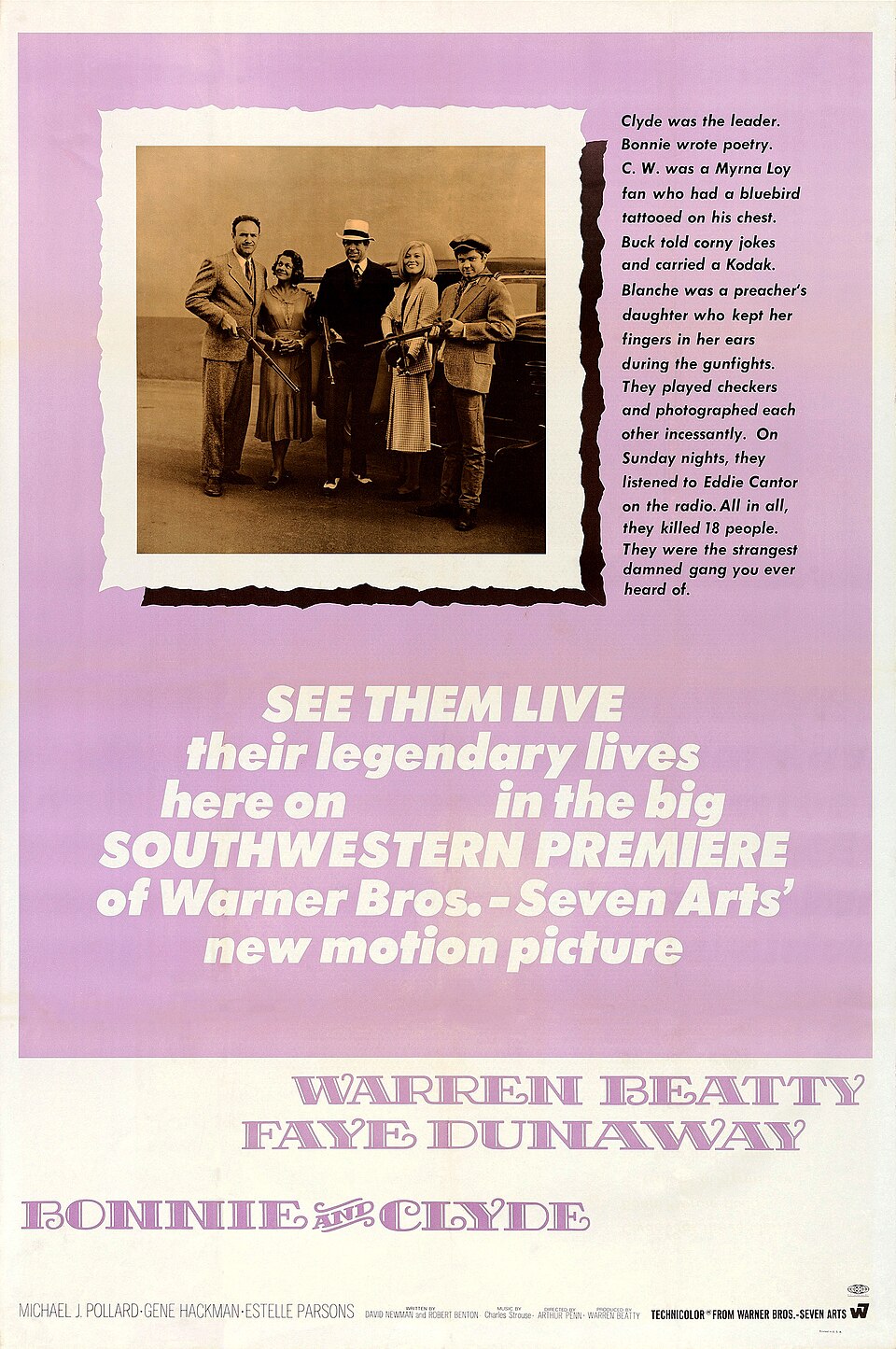
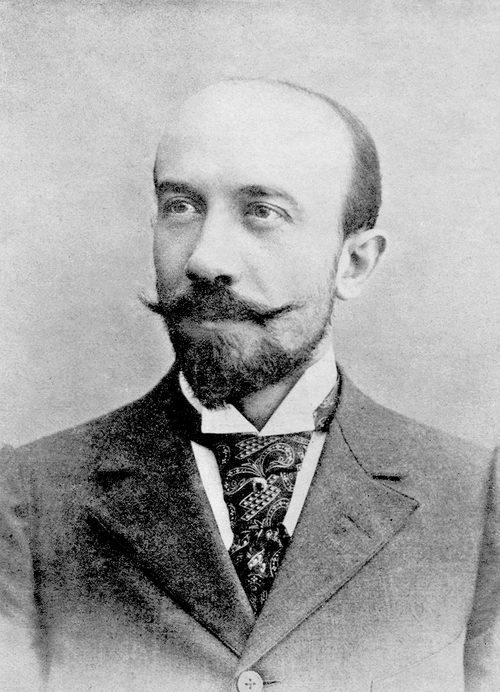
The job is barely more than a century old. The Lumière brothers staged the first paid public film screening in Paris in 1895; within a decade Georges Méliès had turned the camera into a magic-trick machine, D. W. Griffith had assembled the close-up and the cross-cut into a usable grammar, and Sergei Eisenstein had shown meaning could be built almost entirely through editing. Kurosawa, the French New Wave and New Hollywood each then remade what directorial authority actually meant.
This page traces that history through ten turning points and five eras, covers how directors train without any license or exam, breaks down the craft of blocking, coverage and an actor's trust, profiles eight directors who reshaped the medium, and weighs how exposed the job is to generative tools that can already storyboard a scene no one has shot yet.
Inside the profession
A film director shapes how a story is seen and heard—performance, camera, pace and tone—while carrying responsibility for a temporary organization of specialists under time and money pressure. The public image is solitary genius; the job is decisions that keep a crew aligned when the day is slipping.
The day is decisions under constraint
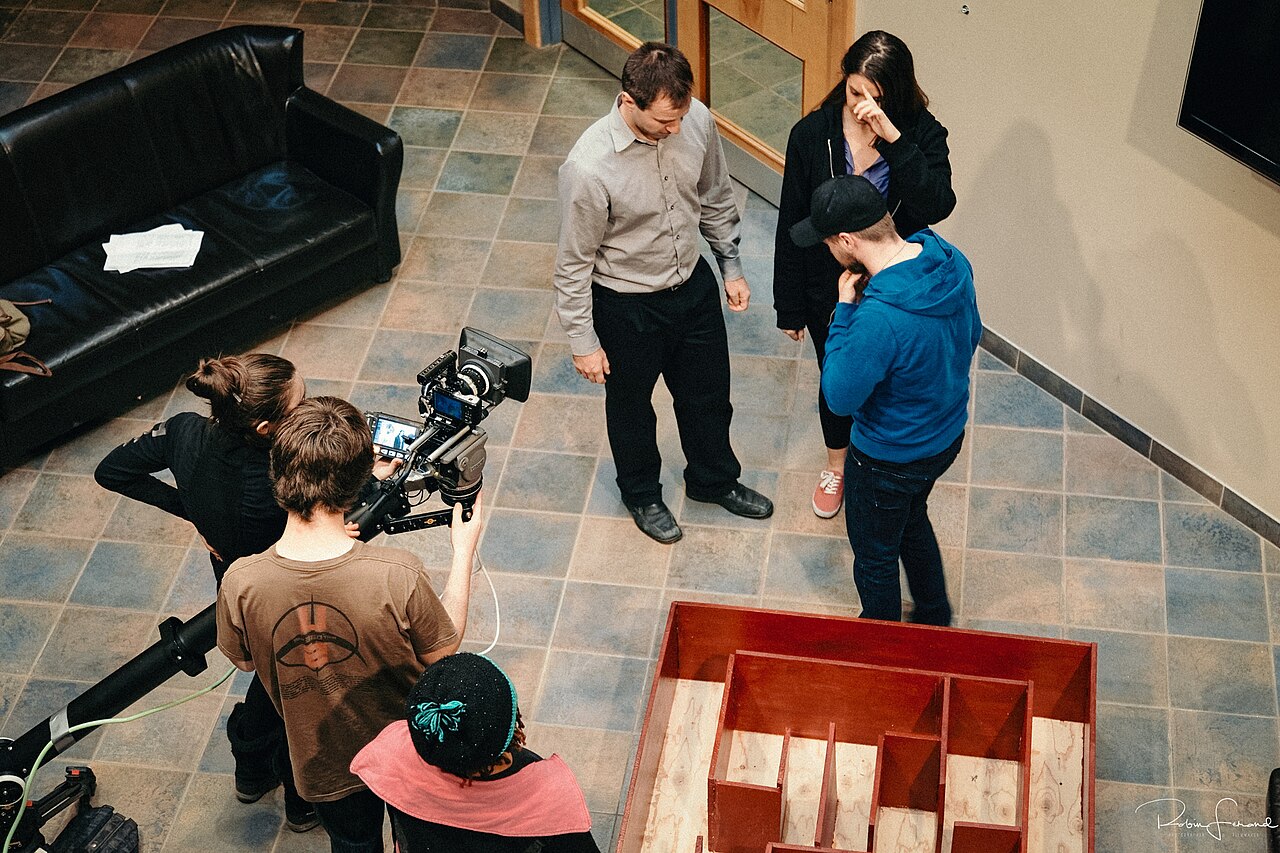
On set, directors choose setups, guide actors, protect (or abandon) coverage and decide when a take is enough. Off set, they prep with department heads, fight schedules, sit in edits and navigate producers, financiers and festivals. Taste matters; so does knowing what can be fixed in the edit versus what must be captured now. Many hours are communication: translating an intention into something a cinematographer, AD and performer can execute before light goes.
Where variety hides
Feature narrative, series television, commercials, music video, documentary and animation directing share craft vocabulary and diverge in crew size, union rules and who holds final cut. Studio pictures constrain through executives; indie features constrain through budget; advertising constrains through brand and legal. A director known for commercials may never be trusted with a drama until a short or feature proves otherwise. The title is stable; the power structure is not.
How gatekeeping really works
Film schools (AFI, La Fémis, NFTS and others) help, but the practical gates are shorts that travel, assistant and AD paths, commercial reels and relationships with producers. Guild membership—DGA in the US, Directors UK in Britain—matters for certain jobs and residuals. There is no license to direct; there is a reputation for finishing days and not wasting a crew. Many working directors spend years in adjacent roles before the chair is theirs.
What is changing underfoot
Digital cameras, remote collaboration and AI-assisted previsualization and VFX change cost curves; streamers change release and development patterns. None of that removes the need for someone who can judge a performance in the room or protect a scene when weather and overtime collide. Tools draft options; accountability for tone, ethics of documentary subjects and safety on set remains with the people who say 'action.'
How the work branches
Five common shapes of the same title — specialty, setting or career path.
Independent and studio pictures
Feature film director
Owns a long-form narrative through prep, production and post; politics of cut and credit vary by contract.
Series sets
Television / episodic director
Directs within a showrunner's world; speed, coverage and consistency with house style dominate.
Agencies and production companies
Commercial / branded content director
Delivers a client's message under strict legal and brand limits; reel and relationships drive hiring.
Nonfiction productions
Documentary director
Negotiates access, ethics and structure with real subjects; editorial honesty is the recurring craft problem.
Animation studios
Animation director
Guides performance through layouts, boards and voice; iteration cycles replace traditional live-action coverage.
How it reads by country
Same craft, different gatekeeping, status and daily texture — rewritten for readers in each language.
United States — DGA, coasts and streamers
Los Angeles and New York still dominate hiring gravity; DGA membership gates many jobs. Streamers and studios reshape development; commercials and music video remain common entry economies beside features.
South Korea — auteur cinema and series power
A globally visible film and series industry concentrates opportunity in Seoul production networks. Directors often rise through shorts, assistant roles and writer-director paths; festival and platform success change careers quickly.
Japan — studio systems and freelance features
Studio television, anime-adjacent directing and independent features create distinct tracks. Long assistant apprenticeships remain culturally familiar; commercial work subsidizes many narrative careers.
Germany — public funding and regional film boards
Filmförderung and broadcaster commissions shape what gets made. Directors navigate funding juries as much as private equity; Berlin and regional hubs differ in language and scale.
United Kingdom — Directors UK and public-service drama
Directors UK membership, BBC/ITV drama pathways and NFTS networks structure many careers. Tax-credit productions and commercials in London create parallel economies.
Singapore — regional hub, compact market
A small domestic theatrical market pushes directors toward commercials, regional co-productions and series work. Multilingual crews and cross-border shoots are common; public grants matter for narrative projects.
From the archive
Commons CC/PD images self-hosted for this profession.
Why attitude matters here
Directing skill can fill a shot list; attitude decides whether a crew is safe, a performer is protected, and a day is finished without burning people for a take that will not survive the edit.
Other people's bodies are on the line
Stunts, water work, prolonged heat and emotional scenes concentrate risk on performers and crew. A director who treats safety briefings as delays discovers why unions wrote the rules. Taste does not excuse a take that requires someone to ignore a hazard for 'one more.'
The day cannot be undone
Locations expire, child actors age out of hours, and weather windows close. Attitude toward prep and decisive choices—knowing when a shot is good enough—determines whether a production finishes or collapses into costly pickup chaos. Indecision is not artistry when overtime is burning the budget.
Power asymmetry on set is easy to abuse
Actors, assistants and junior crew may not feel free to refuse a request. A director's posture toward consent, intimacy coordination and speaking up after a bad joke lands determines whether the set is professional or predatory. Skill at shots does not grant moral exemption.
Stances that hold up under pressure
Five concrete postures the work rewards, not slogans.
Stops for safety without performing annoyance
Halts when a stunt coordinator, intimacy coordinator or crew member flags a risk, treating the interruption as part of the job rather than an insult to authority.
Protects performance from public humiliation
Gives notes privately when possible and avoids using shame as a directing tool, especially with less powerful cast members.
Cuts a favorite shot when the day is gone
Abandons a visually precious setup to protect story coverage and crew hours, accepting that taste serves the finished film, not the mood board.
Credits department heads in the room
Names the DP, AD and designers when ideas work, resisting the myth that every good decision came from the chair alone.
Holds ethical lines with documentary subjects
Refuses a manipulative cut that betrays agreed context, even when a festival narrative would be easier with the cheaper version of the person.
Moments that reveal it
Situations that separate résumé language from how someone actually practices.
Golden hour is dying and a safety step would cost the shot
Whether the director keeps the hazard mitigation or rolls anyway is the test no behind-the-scenes featurette will show.
A producer wants a humiliating take 'for options'
Protecting the actor versus collecting cruelty as coverage reveals the real hierarchy of values on that set.
The edit exposes that an expensive shot does nothing
Killing a darlings montage in the cutting room, or forcing the film to justify sunk cost, is attitude after the cameras stop.
A junior crew member questions a rushed company move
Dismissing them to save face, or slowing down to check, shows whether leadership is real when the director is tired.
Where "calling" turns harmful
Passion projects and unpaid 'experience' crews
Indie culture often frames deferred pay, endless favors and 'for the reel' labor as proof of devotion to cinema, while financiers and name directors still get credited as professionals. Passion language also excuses abusive hours and silences complaints about harassment as disloyalty to the art. Loving film is not consent to work without contracts, or to treat safety and dignity as optional on a low budget.
The profile
Resists AI73
Pay58
Barrier to entry68
Autonomy72
Demand52
Impact80
How exposed is it to AI?
Moderate
Roughly a quarter of the tasks around directing, storyboarding, assembling a rough cut, generating background elements or marketing edits, are already well served by generative tools. The core of the job, reading a live performance and deciding whether it is honest, remains outside what current AI can judge, which is why directing sits in the middle of this site's automation-risk ranking rather than near either extreme.
No formal degree or license is required anywhere in the world; 'film director' is not a protected title. Many successful directors, including Quentin Tarantino and Christopher Nolan, built careers largely without a film-school degree, though schools like AFI, USC, La Fémis and FTII remain a common route because they provide equipment, mentorship and a peer network that self-taught directors otherwise have to build alone.
How much do film directors get paid?
It varies enormously by project rather than by year, since directors are typically paid per film or per television episode instead of a steady salary. A first-time US independent feature under the Directors Guild of America's low-budget agreement pays roughly $67,000, while an established director on a studio blockbuster can command fees plus box-office bonuses worth tens of millions of dollars.
What is the difference between a director and a producer?
A director controls a film's creative execution on set and in the edit, covering performance, camera and pacing, while a producer manages the money, schedule, legal deals and overall business of getting the film made and sold. On most productions the two negotiate constantly, and one person occasionally does both, but they remain legally and functionally distinct jobs with different responsibilities.
What does 'auteur' mean?
Auteur is French for 'author.' Auteur theory, developed by critics at the French magazine Cahiers du Cinéma in the 1950s, argues a director can stamp a personal artistic vision across an entire film despite cinema's inherently collaborative production process. The theory remains contested; critic Pauline Kael's 1971 essay disputing Orson Welles's sole authorship of Citizen Kane is still its most famous challenge.
Is film directing a good career if I'm worried about AI?
The tasks AI already handles reasonably well, such as rough storyboarding, assembling a first editing pass, or generating background crowds, were always the least valued parts of directing. What survives is judgment under real chaos: coaxing a truthful performance from an anxious actor, deciding in seconds whether a shot everyone else thinks is fine actually isn't, and persuading financiers to trust a vision nobody has seen yet.
How long does it take to become a working film director?
There is no fixed timeline, which is itself the hardest part. Most working directors spend two to five years learning the craft through shorts or crew work, then years more building a reputation on the festival circuit before financing a debut feature, commonly a decade or more between a first short film and a first paid directing job with real creative control.
What is coverage, and why does it matter?
Coverage is the set of extra angles, such as medium shots, close-ups and reaction shots, a director captures beyond a scene's wide master shot, giving an editor material to solve pacing and performance problems only visible once the film is cut. Directors who skip coverage to protect one supposedly perfect take often discover it does not actually cut together with anything else in the film.
Can a woman direct a major Hollywood blockbuster?
Yes, though it remains rare: as of the mid-2020s only three women, Kathryn Bigelow (2010), Chloé Zhao (2021) and Jane Campion (2022), have won the Academy Award for Best Director, and women directed roughly 13% of the top 100 US films in 2024. Directors like Bigelow, Zhao and Patty Jenkins have proven the commercial track record exists; access to financing remains the larger barrier.
Embed this ranking
Paste this code into your blog or site — the ranking stays up to date.