Veterinarian: Treats patients from goldfish to horses that cannot describe a symptom, and carries the legal power to end their suffering by euthanasia.
A veterinarian diagnoses and treats disease and injury in animals, from a goldfish to a horse to an entire dairy herd, almost always without the one tool a physician relies on most: a patient who can describe the symptom. The job also carries an authority most medicine does not — the legal and ethical power to end an animal's suffering by euthanasia, a decision a busy small-animal veterinarian may make several times in a single week, for an entire career.
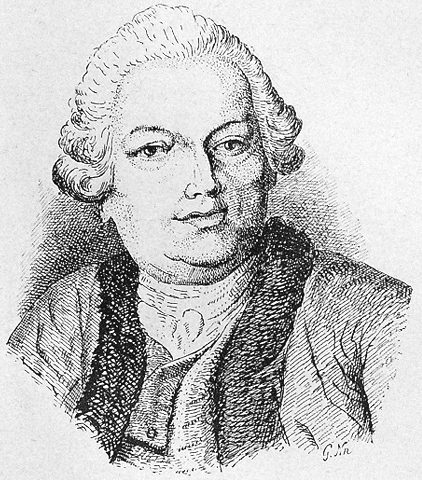
The profession's scientific foundation is barely 260 years old. Claude Bourgelat opened the first veterinary school in Lyon, France, in 1761, driven not by pets but by rinderpest, a cattle plague capable of wiping out a region's food supply; Britain built its own state veterinary service after a rinderpest outbreak reached London a century later. Only in the last hundred years did the profession's center of gravity shift from farm animals toward the cats and dogs most people now picture when they hear the word 'vet.'
This page traces that shift, from Bourgelat's Lyon and Aleen Cust's decades-long fight to practice as the first woman veterinary surgeon in Britain and Ireland, through James Herriot's Yorkshire practice that made the job beloved worldwide, to today's One Health movement linking animal, human and environmental disease. It also covers what the work costs: veterinary medicine carries one of the highest suicide rates of any profession, and no honest page about this job can leave that out.
Inside the profession
A veterinarian treats patients who cannot describe symptoms, negotiates care with owners who hold the purse and the consent, and carries the legal power to end suffering when treatment no longer helps.
Diagnosis without a verbal history
A vet watches how an animal walks into the room before touching it, reads posture, breathing and handling response, then rebuilds a history from the owner's story told twice. Cats that go quiet under stress, cattle whose herd context matters more than a single chart, and horses that hide pain all punish haste. Physical exam skill, imaging judgment and lab interpretation replace the patient's narrative that physicians rely on. The craft begins with calm handling: restraint that reduces fear often yields better information than force that shortens the appointment.
Surgery, medicine and money in one room
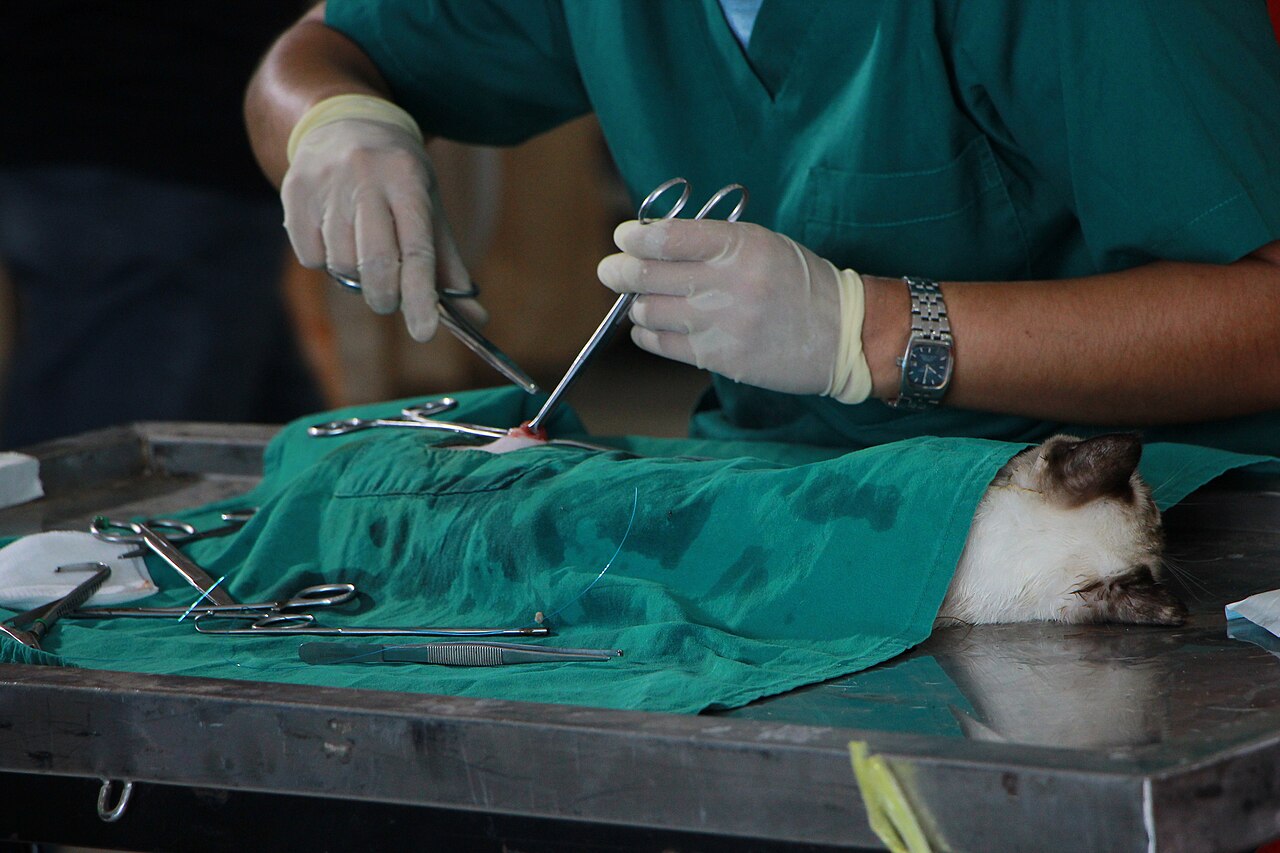
General practice packs wellness exams, dentals, soft-tissue surgery and sudden emergencies into the same day, often in fifteen-minute slots that still require a full differential. Tissue must be handled as if it has to heal, not merely close; anesthesia and pain plans are tailored without a patient who can rate discomfort. Cost conversations sit beside clinical ones because owners fund care, and discounting out of guilt can bankrupt a practice without fixing prognosis. Referral hospitals now absorb much specialty work, but first-opinion vets still triage what can wait and what cannot.
Schools, boards and the euthanasia duty
Entry runs through selective veterinary schools—Lyon's lineage from 1761, the RCVS route in Britain, NAVLE in North America—then registration that carries prescribing and euthanasia authority. Specialty diplomate paths such as ACVS add years after the primary degree. Rural mixed practice and urban emergency hospitals demand different breadth. What unites them is accountability for animals who cannot consent: explaining prognosis, offering options and, when suffering outweighs benefit, performing euthanasia as a clinical act rather than a failure to be hidden.
Corporate scale and telehealth reshape the day
Corporate consolidation has changed who owns clinics and how productivity is measured, while subscription wellness plans shift revenue from fee-for-service visits. Telehealth helps triage and follow-up but cannot replace hands-on exam for many presentations. Wildlife, shelter and food-animal work sit beside pet medicine with different ethics and public-health stakes. Burnout and compassion fatigue are structural risks in a job that combines medical intensity with grief counseling. The profession is widening into networks, but the chairside decisions remain personal.
How the work branches
Five common shapes of the same title — specialty, setting or career path.
Urban and suburban clinics
Companion-animal GP
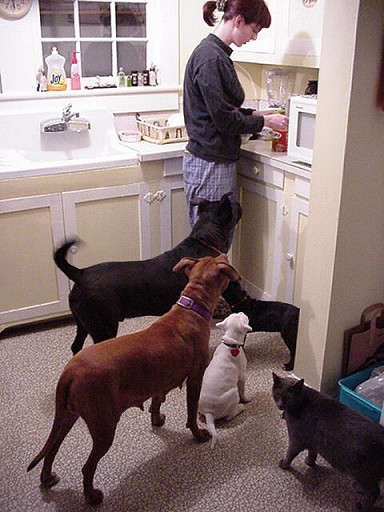
Runs wellness, sick visits, dentals and soft-tissue surgery for pets, with constant owner communication and cost negotiation.
24-hour hospitals
Emergency and critical care vet
Stabilizes trauma, toxin and surgical emergencies on shift work, often with limited prior history and high emotional stakes.
Farms, stables and rural districts
Mixed or large-animal vet
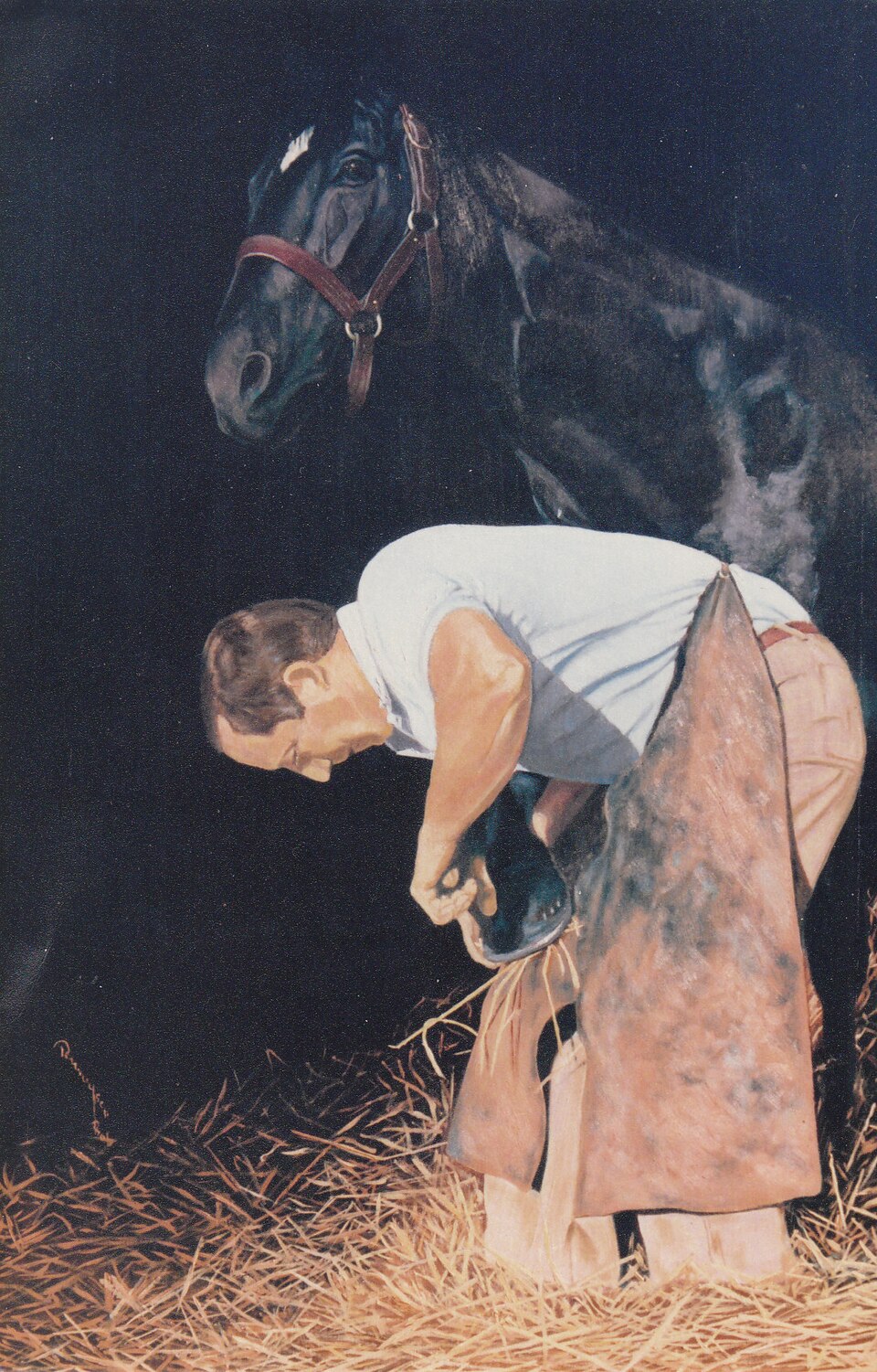
Treats herds and horses on-site, reading barn conditions and economics as carefully as individual patients.
Specialty and teaching hospitals
Referral specialist
Focuses on surgery, internal medicine, oncology or other boards after residency, receiving cases from first-opinion practices.
Government, NGOs and shelters
Public-health or shelter vet
Combines population medicine, disease control and high-volume spay-neuter or outbreak response with constrained resources.
How it reads by country
Same craft, different gatekeeping, status and daily texture — rewritten for readers in each language.
AVMA schools and NAVLE
US veterinarians graduate from AVMA-accredited schools, pass NAVLE and obtain state licensure. Debt loads, corporate clinic ownership and emergency-hospital shift work strongly shape early careers; specialty residencies concentrate in teaching hospitals.
National license and pet-market growth
South Korean veterinarians qualify through veterinary college and the national exam, then enter a rapidly expanding companion-animal market centered on cities. Hospital hierarchies, overnight emergency duty and client expectations for advanced care set the daily intensity.
獣医師国家試験 and clinic culture
Japan licenses veterinarians through the national examination after a six-year course. Small-animal clinics, agricultural practice and university hospitals diverge early; detailed owner counseling and long service hours are common features of urban companion practice.
Approbation as Tierarzt
German veterinarians obtain Approbation after university study and state examination, then may pursue Weiterbildung toward specialist titles. Practice ranges from mixed rural work to urban Kliniken, with EU medicines rules and farm animal welfare duties shaping large-animal days.
RCVS registration and MRCVS
UK veterinary surgeons register with the RCVS after an accredited degree. First-opinion practice, referral centers and out-of-hours providers structure careers; the historic title veterinary surgeon still marks the profession's surgical roots and legal responsibilities.
AVS licensing in a compact city
Singapore veterinarians register under Agri-Food and Veterinary Authority frameworks and work mainly in companion-animal clinics and institutions within a dense urban market. Import controls, limited large-animal work and high client expectations for specialty referral shape practice.
From the archive
Commons CC/PD images self-hosted for this profession.
Why attitude matters here
A veterinarian's medical skill can diagnose and operate, but attitude decides whether an animal is handled for calm or for speed, and whether euthanasia is framed as care rather than a conversation to rush past.
The patient cannot refuse or explain
Animals cannot describe pain, decline a risky procedure or correct a wrong assumption about what happened at home. A vet who treats the chart instead of the walk-in gait, or who forces a cat that has gone quiet, gathers worse data and causes more harm. Handling for calm and re-listening to the owner's second telling of the story are attitudes that change outcomes before any drug is drawn.
Owners hold consent and the wallet
Every recommendation must be translated into options an owner can afford and accept, including the option to stop. Discounting out of guilt, or pushing a gold-standard plan without naming prognosis, can bankrupt trust and leave an animal untreated. The stance toward honest cost-and-benefit talk is clinical work, not salesmanship or charity theater.
Euthanasia is a medical decision under grief
When suffering outweighs benefit, the veterinarian holds legal authority to end life—and must do so without abandoning the owner or pretending the choice is simple. Rushing the conversation, or absorbing every loss as personal failure, damages both judgment and the next patient. Attitude toward that duty separates the job from mere procedural competence.
Stances that hold up under pressure
Five concrete postures the work rewards, not slogans.
Watch before you touch
Observing gait, posture and breathing as the animal enters, rather than jumping straight to hands-on exam to keep the schedule. Early visual triage often holds the diagnosis that a stressed animal will not show on the table.
Handle for calm, not for speed
Choosing restraint and pacing that reduce fear—especially in cats that go quiet under stress—instead of muscling through to finish on time. Better handling yields better samples and fewer injuries to staff and patients.
Name prognosis and cost together
Presenting options with likely outcomes and realistic fees in the same conversation, rather than offering only the ideal plan or silently discounting. Owners cannot consent to what they do not understand they must fund.
Treat euthanasia as care
Preparing the room, the drugs and the language so the ending is peaceful and explained, instead of treating the appointment as a failure to hide. The animal's last minutes are still medical work under the license.
Read the farm before the patient
On large-animal calls, assessing housing, feed, herd pattern and economics before focusing on one animal, because population context often explains the case the individual chart alone will not. Skipping the barn walk is how the wrong cow gets treated for the wrong problem.
Moments that reveal it
Situations that separate résumé language from how someone actually practices.
A quiet cat on a full appointment board
Whether the vet slows handling and rechecks assumptions, or forces the exam to protect the schedule, shows whether craft knowledge about feline stress is practiced. The cat that looks compliant is a classic false signal.
An owner who cannot afford the ideal workup
Building a staged plan with clear trade-offs, rather than offering only the gold standard or absorbing cost as unspoken discount, is a recurring test of honesty under time pressure. Nobody scores this in licensing exams.
Euthanasia after a long treatment fight
How the conversation is opened, paced and carried through—without blame, haste or false reassurance—reveals more than surgical case logs. Grief in the room does not pause clinical responsibility, and the animal's last minutes are still medical work under the license.
Pajama-time records after a brutal day
Finishing accurate notes when exhausted, instead of leaving gaps that endanger the next clinician, is unpaid, unwatched work that still belongs to the license. Shortcuts here become someone else's emergency tomorrow.
Where "calling" turns harmful
Compassion as a staffing model
Veterinary culture praises staying late for every emergency and grieving owner while many clinics run chronically understaffed. Framing endurance as a calling can normalize unpaid documentation, unsafe appointment density and silence about depression after repeated euthanasias. Passion that cannot set limits becomes a way to avoid paying for enough veterinarians and nurses.
The profile
Resists AI78
Pay56
Barrier to entry85
Autonomy54
Demand73
Impact79
How exposed is it to AI?
Low
Roughly a fifth of the job — reading diagnostic images, drafting routine notes, scheduling and inventory, first-pass phone triage — is already well suited to software assistance. The remainder depends on physical restraint of a non-cooperant patient, manual surgical skill, and legal and emotional responsibility for decisions like euthanasia that current AI cannot take on, which keeps the profession solidly among the more automation-resistant licensed occupations.
Most countries require roughly eight years: three to four years of undergraduate prerequisite study, plus a four-year professional degree (DVM, BVSc or BVetMed), before licensing. Some countries — the UK and Australia among them — compress this into a single five- to six-year integrated degree straight after secondary school, so the total time is similar even though the structure looks different.
How much do veterinarians earn?
It varies by country and career stage. The median pay for a US veterinarian was $125,510 a year in 2024, according to the Bureau of Labor Statistics, ranging from around $70,000 for the newest graduates to over $212,000 for the most experienced. Board-certified specialists in fields like surgery or ophthalmology can earn considerably more; pay elsewhere in the world is typically lower in dollar terms.
Is vet school harder to get into than medical school?
By acceptance rate, often yes. Many veterinary programmes admit under 10–15% of applicants, a tighter ratio than most human medical schools face, partly because far fewer veterinary schools exist worldwide relative to demand. Applicants typically also need several hundred hours of hands-on animal experience before applying, a requirement medical schools don't impose the same way.
Why do veterinarians have such a high suicide rate?
US federal researchers found male veterinarians are about twice, and female veterinarians roughly 3.5 times, more likely to die by suicide than the general population. Contributing factors include long hours, student-debt strain, the emotional toll of performing euthanasia, and easy access to the drugs used to carry it out. The 2014 suicide of veterinary behaviorist Sophia Yin helped launch the profession's now-active mental-health movement.
What's the difference between a veterinarian and a veterinary technician?
A veterinarian holds a professional doctoral-equivalent degree, diagnoses disease, prescribes medication, performs surgery and is legally responsible for patient care — closer to a physician's role. A veterinary technician or nurse holds a shorter degree, typically two to four years, and carries out supportive clinical work such as anesthesia monitoring, lab work and nursing care under a veterinarian's supervision, similar to a registered nurse.
Will AI replace veterinarians?
Unlikely for the core job, though it is already changing parts of it. Software can flag abnormalities on an X-ray or draft clinical notes from a recorded consultation, but it cannot physically restrain a frightened animal, perform surgery, read pain in a species that cannot describe it, or take legal responsibility for a euthanasia decision — tasks that remain squarely human.
What kinds of animals do veterinarians actually treat?
Most veterinarians specialize early: around seven in ten US vets work exclusively with companion animals like dogs and cats, while others focus on horses, food-producing livestock, exotic pets, laboratory animals or free-ranging wildlife. A mixed-practice vet, common in rural areas, treats whatever comes through the door — a farm call to a cow in the morning, a cat spay after lunch.
What is 'One Health' and why does it matter to veterinarians?
One Health is the idea that human, animal and environmental health are inseparable, since roughly six in ten known human infectious diseases can spread from animals. Veterinarians sit at the center of it: they are usually the first professionals to spot a new animal disease with pandemic potential, from avian influenza to rabies, making veterinary surveillance a frontline part of human public health.
Embed this ranking
Paste this code into your blog or site — the ranking stays up to date.