Civil Engineer: The profession that turns rivers, rock and gravity into bridges, roads and clean water — civilization's quiet load-bearing trade since Imhotep.
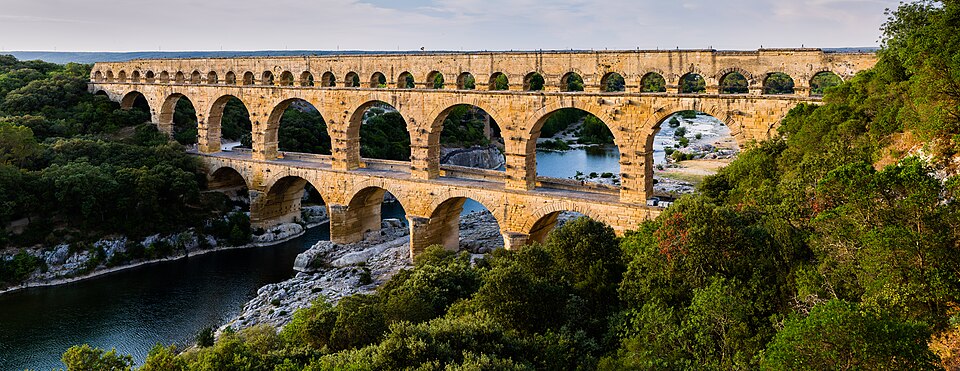
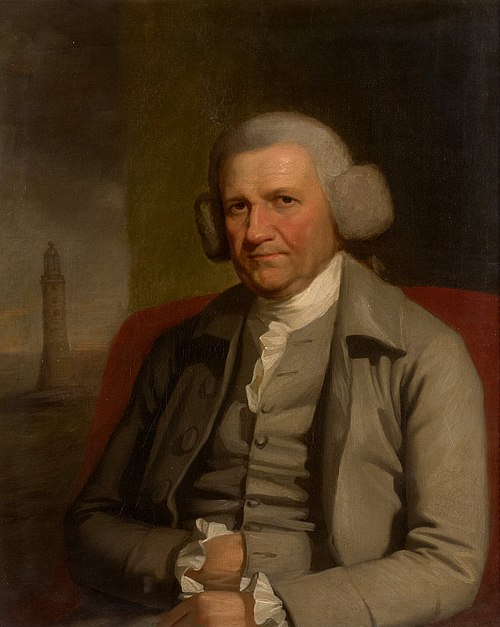
The word is younger than the work. "Civil engineer" was adopted in the 18th century by the Englishman John Smeaton to mark off civilian works — harbors, canals, lighthouses — from the military engineering that had monopolized the title until then. The job itself is as old as cities: Imhotep raised the first monumental stone building at Saqqara around 2650 BCE, Li Bing tamed the Min River for Qin-dynasty China, and Rome's road and aqueduct builders held public office for it.
The route in is unusually uniform worldwide: an accredited engineering degree, several years of supervised practice, then a professional license — the PE in the United States, Chartered status in the UK, and their equivalents elsewhere — because only a licensed engineer may stamp the drawings a public structure is built from. That stamp carries personal legal liability, a chain of accountability reaching back to Hammurabi's Code, which put a builder to death if his house collapsed on its owner.
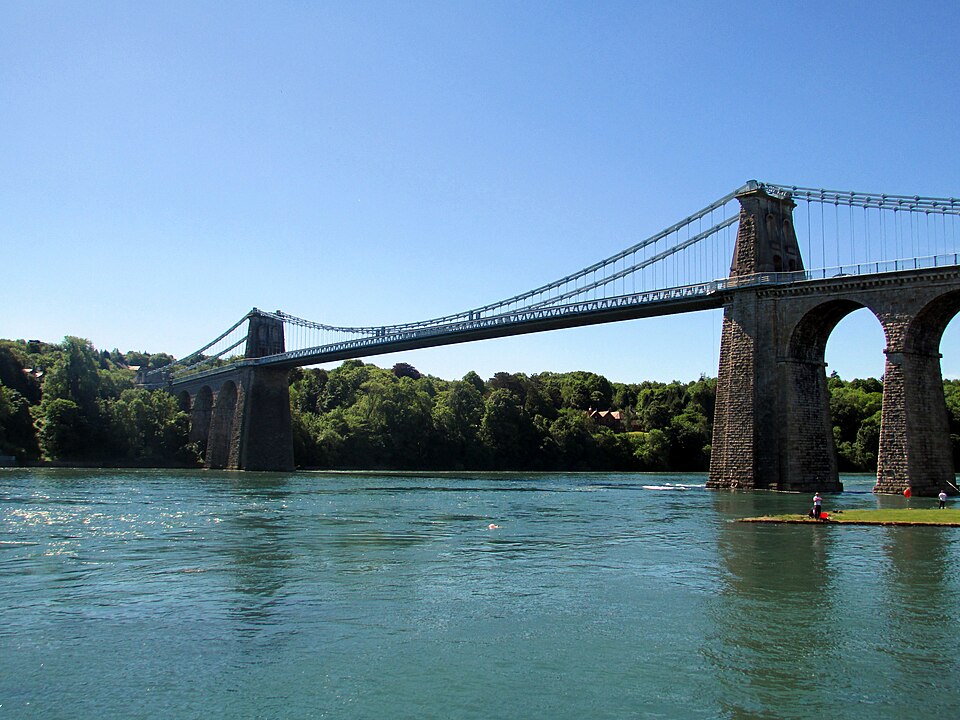
This page follows the trade from the Step Pyramid and the Appian Way through Smeaton's Eddystone Lighthouse, Telford's bridges, the Roeblings' Brooklyn Bridge and Fazlur Khan's tubular skyscrapers. It covers how people actually qualify today across different countries, what a working day split between site and office looks like, the craft rules practitioners pass down, who reached the top of the profession, and how much of the work software, sensors and AI can realistically absorb.
Inside the profession
Civil engineering is the public-facing discipline of making the built world stand, drain, move and endure—where every model eventually meets particular ground, weather, materials and people.
The calculation is only one part
Civil engineers turn a design brief into roads, bridges, buildings, water systems, railways and flood defenses that can be permitted, constructed and maintained. They trace loads, model water and ground behavior, specify materials, review drawings and visit sites. The central professional habit is checking whether a calculated answer is physically plausible: boreholes are samples, concrete arrives with variability, and a construction sequence can change the risk as much as a drawing.
Infrastructure creates many specialties
Structural engineers follow forces through buildings and bridges; geotechnical engineers investigate soil and rock; water engineers manage supply, treatment and flood risk; transport engineers plan networks; construction engineers organize how the design becomes reality. Most engineers specialize, but effective projects require these disciplines to understand one another. A bridge does not care which contractual boundary failed between foundations, drainage, steelwork and inspection.
Responsibility shapes the route in
An accredited engineering degree leads to supervised practice, then professional registration or licensure where an engineer must take legal responsibility for a design. The exact system differs by country, but the principle is durable: drawings for public infrastructure need a named professional who has shown both technical competence and judgment. Site experience is not an optional detour; it is how engineers learn constructability, safety and the limits of assumptions.
Software speeds documents, not accountability
CAD, BIM, finite-element analysis, drones and AI reduce routine drafting, take-offs, code checks and inspection data capture. They can also create dangerous confidence when inputs are wrong. Every project is a full-scale prototype on a specific site, subject to permits, contractors and weather. As automation increases, the role concentrates on reviewing assumptions, resolving unexpected conditions, communicating risk and carrying responsibility for public safety.
How the work branches
Five common shapes of the same title — specialty, setting or career path.
Buildings and bridges
Structural engineer
Designs the members, connections and load paths that keep structures stable under use, wind and earthquakes.
Ground, foundations and tunnels
Geotechnical engineer
Interprets soil and rock uncertainty for foundations, slopes, retaining works and underground construction.
Flooding, drainage and supply
Water-resources engineer
Models water systems and designs infrastructure for treatment, rivers, stormwater and resilience.
Road, rail and urban networks
Transportation engineer
Plans and designs movement systems while balancing safety, capacity, land use and public behavior.
Project delivery
Construction / resident engineer
Coordinates site work, inspections, changes and contractual records so the built work matches a safe design.
How it reads by country
Same craft, different gatekeeping, status and daily texture — rewritten for readers in each language.
United States — licensure and aging infrastructure
State Professional Engineer rules shape responsibility, while public agencies, consultants and contractors offer different career paths. Renewal of aging bridges, water systems and climate resilience are large demand drivers.
South Korea — dense urban and major-project delivery
Urban construction, transport systems and large contractors create fast-paced project environments. Hierarchy and site schedules can strongly affect the daily experience.
Japan — resilience and meticulous construction
Earthquake, flood and aging-infrastructure work makes standards and inspection culture particularly important. Major contractors and public agencies provide established professional pathways.
Germany — technical standards and public works
Strong engineering education, detailed standards and municipal infrastructure create roles across transport, water and industrial construction. Professional practice often emphasizes documentation and regulated process.
United Kingdom — chartership and consultancy
Chartered pathways, large consultancies and infrastructure programs define the market. Design reviews, procurement and public consultation are regular parts of project life.
Singapore — land, water and underground space
A compact city-state makes tunneling, drainage, water security and land reclamation strategic concerns. Public agencies and regional consultants demand careful coordination across constrained sites.
From the archive
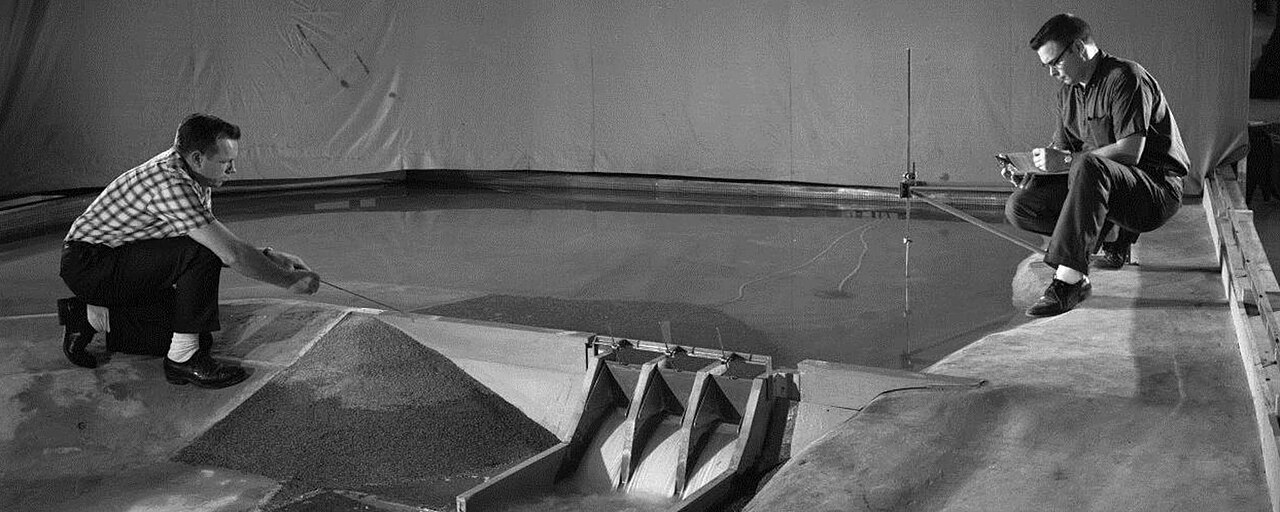
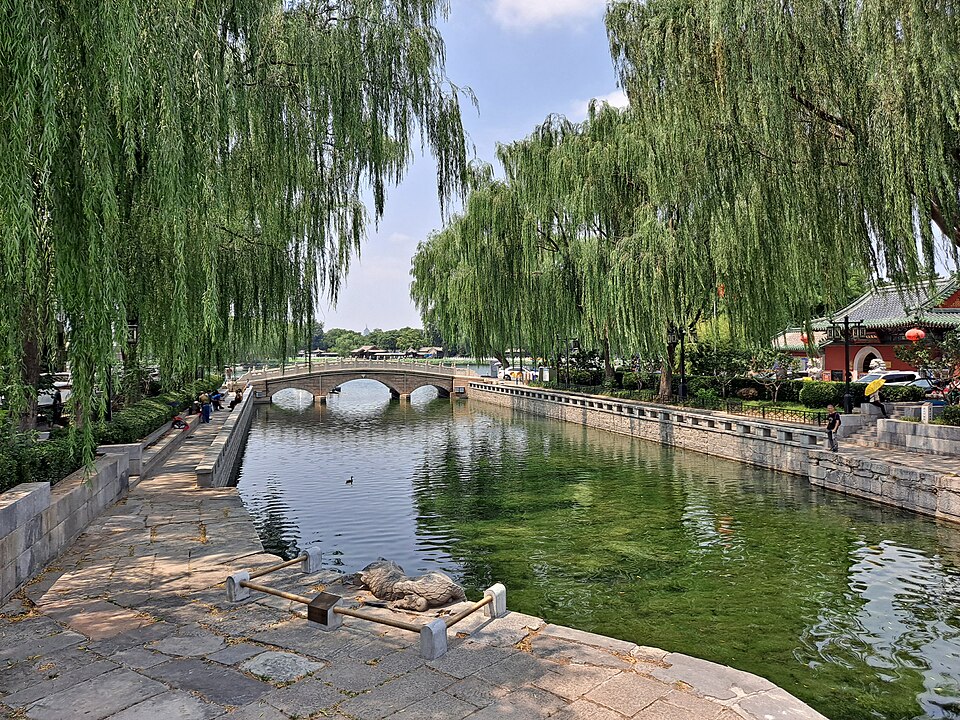
Commons CC/PD images self-hosted for this profession.
Why attitude matters here
A civil engineer's stamp on a drawing is a personal legal claim that the structure will not fail, made years before anyone can test it under real load. Because the failure mode is catastrophic, delayed and often invisible until it happens, attitude toward that stamp matters more than raw technical skill.
The stamp is a personal, permanent legal claim
Only a licensed engineer may certify the drawings a public structure is built from, and that signature carries the engineer's own legal liability, not the firm's alone — a chain of accountability traceable back to Hammurabi's Code, which put a builder to death if a house he built collapsed on its owner. An engineer careless about that signature is gambling with a stranger's safety decades after the project is forgotten.
Nobody re-checks the calculation once it is built
Once concrete is poured or steel is erected, the underlying design assumptions become invisible, buried inside a structure nobody will X-ray again absent a failure. A shortcut taken under deadline or budget pressure — a load case skipped, a safety factor shaved — will not be caught by inspection; it will be caught only by an eventual collapse, if it is caught at all.
The failure arrives on someone else's schedule
A bridge, dam or building can perform correctly for decades before a design flaw manifests under an unusual load — an earthquake, a flood, an overloaded truck. The engineer who cut a corner is often retired, relocated or dead by the time the consequence lands, which removes the ordinary feedback loop that keeps most professions honest and puts the whole burden on the engineer's own standards instead.
Stances that hold up under pressure
Five concrete postures the work rewards, not slogans.
Refuses to sign until it is actually verified
Withholds a stamp on a design until the calculations, load cases and code checks are genuinely complete, even when a client or schedule is pushing for sign-off, treating the signature as a claim of fact rather than a formality to clear.
Walks the site personally rather than trusting the report
Visits the actual construction site to check that rebar spacing, formwork and materials match the drawings, instead of relying solely on a contractor's paperwork, because a discrepancy on site is the one an inspection report can miss entirely.
Reports a defect discovered after handover
Discloses a design or construction problem found after a project is complete and occupied, even though silence would be far less disruptive and might never be traced back, because the structure's safety outranks the engineer's own comfort.
Keeps safety margins the client did not ask for
Holds a conservative safety factor against pressure to trim it for cost, explaining the trade-off in plain terms rather than quietly complying, because the client bears the cost today but the public bears the risk for the structure's whole life.
Documents the reasoning, not just the result
Writes down why a design choice was made, not only what the final numbers are, so a future engineer inheriting the file — after a retrofit, a code change or a failure investigation — can actually understand and re-check the original judgment.
Moments that reveal it
Situations that separate résumé language from how someone actually practices.
A contractor wants to skip a rebar spacing check to keep the pour on schedule
Stopping a pour already underway to verify reinforcement placement costs real time and money immediately, and the concrete will look identical either way once it cures — the difference only shows up if the structure is ever tested to failure.
A client threatens to hire someone else who will sign off faster
An engineer withholding a stamp until analysis is complete can lose the client to a competitor willing to sign sooner. Holding the line here is invisible to everyone except the engineer's own standard, since the replacement's work is rarely compared afterward.
A design flaw surfaces in a structure already built and occupied
Disclosing an error found after handover triggers costly remediation, reputational damage and possible liability exposure. Staying quiet is often not immediately detectable, which is exactly why the choice tests genuine professional standards rather than public performance of them.
A junior engineer is asked to certify a senior colleague's rushed work
Being asked to sign off on calculations someone else produced under time pressure, without the seniority to challenge them comfortably, tests whether an engineer treats the stamp as their own claim or as a formality passed along the chain.
Where "calling" turns harmful
"Duty to the public" used to justify free overtime
Consulting firms competing on price routinely underbid fees, then lean on staff to absorb the gap through unpaid evenings during permit crunches, framed as responsibility to the public rather than a decision to underprice the work. Junior engineers are often pressured to sign off on a senior's rushed design, since raising concerns reads as questioning authority rather than protecting the shared license.
The profile
Resists AI72
Pay62
Barrier to entry55
Autonomy55
Demand80
Impact88
How exposed is it to AI?
Low
A substantial share of the profession's task-hours — drafting, detailing, quantity take-offs, standard code checks, routine inspection data-gathering — is automating now. But every project sits on a unique site with unique ground, the law in every major jurisdiction requires a named, licensed engineer to seal designs and carry liability, and construction remains a physical, negotiated, weather-dependent business. The role concentrates toward judgment; it does not disappear.
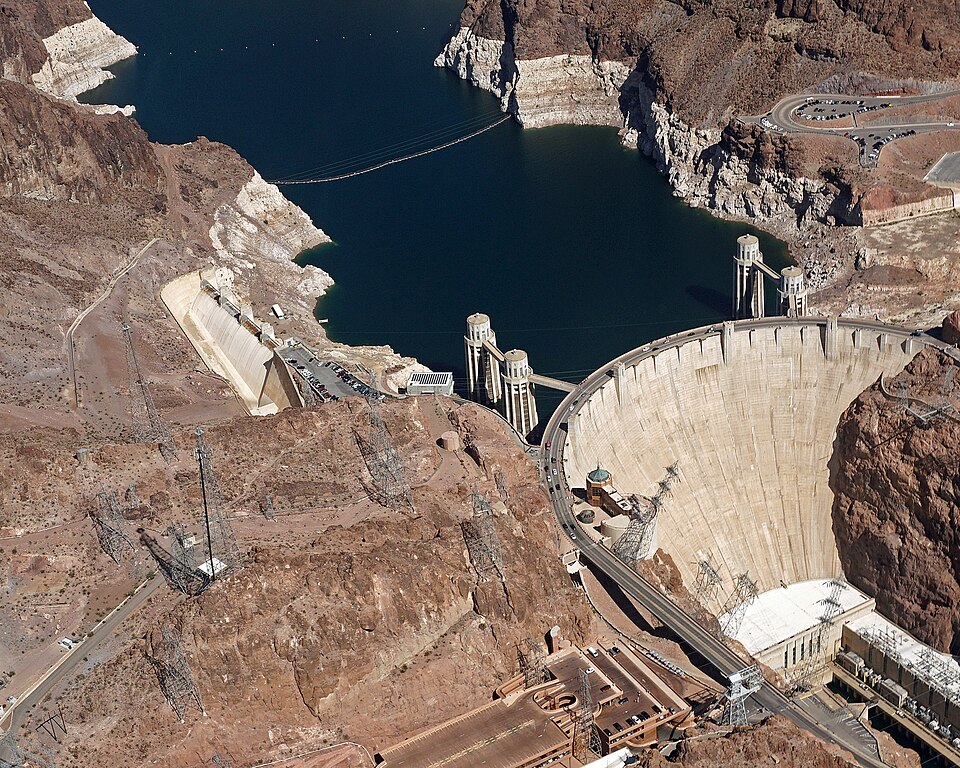
Civil engineers design, permit and supervise the built environment that is not a private building's interior: bridges, roads, railways, tunnels, dams, ports, water and sewage systems, flood defenses and the structure and foundations of buildings. The work splits between office — calculations, models, drawings, reports — and site, where the engineer checks that what is being built matches what was designed and signed for.
Do civil engineers need a license?
To take legal responsibility for a design, yes, almost everywhere. In the United States only a licensed Professional Engineer may stamp and sign drawings; the UK and Commonwealth use Chartered status, Canada the P.Eng, Japan its own national examination. Graduates work for years under a licensed engineer's supervision first, so unlicensed engineers are common — unaccountable ones are not.
How long does it take to become a civil engineer?
A three- to five-year accredited degree gets someone working immediately, which makes this one of the faster professional entries. Full professional standing takes longer: in the US, typically four more years of supervised experience plus two examinations before the PE license; in the UK, an accredited master's and a professional review for Chartered status. Roughly eight years from leaving school to signing your own drawings.
What is the difference between a civil engineer and an architect?
An architect shapes what a building looks like and how people use its spaces; a civil or structural engineer makes it stand up — sizing the beams, columns and foundations, checking wind, earthquake and ground behavior against building codes. On infrastructure such as bridges, dams, highways and water systems there is usually no architect at all: the engineer carries the whole design.
How much do civil engineers earn?
The US median was about $96,000 in 2023 according to the Bureau of Labor Statistics, with licensed principals at large consultancies earning well past $200,000. Chartered engineers in the UK typically earn £45,000–£65,000; Switzerland pays among the highest rates in Europe; in India salaries are far lower in nominal terms but the infrastructure boom has made experienced engineers scarce.
Is civil engineering in demand?
Steadily, and for structural reasons. The G20's Global Infrastructure Hub estimated in 2017 that the world needs about $94 trillion of infrastructure investment by 2040, and much of the rich world's existing stock — the American Society of Civil Engineers graded US infrastructure a C in 2025 — is aging faster than it is replaced. Climate adaptation is adding flood, coastal and drainage work on top.
Will AI replace civil engineers?
Parts of the work, not the role. Drafting, quantity take-offs, code checking and analysis iteration are automating quickly, and drones and sensors now gather inspection data people once collected by hand. But the ground never exactly matches the borehole log, every site is a one-off, and the law requires a named, licensed human to carry responsibility for public safety. That accountability has no automated substitute.
What are the main specializations?
Structural engineering (buildings and bridges), geotechnical (soil, rock and foundations), transportation (roads, rail, traffic), water resources and environmental (supply, treatment, flooding), coastal and maritime, and construction engineering, which manages how designs actually get built. Most engineers pick a lane within a decade of graduating; the license and the degree, though, usually still say simply "civil."
Embed this ranking
Paste this code into your blog or site — the ranking stays up to date.