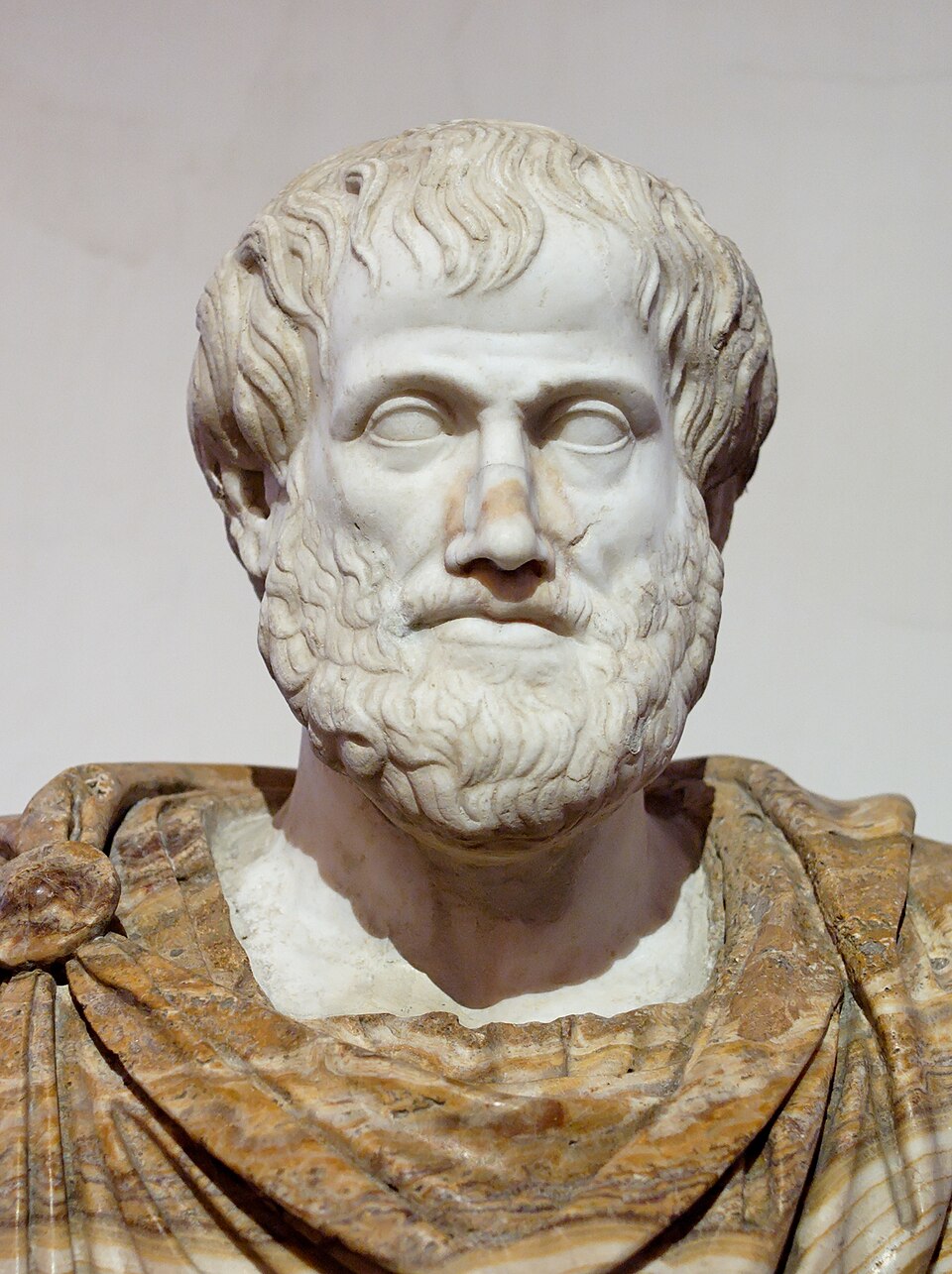
c. 350 BCEAristotle catalogues the animal kingdom
Aristotle's History of Animals describes roughly 500 species based on his own dissections, organizing them by structure and behavior into groups later naturalists recognized as an early form of classification; his student Theophrastus produced a parallel study of plants.
1665Hooke names the "cell"
Examining a sliver of cork under a microscope he had built himself, Robert Hooke saw tiny walled compartments and called them "cells" after the small rooms monks lived in, publishing the observation in his richly illustrated Micrographia — the first recorded use of the word in biology.
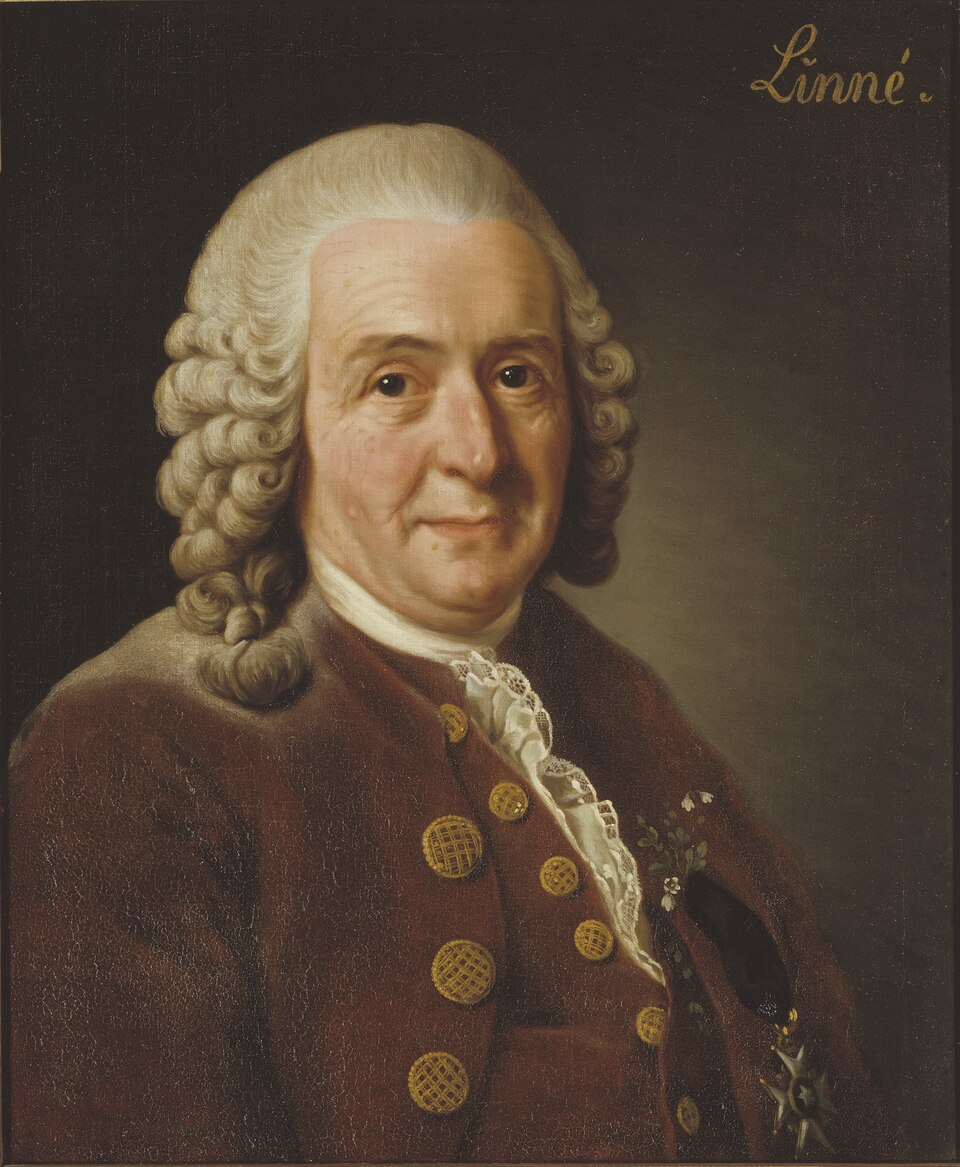
1735Linnaeus publishes Systema Naturae
Carl Linnaeus's Systema Naturae introduced a standardized two-part Latin name for every species and a nested hierarchy of ranks — kingdom, class, order, genus, species — replacing the long, inconsistent descriptive names naturalists had used before, a system still in use essentially unchanged.
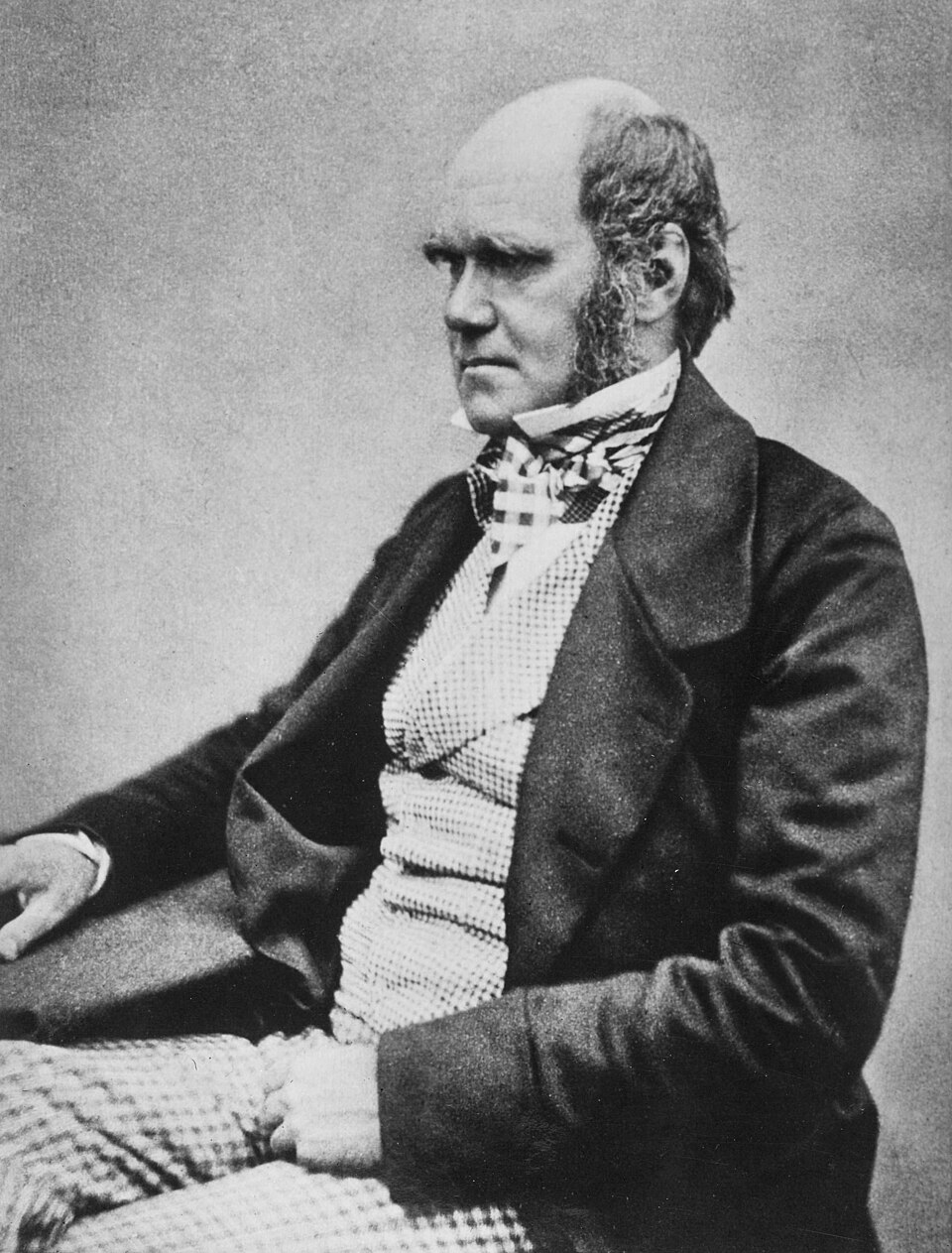
1858–1859Darwin and Wallace announce natural selection
After Alfred Russel Wallace independently sent Charles Darwin a manuscript outlining the same theory Darwin had held unpublished for two decades, their work was jointly read at London's Linnean Society in July 1858; Darwin's On the Origin of Species followed in November 1859.
1865–1866Mendel presents the laws of inheritance
After eight years cross-breeding roughly 28,000 pea plants in his Brno monastery garden, Gregor Mendel presented statistical laws of inheritance to the local Natural History Society; published in 1866 in an obscure regional journal, the work went almost unread for 34 years.
1859–1864Pasteur disproves spontaneous generation
Using sealed swan-neck flasks that let air in but kept out airborne dust and microbes, Louis Pasteur showed that sterilized broth stayed sterile indefinitely, disproving the ancient idea that living organisms spontaneously arise from non-living matter and laying groundwork for germ theory.
1953The double helix, and Photograph 51
Building on X-ray diffraction images taken at King's College London — chiefly Rosalind Franklin's Photograph 51, shown to James Watson by colleague Maurice Wilkins without her knowledge — Watson and Francis Crick proposed DNA's double-helix structure; three linked papers appeared together in Nature that April.
1983Mullis conceives PCR
Driving along a California highway, biochemist Kary Mullis worked out a way to exponentially copy a chosen stretch of DNA using repeated heating and cooling cycles — the polymerase chain reaction, developed at Cetus Corporation, which turned faint traces of DNA into quantities labs could actually study.
1990–2003The Human Genome Project
An international public consortium, racing a private effort led by Craig Venter's Celera Genomics, sequenced essentially the entire human genome over thirteen years at a public cost of roughly $2.7 billion, publishing a substantially complete sequence in April 2003.
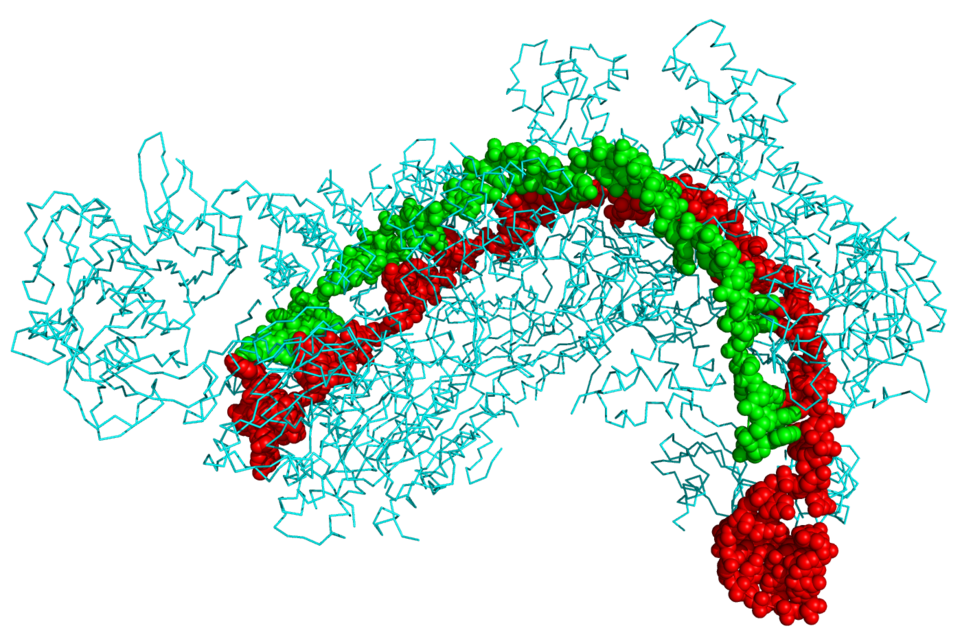
2012CRISPR-Cas9 becomes a programmable editing tool
Jennifer Doudna and Emmanuelle Charpentier published evidence that the CRISPR-Cas9 bacterial immune system could be reprogrammed with a single guide RNA to cut any chosen DNA sequence, turning a bacterial antivirus defense into the cheapest and fastest gene-editing method yet built.