Advises clients, drafts the documents that bind them, and argues their case when it reaches court — carrying personal legal liability if the advice is wrong.
Lawyer: Advises clients, drafts the documents that bind them, and argues their case when it reaches court — carrying personal legal liability if the advice is wrong.
A lawyer advises clients on what the law allows, drafts the documents that make agreements binding, and, for those who litigate, argues a client's case before a judge or jury. In most legal systems the license is protected by law: only someone formally admitted to the bar or law society may use the title, sign certain documents, or represent another person in court, and that person carries personal legal liability if the advice they give turns out to be wrong.
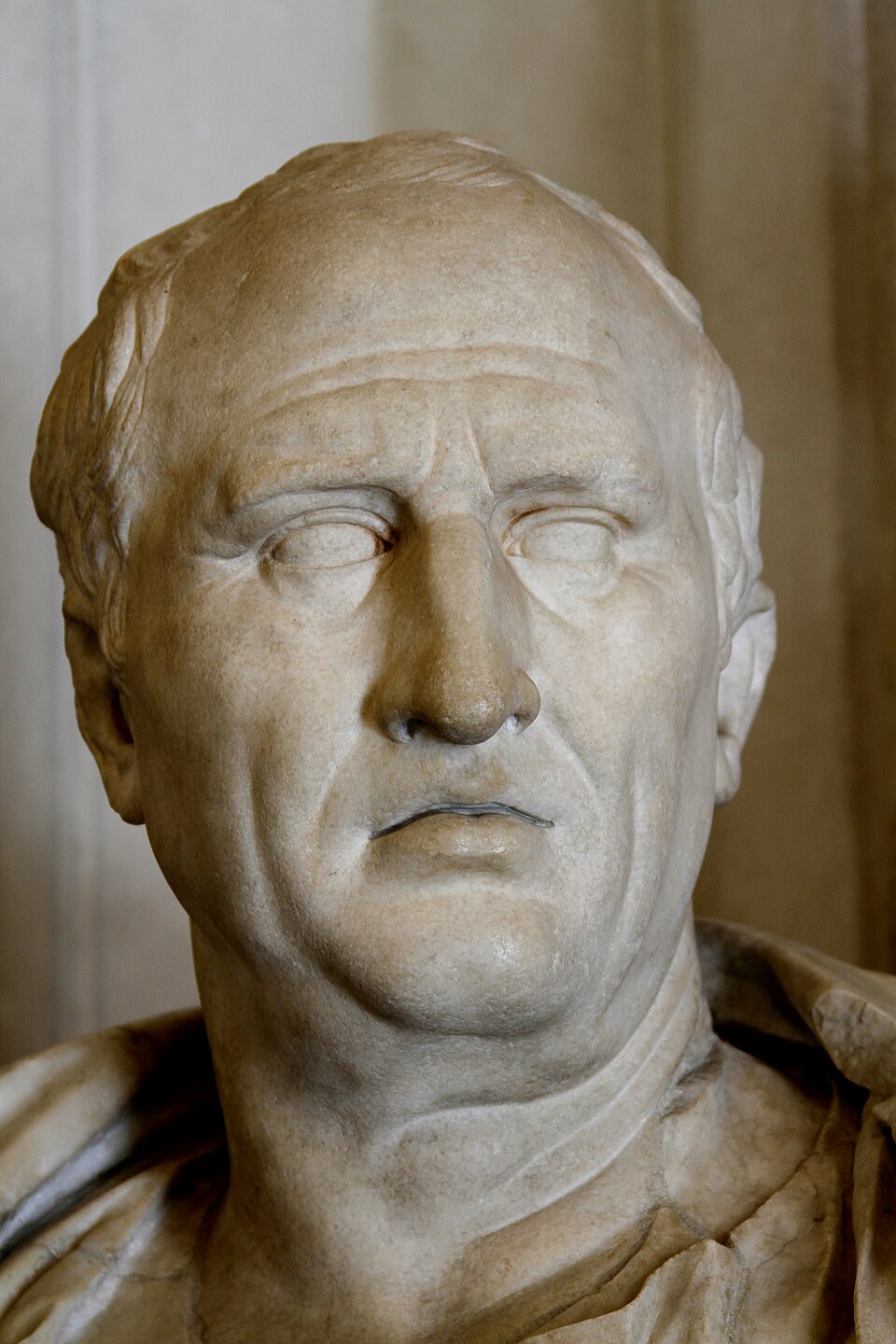
The profession is old enough that ancient Athens tried to prevent it from existing at all, requiring litigants to speak for themselves — a rule quickly worked around by paid speechwriters. Rome split advocacy from legal scholarship, and England later split the profession again into barrister and solicitor, a divide it still keeps while most of the world does not. Training, licensing and pay vary sharply by country: a first-year associate at a major US firm can earn several times a solicitor's starting salary in London.
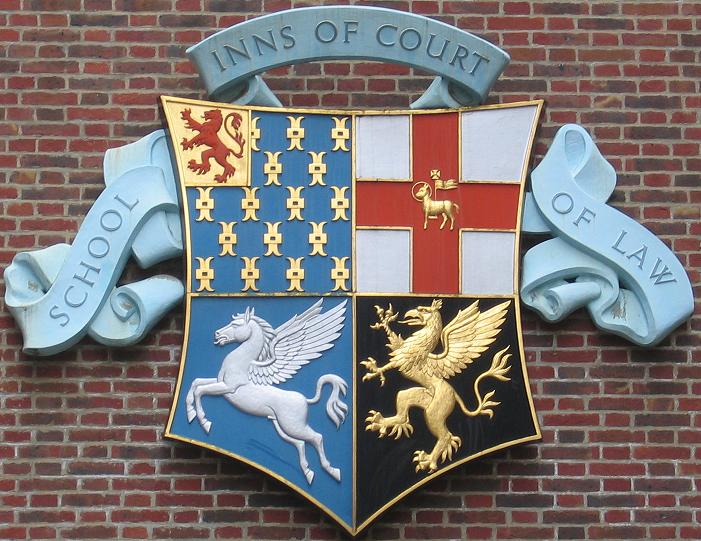
This page traces the lawyer from Antiphon's Athens and Rome's advocati through the Inns of Court and the modern billable hour to today's software-driven practice. It covers how lawyers train, what the work actually looks like day to day, who its most celebrated figures are, and how exposed the profession is to AI — a live question now that software can draft a contract or summarize a discovery production in minutes, though someone still has to argue the case and carry the liability if it goes wrong.
Inside the profession
Lawyers turn law into usable advice, documents and arguments for people who cannot afford to misunderstand the rules. Most of the craft happens before court: finding authority, defining risk, negotiating terms and accepting personal responsibility for the answer.
Law as applied judgment
A lawyer does not merely recite a statute. The work is to identify which facts matter, find the controlling authority, recognize uncertainty and tell a client what can realistically be done. That may mean explaining that a strong moral grievance has a weak legal remedy, or that a technically defensible position is commercially disastrous. Research requires more than search: cases must be checked to see whether later courts limited or overturned them, which is why citators such as Shepard's and KeyCite remain basic tools. The license matters because advice changes decisions and exposes the adviser to professional discipline and malpractice liability.
Writing is the hidden courtroom
Fiction favors cross-examination, but much legal power is exercised in letters, contracts, memos, filings and tracked changes. A clause can allocate a risk before a dispute exists; a clearly framed brief can shape a judge's thinking before oral argument starts. Good drafting makes the practical consequence legible to someone who is not a lawyer, while preserving the precision needed if a dispute later reaches court. Transactional lawyers test definitions, remedies and exit routes; litigators organize facts and evidence for an adversary's best argument. The craft is disciplined writing under deadlines, not decorative legal language.
Advocacy without theatrics
Courtroom advocacy is live reasoning under rules. A lawyer must know the record, make timely objections, question without inviting damaging surprises and adapt when a judge signals skepticism. Yet most disputes settle, which makes negotiation as central as trial skill. Counsel translate a client's aims into offers, concessions and non-negotiable lines while reading the incentives of the other side. Ethics places limits on zeal: confidentiality, conflicts of interest, candor to the tribunal and duties to the client can pull in different directions. The best outcome may be a quiet settlement that lets a client keep trading, working or moving on.
The profession changes, responsibility remains
Legal work has always absorbed new tools, from printed reporters to Lexis, Westlaw and technology-assisted review. Generative systems now create a first draft of an NDA or summarize a document production quickly, but they can invent citations, miss jurisdictional nuance and cannot hold a license. That shifts junior work from producing a blank-page draft to checking an imperfect one—a real training challenge. It also puts pressure on billing models built around time. The enduring work is accountable judgment: deciding whether output is reliable, advising a client under uncertainty and standing behind a filing with a human name.
How the work branches
Five common shapes of the same title — specialty, setting or career path.
Courts, tribunals and arbitration
Litigator
Builds cases through pleadings, evidence, motion practice, negotiation and, sometimes, trial or appeal.
Firms and in-house legal teams
Transactional lawyer
Structures deals, contracts, financings and corporate changes to prevent or allocate future disputes.
Criminal justice systems
Public defender or prosecutor
Works within constitutional procedure, high-volume courts and decisions that directly affect liberty.
Companies and charities
In-house counsel
Combines legal analysis with business context, managing risk before outside lawyers need to be hired.
Community organizations and public-interest practice
Legal-aid or human-rights lawyer
Represents people facing barriers to housing, immigration, benefits or equal treatment, often with constrained resources.
How it reads by country
Same craft, different gatekeeping, status and daily texture — rewritten for readers in each language.
JD, bar and market segmentation
US lawyers usually qualify through a JD and state bar admission, then practice in a system split sharply between large firms, government, in-house teams and legal aid. Billable hours, discovery and state-specific procedure set the daily texture; the license is state-gated.
The 변호사 pathway
South Korean lawyers pass through law-school and national qualification structures, then enter firms, courts, prosecution or corporate teams. Bar status is prestigious and competitive; hierarchy, document-heavy practice and Seoul-centered legal markets shape everyday career choices.
Bengoshi and the Legal Training Institute
Japan's bengoshi qualify through the national bar examination and Legal Training and Research Institute. The title carries strong gatekeeping, and practice often combines careful document work, client counseling and court-centered procedures inside a formal professional culture.
Two state examinations
Germany's Volljurist route requires a university law degree, First State Examination, Referendariat and Second State Examination. This demanding gate opens advocacy, judiciary and public-service paths; precise written analysis and civil-law doctrine dominate the daily craft.
Solicitor and barrister routes
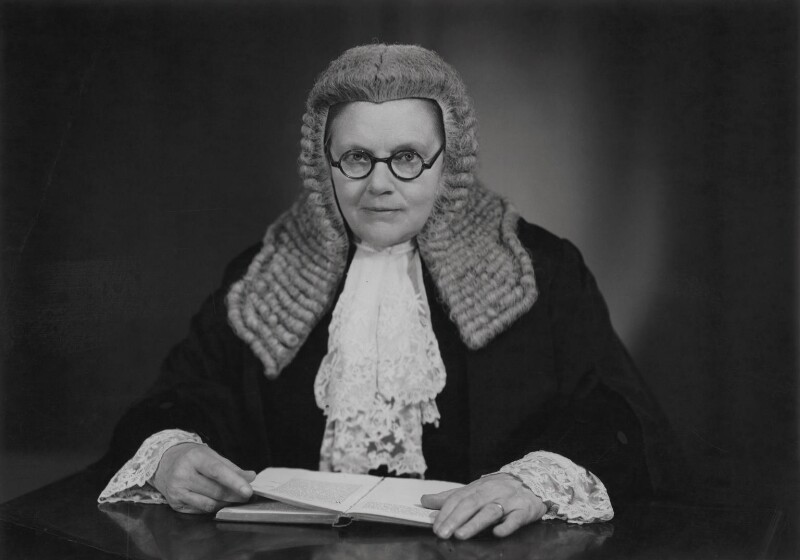
England and Wales retain a visible split between solicitors and barristers. SQE and qualifying work experience gate solicitors, while barristers need an Inn of Court, Bar training and pupillage; NHS-like public legal work and City firms offer very different lives.
A cross-border legal hub
Singapore admission is tightly regulated through approved legal education, examinations and practice training. Lawyers work in a multilingual commercial hub where arbitration, finance and regional transactions confer status, while local-court rights and foreign-practice rules remain carefully policed.
From the archive
Commons CC/PD images self-hosted for this profession.
Why attitude matters here
A lawyer's license lets one signature bind a stranger to a contract or send a filing that a court will treat as true. Nothing in the work checks that judgment in real time except the lawyer's own discipline, which is why attitude, not raw legal knowledge, decides most outcomes.
The client cannot verify the advice until it is too late
A client hiring a lawyer is buying judgment they cannot evaluate themselves — that is the entire reason they came. If the lawyer skims the statute, skips the citator check or guesses at a deadline, the client has no way to know until the case is already lost, the deal already signed, or the statute of limitations already run. Competence has to be self-policed because the person paying for it structurally cannot audit it in advance.
Deadlines and privilege carry no second chance
Courts rarely forgive a missed filing window, and a leaked confidence cannot be unleaked. Both failures are attitude failures more often than knowledge failures: the lawyer who treats a routine deadline as routine, rather than as the one thing standing between a client and a permanently barred claim, is the one who misses it. The rules are simple; sustaining the vigilance to follow them on the thousandth case, not just the first, is not.
Adversarial pressure rewards whoever cuts corners first
Litigation and negotiation are structured so that shading a fact, padding a bill or overstating a case's strength can work in the short term, and the opposing side is actively trying to catch it rather than correct it. A lawyer who treats candor to the court and the client as negotiable the moment it is inconvenient degrades the whole system's ability to function, one small compromise at a time, long before any bar complaint catches up.
Stances that hold up under pressure
Five concrete postures the work rewards, not slogans.
Shepardizes before relying on anything
Checks every case citation against a citator to confirm it has not been narrowed or overturned before it goes into a filed brief, even under deadline pressure, rather than trusting a remembered holding or a quick database hit.
Says no to cases outside real competence
Declines or refers out a matter that falls outside actual experience rather than learning on a paying client's file, and tells the client plainly why, instead of accepting the fee and hoping the gap does not show.
Discloses the conflict before it is asked about
Raises a potential conflict of interest with the client and the firm proactively, even when silence would be easier and might never be noticed, because the duty runs to the client's interest, not to whether the conflict is likely to surface.
Delivers the bad odds honestly
Tells a paying client that their case is weak, their grievance has no remedy, or their preferred strategy is worse than the alternative, even when the client wants to hear the opposite and a softer answer would keep the relationship comfortable longer.
Bills for time actually spent
Records hours to the honest increment rather than rounding upward under the six-minute billing convention, and pushes back internally when firm targets implicitly reward the opposite, treating the invoice as a account of real work, not a target to hit.
Moments that reveal it
Situations that separate résumé language from how someone actually practices.
A filing deadline falls at midnight and no one else will check it
There is no supervisor watching a solo practitioner's calendar at 11 p.m. What gets filed on time when nobody would immediately notice a one-day slip separates the lawyer who treats the calendar as sacred from the one who treats it as aspirational.
A client wants a fact shaded, not fabricated, in a sworn filing
The request is small — describe an ambiguous email as clearly supportive, characterize a delay as the other side's fault when it was mutual. Refusing costs the relationship goodwill in the room; agreeing costs candor to the tribunal, a duty no client is present to enforce.
The case is a loser but the client insists on fighting it
Continuing to litigate a claim the lawyer privately believes will fail, because the client is paying and insistent, tests whether the lawyer keeps giving honest odds update by update or lets the billing keep running on a case both sides quietly know is over.
The lawyer discovers their own drafting error after signing
A missed exception in a contract or a miscalculated deadline surfaces after the document is executed. Telling the client immediately, before it becomes an emergency, versus hoping it never matters, is the moment that separates a lawyer's stated ethics from their practiced ones.
Where "calling" turns harmful
"Zealous advocacy" as cover for unsustainable hours
Large firms built around the billable hour frame extreme hours as devotion to the craft rather than a model that profits from associates working more, not better. Public defenders and legal-aid lawyers are often told their caseloads are manageable because "you went into this to help people" — language that discourages raising unsafe workloads or organizing for relief.
The profile
Resists AI58
Pay74
Barrier to entry85
Autonomy60
Demand72
Impact88
How exposed is it to AI?
Moderate
Roughly two-fifths of the profession's work — document review, first-draft contracts, legal research summaries and due-diligence flagging — is already well suited to automation, and a widely cited 2023 Goldman Sachs analysis ranked legal services among the most exposed white-collar fields to generative AI. The remainder depends on courtroom persuasion, client judgment and a personal legal liability no software can hold, which keeps the profession's overall exposure moderate rather than severe.
In most common-law countries it's five to seven years: a three-year undergraduate law degree, or a US-style JD after an unrelated bachelor's, plus one to two years of vocational training and supervised practice before bar admission. Civil-law countries often add a mandatory post-degree clerkship, so the full path to genuinely independent practice frequently runs seven to nine years.
What is the difference between a barrister and a solicitor?
In England and a handful of Commonwealth countries, the profession is legally split: solicitors handle client relationships, contracts and case preparation, while barristers specialize in courtroom advocacy and are usually instructed by a solicitor rather than hired directly by the public. Most other countries, including the United States, merge both functions into a single lawyer or attorney role.
Do you need a law degree to practice law everywhere?
No. A small number of US states, including California and Vermont, still allow candidates to sit the bar exam after several years of supervised 'reading the law' in a practicing attorney's office instead of law school, and England's Solicitor Apprenticeship lets school-leavers qualify over six years while working. Most countries, though, require an accredited law degree.
How much do lawyers earn?
It varies enormously by country and setting. The US Bureau of Labor Statistics put the median annual wage for American lawyers at $145,760 in May 2023, ranging from roughly $66,000 for the lowest-paid tenth to over $239,200 for the highest-paid tenth; first-year associates at major US firms now start above $225,000, while public-interest and small-town lawyers earn far less.
Is being a lawyer safe from AI automation?
Partly. Document review, first-draft contracts and legal research summaries are already heavily automated, and a widely cited 2023 Goldman Sachs analysis ranked legal services among the most exposed white-collar fields to generative AI. What survives is what carries legal liability and requires live judgment: courtroom advocacy, client counseling, negotiation and ultimately the license a human alone can hold.
What's the difference between a lawyer and an attorney?
In the United States the terms are used almost interchangeably, though 'attorney' technically emphasizes someone licensed and authorized to act on a client's behalf, while 'lawyer' more broadly describes anyone trained in law. In other English-speaking countries, 'counsel', 'advocate' or 'solicitor' are the preferred formal titles instead of either American term.
What is the billable hour, and why do lawyers complain about it?
It's a pricing model, standard at most law firms since the mid-twentieth century, where clients are charged for each increment of a lawyer's time — usually tracked in six-minute units — rather than a flat fee. Critics say it rewards slowness over efficiency and pressures lawyers toward long hours and inflated time entries just to hit firm targets.
Can anyone call themselves a lawyer, or is the title protected?
In most countries 'lawyer', 'attorney', 'solicitor' or 'barrister' are legally protected titles; using one without a valid license to practice is illegal and can carry criminal penalties. Someone can hold a law degree and work in legal research or paralegal roles for years, and still be barred from calling themselves a lawyer or representing clients in court without formal bar admission.
Embed this ranking
Paste this code into your blog or site — the ranking stays up to date.