The sworn officer who patrols, investigates and keeps the peace, from Vidocq's undercover detectives and Peel's 1829 constables to today's contested public trust.
Also called: Law enforcement officer · Constable · Patrol officer
Police Officer: The sworn officer who patrols, investigates and keeps the peace, from Vidocq's undercover detectives and Peel's 1829 constables to today's contested public trust.
"Police" traces back to the Greek politeia, the ordering of a city's public life, and for most of history that ordering was everyone's job. Anglo-Saxon tithings owed each other the "hue and cry"; Rome's vigiles patrolled at night against fire and theft; English parishes drafted unpaid, untrained watchmen under the 1285 Statute of Winchester. There was no single officer whose job was to police a community; it was a shared, often reluctant, communal duty.
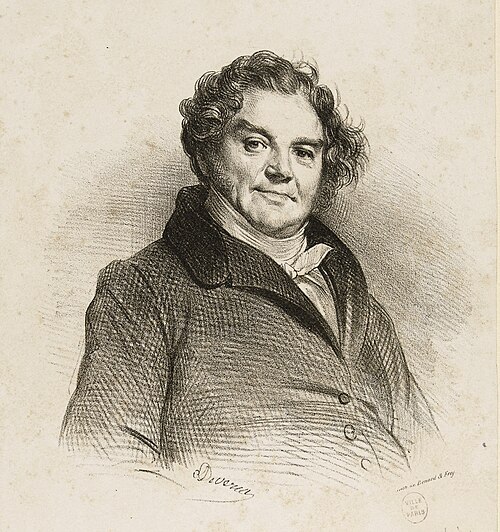
The full-time, salaried, uniformed officer is a comparatively recent invention. It grew out of a messier eighteenth-century transition — private, reward-driven thief-takers, Bow Street's paid Runners, Vidocq's ex-convict detectives in Paris — before Robert Peel's 1829 Metropolitan Police tried something new: a civilian force whose authority rested on earning public cooperation rather than compelling it by force. That founding bargain, policing by consent, is still the standard the job is judged against, and still the one it periodically fails to meet.
This page follows the job from Rome's vigiles and London's hanged thief-taker Jonathan Wild through Peel's nine principles, Bertillon's and Vucetich's forensic breakthroughs, and Vollmer's scientific reforms, to Miranda rights, body cameras and the legitimacy crisis intensified by George Floyd's killing in 2020. It covers how people actually enter the job today, what a patrol shift demands, who shaped the profession, and how much of the work cameras and algorithms can realistically take over.
Inside the profession
A police officer is entrusted with unusually direct public power: to investigate, detain and, in narrowly defined circumstances, use force. The profession is therefore measured not only by crime response but by restraint, procedural fairness and whether communities believe the authority is being used legitimately.
Authority earned in an encounter
Modern policing inherited a consent-based ideal from the 1829 Metropolitan Police: public cooperation is more durable than fear. On a call, an officer must rapidly sort incomplete information—who is at risk, whether a crime occurred, what law applies, and whether a calm conversation can avert force. The legal thresholds of reasonable suspicion, probable cause and necessity matter, but so do voice, distance, patience and clear explanation. A stop that ends safely may look unremarkable; a poorly judged one can harm a person, destroy trust and become evidence. Discretion is the profession's most consequential tool.
From call to defensible record
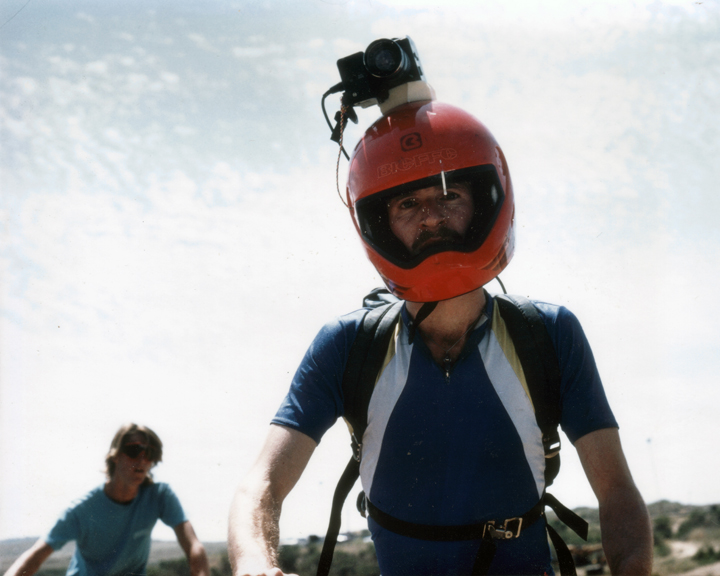
Patrol work moves between emergencies, welfare checks, traffic incidents, disputes, victims, witnesses and long quiet stretches. The first officer protects life, secures a scene, gathers initial facts and decides who else is needed: detectives, paramedics, child-protection staff or crisis teams. A report then becomes the bridge to prosecutors, defense lawyers and courts months later. Body-worn cameras, radio logs and digital evidence make encounters more reviewable, but they do not replace accurate observation. Officers are taught to document facts rather than conclusions, preserve evidence and explain the lawful basis for each material decision.
De-escalation and the use-of-force burden
The job includes danger, but it also includes many situations where force would make danger worse. De-escalation means slowing an encounter when possible, using specific lawful instructions, asking for backup and recognizing mental-health, intoxication or family-crisis dynamics. It does not guarantee safety, and it cannot erase the need for training in defensive tactics. Still, force carries a burden of necessity, proportionality and accountability. The officer must make a decision in seconds that supervisors, courts, communities and video viewers may analyze for years. That asymmetry makes emotional control and after-action review central professional skills.
Trust, trauma and reform
Policing is not one occupation everywhere. Some officers spend careers on a neighborhood beat; others investigate cybercrime, work domestic violence, manage borders or lead major inquiries. Repeated exposure to injury, death and conflict can produce cumulative trauma, while organizational cultures can reward silence over asking for help. Reform efforts—from the UK's PEACE interviewing model to body cameras and independent oversight—try to make authority more transparent, but technology alone cannot create legitimacy. The continuing professional question is simple and hard: how can an officer protect people while being accountable to the same public they are empowered to constrain?
How the work branches
Five common shapes of the same title — specialty, setting or career path.
Local streets and emergency dispatch
Patrol officer or constable
Responds first to calls, conducts initial investigations and provides visible public safety presence.
Criminal-investigation units
Detective
Develops cases over weeks or months through interviews, evidence, digital records and coordination with prosecutors.
Neighborhood teams and schools
Community policing officer
Builds long-term local relationships, problem-solves recurring harm and works with civic services beyond enforcement.
Road networks and collision units
Traffic or road-policing officer
Enforces road law, investigates collisions and manages dangerous driving through visible and automated tools.
Cybercrime, forensics, child protection or intelligence
Specialist investigator
Uses technical or safeguarding expertise in roles often far removed from routine patrol.
How it reads by country
Same craft, different gatekeeping, status and daily texture — rewritten for readers in each language.
Local departments and POST
US policing is fragmented across municipal, county, state and federal agencies, with state POST systems commonly gatekeeping academy certification. Patrol officers work amid local politics, union rules, body-camera policy and litigation risk; training length and authority vary widely by jurisdiction.
National Police Agency structure
South Korea's police operate through a national system with local implementation, combining academy entry with civil-service hierarchy. Public order, dense urban response and intense scrutiny after major incidents shape daily status, while promotion and specialist assignment remain strongly organizational.
Koban and national coordination
Japanese officers commonly begin with police-box, or kōban, duties that make visible neighborhood contact part of the job. Training and promotion sit in a national-prefectural system; meticulous reporting, rotating shifts and community information-gathering give the work a distinct texture.
State police as civil servants
Germany's Länder police forces train officers through a longer civil-service pathway and formal career examinations. Beamte status, legal proportionality and structured ranks shape authority; patrol work sits alongside specialized criminal police and strong procedural expectations.
Constable independence and vetting
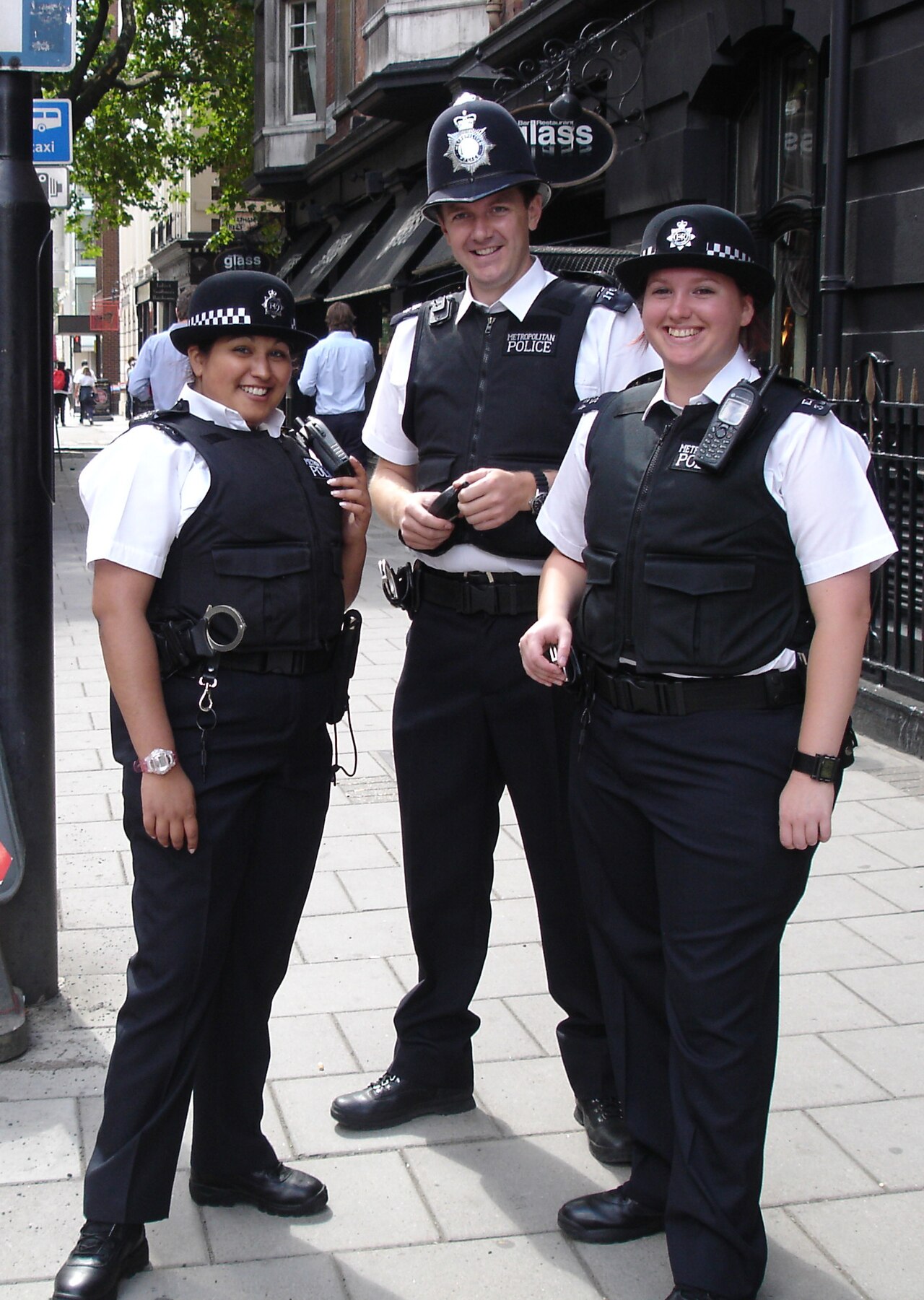
UK constables are recruited by territorial forces and hold an independent office rather than simply carrying out political orders. Vetting, professional policing qualifications, custody procedure and oversight are prominent; shift work and demand pressure coexist with the consent-policing ideal.
A centralized public-security model
Singapore Police Force officers operate in a centralized, highly regulated public-security system. Recruitment, training and advancement are closely managed, while public-order expectations, multilingual communication and low tolerance for procedural lapses shape daily professional status.
From the archive
Commons CC/PD images self-hosted for this profession.
Why attitude matters here
A patrol officer makes force, arrest and discretion decisions alone, in seconds, with no supervisor present to check the judgment before it is exercised. That gap between the moment of decision and any later review is exactly where attitude, not training alone, determines whether a call ends safely or badly.
The decision happens before anyone can check it
An officer decides whether to draw a weapon, make an arrest or walk away in the seconds a domestic dispute or traffic stop is unfolding, long before a supervisor or body camera transcript can weigh in. Training supplies the options; the officer's own restraint or fear in that second decides which gets used. A well-trained officer with poor judgment under pressure is more dangerous than a less-trained one who de-escalates by instinct.
Discretion is the job, and it is almost unreviewable
Whether to cite, arrest, warn or ignore a minor violation is left to the officer's judgment call by call, thousands of times over a career, and most of those calls are never scrutinized by anyone. An officer who lets bias, boredom or a bad mood steer that discretion can do sustained harm to a specific neighborhood for years before a pattern becomes visible in any statistic.
The uniform grants authority the public has to keep trusting
Policing by consent, the model Robert Peel built in 1829, depends on the public believing officers will use force and authority proportionately without a court checking every stop in advance. Each officer's daily conduct either sustains or erodes that trust bank for the whole department, which is why an individual officer's demeanor at a routine stop carries weight far beyond that single interaction.
Stances that hold up under pressure
Five concrete postures the work rewards, not slogans.
De-escalates before reaching for force
Slows a tense encounter down with distance, time and voice before escalating to physical control, treating force as the last option tried rather than the first one reached for when a subject is uncooperative but not dangerous.
Writes the report the camera would support
Documents a use-of-force incident with the same detail whether or not body-camera footage exists to check it, rather than shading the narrative toward the version most likely to be approved when no independent record is available.
Treats the routine call at 3 a.m. like the one at 3 p.m.
Gives a late-night domestic disturbance or a minor complaint the same attention and patience as a call made during a shift's fresh early hours, instead of letting fatigue or irritation shorten the response a tired officer can get away with.
Intervenes when a partner crosses a line
Steps in or reports when a fellow officer uses excessive force or violates procedure, rather than staying silent to preserve the partnership, treating the duty to intervene as a real obligation rather than a policy line nobody actually enforces.
Explains the stop instead of just asserting authority
Tells a driver or pedestrian why they were stopped and what happens next, rather than relying on the badge alone to end questions, because a stop that is explained is far less likely to escalate than one that is simply commanded.
Moments that reveal it
Situations that separate résumé language from how someone actually practices.
A use-of-force report where the camera angle missed the key moment
Nothing but the officer's own account fills the gap in the footage. Writing exactly what happened, including the parts that complicate the justification, rather than the cleaner version the missing angle makes possible, is where real practice shows.
Backup is ten minutes out and the situation is deteriorating
Alone with a volatile subject and no one to defer to, an officer's actual training and temperament show through immediately — whether they buy time and de-escalate or force a resolution before help arrives because waiting feels unbearable.
A colleague bends a minor rule and nobody else saw it
A partner pads an overtime slip, skips a required check, or roughs up an already-subdued suspect slightly. Reporting it costs a working relationship built on trust; ignoring it costs the standard the badge is supposed to represent.
A subject resists and is subdued, and the story could go either way
Once the physical incident is over, the only remaining question is what goes in the paperwork — the accurate account of an ambiguous struggle, or the version that reads most cleanly and draws the least scrutiny from command.
Where "calling" turns harmful
"The thin blue line" as cover for the blue wall of silence
Loyalty language — backing your partner, the thin blue line separating order from chaos — is real and sometimes earned, but departments also use it to punish officers who report misconduct, treating a whistleblower as a traitor to the badge rather than someone upholding it. The same rhetoric justifies mandatory unpaid overtime during short-staffed shifts and frames objections to unsafe policy as disloyalty rather than legitimate concern.
The profile
Resists AI66
Pay38
Barrier to entry40
Autonomy58
Demand60
Impact85
How exposed is it to AI?
Moderate
A substantial share of policing's routine, repetitive tasks — traffic and speed enforcement, license-plate tracking, some patrol-allocation decisions, first-pass report drafting — is already being automated or software-assisted. The core of the job, the legal authority to use force and the judgment required to apply it under ambiguous, fast-moving conditions, remains outside what any current system is built, or legally permitted, to do.
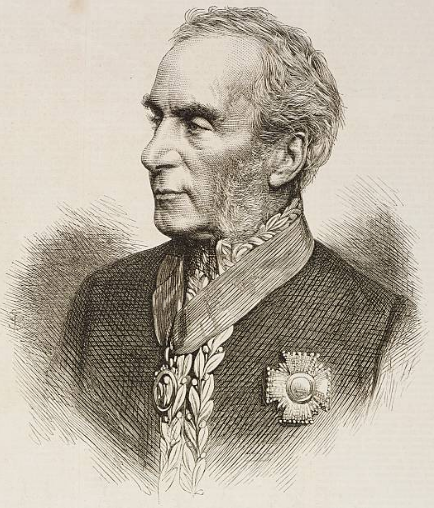
A set of guidelines commonly credited to Robert Peel but most likely written by London's first police commissioners, Charles Rowan and Richard Mayne, in 1829. They hold that police exist to prevent crime, depend on public approval, and use only the minimum necessary force — summarized in the line "the police are the public and the public are the police."
Do you need a college degree to become a police officer?
In most countries, no. The United States and many others require only a high-school diploma plus academy training, though England and Wales moved to a degree-linked entry route in 2020, and countries such as Germany and France run separate, more selective university tracks for command-level officers.
How long is police academy training?
It varies hugely. US academies typically run five to eight months, followed by weeks of supervised field training. Germany and Japan combine academy and practical training over two to three years, reflecting a civil-service model that treats initial training as the start of a longer formal credentialing process, not the end of it.
How much do police officers get paid?
It depends heavily on country and rank. In the United States, patrol officers earned a median of about $75,000 in 2023; in the United Kingdom, a constable's starting salary is roughly £28,000–£32,000, rising with experience; in India, entry-level state police pay is a small fraction of these figures in nominal terms.
Who invented modern policing?
No single person did. Robert Peel's 1829 Metropolitan Police created the first full-time, uniformed civilian force built explicitly on public consent, but it drew on earlier innovations: Eugène François Vidocq's plainclothes detective work in Paris from 1812, and centuries of English watch-and-ward duty before that.
Will AI and robots replace police officers?
Not the core role. Cameras, license-plate readers and predictive software already automate routine surveillance and traffic enforcement, but only a sworn human currently holds the legal authority to detain, arrest or use force, and only a human can testify credibly in court. That authority has not been extended to a machine anywhere.
Why is public trust in police declining in some countries?
High-profile deaths during arrests, most visibly George Floyd's killing by a Minneapolis officer in 2020, exposed long-standing complaints about use of force, racial disparities and accountability. US Gallup polling found confidence in police fell from 77% in 1967 to 43% in 2023, though trends vary enormously by country.
What is the difference between a police officer and a detective?
A uniformed patrol officer responds to calls, enforces traffic and criminal law, and handles a community's day-to-day incidents. A detective — usually a promoted, plainclothes role — investigates specific cases in depth: interviewing witnesses, gathering evidence and building a file for prosecution, typically after a patrol officer's initial response.
Embed this ranking
Paste this code into your blog or site — the ranking stays up to date.