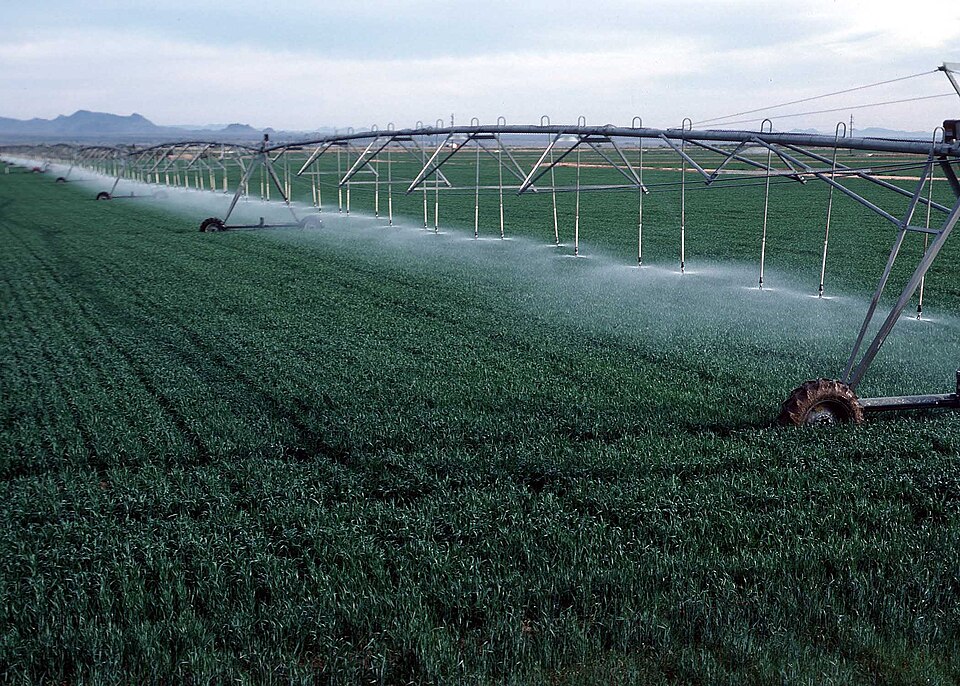
Agribusiness
Inputs, farms and trade.
Food, fibre and land — soils, crops, animals and the systems that feed cities.
Also called: Agricultural science · Agronomy
Reviewed 2026-08-08·Media credits
Darker cells mean a higher score for this topic on that metric.
LessMore
Each bar is a 0-100 atlas score for this topic, not a timeline.
Last reviewed Sources & creditsMedia creditsMethodology
Agriculture joins soils, crops, animals and the systems that feed cities — science under weather, markets and land politics. Field seasons do not respect exam calendars.
Farms, greenhouses, soil labs and extension-style projects define campus life more than urban lecture blocks alone. Machinery safety and seasonal labour are part of the education.
Graduates enter farming enterprises, agribusiness, public agencies and research. Relative scores compare majors here.
Typical bachelor years: 4
Scores are relative across the forty majors on this site — not absolute rankings of universities.
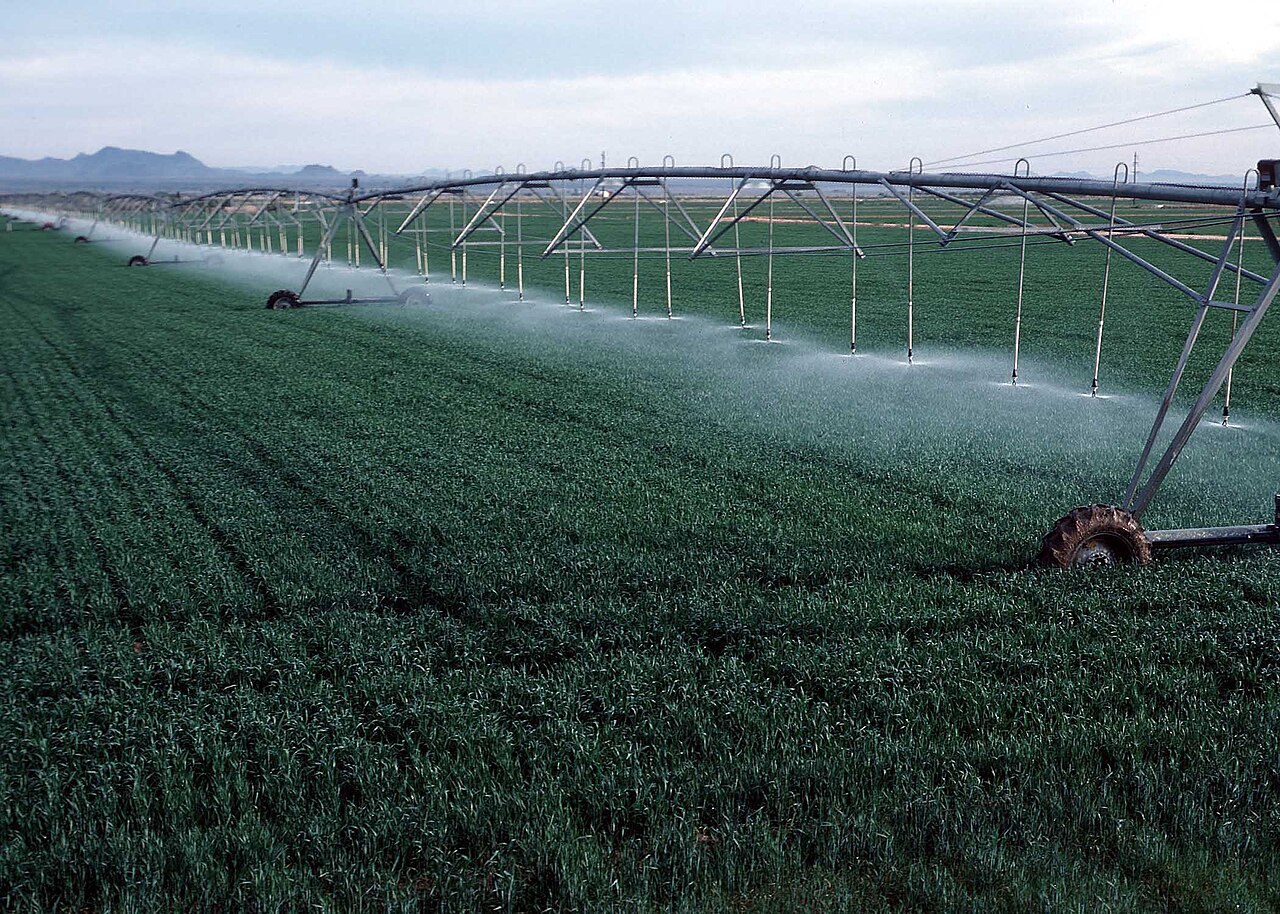
Popularity & Demand →Sectors where graduates and research from this field show up most often — plates from Wikimedia Commons.
Inputs, farms and trade.
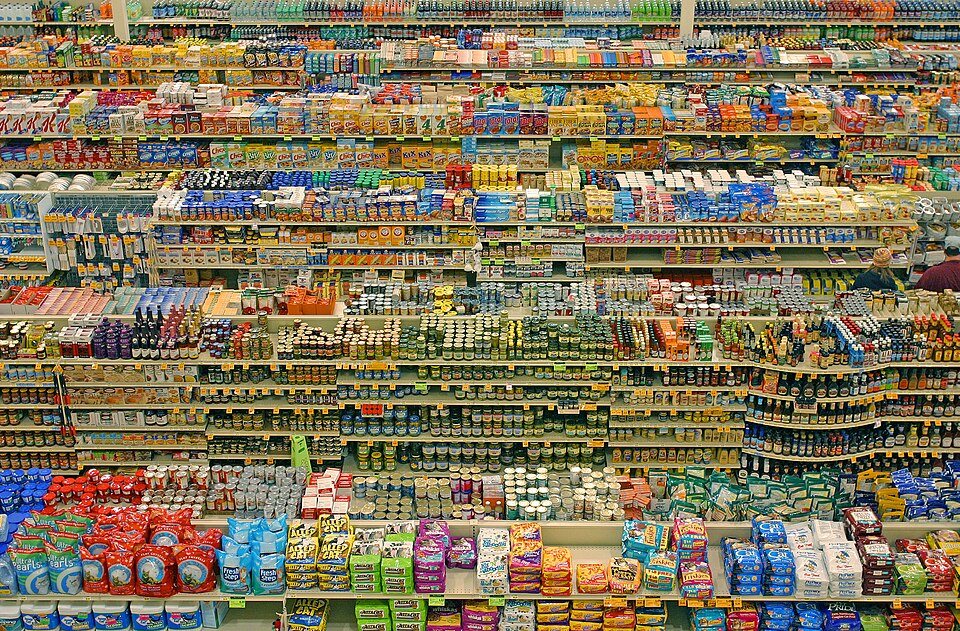
From harvest to shelf.
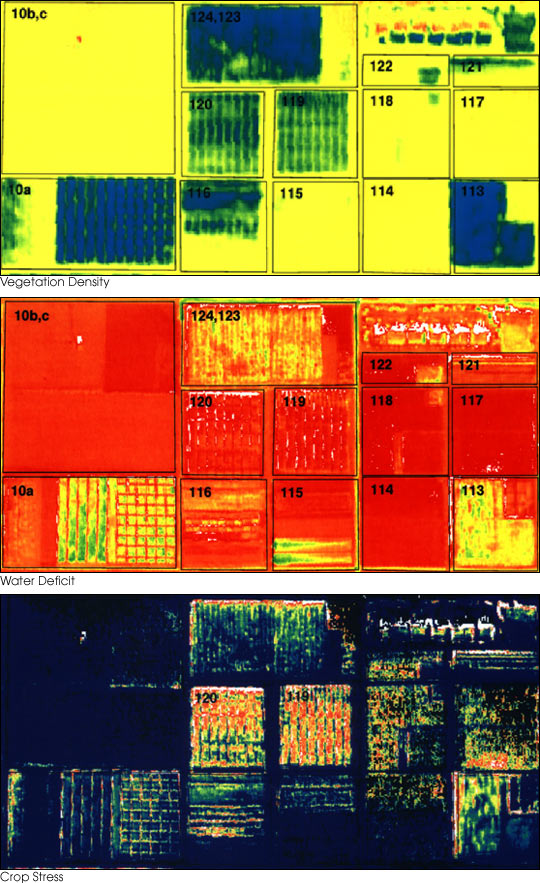
Sensors and variable rates.
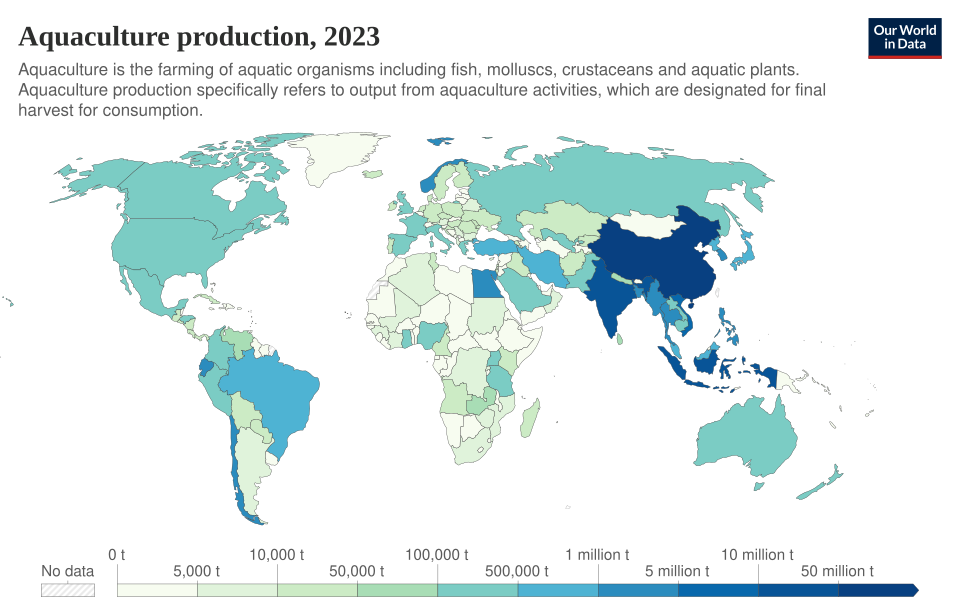
Farmed fish and shellfish.
Checkable figures whose work still frames how the discipline is taught and practised.
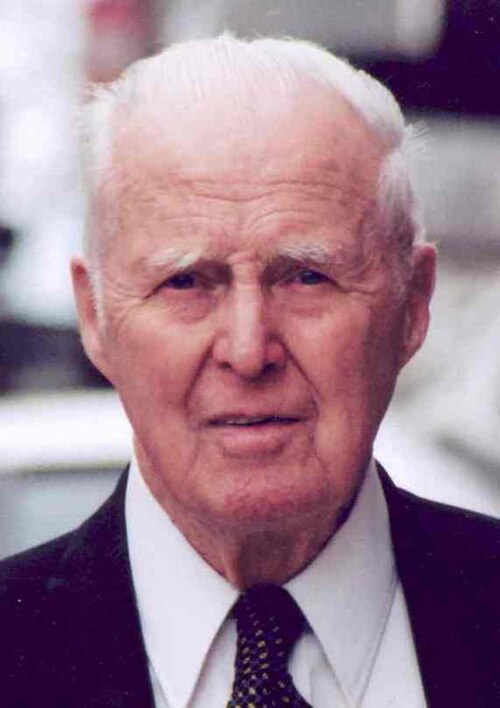
Green Revolution
1914–2009
Ben Zinner, USAID · Public domain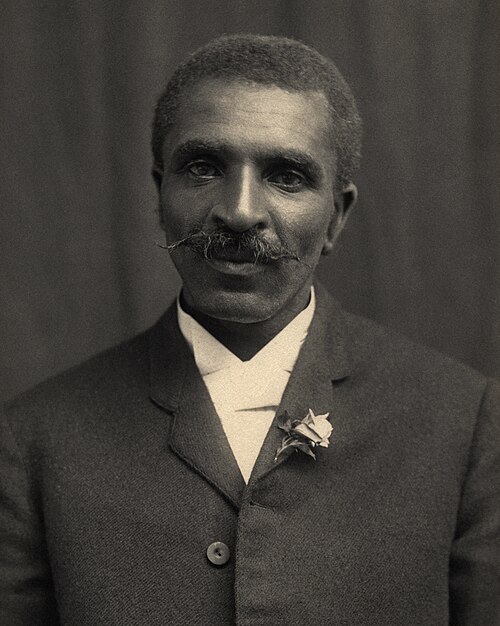
Crop science
1864–1943
Adam Cuerden · Public domain
Hybrid rice
1930–2021
China News Service · CC BY 3.0
Livestock handling
1947–
Ben Zinner, USAID · Public domainSame-field head-to-heads built from the six score axes.
Why labels are thematic — not a ranking of better majors.
Scores are browsing aids for curriculum and career lanes, not a league table of worth.
Earth systems under pressure — measuring change and designing responses that stick.
Employability 70 Same field neighbourLiving systems from molecules to ecosystems — observation, experiment and careful inference.
Employability 64 Same field neighbourLiving systems from molecules to ecosystems — observation, experiment and careful inference.
Employability 64 🧫Engineering living systems — tools, regulation and products from cells and DNA.
Employability 80 🌍Earth systems under pressure — measuring change and designing responses that stick.
Employability 70