The scientist who makes and measures matter itself — from Tapputi's Babylonian perfume still to today's robot laboratories, still the one who decides what the spectrum means.
Also called: Research chemist · Bench chemist · Analytical chemist
Chemist: The scientist who makes and measures matter itself — from Tapputi's Babylonian perfume still to today's robot laboratories, still the one who decides what the spectrum means.
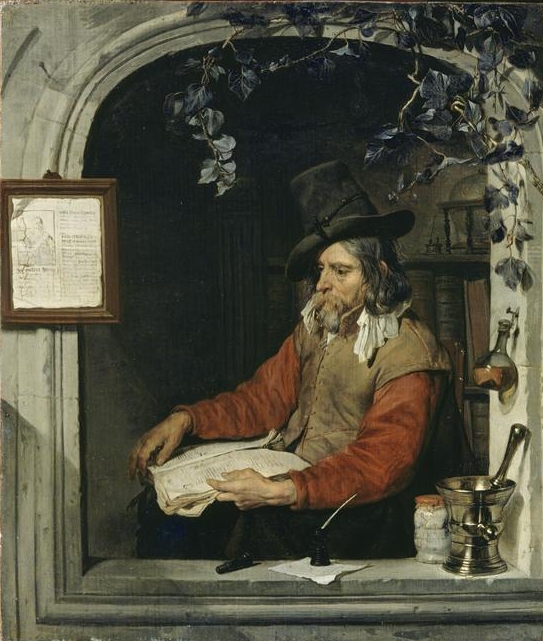
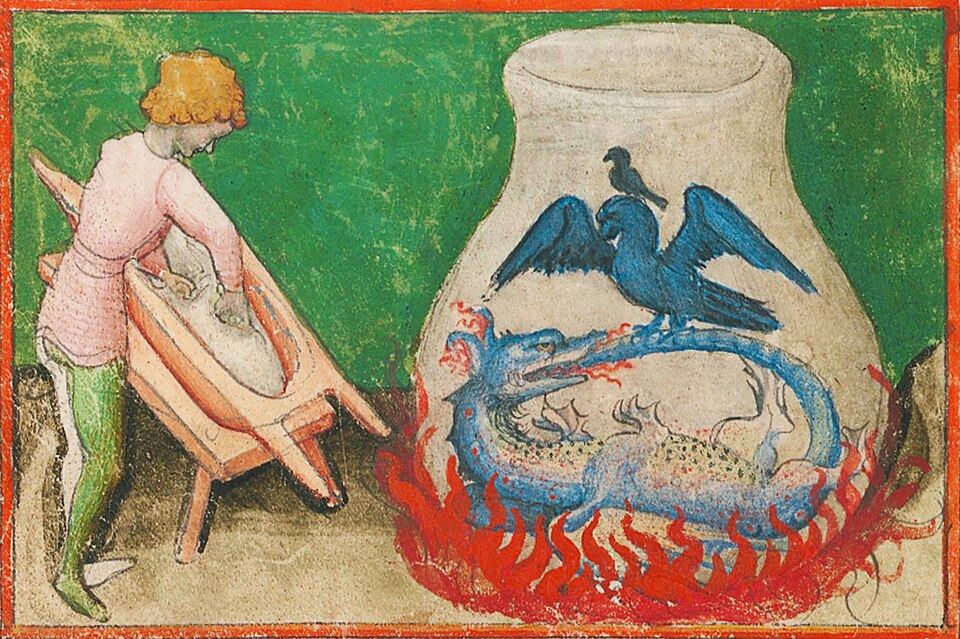
"Chemist" is simply "alchemist" with the first syllable worn off, and the Greek khēmeia behind both words may go back to kmt, Egypt's own name for itself. The trade is older than any of those words: Babylonian perfume-makers were running stills by 1200 BCE, Egyptian embalmers and glassmakers held closely guarded recipes, and Chinese alchemists seeking an elixir of immortality stumbled onto gunpowder instead. The modern chemist inherited all of it — the person who makes new substances and finds out what existing ones are made of.
There is no license to practice chemistry the way there is for medicine or law, but the real gate is nearly as tall: a bachelor's degree opens quality-control and technician bench work, while leading original research almost everywhere requires a PhD and often years of postdoctoral work on top — roughly a decade from leaving school to independence. What varies by country is who pays for that decade: German and Nordic students study nearly free and every serious chemistry PhD program pays its students a stipend, while an American bachelor's degree alone can cost six figures.
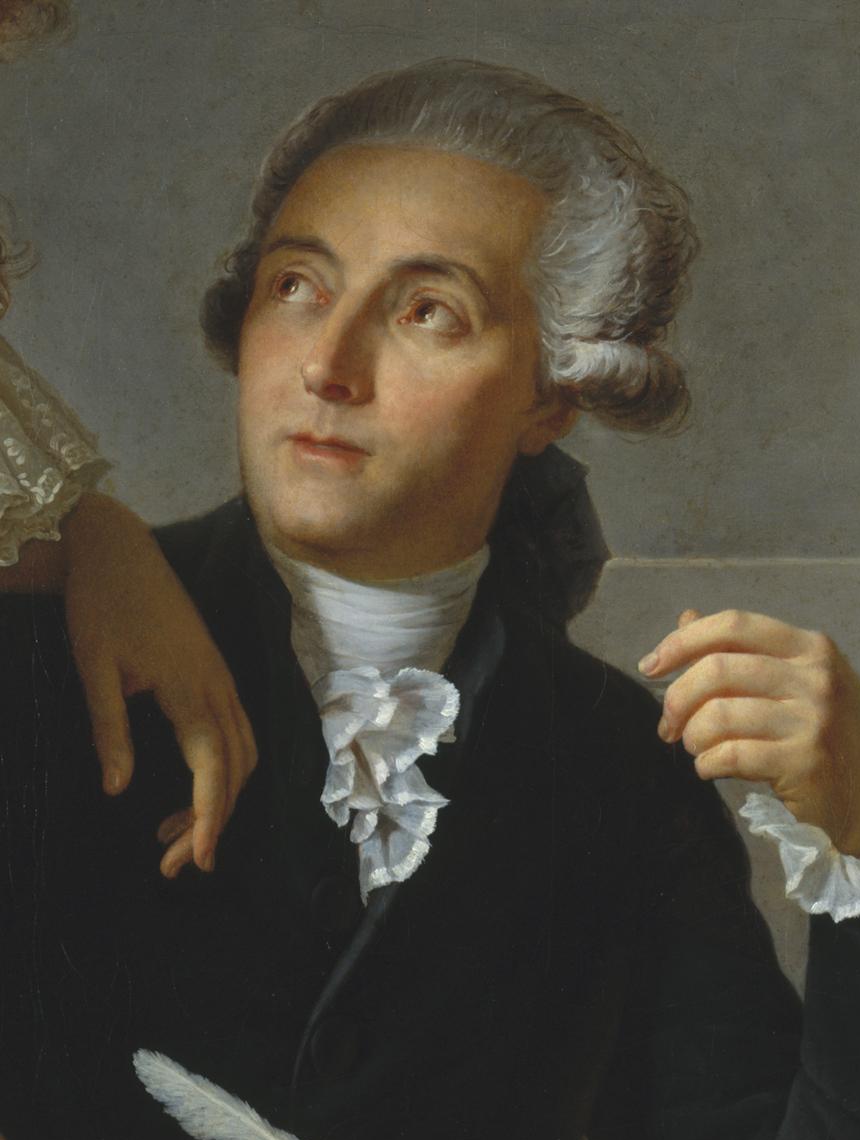
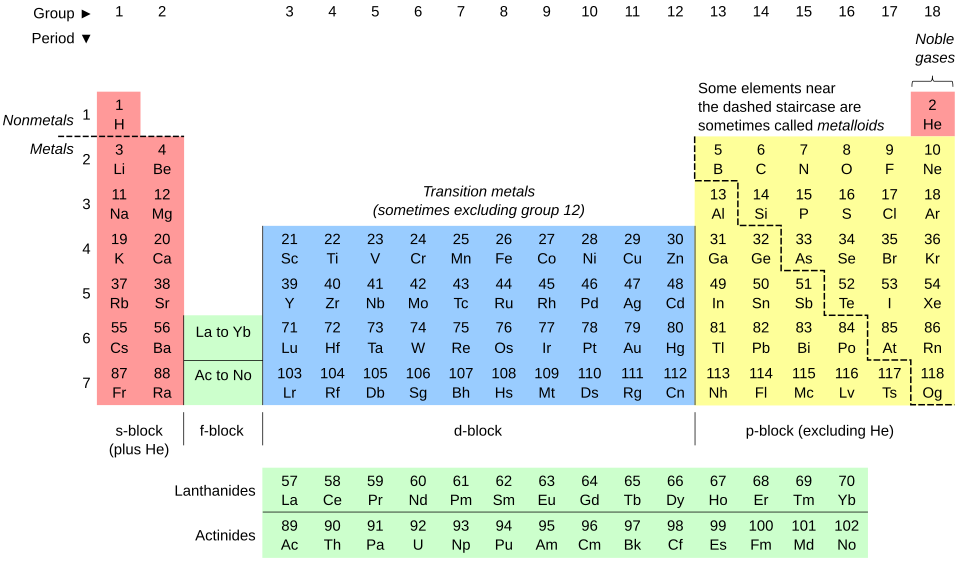
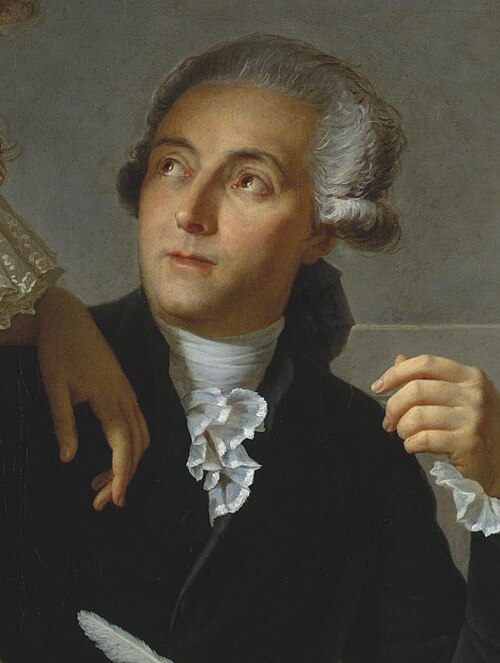
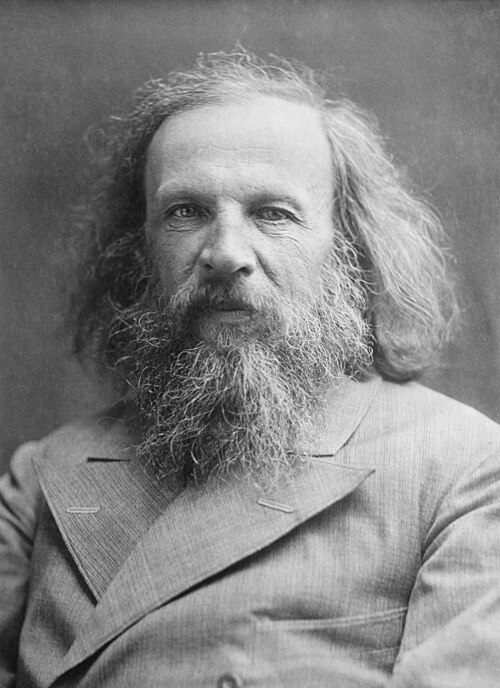
This page follows the trade from Tapputi's still and Jabir ibn Hayyan's laboratory through Lavoisier's balance, Perkin's accidental purple, Mendeleev's prophetic gaps and the Haber–Bosch reactor that now feeds half the world. It covers how people actually become chemists today, what a working day between fume hood and spectrometer demands, the eight figures who shaped the science, and how much of the job robot labs and AI retrosynthesis can realistically take.
Inside the profession
A chemist designs, makes, separates and measures matter—and takes responsibility for what happens when reactivity meets a real bench, plant or clinic. The profession runs from academic synthesis to analytical service labs and process scale-up, united by stoichiometry, hazard awareness and results that must survive someone else's reproduction.
The bench is a controlled argument with risk
Synthetic chemists plan routes, run reactions, purify and characterize; analytical chemists validate methods, calibrate instruments and defend detection limits; process chemists ask whether a beautiful lab yield survives heat transfer, mixing and impurity profiles at scale. Much of the week is troubleshooting a stubborn crystallization, a dirty NMR or a method that drifts between instruments. Creativity matters; so do SDS sheets, quench plans and the habit of writing what actually happened, not what should have.
Where variety hides
Medicinal chemistry, polymer science, environmental analysis, food chemistry, materials chemistry and chemical education share a title and little else. Pharma and agrochemical firms run tightly regulated pipelines; university groups chase novel reactivity; contract labs live on turnaround time and accreditation. A QC chemist signing a certificate of analysis and a total-synthesis postdoc live in different accountability regimes. Domain knowledge of the matrix often outweighs fashion in catalysts.
Credentials and the route in
Bachelor's chemists enter industry and analytical roles; research independence usually needs a PhD. ACS-approved degrees matter in the US conversation; Chartered Chemist and European Chemist titles mark professional recognition in Commonwealth and EU contexts; Japan has hazardous-materials engineering licensing relevant to plant roles. Safety training is not optional ornament—many employers treat it as a hiring filter equal to grades.
What is changing underfoot
Automated synthesis platforms, high-throughput experimentation and ML-suggested conditions speed exploration for teams that can afford them. They do not remove the need to interpret spectra honestly, catch a mis-assigned structure or refuse a scale-up when thermal data are missing. Green chemistry and regulatory pressure on solvents and PFAS-class concerns reshape which routes are viable. Software can propose a reaction; a chemist still owns the quench.
How the work branches
Five common shapes of the same title — specialty, setting or career path.
Pharma and university labs
Synthetic / medicinal chemist
Builds molecules to a design hypothesis; craft is route choice, purification and structure proof.
QC, environmental and service labs
Analytical chemist
Validates methods and instruments; lives inside calibration, uncertainty and accreditation audits.
Scale-up and manufacturing
Process chemist
Translates lab chemistry to plant constraints; heat, mixing, impurities and safety data dominate.
Industry and institutes
Materials / polymer chemist
Links molecular design to processing and performance; characterization across scales is the daily work.
Agencies and consultancies
Environmental chemist
Measures contaminants and fate in real matrices; sampling design and method limits decide what can be claimed.
How it reads by country
Same craft, different gatekeeping, status and daily texture — rewritten for readers in each language.
United States — ACS culture and industrial corridors
Pharma, chemicals and national-lab roles absorb many chemists; ACS-approved degrees and safety culture feature in hiring talk. Academic posts remain grant-dependent; industry often pays earlier independence than universities.
South Korea — chemicals, batteries and electronics materials
Large chemical and materials firms drive demand for process and analytical skill. University research is competitive and metric-heavy; plant and battery-materials roles tie chemistry tightly to manufacturing schedules.
Japan — careful craft and hazardous-materials rules
Strong industrial chemistry traditions and formal hazardous-materials engineering pathways shape plant-adjacent careers. University groups emphasize meticulous technique; long affiliation with a single firm remains common.
Germany — chemical industry and EurChem context
A dense chemical and pharma industrial base sits beside university and institute research. Formal qualifications and works-council norms matter; process safety culture is explicit in large employers.
United Kingdom — CChem and regulated labs
Chartered Chemist status sits beside PhD and industry graduate schemes. MHRA-adjacent pharma analytics, environmental labs and university synthesis groups define distinct weekly realities.
Singapore — petrochemical and biomedical analytics
Jurong Island plants and biomedical manufacturers hire process and QC chemists under strict EHS regimes. Multinational labs and regional HQ roles add method-transfer and audit-facing work.
From the archive
Commons CC/PD images self-hosted for this profession.
Why attitude matters here
Chemistry skill can make a reaction run; attitude decides whether the notebook, the quench and the scale-up decision protect the next person who touches the flask.
Energy release does not care about deadlines
An incomplete thermal assessment or a casual quench turns a Friday experiment into an incident report. Chemists who treat safety data as optional until something smokes discover physics the hard way. Technical fluency without a habit of stopping for calorimetry, PPE and ventilation is how labs earn their worst stories.
A forged spectrum poisons more than one paper
Structure proof is trusted because peers cannot re-synthesize every molecule in a journal issue. Beautifying an NMR, hiding a peak or claiming purity the HPLC does not support wastes months of other people's follow-up work. The field runs on volunteered honesty about what the characterization actually shows.
Plant operators inherit the lab's optimism
A process chemist who waves through a route without impurity and heat-transfer data shifts risk onto people who cannot refuse a batch schedule. Attitude toward incomplete data at the lab-to-plant boundary is an ethical stance, not only a project-management style.
Stances that hold up under pressure
Five concrete postures the work rewards, not slogans.
Stops a reaction when the exotherm is unknown
Refuses to scale or even to continue when thermal or quench behavior is uncharacterized, rather than 'trying a larger batch carefully' without data.
Records what was done, including failures
Writes the real stoichiometry, temperatures and dead ends in the notebook or ELN so another chemist can reproduce or avoid the same path.
Shows the full spectrum, not the flattering region
Includes the messy baseline or impurity peaks when they affect the claim, treating characterization as evidence rather than advertising.
Treats waste and labeling as part of the chemistry
Segregates, labels and disposes materials correctly at the end of a long day, when the temptation to leave a mystery bottle is highest.
Challenges a certificate that the data do not support
Holds a QC release or a purity claim when the chromatogram drifts or the standard is expired, accepting delay over a quiet false pass.
Moments that reveal it
Situations that separate résumé language from how someone actually practices.
A PI wants product for a collaborator before full characterization
Shipping a sample with a hopeful structure assignment versus waiting for clean data is a recurring integrity fork with real downstream risk.
Scale-up pressure arrives without calorimetry
Whether the chemist blocks the kilo-lab schedule or softens under managerial urgency shows if process safety is practice or poster material.
An analytical method fails a system suitability check
Running samples anyway to hit a turnaround KPI, or stopping the sequence, is the quiet test accreditation assumes will go the right way.
A colleague's hood work ignores the posted PPE rule
Speaking up in the moment, not only in a safety meeting later, is where lab culture is actually made.
Where "calling" turns harmful
"Passionate chemists" and normalized lab hazard
Research culture often praises people who stay overnight for a time-sensitive reaction as dedicated, then understaffs so that dedication becomes the staffing plan. Students and contractors may be told that caring about overtime pay or refusing an unsafe procedure means they lack calling. Love of molecules is real; it is not consent to informal hazmat apprenticeship or to silence when a notebook is being cleaned up for a paper.
The profile
Resists AI70
Pay55
Barrier to entry62
Autonomy58
Demand60
Impact82
How exposed is it to AI?
Moderate
A real share of bench chemistry — routine repeat synthesis, screening, first-pass spectral assignment, literature search — is automating now, and self-driving labs will absorb more. But experimental troubleshooting, safety judgment in a physical laboratory, distinguishing artifact from discovery, and choosing which molecule is worth making remain human tasks with no near-term automated substitute. The likely outcome is fewer hands per experiment, not fewer chemists per question.
Not for every job. A bachelor's degree in chemistry qualifies people for quality-control, formulation and analytical bench roles in industry, and those jobs employ a large share of working chemists. Leading original research — running your own project in a pharmaceutical company or a university — almost always requires a PhD, and in academia usually postdoctoral experience on top of it.
What is the difference between a chemist and a chemical engineer?
A chemist studies and creates substances — designing molecules, running reactions at gram scale, analyzing what something is made of. A chemical engineer designs the industrial processes that make those substances by the tonne: reactors, heat flows, separation columns. The degrees are separate, engineers are often professionally licensed, and in industry the two work side by side on scale-up.
How long does it take to become a chemist?
A bachelor's degree — three to four years after secondary school — is enough for a first industry bench job. Reaching independent research responsibility typically takes far longer: four to six more years for a PhD, then often two to five years of postdoctoral work, so nine to twelve years total is normal for a research career in most countries.
How much do chemists earn?
The US median was about $85,000 in 2024 according to the Bureau of Labor Statistics, with senior industry scientists well above that. Switzerland's Basel chemical corridor pays more; German chemists with PhDs commonly start near €60,000–70,000; pay in India is a small fraction of these figures. PhD students everywhere earn only a modest stipend for four to six years.
Will AI and robots replace chemists?
Partly. Automated synthesizers, high-throughput screening robots and AI retrosynthesis tools already do real work — a mobile robot chemist at the University of Liverpool ran hundreds of experiments unattended in 2020. But troubleshooting a reaction that misbehaves, judging whether an odd result is discovery or contamination, and deciding which molecule is worth making remain stubbornly human, which is why the realistic automation share is moderate, not total.
What does a chemist actually do all day?
Less pouring of colorful liquids than television suggests. A typical research day splits between the bench — setting up and working up reactions in a fume hood — and instruments: NMR, chromatography and mass spectrometry to find out what was actually made. A large share of the day goes to data analysis, notebook records and reading the literature, and many reactions run overnight unattended.
Is being a chemist dangerous?
The hazards are real — flammable solvents, toxic reagents, pressurized equipment — but modern lab-safety culture manages them well, and serious injuries are rare where training and protective equipment are enforced. The 2008 death of UCLA research assistant Sheharbano Sangji in a tert-butyllithium fire led to unprecedented criminal charges and permanently tightened safety practice across academic laboratories worldwide.
Why does "chemist" mean pharmacist in Britain?
Because the trades share an ancestor. British apothecaries evolved into "chemists and druggists" — shopkeepers who compounded and sold medicines — and the name stuck to the pharmacy itself, which Britons still call "the chemist's." The scientific profession took the same word from the other direction, out of "alchemist." In British usage context does the work; elsewhere "chemist" almost always means the scientist.
Embed this ranking
Paste this code into your blog or site — the ranking stays up to date.