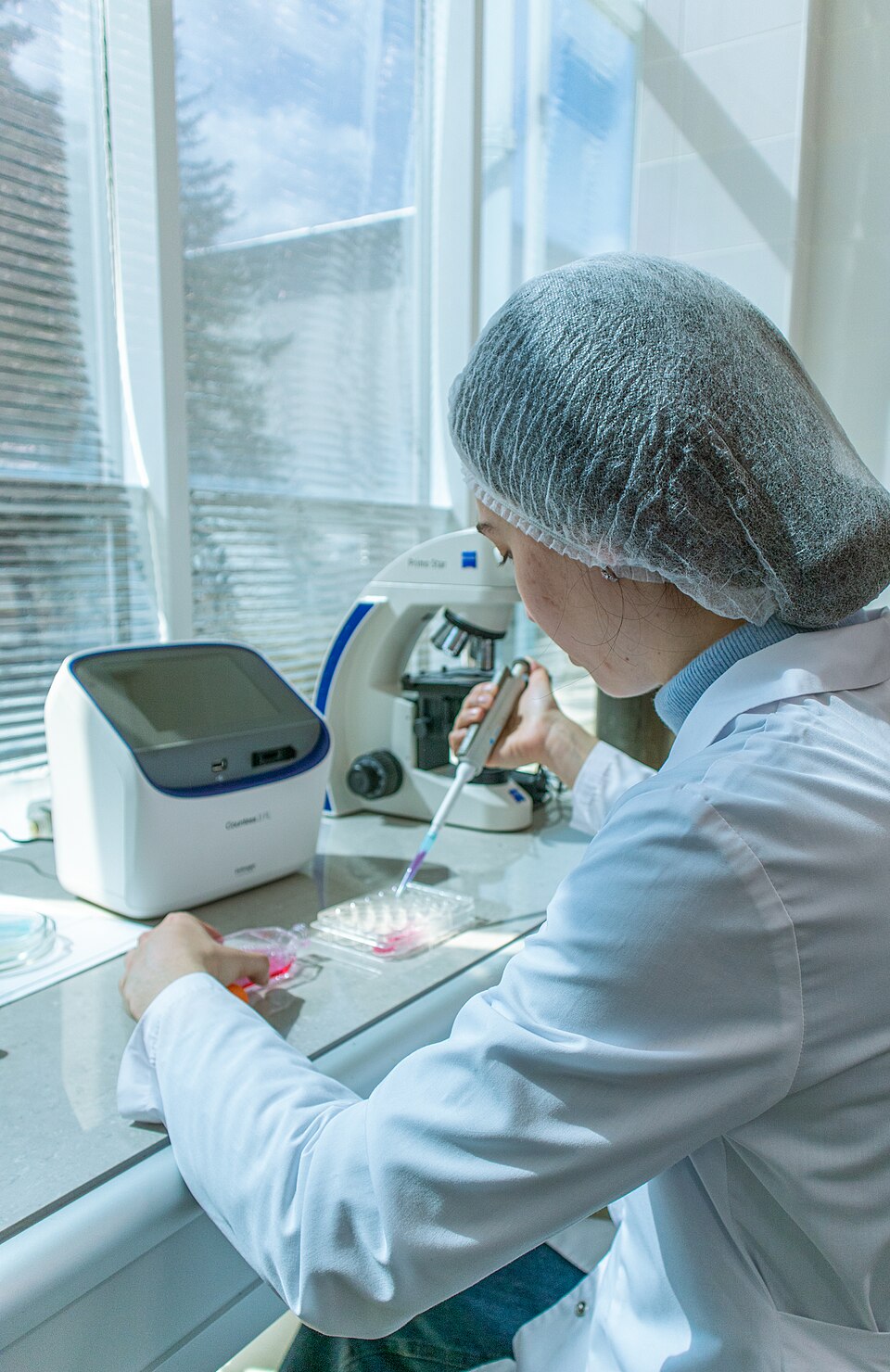
Biotech R&D
Labs turning cells into products.
Living systems from molecules to ecosystems — observation, experiment and careful inference.
Also called: Life sciences · Biological sciences
Reviewed 2026-08-08·Media credits
Darker cells mean a higher score for this topic on that metric.
LessMore
Each bar is a 0-100 atlas score for this topic, not a timeline.
Last reviewed Sources & creditsMedia creditsMethodology
Biology studies living systems from molecules to ecosystems — observation, experiment and careful inference. Field and lab methods differ by track, but both punish sloppy controls.
Teaching labs, greenhouses, field stations and shared instruments set the rhythm; safety and animal or biosafety rules can gate access. Reading primary papers becomes non-negotiable by year three.
Outcomes include research, health-adjacent paths, teaching, conservation and biotech entry roles. Relative scores only.
Typical bachelor years: 4
Scores are relative across the forty majors on this site — not absolute rankings of universities.
Popularity & Demand →Sectors where graduates and research from this field show up most often — plates from Wikimedia Commons.
Labs turning cells into products.
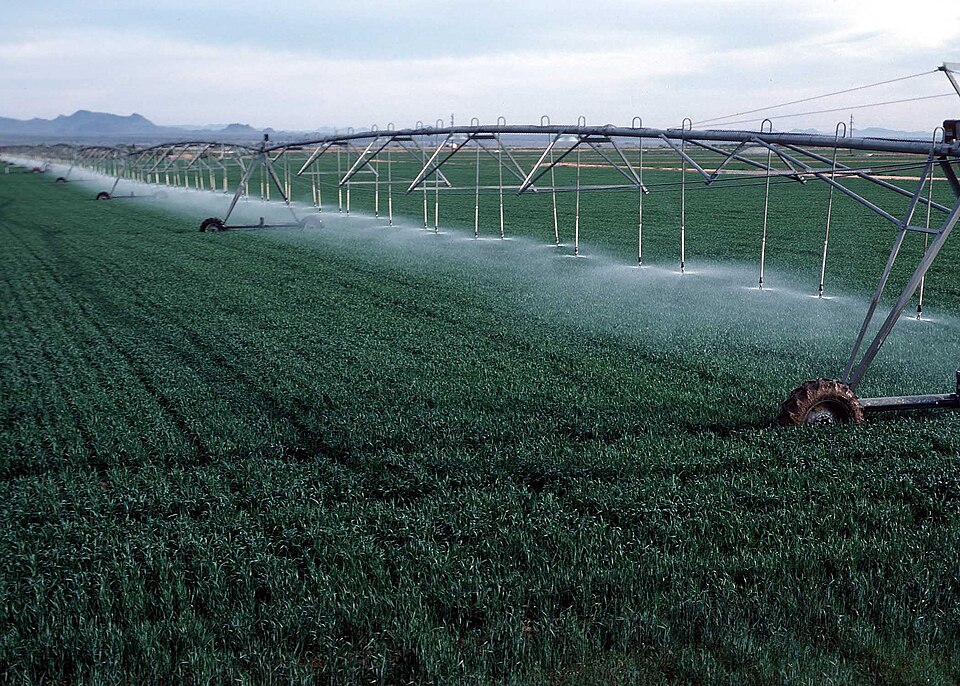
Crops, pests and soil life.
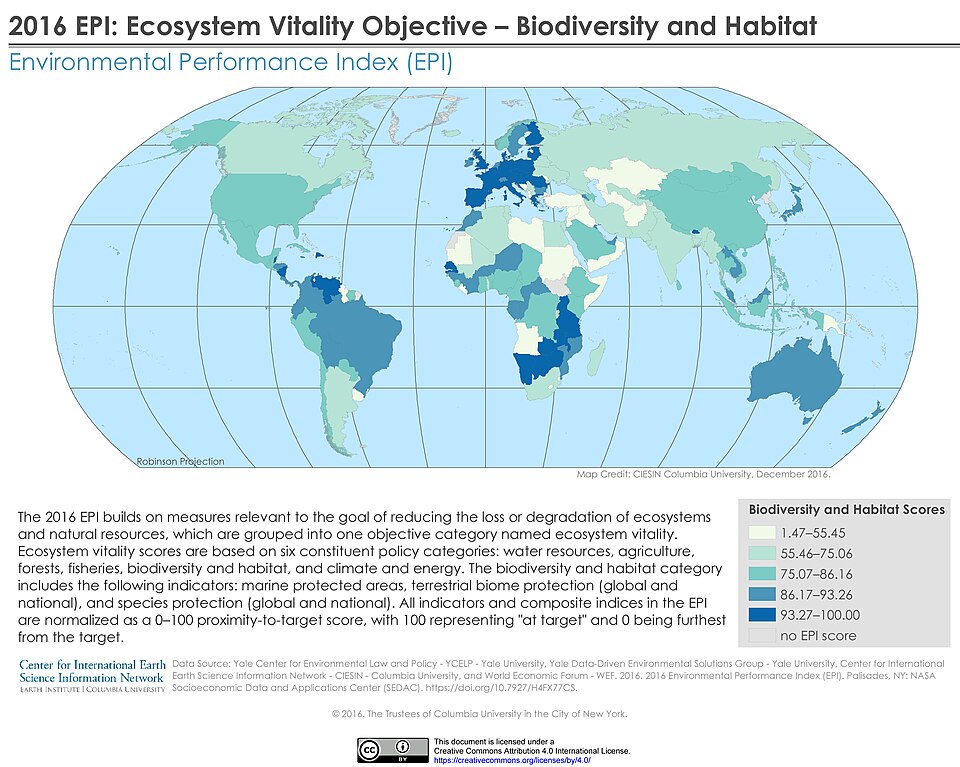
Habitats and threatened species.
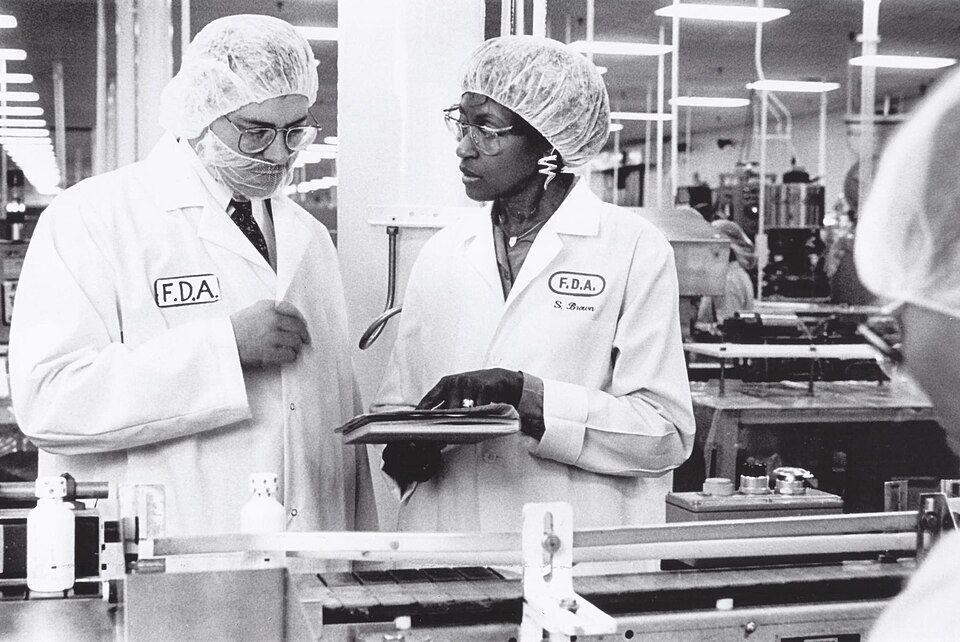
Biologics and targets.
Checkable figures whose work still frames how the discipline is taught and practised.
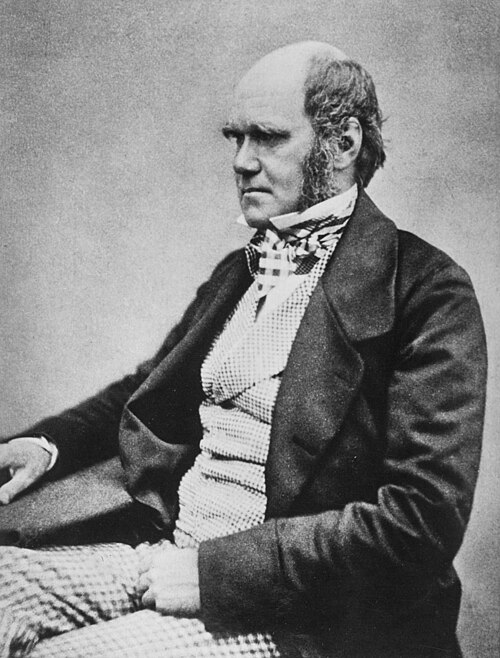
Evolution
1809–1882
Charles_Darwin_seated.jpg : Henry Maull (1829–1914) and John Fox (1832–1907) (Maull & Fox) [ 3 ] derivative work: Bea o · Public domain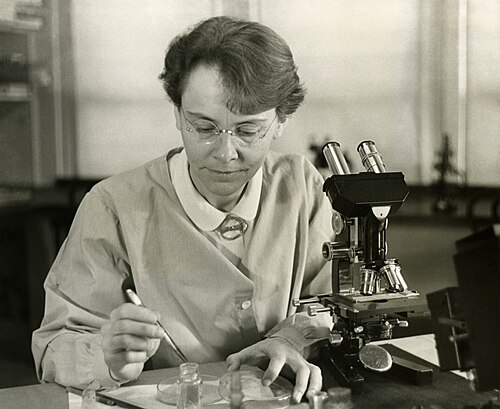
Transposons
1902–1992
Smithsonian Institution /Science Service; Restored by Adam Cuerden · Public domain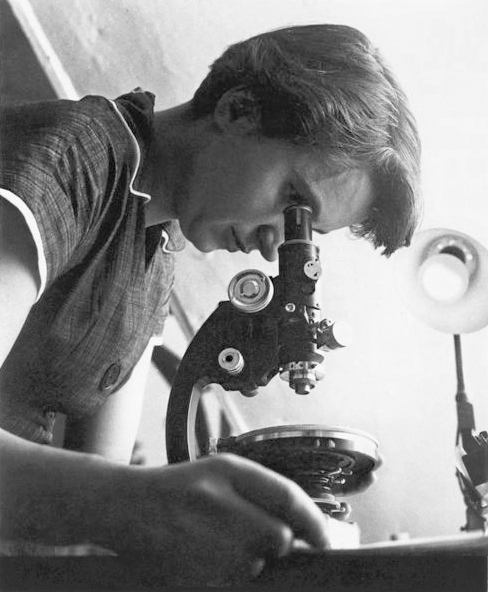
DNA structure
1920–1958
MRC Laboratory of Molecular Biology · CC BY-SA 4.0
Primatology
1934–
U.S. Department of State from United States · Public domainSame-field head-to-heads built from the six score axes.
Why labels are thematic — not a ranking of better majors.
Scores are browsing aids for curriculum and career lanes, not a league table of worth.
Earth systems under pressure — measuring change and designing responses that stick.
Employability 70 Same field neighbourEngineering living systems — tools, regulation and products from cells and DNA.
Employability 80 Same field neighbourEngineering living systems — tools, regulation and products from cells and DNA.
Employability 80 🌾Food, fibre and land — soils, crops, animals and the systems that feed cities.
Employability 72 🌍Earth systems under pressure — measuring change and designing responses that stick.
Employability 70