The person societies trust to decide: from Hammurabi's stele to AI-scored bail hearings, the hardest disputes still end in front of one accountable human.
Judge: The person societies trust to decide: from Hammurabi's stele to AI-scored bail hearings, the hardest disputes still end in front of one accountable human.
Every organized society hits the same problem: two people disagree, both believe they are right, and someone must decide. The judge is the answer civilizations keep reinventing — Egypt's viziers judging as priests of Maat, Babylon's royal judges under Hammurabi's code, Athens's juries of five hundred citizens, China's examination-selected magistrates, Islam's qadis, England's itinerant justices. The titles, robes and courtrooms change constantly; the essential act — hearing both sides, then deciding with the community's authority behind the decision — has not changed in four thousand years.
There is no single road to the bench. In France, Japan, Germany and most of the civil-law world, judging is a career entered young: a brutal national examination, a state judicial school, a first posting before age thirty. In Britain, India, the United States and the common-law world it is a second career — a judge is a senior lawyer, typically appointed in their forties or fifties after decades of practice. Both systems guard the same asset, independence, with tenure protections written into constitutions since England's Act of Settlement in 1701.
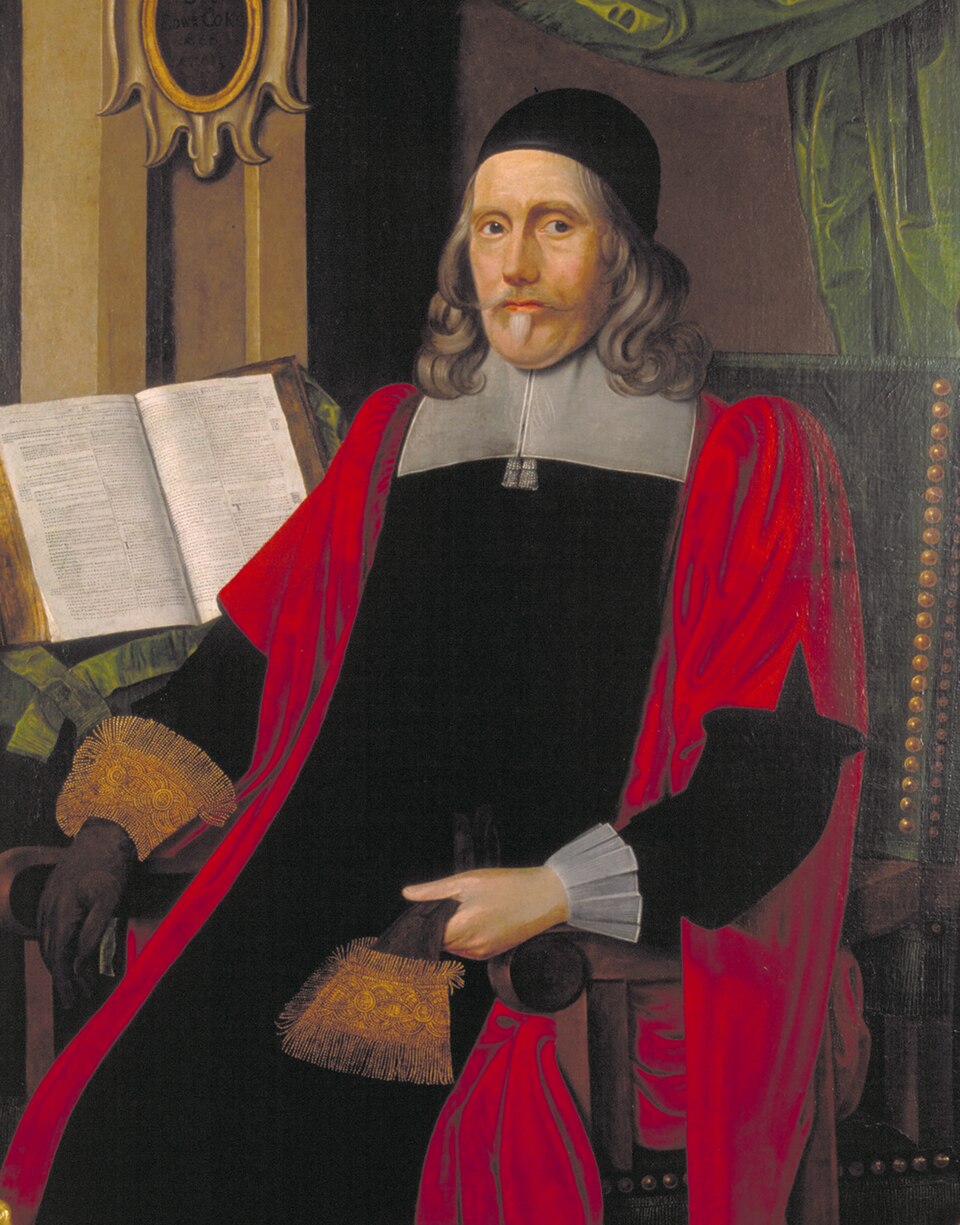
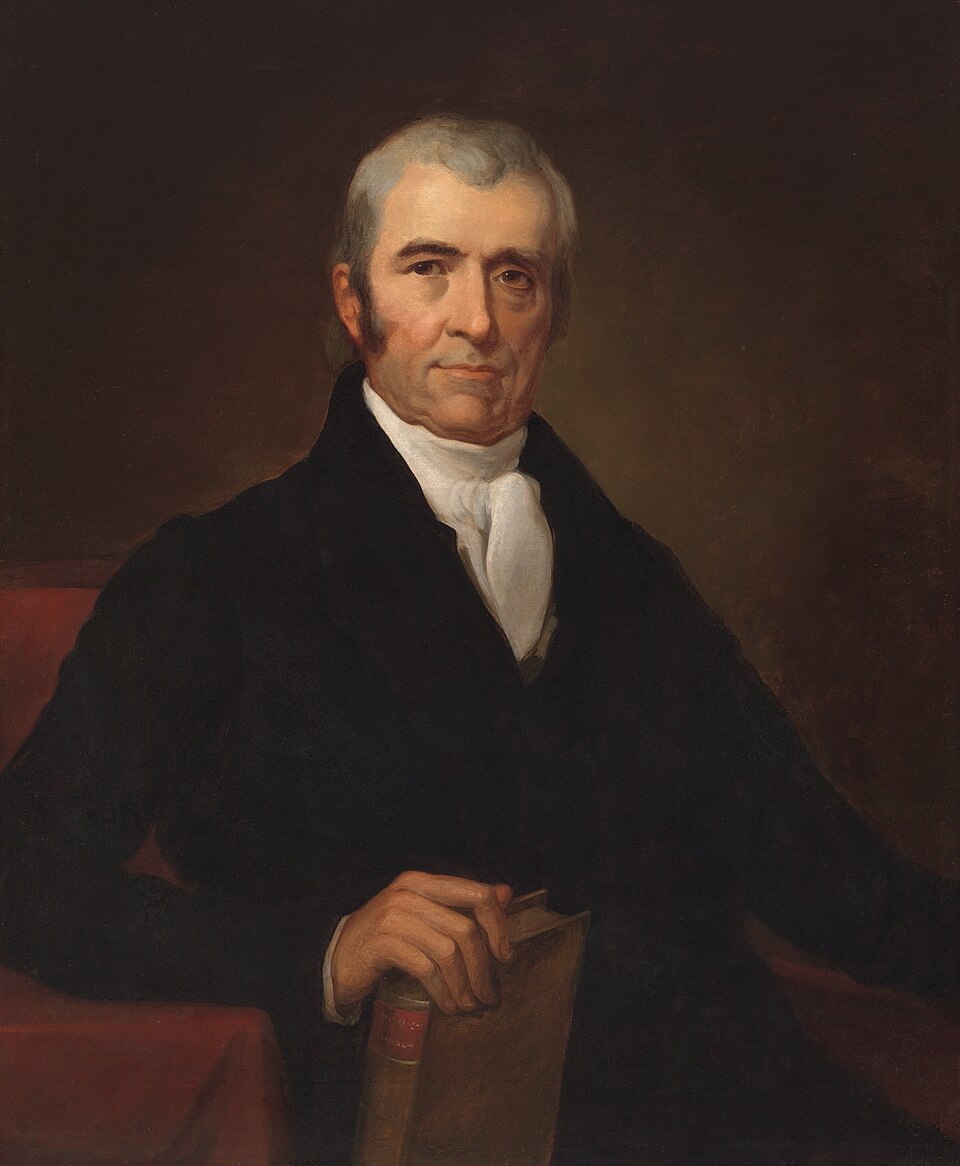
This page follows the profession from Hammurabi's stele and the trial of Socrates to Edward Coke telling James I that the king is under the law, Marbury v. Madison, the Nuremberg bench and today's algorithm-assisted bail hearings. It covers how people actually reach the bench in different countries, what a working day of hearings and judgment-writing looks like, which eight judges most changed the craft, what the work pays from Paris to Canberra, and how much of it AI can realistically absorb.
Inside the profession
A judge is the person a society designates to hear both sides and decide with public authority: the robes change across eras, but the accountable human decision at the end of a dispute remains the core of the office.
Hearing before deciding
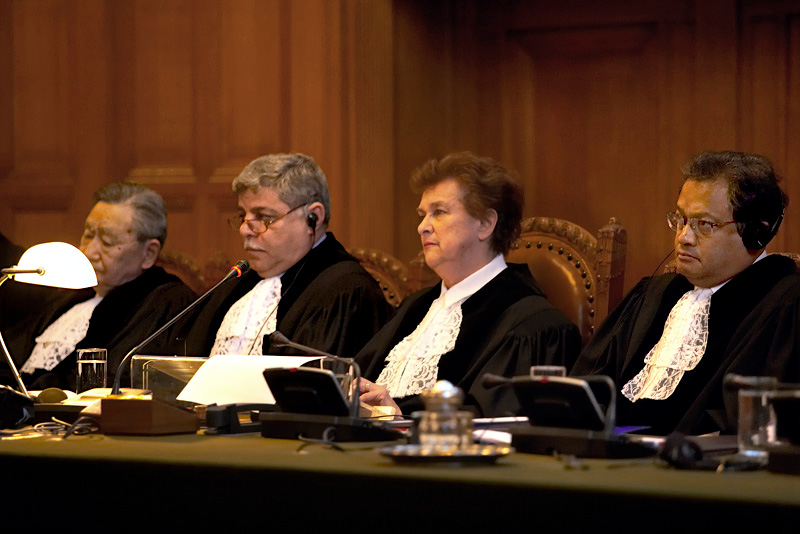
The working day begins in chambers with briefs, transcripts and paper applications long before open court. In session the judge rules on objections in real time, manages pace and keeps a record that an appeal court can read. The craft rule audi alteram partem is not a slogan: facts must be found plainly, guidelines anchored, and every departure explained. An over-speaking judge who argues the case from the bench crowds out the parties. Independence is practiced in small acts—refusing private approaches, avoiding lunch with counsel in the case—as much as in constitutional texts.
Two roads to the same bench
Civil-law systems often recruit young career judges through concours and judicial schools such as France's ENM or Japan's Legal Training and Research Institute, with first postings before thirty. Common-law systems typically appoint senior advocates in mid-career through commissions or political nomination, as with England's Judicial Appointments Commission or US Article III confirmation. Both designs guard tenure because a judge who fears removal cannot hear the powerful. Magisterial, trial and appellate work demand different tempos, but each ends in a signed reason someone else will test.
Judgment writing as public reason
After the hearing comes the unpaid-looking labor of writing: findings of fact, the legal test, the application and the order. Documents cannot be intimidated, which is why weak oral impressions must still survive the page. Sentencing and family cases force explicit weighing of harm, rehabilitation and children's interests under statutes that leave discretion inside rails. Online courts and asynchronous tribunals move some disputes out of the physical courtroom, but the duty to give reviewable reasons does not vanish with the wood paneling.
Algorithms beside the bench
Risk scores, guideline calculators and research assistants increasingly frame starting points for bail, sentencing and case management. Judges who treat a score as a verdict outsource accountability; those who ignore validated tools without explanation also fail transparency. Litigation analytics now profile judicial patterns, raising new pressures on perceived independence. Threats against judges have risen in several democracies, making security part of the working conditions. The enduring task is still human: decide, explain and remain answerable when the model is wrong.
How the work branches
Five common shapes of the same title — specialty, setting or career path.
First-instance courts
Trial judge
Manages live evidence, findings of fact and primary orders in civil, criminal or family cases under continuous time pressure.
Courts of appeal and supreme courts
Appellate judge
Reviews records and law rather than re-trying facts, writing reasons that bind lower courts and settle doctrine.
Civil-law judiciaries
Investigating / career magistrate
Enters young through judicial school, often combining investigative, trial and prosecutorial career tracks under national rules.
Employment, immigration, tax and similar forums
Specialist tribunal judge
Applies dense regulatory schemes in high-volume lists where consistency and speed both matter.
Apex courts
Constitutional or supreme court justice
Decides structural disputes about rights and powers, with opinions that reshape politics beyond the parties.
How it reads by country
Same craft, different gatekeeping, status and daily texture — rewritten for readers in each language.
Election, appointment and life tenure
US judges reach state benches by election or appointment and federal Article III courts by presidential nomination and Senate confirmation, often with life tenure. Campaign finance, confirmation politics and heavy motions practice shape very different daily realities from magisterial career systems abroad.
Judicial exam legacy and court hierarchy
South Korean judges historically entered through highly selective national routes and still work inside a strong hierarchical court culture. Seoul-centered prestige postings, detailed written judgments and intense caseloads define early and mid-career life on the bench.
LTRI and career judiciary
Japanese judges qualify via the bar examination and the Supreme Court's Legal Training and Research Institute, then rotate through postings as career judges. Formal courtroom etiquette, careful written reasons and bureaucratic personnel management give the office a distinctive texture.
Richteramt after two state exams
German judges are typically career magistrates who completed both state examinations and entered Richteramt young. Independence is constitutionally protected while everyday work sits inside specialized chambers, tariff structures and a strong culture of written justification.
JAC selection and the salaried bench
In England and Wales, the Judicial Appointments Commission runs open competitions for many posts after a solicitor or barrister career. Crown Court, High Court and tribunal work differ sharply; judgment writing and listing pressure fill evenings long after court rises.
A compact, high-trust judiciary
Singapore's judges are appointed within a tightly managed legal service and superior-court structure known for speed and commercial sophistication. Multilingual litigants, regional dispute work and strong institutional discipline shape hearings in a small jurisdiction with outsized caseloads.
From the archive
Commons CC/PD images self-hosted for this profession.
Why attitude matters here
A judge's legal learning is necessary, but attitude decides whether both sides are truly heard, whether a risk score becomes a verdict, and whether reasons are written honestly when nobody is applauding.
Independence is practiced in small refusals
Tenure protections mean little if a judge accepts private approaches, signals outcomes early or shapes findings to please the powerful. The fair-minded observer test exists because legitimacy depends on conduct that looks impartial under scrutiny. Attitude toward isolation from the parties—no case talk over lunch, no favor to yesterday's colleagues—is the daily form of constitutional independence.
Silence from the bench can still be unfair
An over-intervening judge argues the case; an under-listening one lets the stronger advocate win by volume. Managing interruptions, translating procedure for unrepresented parties and insisting on the other side's answer are attitudes that change outcomes without changing the statute book. Skill at doctrine fails if the hearing itself was not fair.
Reasons are how power remains reviewable
A decision without honest findings and explained departures from guidelines cannot be appealed properly and cannot teach the next case. Judges who treat writing as optional after a long list leave the public with an order and no accountable path. The stance toward finishing reasons when tired is therefore load-bearing for the rule of law.
Stances that hold up under pressure
Five concrete postures the work rewards, not slogans.
Hear the other side, always
Refusing to decide a contested point until both parties have had a real chance to answer, including when the list is running late. Speed that skips audi alteram partem produces appeals and distrust faster than a delayed ruling.
Explain every step off the guideline
Anchoring on the published starting point and stating why the facts justify departure, rather than announcing an instinctive number. Opaque sentencing teaches nothing and invites the charge of personal preference.
Keep the algorithm in its place
Using risk scores or calculators as inputs while stating independent reasons, instead of rubber-stamping a model's output or hiding that it was considered. Accountability stays with the signed judgment.
Write findings as if an appeal will read them
Separating fact from rhetoric and recording what was actually accepted into evidence, even after a messy hearing. Documents outlast the courtroom atmosphere that felt obvious at 4 p.m., and thin findings become unreviewable power.
Guard against private approaches
Shutting down ex parte contact and social familiarity with counsel in a live matter, including culturally awkward refusals in corridors. Independence fails quietly in those moments before it fails in constitutional texts.
Moments that reveal it
Situations that separate résumé language from how someone actually practices.
An unrepresented party drowning in procedure
Whether the judge explains the next step in plain language without becoming the party's advocate, or simply ploughs on to clear the list, reveals more about fairness than any appointment interview speech about access to justice.
A bail decision with a high risk score
Stating independent reasons that engage the score without surrendering to it—or dismissing it without explanation—is a modern test of judicial attitude. The model will not appear at the appeal; the judge's name will.
Judgment writing after a full day in court
Finishing honest reasons when exhausted, rather than a thin order that cannot be reviewed, is unpaid-feeling work that defines the office. Nobody applauds the midnight paragraph that prevents a successful appeal.
A former colleague appearing as counsel
Maintaining equal distance and, where required, recusal discipline, shows whether independence is a habit or a slogan. Familiarity is the quietest way a hearing becomes unfair, and parties notice what the judge pretends not to.
Where "calling" turns harmful
Vocation as unpaid judgment nights
Judicial culture often treats endless evening writing and weekend reading as proof of calling while caseload budgeting assumes infinite unpaid hours. Passion rhetoric can excuse understaffed courts, delayed judgments blamed on individual virtue and silence about threats or isolation on the bench. Dedication that replaces enough judges and clerks becomes a public-service myth covering systemic neglect.
The profile
Resists AI90
Pay78
Barrier to entry88
Autonomy82
Demand62
Impact93
How exposed is it to AI?
Very low
Perhaps a tenth of the job's task-hours — research, drafting routine orders, scheduling, transcription, and high-volume small-claims triage — is realistically automatable now, and online tribunals are already absorbing minor disputes. The core tasks are protected not by technical difficulty alone but by constitutional design: depriving people of liberty or property requires a named human whose authority is accepted and who can be held to account. No legislature on earth has put an algorithm's name on a sentence.
Do you have to be a lawyer before becoming a judge?
In common-law countries, yes: British, Indian, American and Australian judges are appointed from experienced lawyers, usually after fifteen or more years of practice. In most civil-law countries, no practice is required — France, Japan and South Korea select judges young, straight from law studies, through a competitive examination and a state judicial school. England also uses roughly 12,000 lay magistrates with no law degree at all for minor cases.
How long does it take to become a judge?
In career judiciaries the route is fast: a French law graduate who passes the École nationale de la magistrature entrance exam can be sitting as a judge around age 27, nine years after leaving school. In common-law systems the bench comes late — a law degree, bar qualification and typically fifteen to twenty-five years of practice first, so most judges are appointed in their forties or fifties.
Are judges appointed or elected?
Mostly appointed — by independent commissions in the UK, by the executive with legislative confirmation for US federal judges, by judicial councils in much of Europe, by the collegium of senior judges in India. The great exception is the American states: 39 of the 50 use elections for at least some judgeships, a practice most other democracies deliberately avoid for fear of campaign money influencing rulings.
How much do judges earn?
Well, but usually less than the top lawyers who appear before them. A US federal district judge earned $243,300 in 2024; a UK High Court judge about £232,000; an Australian Federal Court judge roughly A$490,000; a German judge starts near €60,000. In India a Supreme Court justice's base salary is about ₹30 lakh a year plus housing — many senior advocates earn that in a week.
What is the difference between a judge and a magistrate?
It depends entirely on the country. In England and Wales, magistrates are unpaid volunteers without law degrees who decide over 90 percent of criminal cases. In the United States, magistrate judges are salaried lawyers handling preliminary federal matters. In France, magistrat covers both judges and prosecutors, trained together at the same school. The words do not translate cleanly between systems — a frequent source of confusion.
Can a judge be fired?
Deliberately, only with great difficulty — that is the point of judicial independence. Since England's Act of Settlement of 1701, judges in most democracies hold office during good behaviour and can be removed only for serious misconduct through a special process. In the United States, only eight federal judges have ever been removed, each by Senate conviction after impeachment. An unpopular ruling is never lawful grounds.
Will AI replace judges?
Not at the core. Legal research, transcription, case triage and some small-claims and traffic disputes are already automating — China's internet courts and Canada's Civil Resolution Tribunal show how far that can go. But depriving someone of liberty, children or property requires a named, accountable human whose authority people accept, and no legislature has been willing to put an algorithm's name on a prison sentence.
Do judges really bang gavels?
American judges do; most of the world's do not. Judges in England and Wales have never used gavels, and neither do most European, Asian or Commonwealth courts — yet the gavel appears on legal logos and news graphics almost everywhere, an American courtroom-drama export. The real instruments of judicial authority are quieter: the raised bench, the robe, and the words "all rise."
Embed this ranking
Paste this code into your blog or site — the ranking stays up to date.