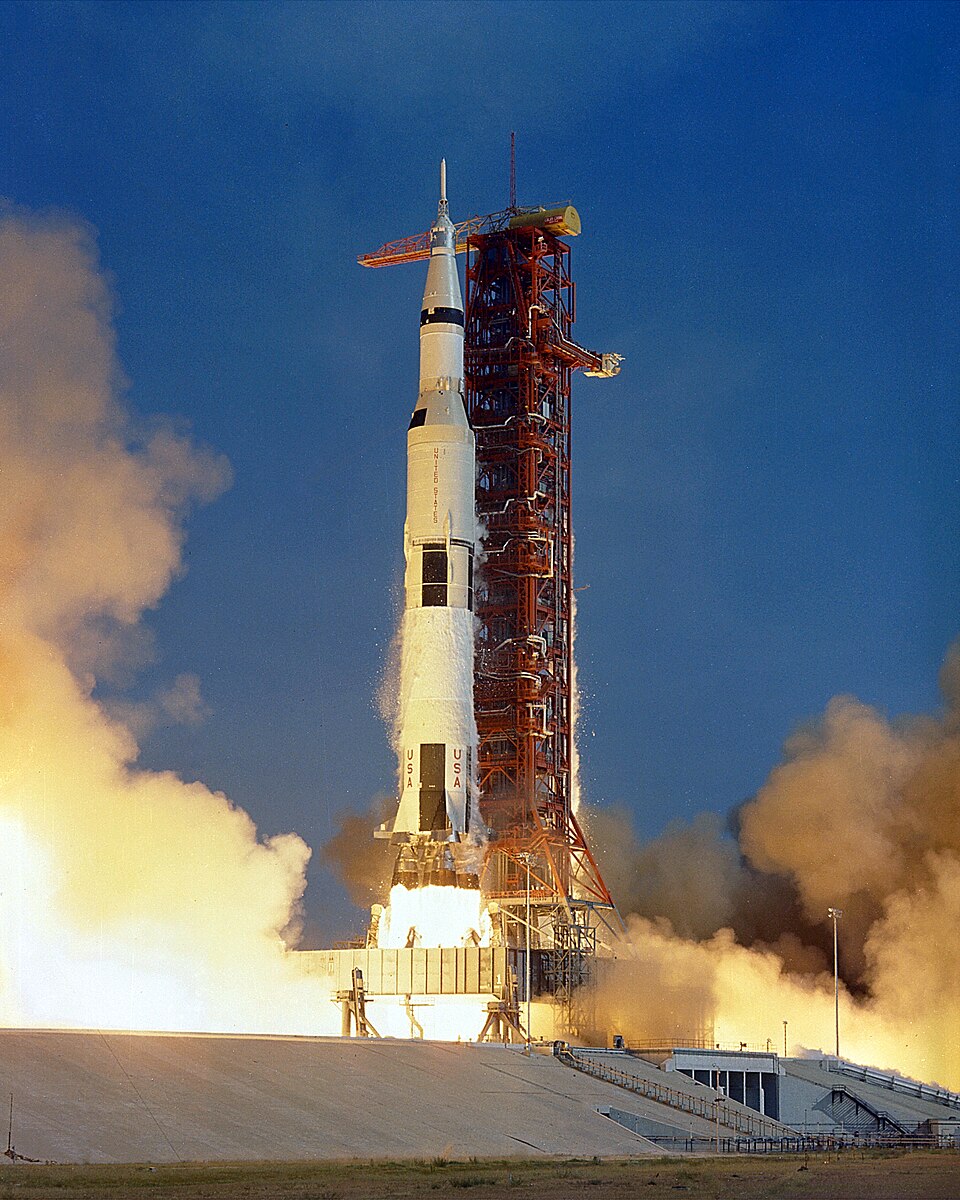
Aerospace Engineer: Designs, analyzes and certifies the aircraft, rockets and spacecraft that leave the ground, working to safety margins that leave no room for guessing.
An aerospace engineer designs, analyzes and certifies the vehicles that leave the ground: airliners, fighter jets, satellites, rockets and spacecraft. The discipline splits into aeronautical engineering, covering flight inside the atmosphere, and astronautical engineering, covering flight in space, though most engineers train across both before specializing. A single vehicle program routinely employs specialists in aerodynamics, structures, propulsion, materials, and guidance and control, none of whom could build the whole thing alone.
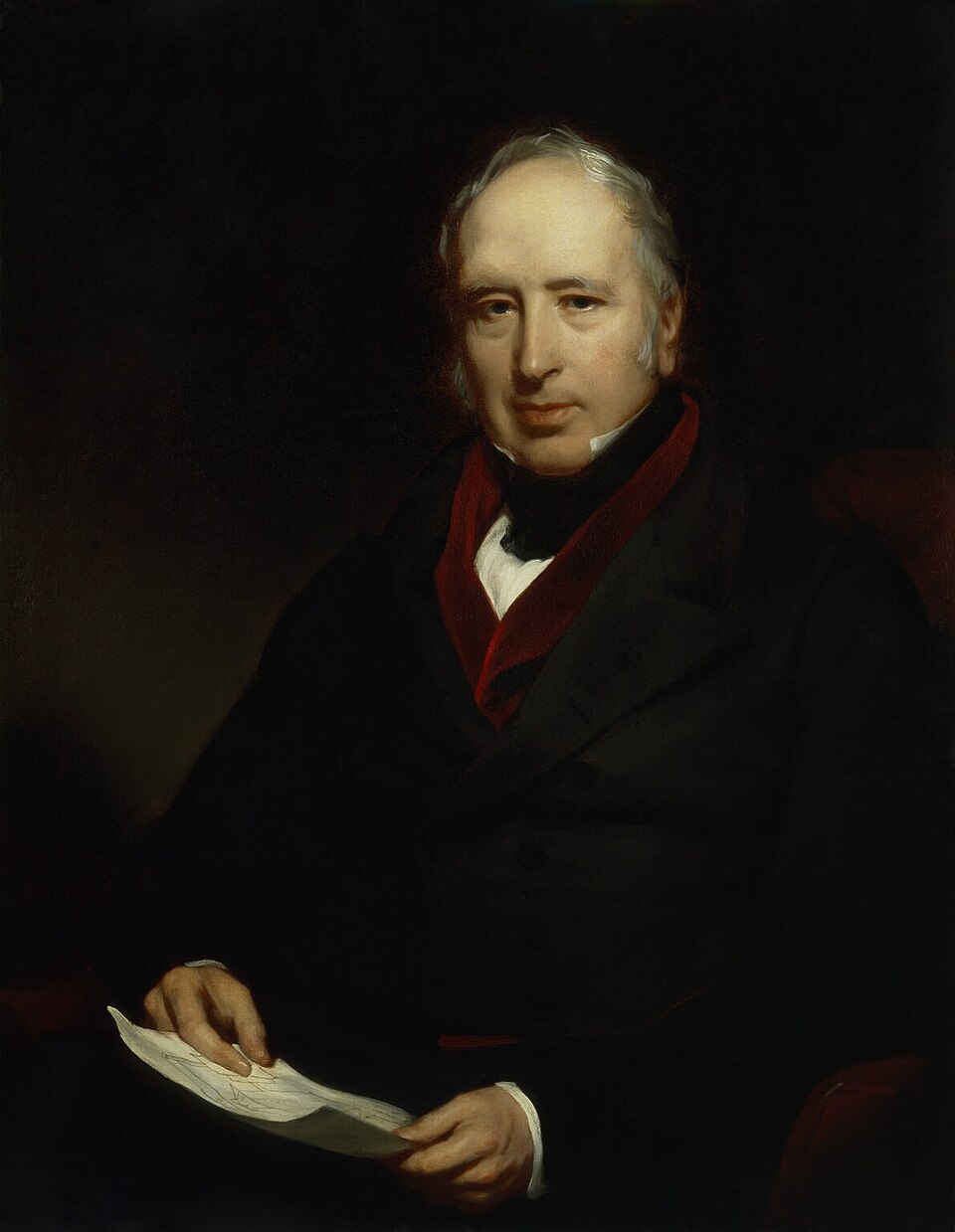
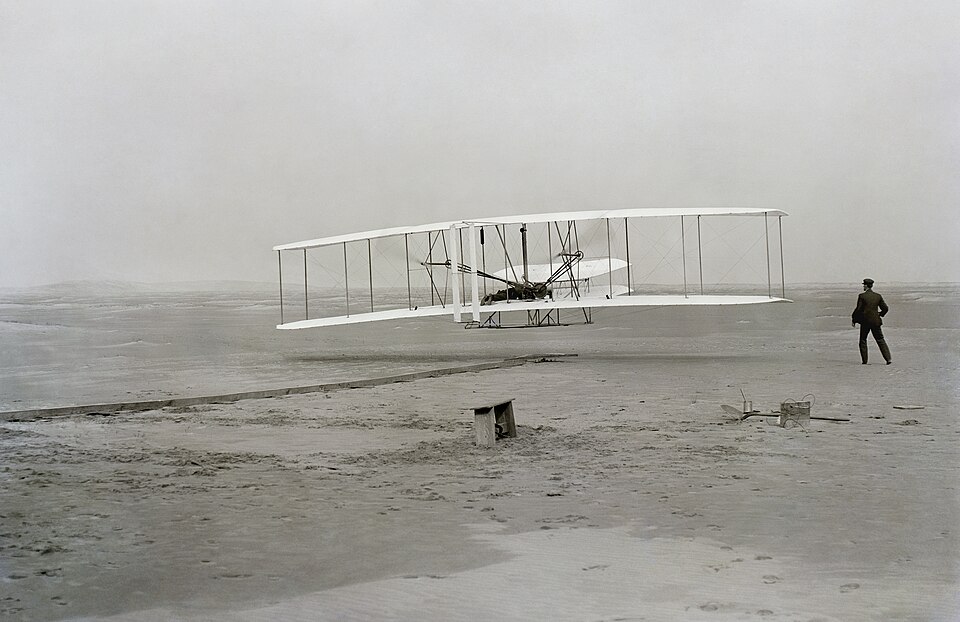
The field is barely two centuries old as an organized science. George Cayley identified the four basic forces acting on a flying object in 1799, the Wright brothers achieved the first sustained powered flight in 1903, and much of the profession's core mathematics — boundary-layer theory, supersonic flow, orbital mechanics — was worked out within a single working lifetime, mostly across Germany, Britain, the United States and the Soviet Union.
What makes aerospace engineering unusual among technical professions is how little margin for error the finished product tolerates: a bridge that is slightly overbuilt just costs more, but an aircraft or rocket that is slightly wrong can fail catastrophically, in public, with people aboard. That reality has shaped the field's culture of formal reviews, documented margins and cautious, incremental change more than any single invention has.
Inside the profession
An aerospace engineer designs, analyzes and certifies vehicles that leave the ground, working inside safety margins where an untracked assumption can become a lost aircraft or a failed launch.
Margin is tracked, not assumed
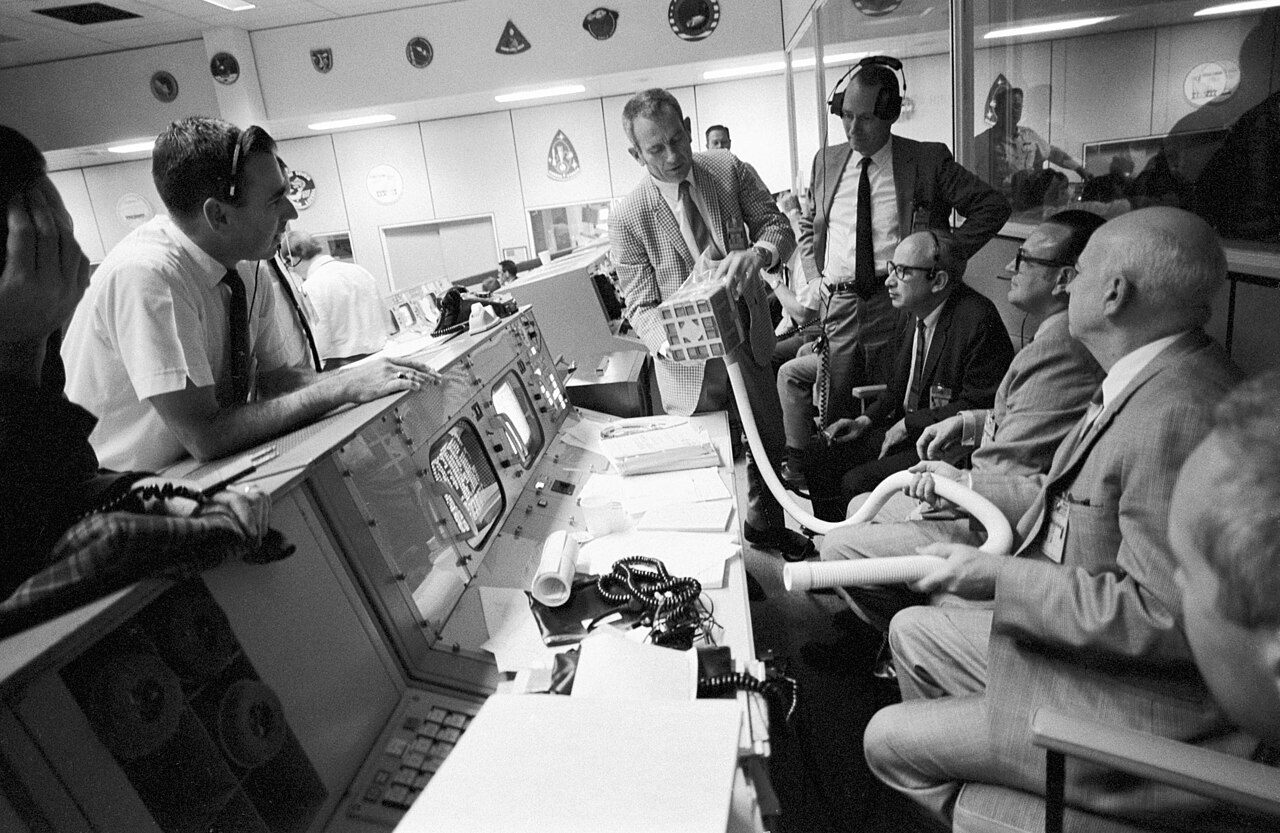
The working day often opens with overnight simulation results, test data and a short standup before CAD, CFD or structural analysis fills the core block. Cross-discipline reviews force structures, aerodynamics, propulsion and systems engineers to reconcile interfaces. Units mistakes, spent margins and model worship are classic failure modes because flight hardware does not forgive silent optimism. 'Test as you fly, fly as you test' remains a practical ethic: an anomaly is data, not an inconvenience to be explained away before the review board.
Paper trails and freezes
Certification culture demands that decisions leave a trail: why a load case was closed, which test validated a model, who accepted a nonconformance. Design freezes exist so manufacturing and analysis stop chasing a moving target; defending the freeze against late wish-lists is part of the job. Designated Engineering Representatives and similar signatories carry personal accountability in some systems. During launch or flight-test campaigns, ordinary evenings disappear; the rest of the year, documentation quality is what keeps the program certifiable.
Degrees, PE and the long apprenticeship
Entry usually runs through accredited aerospace or mechanical degrees at places such as MIT, Georgia Tech, Imperial or Delft, then years of supervised analysis and test support. Professional Engineer licenses, UK CEng and EUR ING mark progression in some jurisdictions; FAA DER authority is a narrower, high-trust gate. Aeronautics and astronautics diverge in vehicles but share the same intolerance for unvalidated guesses. Internships on real programs matter because textbooks do not teach how a configuration control board actually argues.
Digital twins without magical thinking
AI-assisted design exploration and digital twins now multiply trade studies smaller teams can run, while software and autonomy content keep growing inside airframes and spacecraft. Physical testing shrinks in some regimes but does not vanish; models still fail in ways only hardware reveals. Overruling the engineer who says no remains a cultural hazard as old as flight. The craft that survives automation is accountable skepticism: checking units, tracking margin and refusing to certify a story the test does not support.
How the work branches
Five common shapes of the same title — specialty, setting or career path.
Aircraft and launch-vehicle programs
Aerodynamics / performance engineer
Owns flow prediction, loads and performance trades from CFD and wind-tunnel evidence through flight-test correlation.
Airframe and spacecraft teams
Structures engineer
Sizes load paths, analyzes stress and fatigue, and closes margins against certification load cases.
Engine and rocket programs
Propulsion engineer
Works combustion, turbomachinery or thruster performance through analysis, test-stand data and operational limits.
Integrated vehicle teams
Systems / avionics engineer
Defines interfaces, requirements and verification so software, power and control behave as one vehicle.
Test ranges and authorities
Flight-test or certification engineer
Plans instrumentation, interprets anomalies and builds the evidence package regulators and customers will accept.
How it reads by country
Same craft, different gatekeeping, status and daily texture — rewritten for readers in each language.
NASA, primes and DER authority
US aerospace engineers concentrate in primes, suppliers, NASA centers and newer launch firms, with PE and FAA DER paths marking certain sign-off roles. ITAR constraints, program milestone reviews and intense test campaigns shape daily life more than academic theory alone.
KARI, Hanwha and defense-civilian mix
South Korean aerospace work clusters around KARI, defense primes and growing space ambitions. Hierarchy in large conglomerates, national project timelines and export-control sensitivity define careers for engineers leaving KAIST, SNU and similar schools.
JAXA and heavy-industry houses
Japanese aerospace engineers often enter Mitsubishi, Kawasaki, IHI or JAXA-related programs after rigorous university training. Consensus design reviews, meticulous documentation and long product cycles give the craft a distinctive institutional pace.
DLR, Airbus and Luftfahrt certification
German engineers work across Airbus sites, DLR and a dense supplier base under EASA-linked certification culture. Dual study routes, strong manufacturing integration and formal Technische standards shape how analysis meets the shop floor.
CEng, Farnborough and wing heritage
UK aerospace careers often run through Airbus, Rolls-Royce, BAE and the Farnborough ecosystem, with CEng marking professional maturity. Flight-test heritage, MoD work and university-industry pipelines from Imperial and Bristol remain central.
MRO hub and regional engineering
Singapore's aerospace strength is heavily maintenance, repair and overhaul plus regional engineering support for fleets and suppliers. ST Engineering and airport-adjacent firms reward avionics, structures and certification skills in a compact, globally connected market.
From the archive
Commons CC/PD images self-hosted for this profession.
Why attitude matters here
An aerospace engineer's analysis tools set what can be calculated, but attitude decides whether an anomaly is investigated or explained away, and whether the person who says 'not ready' is overruled before flight.
Flight does not grade on a curve
A bridge that is slightly overbuilt costs money; a vehicle that spends untracked margin can kill people. Engineers who treat a green dashboard as truth, or skip unit checks because the model 'usually' works, discover the error in telemetry they cannot rewind. Attitude toward skepticism under schedule pressure is a safety system equal to any CFD code.
The quiet engineer who says no
Programs fail when leadership rewards only the voice that protects the milestone date. Overruling the person who found a cracked assumption teaches every junior to stay silent next time. The stance toward welcoming dissent in design review—not performing it—determines whether certification theater becomes real verification.
Paper is part of the vehicle
If the rationale for a waived test or closed anomaly lives only in someone's head, the next campaign inherits a trap. Building the trail while the decision is made, not after the press release, is tedious attitude work. Skill at analysis fails if the program cannot prove what was believed and why.
Stances that hold up under pressure
Five concrete postures the work rewards, not slogans.
Check the units before the number
Verifying dimensions and coordinate frames on every critical result, including familiar models, rather than trusting a plausible magnitude. Unit errors are legendary in aerospace precisely because they survive peer enthusiasm.
Track margin explicitly
Recording where structural, thermal or performance margin is held and spent, instead of assuming leftover capability somewhere in the stack. Untracked margin is imaginary margin, and imaginary margin fails in flight.
Treat anomalies as data
Opening an investigation when a test disagrees with the model, rather than massaging the story to protect the review date. Explaining away a signal is how repeats become disasters with familiar signatures.
Defend the design freeze
Resisting late changes that invalidate analysis and manufacturing without a formal reopen, even when a senior stakeholder wants one more feature. Moving targets produce hardware nobody can honestly certify.
Build the trail as you go
Capturing assumptions, waivers and verification evidence contemporaneously, not reconstructing them for auditors after launch week. Memory is not a configuration-management system, and neither is Slack.
Moments that reveal it
Situations that separate résumé language from how someone actually practices.
A pre-review anomaly that threatens the milestone
Whether the engineer escalates with evidence, or helps craft an explanation that clears the gate, is the classic loyalty-versus-physics test. Schedules do not absorb kinetic energy when the vehicle finally flies.
A senior voice wants to spend a little margin
Demanding the tracked number and the consequence, rather than nodding along in the meeting, shows whether margin discipline is real. Quiet assent is how stacks of small spends become a single large failure.
Overnight sim results look too clean
Rechecking setup, units and boundary conditions before celebrating, instead of screenshotting success for the standup. Pretty plots are not correlation, and clean curves often hide a wrong assumption.
Launch or flight-test sleep deprivation
Handing off when impaired, and refusing irreversible steps on ego, reveals attitude when campaign culture praises endurance. Tired engineers certify stories they would reject on an ordinary Monday morning.
Where "calling" turns harmful
Mission as unpaid crunch
Aerospace culture often frames 80-hour launch campaigns and weekend anomaly hunts as proof of calling while programs understaff verification on purpose. Passion language can excuse burnout, silence about schedule coercion and the sidelining of engineers who slow a date. Dedication that replaces adequate test time becomes a way to transfer risk onto the flight crew and the public.
The profile
Resists AI74
Pay78
Barrier to entry74
Autonomy52
Demand65
Impact90
How exposed is it to AI?
Low
A meaningful share of routine stress and CFD analysis, first-draft documentation and parametric design exploration is already faster with AI assistance. What resists automation is the accountable judgment call — deciding a margin is safe enough to fly, reconciling subsystems that constrain each other in ways no single model has full visibility into, and being legally answerable when a design fails.
What does an aerospace engineer actually do day to day?
Most aerospace engineers specialize in one discipline — aerodynamics, structures, propulsion, or guidance and control — and spend their days running simulations, analyzing test data, and defending design decisions in review meetings. Very few personally build or fly anything; the job is mostly calculation, modeling and coordinating with dozens of other engineers whose work has to fit together exactly.
Do I need a master's degree to become an aerospace engineer?
No — a four-year bachelor's degree in aerospace, mechanical or a related engineering field is the standard entry point at most companies and agencies. A master's or PhD becomes useful, and sometimes expected, for research-heavy roles, propulsion specialization, or work at national labs, but most production engineering jobs hire straight from an undergraduate program.
What's the difference between aeronautical and astronautical engineering?
Aeronautical engineering covers vehicles that fly within the atmosphere — airplanes, helicopters, drones — relying on aerodynamic lift. Astronautical engineering covers vehicles that operate in or travel through space — rockets, satellites, spacecraft — where orbital mechanics and propulsion in a vacuum matter more than lift. 'Aerospace engineering' is the umbrella term covering both, and most degree programs teach a shared core of each.
Is aerospace engineering at risk from AI?
Parts of it, yes. Routine stress calculations, first-draft CAD detailing and boilerplate compliance paperwork are increasingly generated or checked by software. What resists automation is the judgment call under uncertainty — deciding a margin is safe enough to fly, integrating a dozen subsystems that all constrain each other, and being accountable when a physical test contradicts the model.
How much do aerospace engineers earn?
It varies by country and sector. In the United States the median is roughly $130,000 a year; in France or Germany a mid-career engineer typically earns €45,000–€80,000; in India, salaries at ISRO or private space startups run well below Western levels in dollar terms. Defense-sector roles and senior technical leadership positions pay considerably more than the median almost everywhere.
Do aerospace engineers need a security clearance?
Often, yes, if the work touches defense or classified space programs — a large share of aerospace jobs in the United States, Russia, China and similar countries do. Clearance requirements typically restrict these roles to citizens of the country involved, which is one reason the field's hiring pool is more nationally segmented than software engineering or most other technical professions.
What's the hardest part of the job that people don't expect?
Not the math — it's the paperwork and the patience. A single design change can require re-running analyses, updating dozens of interface documents, and defending the change in front of a review board, sometimes over months. Programs also run on multi-year timelines, so an engineer might work for years on a vehicle before ever seeing it fly.
Can aerospace engineers work on both aircraft and spacecraft during their career?
Yes, though most specialize early because the underlying physics, tools and certification regimes differ substantially — aircraft work is governed by aviation authorities like the FAA or EASA, while spacecraft work usually isn't. Engineers do move between the two, especially as commercial spaceflight companies increasingly hire aviation-trained structural and propulsion engineers for their overlapping skills.
Embed this ranking
Paste this code into your blog or site — the ranking stays up to date.