An architect designs buildings and the spaces around them, then stays legally responsible for making sure what gets built is safe, functional and matches the drawings. The work sits between art and engineering: a design has to satisfy a client's budget and ambitions, a structural engineer's calculations, a city's building code, and the daily experience of the people who will use the finished building for decades. Few professions carry consequences this physical for a creative decision.
The profession is old enough that Imhotep, credited with Egypt's Step Pyramid around 2650 BCE, is the first architect in history known by name, yet the modern licensed architect — required to pass exams and years of supervised experience before signing a drawing — is barely a century old. Licensing, education and pay differ sharply by country: a newly registered architect in London earns a fraction of a partner's salary at a large American or Gulf firm, and building customs from Tokyo to Lagos shape what the job actually is.
This page traces the profession from Imhotep and Vitruvius through the medieval master mason, the Beaux-Arts academy and the Bauhaus, to today's software-driven practice. It covers how architects train, what the work looks like day to day, who its most celebrated figures are, and how exposed the job is to automation — a live question now that software can generate hundreds of floor-plan options before lunch, though someone still has to decide which one is right and defend it to a planning board.
Inside the profession
Architecture is the public negotiation between imagination, physics, money, law and the people who will live with a building long after its drawings are forgotten.
What the day actually is
Architects spend less time sketching alone than the cultural image suggests. They coordinate consultants, revise documents, explain choices to clients, answer contractor questions and protect a design through permits and construction. A drawing is a promise that has to survive weather, budgets and code.
The author and the team
Buildings have a named architect, but they are collective work. Structural, mechanical, landscape and cost specialists change what is possible; the architect often holds the brief together when those systems conflict. Credit is visible, authority is shared and liability is real.
How the gate works
In many jurisdictions the title and the ability to sign work are regulated. Education, supervised experience and examinations matter, though routes vary. A striking portfolio gets attention; knowledge of procurement, detailing and code keeps a practice employable.
What is shifting
BIM, parametric tools and image generation speed iteration, but they do not settle whether a school works for teachers or whether a retrofit can be built safely. Climate adaptation, embodied carbon and reuse are moving architecture from new objects toward careful stewardship.
How the work branches
Five common shapes of the same title — specialty, setting or career path.
Studios and competitions
Design architect
Leads concept, form, client storytelling and the design direction a consultant team must later make buildable.
Delivery teams
Project architect
Coordinates drawings, specifications, consultants and approvals from developed design through construction.
Complex buildings
Technical architect
Focuses on envelopes, details, regulations and the interfaces where expensive failures begin.
Cities and public realm
Urban or landscape architect
Works at district or site scale, balancing mobility, ecology, public use and long timelines.
Heritage and retrofit
Conservation architect
Adapts existing buildings while protecting fabric, historical significance and new safety requirements.
How it reads by country
Same craft, different gatekeeping, status and daily texture — rewritten for readers in each language.
United States — licensure by jurisdiction
State boards regulate practice, with education, experience and examinations forming the usual route. Procurement and liability vary greatly between private development, public work and design-build delivery.
South Korea — density and development pace
Seoul's dense redevelopment market and major engineering firms shape opportunities. Formal credentials matter, while project teams often work through demanding approval and construction schedules.
Japan — detail, disaster resilience and firms
Earthquake resilience and craft-level detailing are central to practice. Large offices can offer broad project exposure, while smaller studios preserve a strong author-led design culture.
Germany — chambers and technical rigor
Professional chambers, energy standards and meticulous documentation structure the work. Renovation, housing and industrial projects reward technical depth as much as visual authorship.
United Kingdom — RIBA routes and planning
The education-and-practice path is well defined, but planning, procurement and fee pressure dominate everyday work. London has concentrated opportunity alongside high living costs.
Singapore — tropical density and public delivery
Land scarcity, public housing and climate-responsive design create a distinctive market. Regional firms also use Singapore as a base for Southeast Asian projects.
From the archive
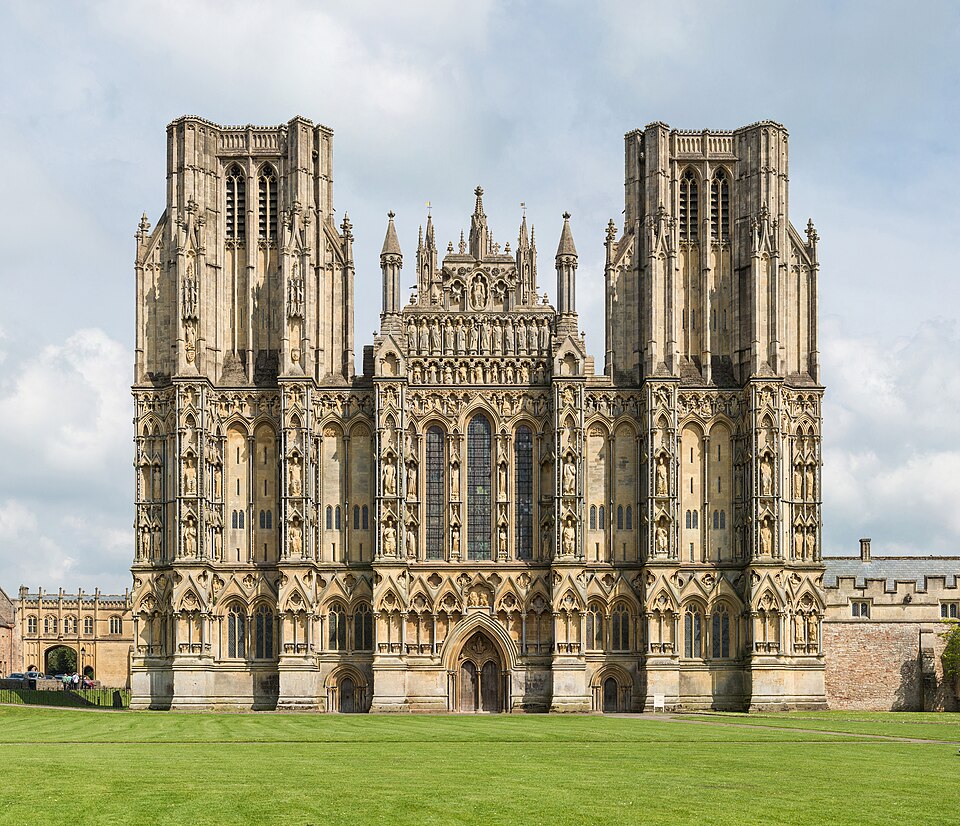
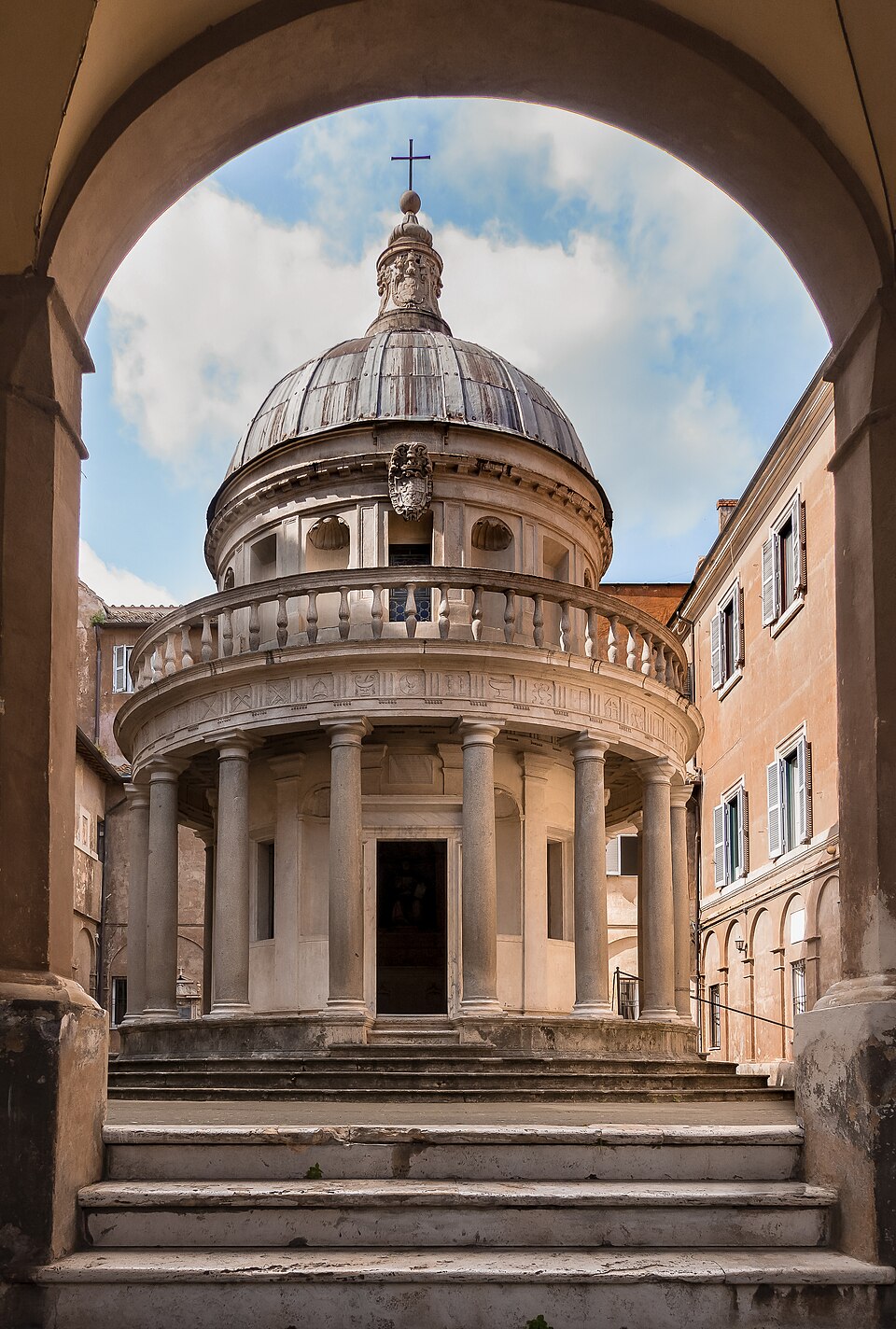
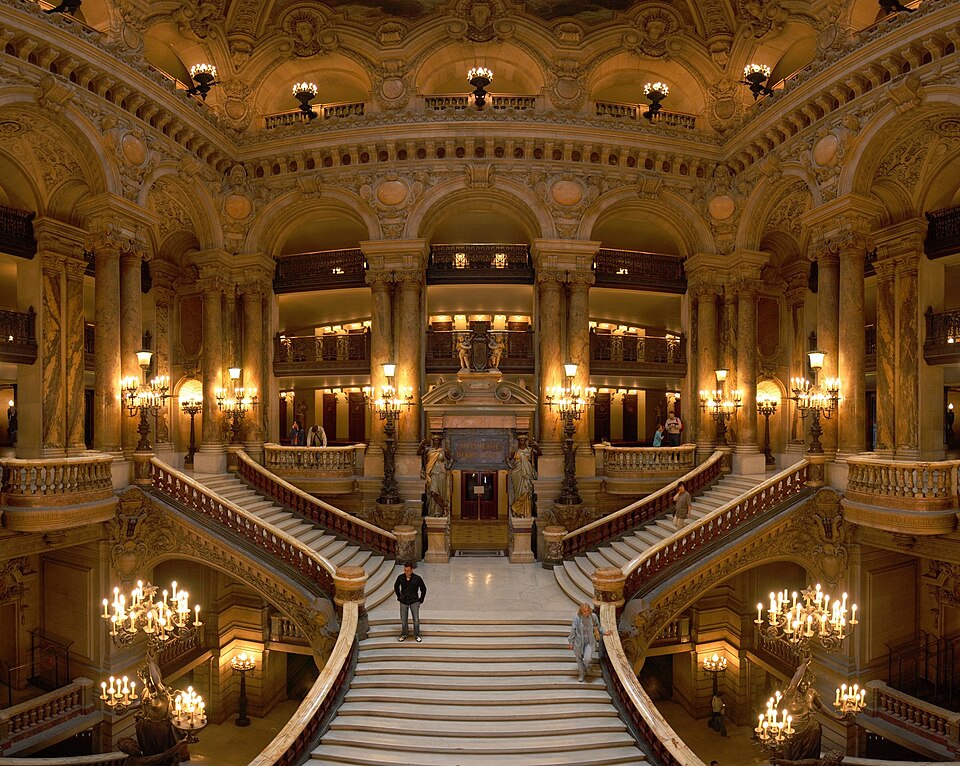
Commons CC/PD images self-hosted for this profession.
Why attitude matters here
An architect's drawings can be technically competent and still produce a building that fails the people who use it for decades, because so many of the decisions that matter are the ones no client ever asks about.
Protecting life-safety details nobody will ever offer thanks for
A fire-rated wall, an adequate egress path, or a structural detail drawn correctly costs money and adds nothing anyone will notice unless it fails, at which point it is catastrophic. An architect who holds the line on these details under budget pressure, with no one checking their work in the moment, is the reason a building is safe; the decision is invisible until the day it isn't.
Telling a client their brief won't work
A client who has fallen in love with a floor plan, a site orientation, or a budget that doesn't actually fit their program needs to hear that from the architect before construction starts, not after. Softening that conversation to keep the client happy defers the same bad news to a point where it costs far more to fix, in money and often in safety.
Staying present through construction, not just design
A beautifully designed building can be quietly value-engineered into something worse on-site, detail by detail, if the architect isn't there checking that what gets built matches what was drawn. Treating construction administration as an afterthought once the design phase billing is done is how a design's actual integrity gets lost between the drawing and the finished building.
Stances that hold up under pressure
Five concrete postures the work rewards, not slogans.
Flags a code or safety issue even when it delays the schedule
Raises a life-safety or structural concern the moment it's noticed, rather than letting it slide to keep a permit review or construction schedule on track, even when the fix means real added cost or delay.
Tells the client the truth about a budget that doesn't fit the brief
Says plainly, early, that a client's program can't be built for the stated budget, instead of proceeding with an optimistic design that will require a painful scope fight once construction bids come in.
Visits the site during construction, not just at milestones
Checks work in progress against the drawings in person, rather than relying only on photos or a contractor's word that a change was made as specified when it actually mattered structurally to the building.
Pushes back on a value-engineering swap that erodes the design's intent
Objects to a cheaper material or detail substitution when it undermines a design decision that mattered, instead of approving any change that keeps the budget on track regardless of what it costs the design.
Owns a design failure instead of blaming the contractor
Acknowledges when a problem traces back to an unclear or incomplete drawing, rather than letting the builder quietly absorb blame for following instructions that were genuinely ambiguous from the start.
Moments that reveal it
Situations that separate résumé language from how someone actually practices.
A client wants to cut the accessibility ramp to save money
A tight budget review turns to a code-required accessibility feature the client sees as expendable. Whether the architect treats this as non-negotiable or as one more line item to trade away reveals what they actually consider load-bearing.
A contractor proposes a substitution mid-construction to save time
A material swap would keep the project on schedule but subtly changes a detail the architect specified for a real reason. Approving it quickly avoids conflict; questioning it risks a delay the client will notice and blame the architect for.
The site visit reveals work that doesn't match the drawings
A wall, a beam, or a connection was built differently than specified, and it's unclear whether it's still safe. Whether the architect flags it immediately, even though it means an uncomfortable conversation and possible rework, is diagnostic.
A prestigious commission conflicts with an honest cost estimate
A high-profile project could make an architect's career, but an honest budget assessment says the client's vision needs to shrink. Telling the client that risks losing the commission to a competitor willing to overpromise.
Where "calling" turns harmful
"Starchitect" mystique used to justify unpaid design competitions and crunch
Architecture culture often treats unpaid design competitions as a normal way to break into the field, framing the exposure as opportunity rather than free labor, and junior architects are frequently expected to work unpaid overtime before a deadline because the profession is described as a calling rather than a trade. "Lucky to even work here" is a line well-known firms have used to justify wages that lag far behind the hours required.
The profile
Resists AI78
Pay48
Barrier to entry83
Autonomy56
Demand58
Impact83
How exposed is it to AI?
Low
Roughly a fifth of the profession's work — generating design options, checking code compliance line by line, producing routine construction documents — is already well suited to automation. The remainder depends on judgment, persuasion and legal accountability that current AI cannot take on, which is why architecture consistently ranks among the more automation-resistant licensed professions.
How many years does it take to become an architect?
In most countries it takes five to seven years of accredited university study followed by several years of supervised practical experience before a licensing exam. In the United States, NCARB reports the average candidate now takes 13.3 years from entering architecture school to earning a license, though newer programs that overlap study with paid experience are shortening that timeline.
What is the difference between an architect and a civil engineer?
An architect designs a building's form, layout, materials and the experience of the people who use it, and carries legal responsibility for the overall design. A civil engineer designs the structural, transport or infrastructure systems that make a design physically stand up or function. On most buildings, engineer and architect work as partners, with the architect usually leading the client relationship.
Do you need a license to call yourself an architect?
In most jurisdictions, yes — "architect" is a legally protected title, not just a job description. Someone can design buildings and work in a firm for years as a designer or project architect without being licensed, but only a registered architect can legally stamp construction drawings, and using the title without registration can carry fines or even count as a criminal offence.
How much do architects earn?
It varies enormously by country, seniority and firm size. The median pay for an architect in the United States was $96,690 a year in 2024, according to the Bureau of Labor Statistics, ranging from around $60,000 for the newest licensees to over $159,000 for the most experienced. Owners and partners of successful firms can earn considerably more; salaried architects elsewhere typically earn solid middle-class wages.
Is architecture a safe career if I'm worried about AI?
The tasks most exposed to AI — generating floor-plan options, checking code compliance, drafting routine construction documents — are already the least valued parts of the job. What survives is judgment a machine cannot yet own: reading a site, persuading a client and a planning board, coordinating dozens of consultants, and taking personal legal responsibility if the building fails. That combination has kept the core role stable for centuries.
What software do architects use?
Most firms now design in Building Information Modelling software such as Autodesk Revit or Graphisoft ArchiCAD, which builds a data-rich 3D model rather than flat drawings, alongside 2D tools like AutoCAD for detailing. Rendering commonly uses software such as Enscape, Lumion or Twinmotion, and some practices use parametric tools like Rhino with Grasshopper for complex, computationally generated geometry.
Can you become an architect without an architecture degree?
It is very difficult in countries with strict licensing, such as the United States, United Kingdom or most of the European Union, where an accredited degree is normally required to sit the licensing exams. A shrinking number of jurisdictions still allow a longer, employer-supervised experience-only path instead of a degree, and titles like "building designer" let people do design work without ever becoming a licensed architect.
What's the difference between an architect, an interior designer and a contractor?
An architect is legally responsible for a building's overall design and, in most countries, for the drawings submitted for permit and construction. An interior designer typically shapes the finishes, furniture and layout of interior space and may not need to be licensed. A general contractor manages the physical construction — hiring trades, ordering materials, keeping the project on schedule — but does not design the building.
Embed this ranking
Paste this code into your blog or site — the ranking stays up to date.