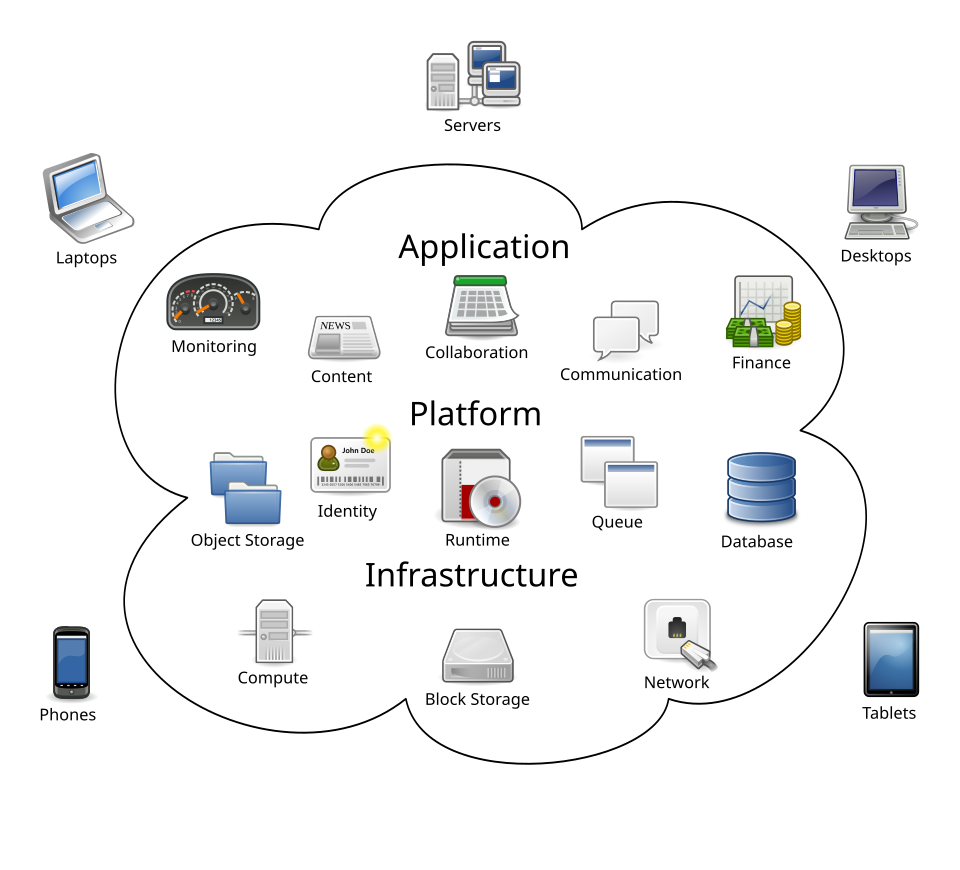
Cloud & platforms
Hyperscale infrastructure and developer tools.
Algorithms, systems and software — how machines are made to reason, store and communicate.
Also called: Computing · Informatics
Reviewed 2026-08-08·Media credits

Darker cells mean a higher score for this topic on that metric.
LessMore
Each bar is a 0-100 atlas score for this topic, not a timeline.
Last reviewed Sources & creditsMedia creditsMethodology
Computer science trains you to specify, build and reason about software and systems — algorithms, data structures, architecture and the failure modes that appear at scale. Early semesters share discrete maths and programming habits; later work splits into systems, AI, security or human–computer interaction depending on the department.
Campus reality is labs with shared machines, overnight project rooms and version-control culture more than lecture theatres alone. Some programmes still force hardware or OS labs in person; others are almost fully screen-native. Group projects and code reviews are where grades and reputation actually form.
Graduates move into software engineering, research, data roles and product work — and into fields that borrow CS methods. Scores on this site are relative among forty majors, not a ranking of universities or a job guarantee.
Typical bachelor years: 4
Scores are relative across the forty majors on this site — not absolute rankings of universities.
Popularity & Demand →Sectors where graduates and research from this field show up most often — plates from Wikimedia Commons.
Hyperscale infrastructure and developer tools.
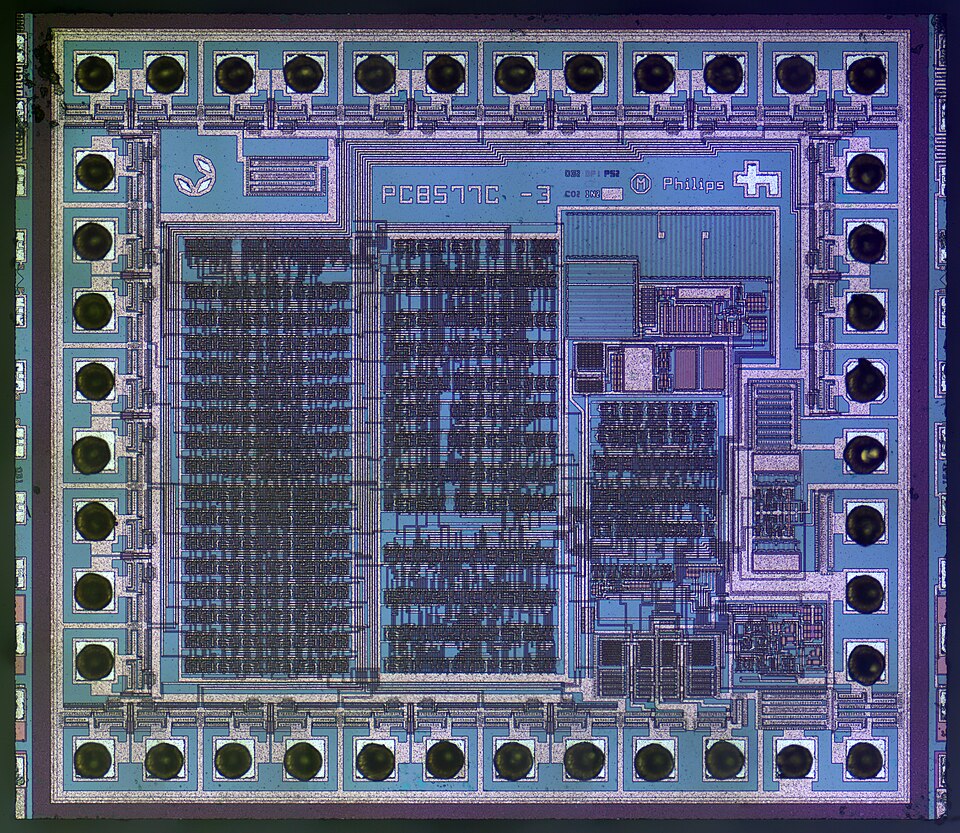
Chip design and the software that programs them.

Real-time graphics, engines and live services.
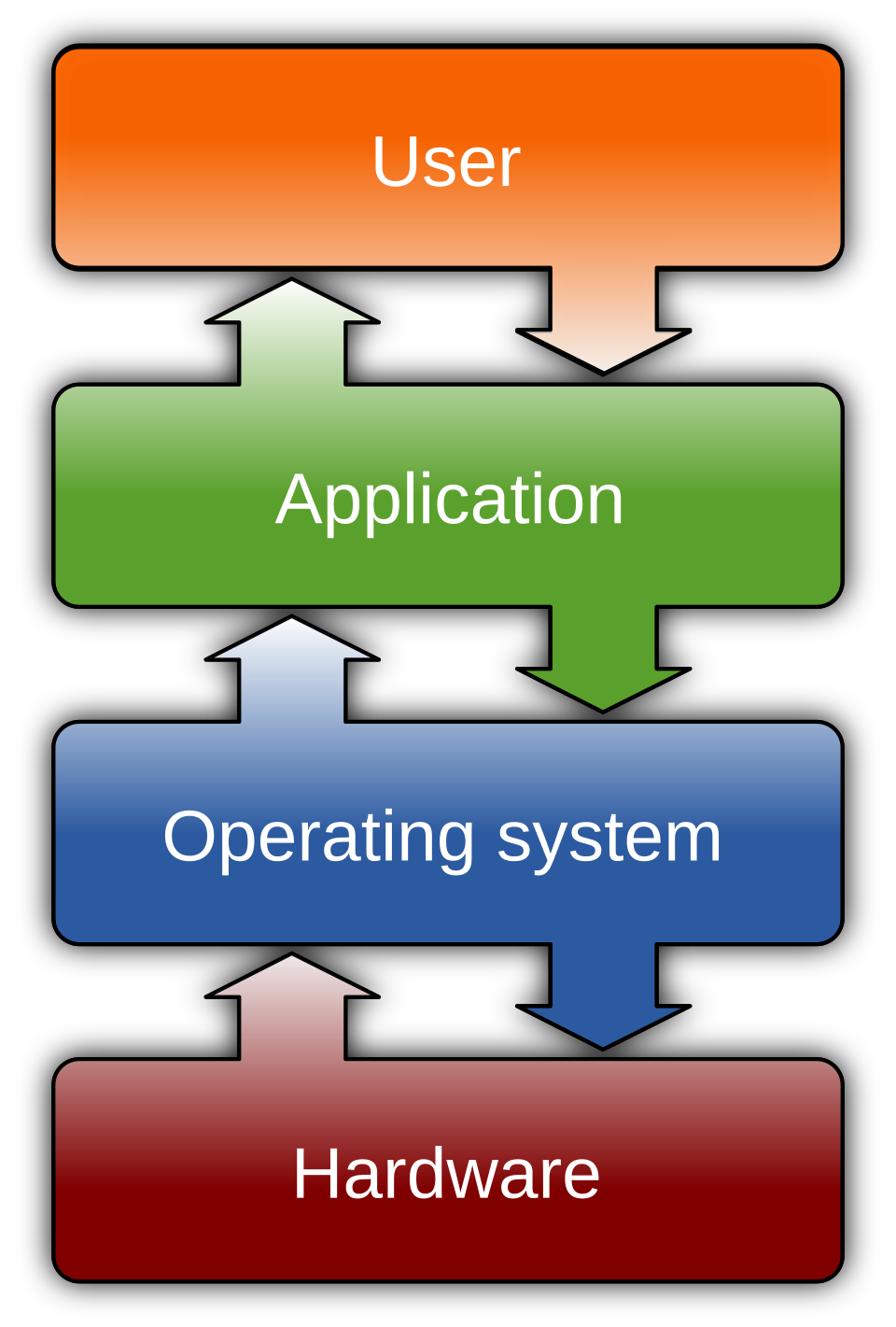
Defence of networks, code and identity.
Checkable figures whose work still frames how the discipline is taught and practised.
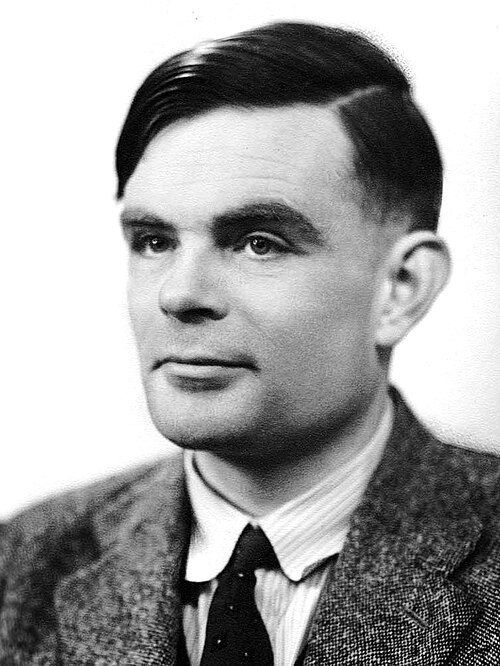
Computing pioneer
1912–1954
Elliott & Fry · Public domain
Compiler pioneer
1906–1992
James S. Davis · Public domain
Algorithms author
1938–
Alex Handy · CC BY-SA 2.0
Linux creator
1969–
Krd (photo) Von Sprat (crop/extraction) · CC BY-SA 4.0Same-field head-to-heads built from the six score axes.
Why labels are thematic — not a ranking of better majors.
Scores are browsing aids for curriculum and career lanes, not a league table of worth.
Forces, materials and machines — designing things that move, bear load and last.
Employability 86 Same field neighbourStatistics, computing and domain sense — turning messy data into decisions that hold up.
Employability 92 Same field neighbourCircuits, fields and signals — powering, sensing and communicating the physical world.
Employability 88 🔧Forces, materials and machines — designing things that move, bear load and last.
Employability 86 🌉Infrastructure that societies stand on — bridges, water, roads, cities and codes.
Employability 84 ⚗️Turning reactions into plants — scale, safety and efficiency from molecule to factory.
Employability 82 🛰️Flight in air and vacuum — structures, propulsion, guidance and certification.
Employability 76 📊Statistics, computing and domain sense — turning messy data into decisions that hold up.
Employability 92 🧮Proof, structure and abstraction — the language that other sciences borrow.
Employability 70 ⚛️Matter, energy, space and time — from lab benches to the edge of the observable.
Employability 68 🧪Molecules and reactions — how substances change, bind and are made safely.
Employability 72 📉Uncertainty made usable — design, inference and the ethics of claiming a pattern is real.
Employability 88