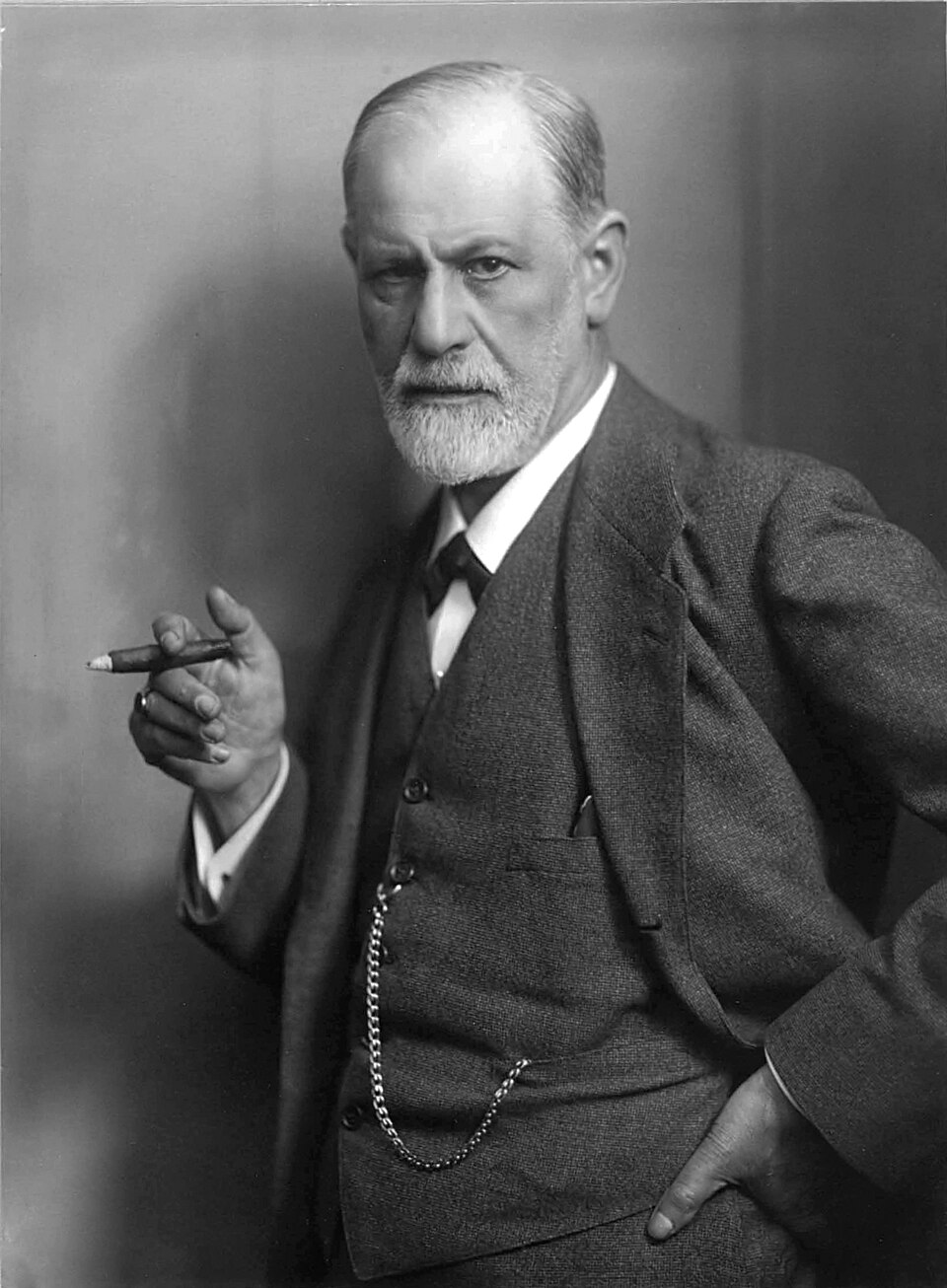
Diagnoses and treats mental illness through medication and therapy, one of medicine's only specialties with legal authority to detain a patient in crisis.
Also called: Alienist · Mental health physician · Shrink
Psychiatrist: Diagnoses and treats mental illness through medication and therapy, one of medicine's only specialties with legal authority to detain a patient in crisis.
A psychiatrist is a physician who diagnoses and treats mental illness, licensed to prescribe medication and, in most countries, one of the few professionals with legal authority to detain a patient against their will for safety. That distinguishes the role from a psychologist, who holds a doctorate in psychology rather than medicine and in most places cannot prescribe, and from a general therapist or counselor, whose training is shorter and narrower. A psychiatrist's toolkit spans medication, talk therapy, and, in severe cases, procedures like electroconvulsive therapy — reasoning across biology and biography at once.
The profession's authority once rested on custody, not cure: for centuries the mentally ill were confined in asylums by keepers with little ability to treat what they observed. Philippe Pinel's removal of chains at Paris's Bicêtre in 1793, Emil Kraepelin's turn-of-the-century classification of psychosis, and the 1952 arrival of chlorpromazine — the first drug that reliably calmed psychotic symptoms — each pushed the job further from custodian toward physician. The DSM's 1980 shift to checklist-based diagnosis then remade how psychiatrists talk to each other about what they're treating at all.
Today the job splits sharply by country: some psychiatrists spend most of a session prescribing and monitoring medication in fifteen-minute slots, others still deliver an hour of talk therapy themselves. Global demand is rising faster than training pipelines can fill it, telepsychiatry has made rural and cross-border care routine, and ketamine- and psilocybin-based treatments are re-entering serious clinical trials after a half-century of prohibition. Nothing about the underlying task — reasoning about a mind through incomplete, self-reported evidence — is easy to hand to software, but the paperwork increasingly is.
Inside the profession
A psychiatrist is a physician who diagnoses and treats mental illness with medication and therapy, and in most countries holds rare legal power to detain a person in crisis against their will.
Diagnosis under incomplete speech
Psychiatric assessment rebuilds a life history, not only a presenting complaint: onset, substances, medical mimics, trauma, supports and the patient's own words recorded before they are translated into a code. Anchoring on the first label offered in a referral letter is a classic error. Asking about suicide directly, rather than around it, is a craft rule because indirect probes miss intent. Countertransference—irritation, rescue fantasies, premature certainty—has to be noticed as clinical data. The relationship is often part of the treatment, not merely a delivery channel for a prescription.
Medication, therapy and the fifteen-minute slot
Practice splits by country and setting. Some psychiatrists run medication-management visits measured in minutes; others still deliver longer psychotherapy themselves. Hospital work adds inpatient rounds, overnight incident review and consultation-liaison on medical wards. Choosing an agent means tracking side effects, interactions and whether the diagnosis still fits after re-interview. Newer protocols around ketamine and psychedelic-assisted treatment demand monitoring frameworks the old asylum pharmacy never needed. Documentation and prior authorization routinely invade the lunch hour.
The long gate through medicine
Entry is medical school, then specialty training: ABPN certification in the United States, MRCPsych in Britain, Facharzt für Psychiatrie und Psychotherapie in Germany, RANZCP fellowship in Australasia. The legal authority to detain under mental-health statutes is taught alongside pharmacology because liberty and risk are clinical variables. Child, forensic, geriatric and addiction paths branch after the core. No shortcut replaces supervised exposure to psychosis, mood disorders and personality complexity under attendings who will challenge a premature formulation.
Telepsychiatry and AI change the waiting room
Telepsychiatry has moved from novelty to default in many systems, widening access while complicating risk assessment without a full sensory field. AI tools increasingly flag notes, suggest differential lists or draft documentation, shifting junior work toward review. Demand chronically outstrips supply in most countries, so triage attitudes matter as much as clinic capacity. What does not automate is accountable judgment about detention, capacity and whether a checklist diagnosis fits the person in the chair.
How the work branches
Five common shapes of the same title — specialty, setting or career path.
Clinics and private practice
Outpatient psychiatrist
Runs diagnostic evaluations and ongoing medication or therapy visits, often under insurer time pressure and heavy documentation load.
Psychiatric hospitals and wards
Inpatient / acute psychiatrist
Manages crisis, detention decisions, rapid medication changes and multidisciplinary rounds after overnight incidents.
General hospitals
Consultation-liaison psychiatrist
Assesses mental illness alongside medical and surgical disease, bridging wards, capacity questions and complex comorbidity.
Pediatric and family services
Child and adolescent psychiatrist
Works with developmental context, schools and guardians, where consent and formulation are shared across a system.
Courts, prisons and secure hospitals
Forensic psychiatrist
Addresses fitness, risk and treatment under legal constraint, writing reports that other institutions will act on.
How it reads by country
Same craft, different gatekeeping, status and daily texture — rewritten for readers in each language.
ABPN boards and fragmented payment
US psychiatrists complete medical school, residency and usually ABPN certification. Practice splits between short medication visits driven by insurers, cash-pay psychotherapy and hospital work; prior authorization and documentation burden shape the week as much as clinical complexity.
Specialty training in a high-stigma context
South Korean psychiatrists train through medicine and specialty boards inside a system where family involvement is often intense and public stigma still shapes help-seeking. Tertiary hospitals concentrate complex care; outpatient slots can be brief relative to formulation needs.
精神保健指定医 and hospital culture
Japanese psychiatrists qualify as physicians then specialists, with designated-psychiatrist status mattering for involuntary care under mental-health law. Hospital-centered practice, detailed charting and long service hours remain common textures of the job.
Facharzt for psychiatry and psychotherapy
Germany's Facharzt für Psychiatrie und Psychotherapie route combines medical specialty training with structured psychotherapy competence. Social-insurance outpatient practice, Klinik work and formal Weiterbildung give the career a regulated, dual medication-and-talk character.
MRCPsych and NHS pathways
UK psychiatrists progress through foundation and specialty training toward MRCPsych and consultant posts. NHS multidisciplinary teams, Mental Health Act assessments and waiting-list pressure structure daily work; therapy may be delivered by the psychiatrist or by allied clinicians.
Specialist accreditation in a compact system
Singapore psychiatrists train under tightly regulated specialist pathways in public institutions and private practice. Multilingual families, high academic pressure presentations and regional referral patterns shape caseloads in a small, densely organized health system.
From the archive
Commons CC/PD images self-hosted for this profession.
Why attitude matters here
A psychiatrist's knowledge of diagnosis and drugs is necessary, but attitude decides whether suicide is asked about directly, whether detention is used as care or convenience, and whether the person survives the checklist.
Liberty can be taken on clinical judgment
In most countries a psychiatrist can authorize detention when risk and illness meet legal thresholds. That power fails when fear, annoyance or bed pressure substitutes for a careful assessment of alternatives. Attitude toward due process inside a crisis—hearing the patient, documenting the grounds, reviewing least-restrictive options—is not optional ethics language; it is how the specialty justifies force.
Patients disclose only if someone can bear it
Suicide plans, trauma and shameful symptoms appear when the clinician asks directly and listens without aiming immediately at a code. Anchoring on the referral complaint, or treating the session as a prescription refill, leaves the lethal content unsaid. The stance of attention that is not yet aimed at anything is a clinical instrument, not a soft skill.
Countertransference silently rewrites the plan
Irritation at a 'difficult' patient, over-identification with a charming one, or premature certainty after a single interview can change medication and detention decisions without anyone naming the bias. Psychiatrists who do not treat their own reactions as data repeat formulation errors that look like science on the chart. Attitude toward self-scrutiny protects the next prescription.
Stances that hold up under pressure
Five concrete postures the work rewards, not slogans.
Ask about suicide directly
Using clear language about thoughts, plans and means, rather than circling with euphemisms that patients can honestly dodge. Indirect probes are a documented way lethal intent is missed in otherwise competent interviews.
Record the patient's words first
Writing what was said before translating it into a diagnostic phrase, so later clinicians can see the raw material. Diagnostic language that replaces the quote too early hardens an anchor that may be wrong.
Re-interview before re-labeling
Returning to history and mental state when a treatment fails, instead of stacking medications onto an unchallenged first diagnosis. Checklist stability is not the same as clinical accuracy, and premature certainty hardens errors that look scientific on the chart.
Use detention as last necessary step
Documenting grounds, alternatives tried and the specific risk that justifies loss of liberty, rather than using the ward as a default when outpatient systems are inconvenient. Legal power without that discipline becomes custody.
Notice the feeling in the room
Naming one's own irritation, rescue urge or boredom as countertransference data in supervision or private review, instead of acting it out as a premature discharge or an over-controlled regimen that serves the clinician's comfort.
Moments that reveal it
Situations that separate résumé language from how someone actually practices.
A fifteen-minute medication follow-up
Whether the psychiatrist still asks about mood, sleep, side effects and safety in a way that could catch a new crisis, or treats the slot as a refill signature, is a weekly test insurers never score. Brevity does not cancel the duty.
A family pushing for admission
Holding the legal and clinical threshold against pressure from exhausted relatives—or against one's own wish to end the conflict—shows whether detention criteria are real. Convenience admissions teach the wrong lesson to every trainee watching.
Notes after a draining session
Writing an honest formulation and risk assessment when tired, rather than a template paragraph that could belong to any patient, is unwatched work that the next covering clinician will rely on at 2 a.m.
A telehealth visit with thin sensory data
Deciding when video is enough and when an in-person assessment is required for risk, rather than defaulting to whatever maximizes panel size, separates access rhetoric from accountable practice. Convenience is not a risk assessment.
Where "calling" turns harmful
Calling as unpaid crisis coverage
Psychiatry often praises endless availability to suicidal patients while systems underfund beds, community teams and payment for therapy-length visits. Vocations language can justify unsafe caseloads, midnight callbacks without backup and silence about clinicians' own depression. Dedication that replaces staffing is exploitation dressed as empathy.
The profile
Resists AI73
Pay81
Barrier to entry86
Autonomy64
Demand91
Impact85
How exposed is it to AI?
Low
Roughly a quarter of the day-to-day work — symptom screening, rating-scale scoring, documentation and routine follow-up check-ins — is already being matched or approximated by software. What resists automation is what carries legal and relational weight: the authority to detain a patient for their own safety, years of trust with a returning patient, and risk judgments no algorithm is licensed, or arguably competent, to make alone.
What is the difference between a psychiatrist and a psychologist?
A psychiatrist completes medical school and residency, can prescribe medication, order lab tests and imaging, and in most countries can involuntarily hospitalize a patient in crisis. A psychologist typically holds a doctorate in psychology, not medicine, specializes in psychotherapy and psychological testing, and in most places cannot prescribe. Many patients see both: a psychiatrist for medication, a psychologist for weekly therapy.
How long does it take to become a psychiatrist?
Most countries require roughly eleven to thirteen years past secondary school: four to six years of medical school, then four or more years of psychiatry residency. The United States adds a separate four-year undergraduate degree before medical school even starts; the United Kingdom and much of Europe admit students directly into medicine at eighteen, shortening the total by a few years.
What is the difference between a psychiatrist and a therapist?
"Therapist" is an umbrella term covering psychologists, licensed counselors, social workers and marriage-and-family therapists, most of whom deliver talk therapy without a medical degree or prescribing authority. A psychiatrist is a licensed physician who can also prescribe medication, order medical tests to rule out physical causes of symptoms, and manage the most severe or medically complex psychiatric cases.
How much do psychiatrists earn?
It varies by country and setting. Psychiatrists in the United States earn a mean annual wage of roughly $257,000 (Bureau of Labor Statistics, 2023); NHS consultant psychiatrists in England sit on the same national scale as other consultants, about £93,666 to £126,281; salaried Facharzt psychiatrists in Germany typically earn €90,000 to €110,000. Psychiatrists in lower-income countries often earn far less.
Is psychiatry a safe career if I'm worried about AI?
Screening questionnaires, note-taking and medication-interaction checks are already being automated by AI tools. What resists automation is harder to replace: the legal authority to hospitalize someone against their will, the trust built over years of sessions, and judgment calls about risk that depend on reading one specific, often evasive person accurately — not just matching symptoms to a diagnostic checklist.
Can psychiatrists provide psychotherapy, or do they only prescribe medication?
Psychiatrists are trained in psychotherapy during residency and some spend most of their career delivering it, but in many countries, especially the United States since the 1990s, insurance reimbursement rates have pushed psychiatric practice toward short medication-management visits, with psychologists, counselors and social workers delivering most weekly talk therapy instead.
What is the difference between psychiatry and neurology?
Both specialties treat the brain, but neurology focuses on diseases with a clear structural or electrical cause — stroke, epilepsy, Parkinson's disease — diagnosed largely through imaging and nerve tests. Psychiatry treats conditions defined mainly by symptoms and behavior, such as depression or schizophrenia, where no single scan or blood test yet confirms the diagnosis.
What is the DSM and why does it matter?
The Diagnostic and Statistical Manual of Mental Disorders, published by the American Psychiatric Association since 1952, is the standard reference psychiatrists use to diagnose mental illness through defined symptom criteria. Its 1980 third edition replaced psychoanalytic theory with checklist-style criteria clinicians could apply consistently, and it remains both the field's working tool and one of its most debated documents.
Embed this ranking
Paste this code into your blog or site — the ranking stays up to date.