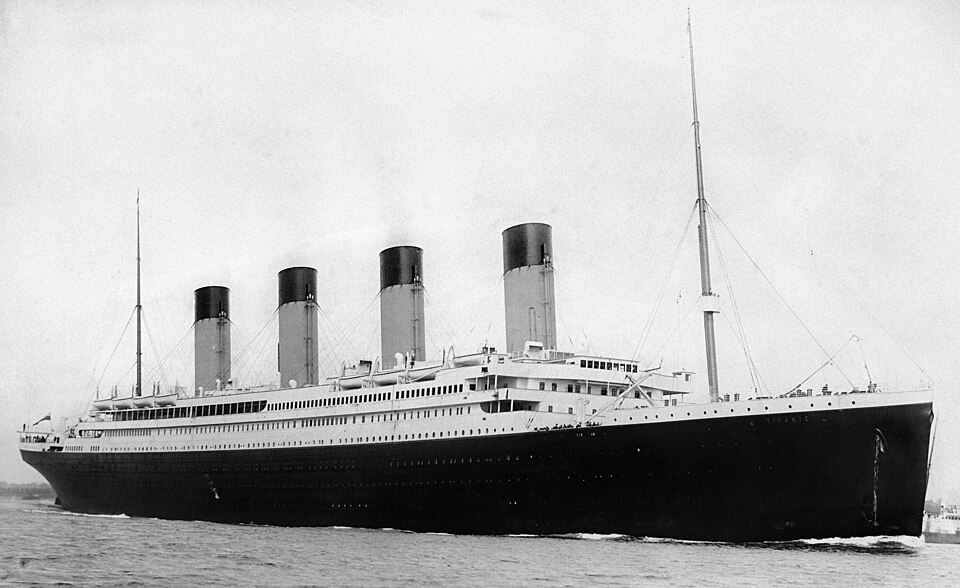
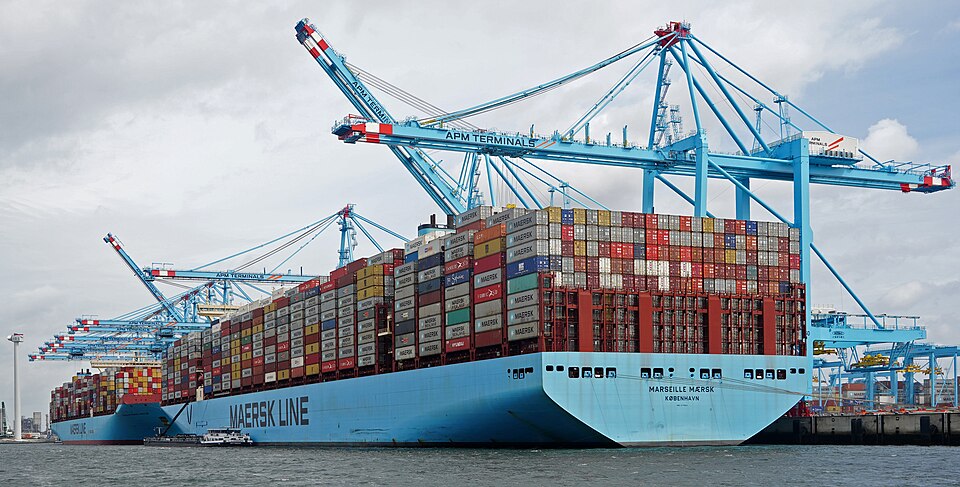
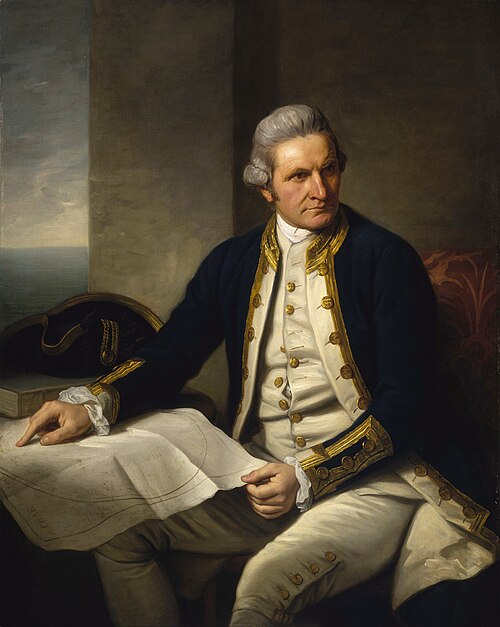
Ship Captain: The last absolute command: one licensed master answerable for ship, crew and cargo, from Zheng He's treasure fleets to today's container giants.
In law the job is not called "captain" at all. On the certificate, in the ship's articles and in every port's paperwork the person in command of a merchant ship is the master — a title older than most navies, carrying a kind of authority almost no other civilian job retains. Once the lines are let go, one named person is legally answerable for the ship, everyone aboard her and everything in her holds, with no supervisor closer than a satellite call.
There is one route in, and it runs through the sea itself. Everywhere in the world the license to command is built from the same two materials: formal study at a maritime academy or in a cadetship, and months of logged, examined watchkeeping on real ships — a ladder from deck cadet through third, second and chief officer that takes most masters ten to fifteen years to climb. Since the STCW Convention of 1978, that ladder has been internationally standardized, which is why a bridge team drawn from four countries can work one ship.
This page follows the job from Egypt's expeditions to Punt and the monsoon pilots of the Indian Ocean, through the Rolls of Oléron, the chronometer and the Plimsoll line, to the container revolution that made the work invisible and the autonomous-ship projects now testing whether the bridge needs a human on it at all. It covers how people actually reach command today, what the work demands, who mastered it, and how much of it machines can really take.
Inside the profession
A ship captain holds legal and practical command of a vessel — responsible for navigation, crew, cargo or passengers, and the decisions that cannot be deferred when weather or machinery turns.
Command is paperwork and weather at once
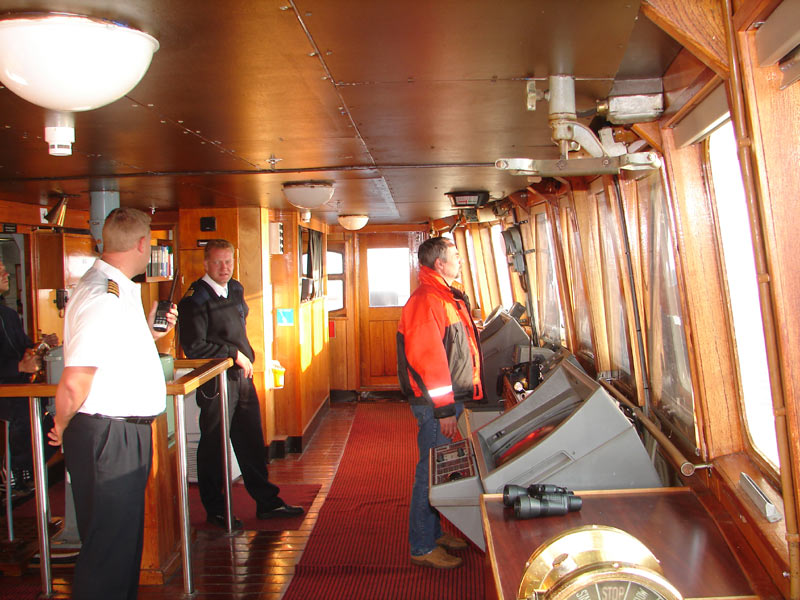
Bridge watchkeeping, passage planning and collision regulations sit beside crew certificates, port state control, bunker notes and incident reporting. A captain who can only "drive" the ship fails modern command; one who only manages documents fails the sea. Authority is absolute in emergency and constrained daily by company procedures, charterers, pilots and coastal states. The craft is judging when to slow, divert, refuse unsafe pressure or trust a junior officer's call on a dark bridge.
Fatigue is a navigational hazard
Watch systems, port rotations and shortened stays ashore compress sleep. Error rates rise with exhaustion long before anyone admits it in a logbook. Good masters protect rest for the bridge team and themselves when they can; commercial pressure to sail, berth or finish cargo on a broker's clock pushes the other way. International hours-of-rest rules exist because the industry learned, repeatedly, that tired command is not heroic — it is how groundings and collisions begin.
Crew leadership under closed horizons
A ship is a workplace no one can leave mid-contract. Captains set the tone for safety reporting, harassment response, training of cadets and how multicultural crews communicate under stress. Technical competence without the ability to run drills, brief pilots and listen to the chief engineer produces brittle ships. The master who isolates on the bridge and treats the engine room as a vendor will discover problems only when they are already expensive.
Routes into the chair differ by flag and fleet
Cadetships, maritime academies, naval transfers and unlimited licence exams (STCW mastery tracks) remain common paths; yacht, ferry, offshore and deep-sea trades diverge early. Container, tanker, bulk, cruise and research vessels demand different cargo and passenger logics. Automation and shore-based monitoring change the information flow; they do not remove the person who must decide in a storm when satellite advice and local sea state disagree.
How the work branches
Five common shapes of the same title — specialty, setting or career path.
Container, bulk and tanker fleets
Deep-sea merchant master
Runs long voyages under commercial schedules with multinational crews and tight port windows.
Short-sea and passenger routes
Ferry / coastal master
Repeats high-frequency harbour work where public scrutiny and timetable pressure are constant.
Passenger cruise lines
Cruise ship captain
Combines navigation command with hotel-scale guest safety and public-facing leadership.
Oil, gas and wind installation vessels
Offshore / DP master
Works dynamic positioning, complex deck operations and industry safety cases.
Private and charter yachts
Yacht captain
Balances seamanship with owner preferences, guest service and small-crew management.
How it reads by country
Same craft, different gatekeeping, status and daily texture — rewritten for readers in each language.
United States — Jones Act trades and unlimited licences
Coast Guard licensing, academy pipelines and unionised deep-sea or inland routes structure many careers. Jones Act domestic trades create a distinct labour market from international flags. Work-rest culture varies widely between ferry services, inland towboats and ocean-going union ships.
South Korea — shipbuilding nation, seafarer pipeline
Maritime universities and large shipping groups feed officers into global fleets. Cultural expectations of hierarchy can be strong on board; shore management is often closely involved. Domestic ferry and coastal sectors sit alongside careers on international container and tanker tonnage.
Japan — coastal expertise and company loyalty
Coastal trades and domestic passenger routes remain important alongside international careers with major owners. Training emphasises procedure and safety culture; long company relationships are common. Ageing seafarer demographics have pushed recruitment and foreign crew integration onto the agenda.
Germany — Bremen–Hamburg tradition and officer training
Northern maritime schools and a historically strong owner community still matter, even as much tonnage sails under other flags. German masters often move between sea time and shore technical or management roles. Works councils and regulated training contrast with flags of convenience elsewhere.
United Kingdom — MCA tickets and global officer market
MCA certification remains internationally recognised. Many British officers serve on foreign-flagged ships or in cruise and yacht sectors. Coastal and North Sea offshore work offer alternatives to deep-sea container life; shore-based marine roles absorb experienced masters.
Singapore — global hub, multinational bridges
As a major port and maritime centre, Singapore employs masters in harbour craft, regional shipping and shore management. Multinational crews are the norm; English bridge communication standards are expected. Careers often blend sea time with the city's dense cluster of owners, managers and bunkering firms.
From the archive
Commons CC/PD images self-hosted for this profession.
Why attitude matters here
A ship captain's licence proves examined knowledge; what keeps a vessel out of the casualty list is whether they will slow, divert or refuse when commercial pressure asks for a braver story than the weather allows.
Command absorbs ambiguity alone
At night, with conflicting reports, a tired bridge team and a charterer asking why the ETA slipped, the master still decides. Delegation does not remove legal responsibility. Attitude is the willingness to choose the boring safe option when nobody is watching and the company messaging prefers heroics.
Crew safety culture is set from the top
If the captain mocks near-miss reports, the next near-miss arrives unreported. If cadets are afraid to speak on the bridge, collision-avoidance loses a pair of eyes. Technical brilliance with contempt for juniors produces quiet ships — quiet until the incident report.
Fatigue management is a navigational skill
Hours-of-rest paperwork can be fiction. The master who protects sleep for the watch, including their own when possible, is practising seamanship. The one who treats exhaustion as toughness is loading risk into every parallel index calculation and every pilot exchange.
Stances that hold up under pressure
Five concrete postures the work rewards, not slogans.
Says "reduce speed" before the room needs a miracle
Early speed and route adjustments look timid on a commercial call and wise in a hard grounding. Waiting until options shrink is how "unavoidable" accidents get written. Prudence on the chart is leadership, not nerves — and it must happen before the email chain turns theatrical.
Walks the ship and listens to the chief engineer
Bridge isolation from machinery reality is a known failure mode. Captains who treat engineering updates as interruptions discover critical defects at the worst moment. Respect across departments is an operational stance that keeps small defects from becoming casualty reports.
Runs drills as if the alarm were real
Paper drills that everyone sleepwalks through train panic for the real fire. Taking musters, timing responses and correcting quietly afterward is unglamorous command that pays out once — and teaches the crew whether the master's standards are theatre or habit.
Protects rest even when the port stay is short
Using every harbour hour for inspections and hosting while the bridge team stays broken is a choice. Scheduling critical work around recovery is harder politically and safer at sea, especially when the next passage includes traffic separation and night watches.
Records facts, not the version that flatters the company
Logbooks and reports that soften timelines to please shore management corrupt the next investigation and the next master's decisions. Accurate recording under pressure is ethical seamanship, even when the truthful entry will trigger an uncomfortable shore call.
Moments that reveal it
Situations that separate résumé language from how someone actually practices.
A charterer pressures the ship to sail into a forecast the master judges unsafe for the vessel's condition and crew fatigue state.
Does the captain delay or divert with a clear written rationale to owners and charterers, or sail to avoid a difficult phone call and hope the forecast verifies as wrong once the ship is already committed at sea?
A junior officer reports a near-miss in traffic that will look bad in the company's monthly KPI.
Does the master thank them, investigate and file it so the bridge learns, or signal that such reports are career poison so the next near-miss stays tribal knowledge until someone less lucky repeats it?
Pilot and master disagree on a manoeuvre in a tight harbour with wind rising.
Does the master assert ultimate authority calmly with a concrete alternative and a shared plan aloud, or yield against their judgement to avoid an awkward bridge confrontation in front of the watch and the pilot?
The ship is short-handed after crew changes and the planned maintenance window collides with required rest.
Does command re-sequence work and accept commercial friction in writing, or keep both schedules and let hours-of-rest become fiction on paper while tired people climb into tanks and onto the bridge watches?
Where "calling" turns harmful
Fatigue sold as dedication to the ship
Maritime culture still praises masters who "never leave the bridge" and absorb every port, audit and owner call without sleep — then treats the resulting error as individual failure. Calling chronic fatigue a vocation is how companies extract unpaid vigilance while liability remains on one licence. Safe ships are run by rested command, not by martyrs with unlimited certificates.
The profile
Resists AI65
Pay62
Barrier to entry55
Autonomy88
Demand70
Impact66
How exposed is it to AI?
Moderate
A substantial share of the master's traditional work — trackkeeping, voyage optimization, reporting, machinery watchkeeping — is already automated or handled ashore, and short-route coastal autonomy is in commercial trial. But international law still requires a human in command of seagoing ships, emergencies at sea remain beyond remote resolution, and the IMO's autonomous-ship code is years from mandatory force. The role will shrink in numbers and change shape well before it disappears.
What is the difference between a ship captain and a master mariner?
"Captain" is the courtesy title; "master" is the legal one, used on certificates, in maritime law and in port paperwork. A master mariner is someone who holds a Master Unlimited certificate of competency — the license to command a merchant ship of any size, on any ocean — whether or not they currently have a command. Every captain of a large ship is a master mariner; not every master mariner is currently a captain.
How long does it take to become a ship captain?
Typically ten to fifteen years from school-leaving to first deep-sea command. A three-to-four-year academy course or cadetship leads to an officer-of-the-watch license, then each step — third officer, second officer, chief officer, master — requires roughly a year or more of logged sea time plus written and oral exams. Smaller vessels such as ferries, tugs and coasters can come faster; large tanker and container commands usually arrive in a captain's late thirties.
How much does a ship captain earn?
On internationally crewed deep-sea ships, masters typically earn the equivalent of $100,000–$200,000 a year in the mid-2020s, with LNG-carrier and senior cruise masters above that. Pay is usually set in US dollars by international wage agreements rather than by the captain's home country, and many masters are paid only for months actually on board — a rotation of several months at sea followed by leave.
Do you need a university degree to become a ship captain?
No — you need the license, not the degree. Most young officers now come through degree-awarding maritime academies, but the certificate of competency is earned through examined sea time, and the older "hawsepipe" route from deckhand to master through accumulated service and exams remains legal in most flag states. What is non-negotiable everywhere is STCW-compliant training, medical fitness including eyesight and color vision, and passing the flag state's examinations.
Can a ship's captain legally perform marriages at sea?
Mostly a myth. In most countries a shipmaster has no more power to marry people than a bus driver; the belief is so persistent that some navies historically ordered captains not to try. The real exceptions come from the ship's flag: cruise lines deliberately register ships in places such as Bermuda or Malta, whose law does allow the master to officiate — which is why shipboard weddings on those lines are genuinely valid.
Does the captain really have to go down with the ship?
No law anywhere requires a master to die with the ship, but the duty behind the saying is real: the master is responsible for evacuating everyone else and traditionally leaves last. Abandoning that duty can be criminal — Italy sentenced the Costa Concordia's captain to sixteen years in part for leaving the ship during the 2012 evacuation, and South Korea jailed the Sewol's captain for life in 2015.
Will autonomous ships make captains obsolete?
Not soon. Norway's Yara Birkeland, the first autonomous electric container ship, entered service in 2022 — on a short coastal run, with remote supervision by licensed mariners. The IMO is still writing its code for autonomous ships, and deep-sea voyages involve emergencies, boardings, weather and legal responsibilities no regulator yet assigns to software. The nearer-term change is masters supervising more automation, and some command work moving to shore control rooms.
How much time do ship captains spend away from home?
Command is a rotation, not a commute. European deep-sea masters commonly work around two to four months on board followed by a similar period of paid leave; officers from the Philippines, India and China often sail longer contracts of six months or more. Over a year, a serving master typically spends about half their life on the ship — one reason the job pays well and one reason people leave it for shore roles.
Embed this ranking
Paste this code into your blog or site — the ranking stays up to date.