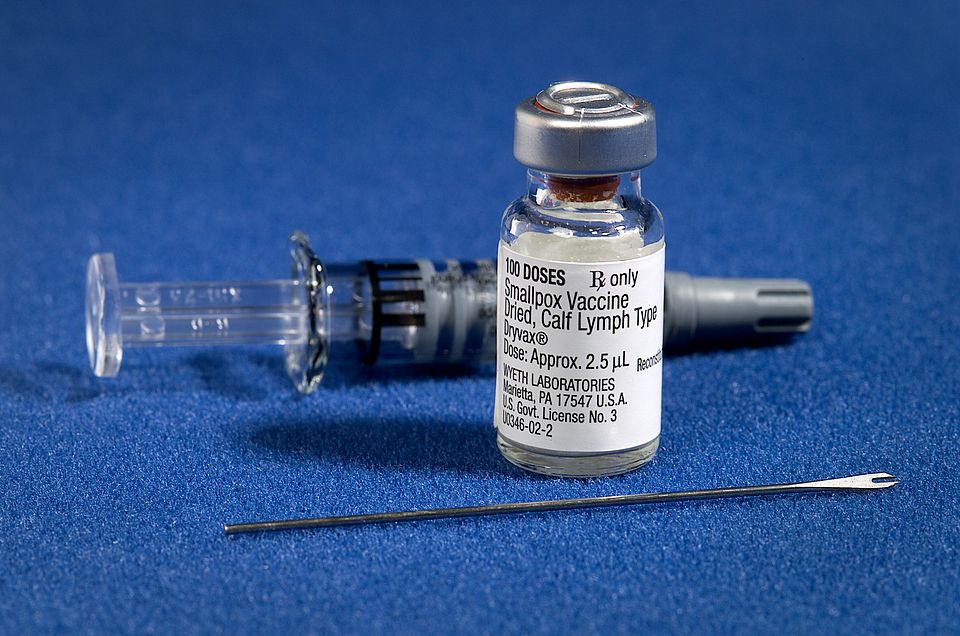
Biologics
Antibodies and cell therapies.
Engineering living systems — tools, regulation and products from cells and DNA.
Also called: Biotech · Applied biology
Reviewed 2026-08-08·Media credits
Darker cells mean a higher score for this topic on that metric.
LessMore
Each bar is a 0-100 atlas score for this topic, not a timeline.
Last reviewed Sources & creditsMedia creditsMethodology
Biotechnology engineers living systems — molecular tools, bioprocess and the regulation that decides what may leave the lab. Lab notebooks and SOPs are professional artefacts, not student busywork.
Molecular and bioprocess labs dominate; clean practices and equipment booking decide whether experiments finish. Industry projects and regulatory case studies appear late.
Paths include biotech firms, pharma process, research and entrepreneurship-adjacent roles. Scores are relative on this site.
Typical bachelor years: 4
Scores are relative across the forty majors on this site — not absolute rankings of universities.
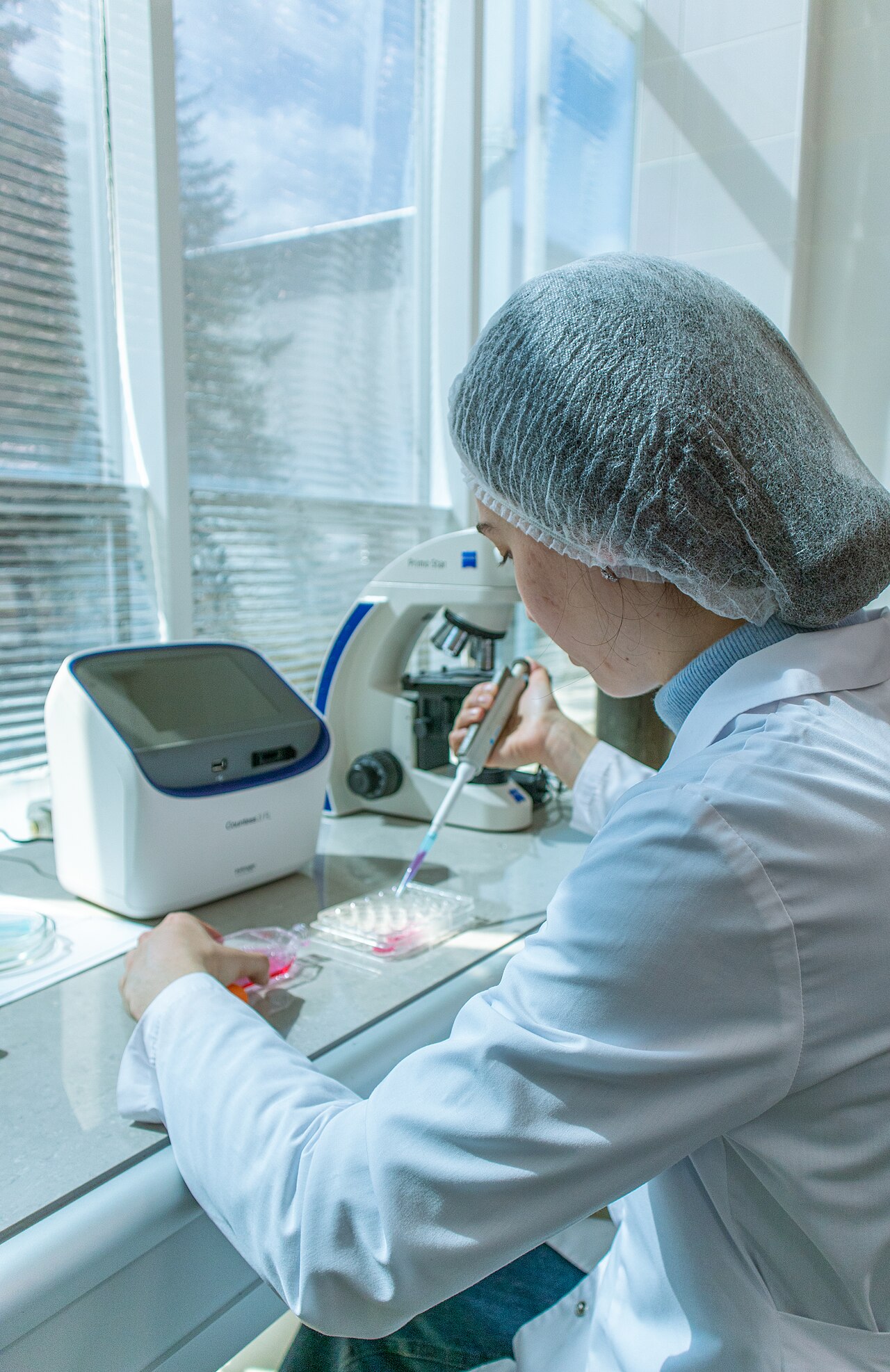
Popularity & Demand →Sectors where graduates and research from this field show up most often — plates from Wikimedia Commons.
Antibodies and cell therapies.
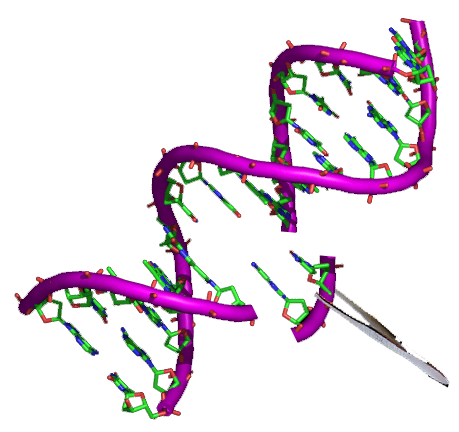
Editing and synthetic biology.
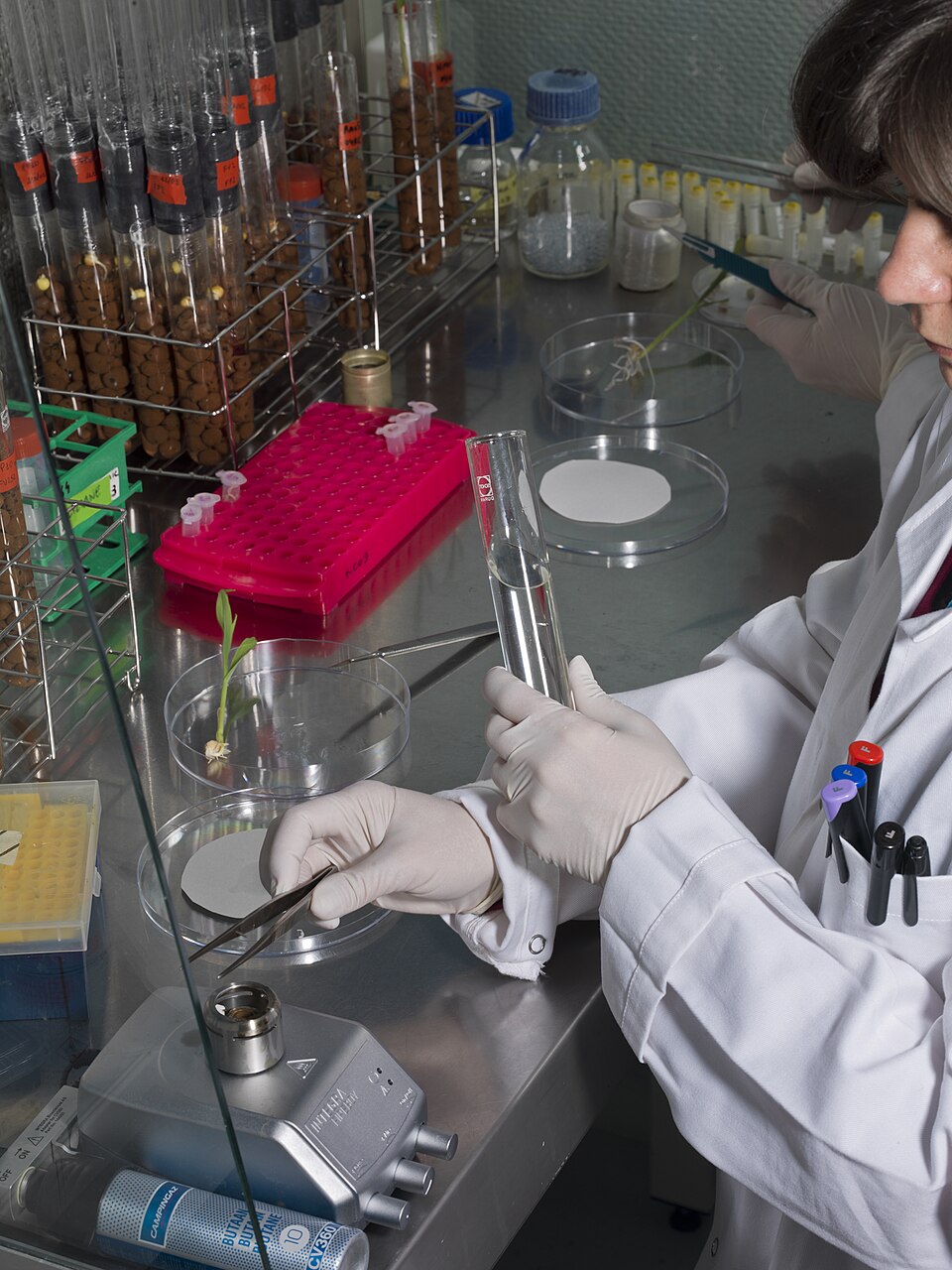
Seeds and traits.
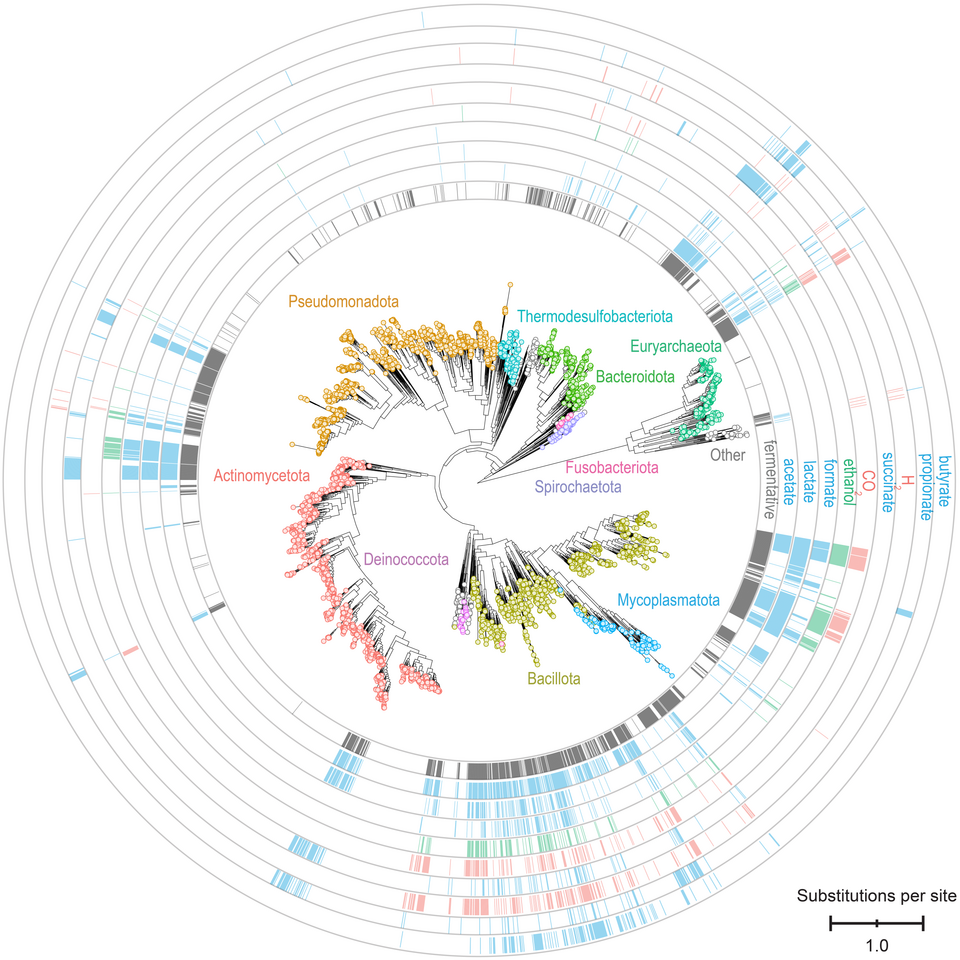
Enzymes and bio-based chemicals.
Checkable figures whose work still frames how the discipline is taught and practised.
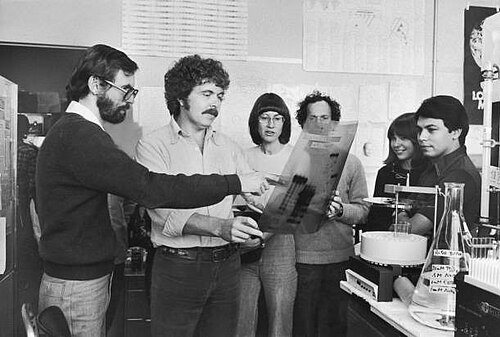
Recombinant DNA
1936–
Crystal Rictor 12 · CC0
CRISPR
1964–
Christopher Michel · CC BY-SA 4.0
CRISPR
1968–
Bianca Fioretti, Hallbauer & Fioretti · CC BY-SA 4.0
PCR
1944–2019
Dona Mapston · CC BY-SA 3.0Same-field head-to-heads built from the six score axes.
Why labels are thematic — not a ranking of better majors.
Scores are browsing aids for curriculum and career lanes, not a league table of worth.
Living systems from molecules to ecosystems — observation, experiment and careful inference.
Employability 64 Same field neighbourEarth systems under pressure — measuring change and designing responses that stick.
Employability 70 Same field neighbourLiving systems from molecules to ecosystems — observation, experiment and careful inference.
Employability 64 🌾Food, fibre and land — soils, crops, animals and the systems that feed cities.
Employability 72 🌍Earth systems under pressure — measuring change and designing responses that stick.
Employability 70