From Thespis stepping out of the Athenian chorus to the self-tape era: the professional pretender whose work is to make invented people feel true, take after take.
Actor: From Thespis stepping out of the Athenian chorus to the self-tape era: the professional pretender whose work is to make invented people feel true, take after take.
The ancient Greek word for actor was hypokrites — "the answerer" — because the first actor's whole job was to step out of the chorus and answer it as somebody else. Tradition, recorded on the Parian Marble, says a performer named Thespis did exactly that at Athens' City Dionysia around 534 BCE, which is why actors are still called thespians. Every screen performance since is a variation on that one move: standing apart and speaking as a person who does not exist.
Acting is the rare profession with no license, no mandatory degree and no exam anywhere on earth, yet one of the most brutally filtered: the top drama schools admit around one applicant in fifty, and in any given year most union members in the US and UK earn only a small fraction of their income from acting. The economics are winner-take-all to a degree almost no other trade matches — a handful of names earn eight figures per film while the median professional needs a second job.
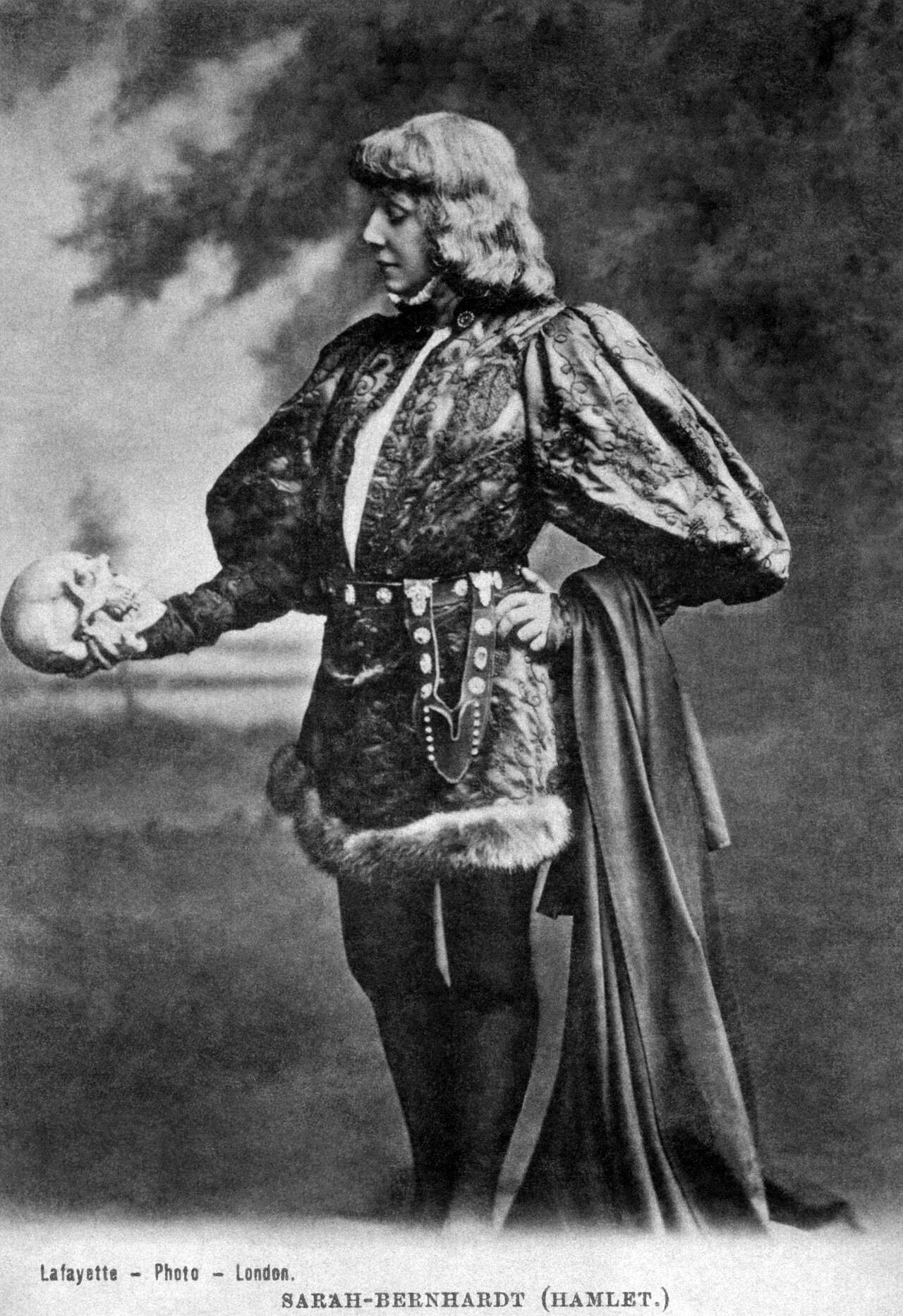
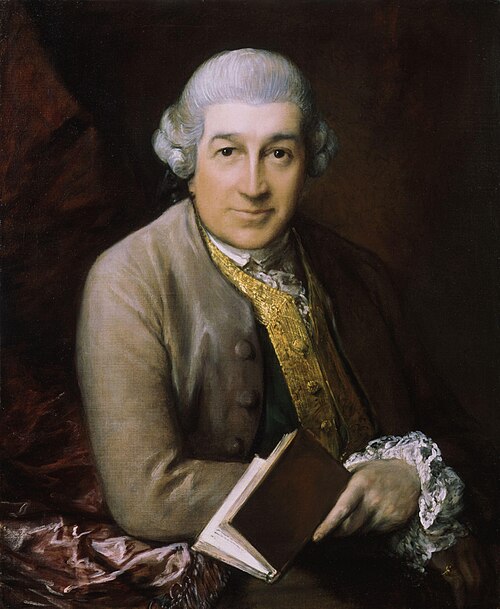
This page follows the trade from Thespis, the Sanskrit Natya Shastra and Okuni's riverbed kabuki through the Restoration's first actresses, Garrick's naturalism, the birth of the movie star in 1910 and the Method, to the self-tape era and the 2023 strike over artificial intelligence. It covers how people actually get in, what the craft consists of, who reached the top and how, and which parts of the job machines are already taking.
Inside the profession
Acting is a public craft built from private preparation: interpreting a text, listening precisely, repeating choices reliably and enduring an employment market that rewards neither effort nor talent evenly.
The job is more than performance
Actors read scripts, research context, rehearse, learn marks, record auditions and collaborate with directors, cameras and other performers long before an audience sees a finished take. On screen, a brief emotional fragment may be shot out of sequence many times under lights and continuity constraints; on stage, a long run demands freshness inside a fixed structure night after night. Preparation, stamina and technical precision are as central as inspiration.
Access is an ongoing audition
Training can sharpen voice, movement, text analysis and camera technique, but casting depends on fit, type, availability, representation and networks as much as skill. Many actors support themselves through adjacent work between jobs, treating unemployment as a structural feature rather than a personal failure. A career is less a ladder than a series of projects with uncertain gaps, where persistence and professional readiness matter between rare opportunities.
Ensembles create the result
A performance is shaped by writing, direction, costume, lighting, sound, editing and the person opposite in the scene. Professionalism means arriving prepared, taking direction without losing agency, protecting continuity and making partners look good under pressure. The most visible role is still one component of a collective production, and reputations travel quickly through crews who remember who made the day harder or easier.
Digital tools change the bargain
Self-tapes expanded geographic access while moving audition lighting, framing and editing into the home, adding unpaid production labor to the hunt for work. Digital replicas, synthetic voices and streaming residuals raise new consent and compensation questions that older contracts never contemplated. Craft remains embodied and relational, but agreements now need to address how a performance may be reused, altered or trained upon.
How the work branches
Five common shapes of the same title — specialty, setting or career path.
Theatre and touring productions
Stage actor
Sustains a live performance nightly with an ensemble and immediate audience feedback.
Film, television and streaming
Screen actor
Works in fragments around cameras, continuity and extensive post-production.
Animation, games and advertising
Voice actor
Builds character and clarity through voice, often without other performers present.
Stage musicals and live shows
Musical-theatre performer
Combines acting with demanding singing, dance and repeated physical performance.
Advertising and branded media
Commercial performer
Works to concise briefs where usage terms can be as important as the shoot.
How it reads by country
Same craft, different gatekeeping, status and daily texture — rewritten for readers in each language.
United States — unions, coasts and self-tapes
Los Angeles and New York concentrate screen and stage work, while unions set key standards for many productions. Self-tapes broaden casting reach but make representation, residuals and access to auditions continuing career concerns.
South Korea — drama, film and idol pipelines
Television dramas, film, theatre and web content provide varied entry points, with agencies often central to career management. The overlap between acting, variety shows and music-idol culture can create opportunity and intense public scrutiny.
Japan — agencies, stage and voice work
Talent agencies play a large role across television, film, theatre and voice acting. Anime, games and 2.5D stage productions create specialised routes, while reputation for punctual, prepared work matters strongly.
Germany — repertory theatres and public funding
Municipal and state theatres provide ensemble employment uncommon in many markets, alongside film and television work. Formal drama-school training is influential, and public funding supports a broad stage ecosystem.
United Kingdom — drama schools and theatre circuits
London is a major screen and stage centre, but regional theatres and touring remain crucial training grounds. Equity agreements and drama-school networks shape access, while voice and commercial work can bridge gaps.
Singapore — multilingual stage and regional media
Actors move among English, Mandarin, Malay and Tamil productions, commercials and education work. The compact market rewards versatility, while regional streaming and co-productions offer routes beyond domestic scale.
From the archive
Commons CC/PD images self-hosted for this profession.
Why attitude matters here
An actor's range and technique get them cast; whether a production, a scene partner and a crew want to work with them again depends on attitude choices that talent alone does not determine.
Rejection is the daily condition of the job, not an occasional setback
An actor auditions far more often than they are cast, for reasons that often have nothing to do with their performance — height, chemistry with someone already attached, a director's unstated preference. Whether an actor's attitude toward this constant rejection stays workable — treating a no as information about a room, not a verdict on their worth — determines whether they walk into audition two hundred with the same presence as audition one.
A scene partner's safety depends on choices only the other actor makes
Intimate, violent or emotionally intense scenes require an actor to stay aware of a partner's actual state even while performing the opposite of awareness on camera. An actor who prioritizes their own performance over a partner's visible discomfort — pushing a take further than agreed, ignoring a stated boundary — causes real harm no screen talent excuses, which is why productions now build intimacy coordination into contracts.
On-set behavior costs a production money in ways a single good take never recovers
An actor who is late, unprepared, or difficult with crew costs a production real time and money that a single excellent performance does not offset, because dozens of other people's schedules and a finite shooting day depend on that actor being ready when called. Casting directors and producers talk to each other, and a reputation for being hard to work with follows an actor across projects regardless of how good the work itself was.
Stances that hold up under pressure
Five concrete postures the work rewards, not slogans.
Treats a rejection as information about the room, not a verdict on worth
Walking out of an unsuccessful audition and preparing for the next one with the same energy, rather than carrying the rejection as evidence of inadequacy, is what allows a career to survive the actual ratio of auditions to roles.
Checks in with a scene partner before and after an intense scene
Confirming boundaries before an intimate or violent scene, and checking a partner's state after it, regardless of how the take looked on camera, is a discipline that protects a colleague and has nothing to do with performance talent.
Arrives prepared and on time regardless of the role's size
Showing up with lines learned and ready to work on a small supporting role with the same professionalism as a lead part is what a production actually experiences of an actor's character, distinct from what they see on screen.
Stops a take that has crossed an agreed line, even mid-scene
Calling a halt when a scene partner or a stunt has gone beyond what was discussed, rather than pushing through to preserve a take, prioritizes a real person's safety over a moment of footage that can be reshot.
Credits a scene partner's contribution rather than claiming a moment alone
Acknowledging that a strong scene came from what a partner gave, not solely from one's own performance, is a habit that has nothing to do with acting range and predicts whether a cast wants that actor back for the next project.
Moments that reveal it
Situations that separate résumé language from how someone actually practices.
An actor finally books a small, unglamorous supporting role after a long string of rejections for the bigger leads they had actually wanted and auditioned hard for over many months.
Do they prepare thoroughly and show up for the small role with full professionalism regardless, or treat it as beneath real effort because it isn't the bigger part they had originally set out wanting to land?
A director asks for another take of an intense physical or emotional scene, and a scene partner shows subtle signs of being genuinely uncomfortable with pushing the moment any further than what was already agreed to beforehand.
Does the actor check in with their partner directly and flag the discomfort to the director, or defer entirely to the director's request because questioning it out loud might look difficult in front of the crew?
An actor is having a visibly bad day — personal stress, exhaustion, a rough night's sleep — on the exact day a production needs them fully ready for a difficult scene on a tight shooting schedule.
Do they arrive prepared and professional despite the bad day, or let the crew and the rest of the cast quietly absorb the consequences of it through a slower, harder day of shooting than was originally planned?
A scene turns out far better than the script or the rehearsal suggested because of a spontaneous choice a scene partner made in the moment, not because of anything the actor themselves specifically did.
Does the actor acknowledge the partner's contribution afterward, in interviews or quietly on set, or accept praise for the whole scene as though it were entirely their own doing alone, unaided by anyone else?
Where "calling" turns harmful
"Paying your dues" is used to make unpaid and unsafe work sound like a rite of passage
Unpaid student films and non-union shoots routinely ask actors to work for free or below minimum standards on the premise that suffering through under-compensated conditions is simply what serious actors do before they've earned better, treating an actor's love of the craft as leverage against them. The same romanticized precarity has covered for real safety failures dismissed as the price of an industry actors should feel lucky to join at all.
The profile
Resists AI70
Pay48
Barrier to entry30
Autonomy35
Demand40
Impact72
How exposed is it to AI?
Moderate
A meaningful share of paid acting work — background performance, localization dubbing, digital stunt doubling, corporate presenting — is already being automated, and synthetic performers will take more of it. The core of the profession resists harder: live theatre cannot be synthesized at all, star casting is built on real human identity, and the 2023 union contracts plus emerging likeness laws now put consent and compensation between studios and replicas. The trade shrinks at its anonymous edges while its center holds.
Do you need a degree or drama school to become an actor?
No — acting has no formal license or required qualification anywhere in the world. Many leading actors trained at conservatories like RADA, Juilliard or India's National School of Drama, and many others never trained at all. What a good school actually buys is three years of supervised craft work, a graduation showcase in front of agents, and a professional network — all obtainable, more slowly, by other routes.
How much do actors actually earn?
The spread is wider than almost any other profession. The US median was $20.50 an hour in 2023, and most union members earn only a few thousand dollars a year from acting, while a handful of stars are reported to make $20 million or more per film. Germany is the exception: its subsidized state theatres pay ensemble actors a salaried minimum of about €3,000 a month.
What is method acting?
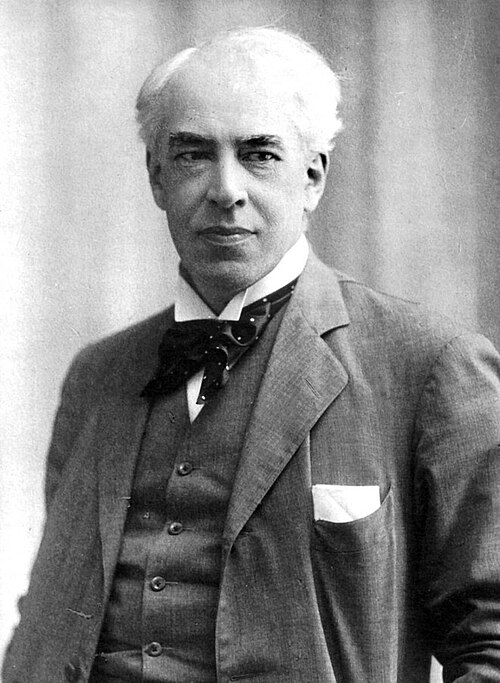
A family of American techniques descended from Konstantin Stanislavski's system, developed most famously by Lee Strasberg at the Actors Studio from 1947, which asks actors to draw on personal memory and lived experience to generate real emotion. It is often confused with staying in character between takes — a publicity-friendly habit some actors adopt, but not what Strasberg, or rivals like Stella Adler and Sanford Meisner, actually taught.
How do actors memorize so many lines?
Mostly not by rote. Research by psychologists Helga and Tony Noice, who studied professional actors for decades, found that actors absorb dialogue by analyzing why a character says each line — the goal behind the words — so the meaning retrieves the text. Lines are also anchored to movement and to the scene partner's cues, which is why actors ask to run lines aloud rather than silently rereading them.
Will AI replace actors?
It is already replacing some of the work: digital crowds have stood in for background actors since the early 2000s, synthetic voices are entering dubbing, and digital doubles handle stunts and reshoots. That is exactly why the 2023 SAG-AFTRA strike made consent and payment for digital replicas a central demand. The star economy — audiences attaching to a real, interviewable human — remains the hardest thing to automate.
What is a self-tape audition?
An audition filmed by the actor at home — typically on a smartphone against a plain backdrop, with a friend reading the other lines off camera — and uploaded for casting directors. Common before 2020, it became the default first round of casting worldwide during the pandemic and largely stayed that way, which means an actor in Manchester or Manila can now be seen for a Los Angeles production without a plane ticket.
Do actors need an agent?
Eventually, for most screen work: agents have access to casting breakdowns actors cannot see directly, negotiate contracts, and take roughly 10–15 percent commission. But nobody starts with one. Early careers are built through open calls, fringe and student theatre, short films and casting platforms, and agents typically sign actors after seeing them in a showcase or a finished piece of work — proof first, representation second.
What are the realistic odds of making a living from acting?
Low in any single year, and every honest teacher says so: union surveys in both the US and UK consistently find that a large majority of members earn only a minor share of their income from acting. The actors who last usually build portfolio careers — theatre, screen, voice work, games, corporate and teaching — and treat the trade as a self-employed business that survives long gaps between jobs.
Embed this ranking
Paste this code into your blog or site — the ranking stays up to date.