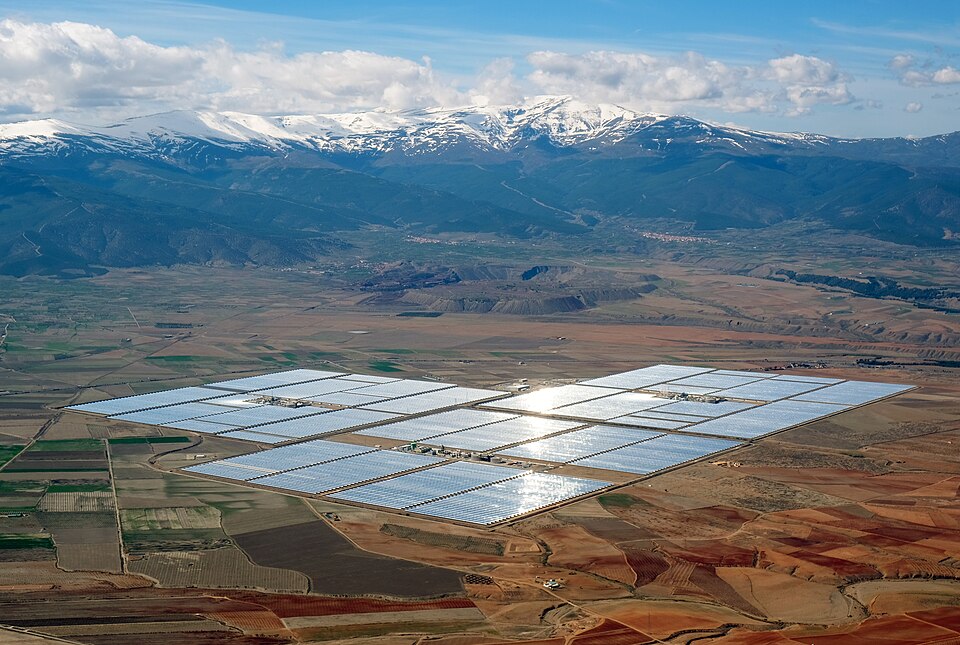
Renewables
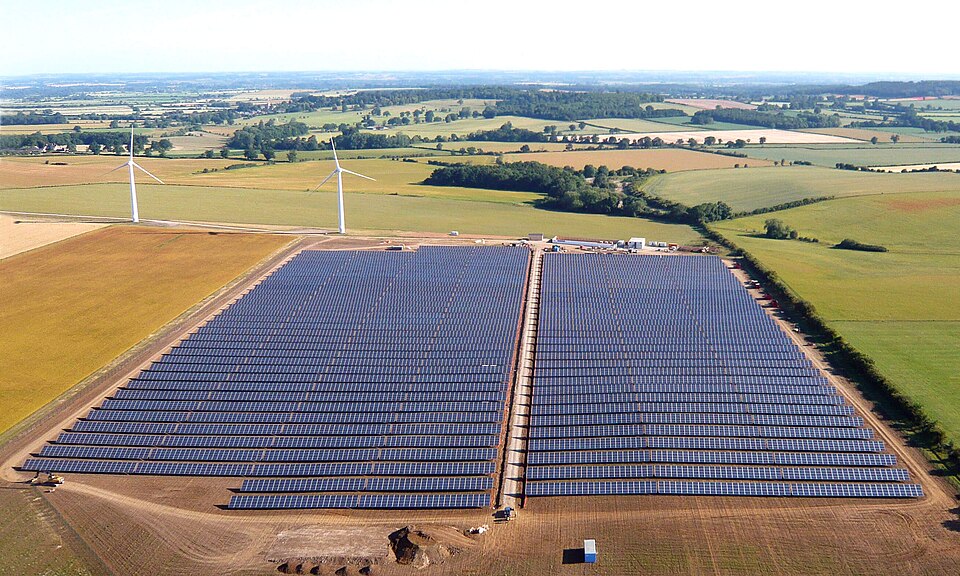
Wind, solar and storage.
Earth systems under pressure — measuring change and designing responses that stick.
Also called: Environmental studies · Earth systems
Reviewed 2026-08-08·Media credits
Darker cells mean a higher score for this topic on that metric.
LessMore
Each bar is a 0-100 atlas score for this topic, not a timeline.
Last reviewed Sources & creditsMedia creditsMethodology
Environmental science measures earth systems under pressure and designs responses that can survive politics and budgets. Field methods, chemistry and policy literacy usually share one degree.
Field courses, water/soil labs and GIS suites matter; boots get muddy. Internship seasons with agencies or NGOs often decide career direction more than a single exam.
Roles include agencies, consulting, research, journalism-adjacent communication and advocacy with technical depth. Scores are relative among forty majors.
Typical bachelor years: 4
Scores are relative across the forty majors on this site — not absolute rankings of universities.
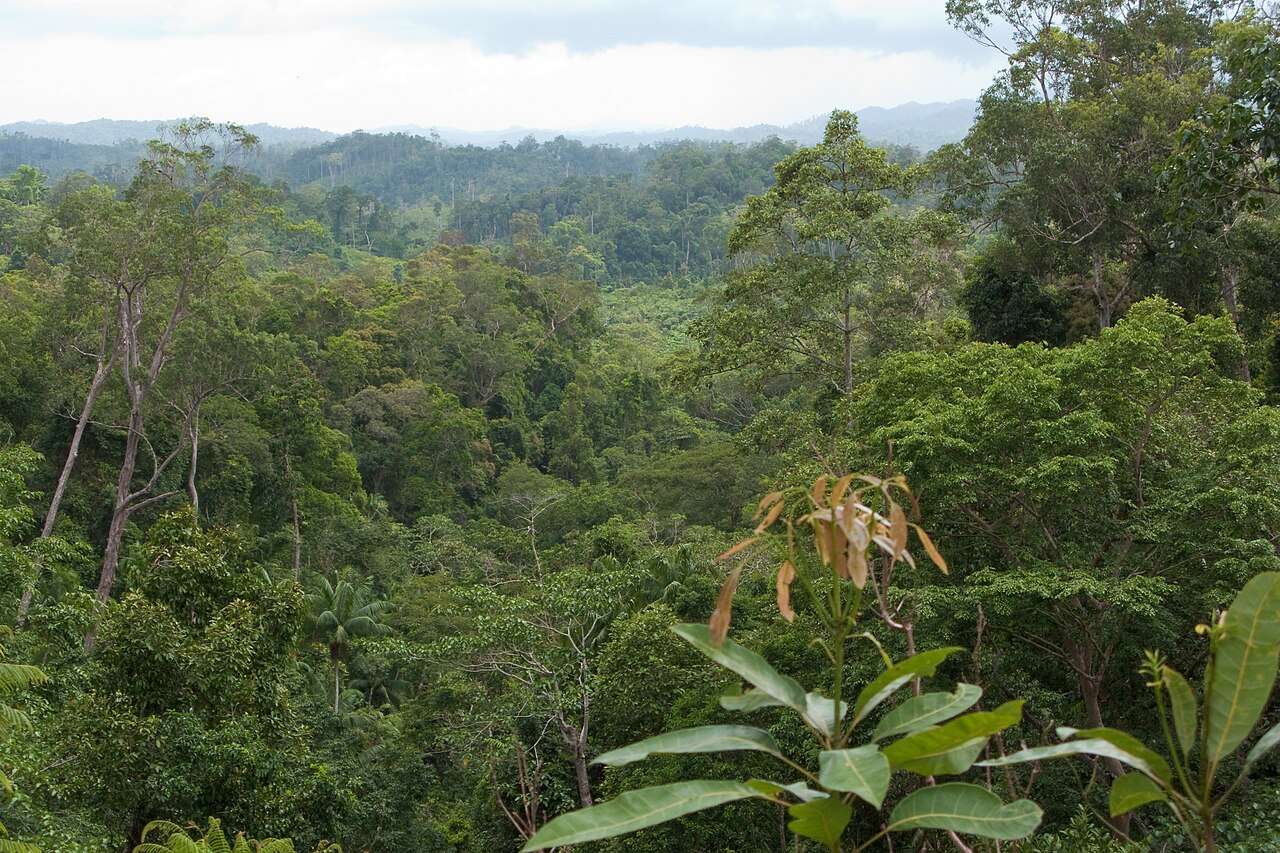
Popularity & Demand →Sectors where graduates and research from this field show up most often — plates from Wikimedia Commons.
Wind, solar and storage.
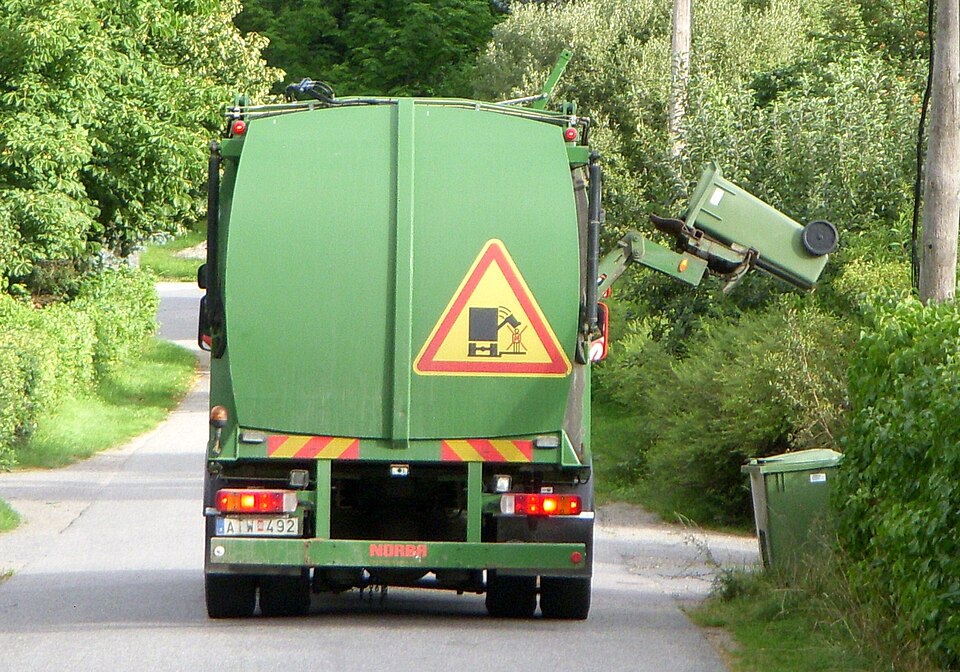
Collection, recycling, remediation.
Impact assessment and compliance.
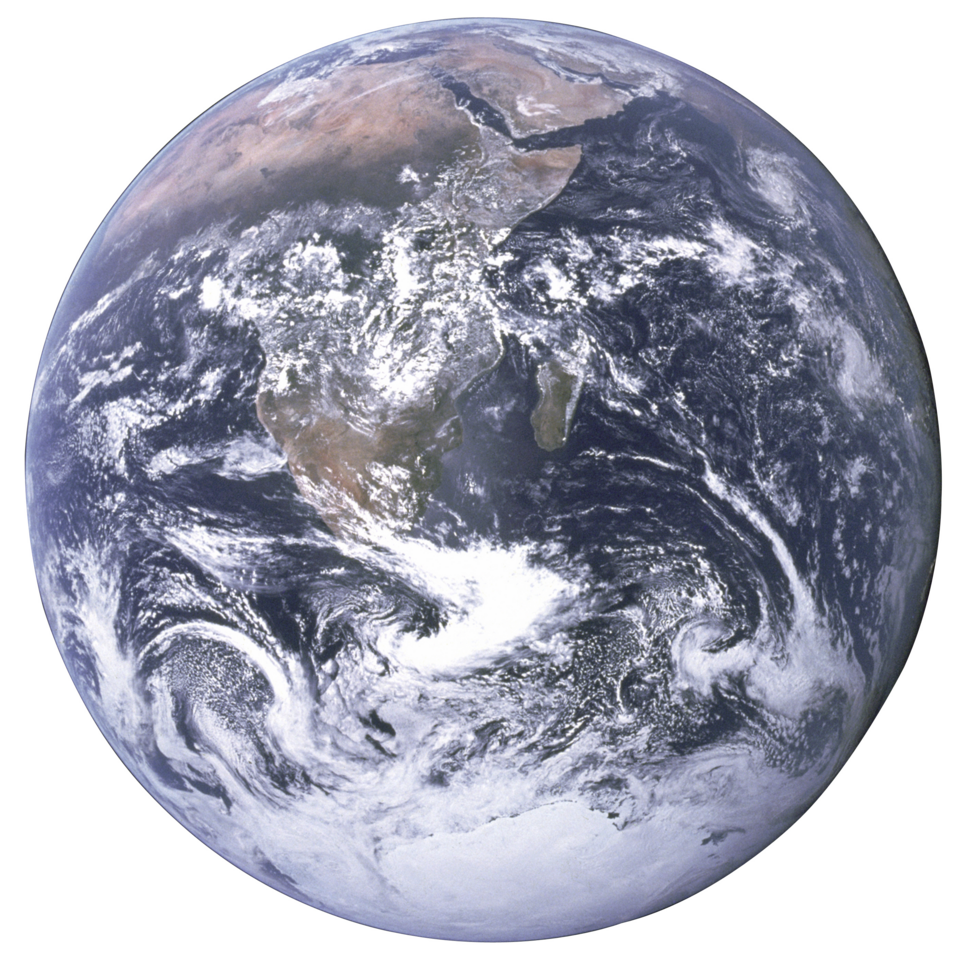
Adaptation and carbon accounting.
Checkable figures whose work still frames how the discipline is taught and practised.

Silent Spring
1907–1964
U.S. Fish and Wildlife Service · Public domain
Green Belt
1940–2011
Kingkongphoto & www.celebrity-photos.com from Laurel Maryland, USA · CC BY-SA 2.0
Climate science
1941–
NASA · Public domain
Climate advocacy
2003–
Kushal Das · CC BY-SA 4.0Same-field head-to-heads built from the six score axes.
Why labels are thematic — not a ranking of better majors.
Scores are browsing aids for curriculum and career lanes, not a league table of worth.
Living systems from molecules to ecosystems — observation, experiment and careful inference.
Employability 64 Same field neighbourFood, fibre and land — soils, crops, animals and the systems that feed cities.
Employability 72 Same field neighbourLiving systems from molecules to ecosystems — observation, experiment and careful inference.
Employability 64 🧫Engineering living systems — tools, regulation and products from cells and DNA.
Employability 80 🌾Food, fibre and land — soils, crops, animals and the systems that feed cities.
Employability 72