Nurse: Healthcare's largest profession: from Scutari's lamp to the ICU monitor, the person who is still at the bedside when everyone else has gone home.
Nursing is the largest profession in healthcare — roughly 29.8 million people worldwide by the WHO's 2023 count, around half of the entire global health workforce. It is also the profession the public trusts most: Gallup's US poll has ranked nurses first for honesty and ethics every year but one since 1999. Yet for most of its history the work had no name, no training and no pay, because caring for the sick was simply assumed to be women's unpaid duty.
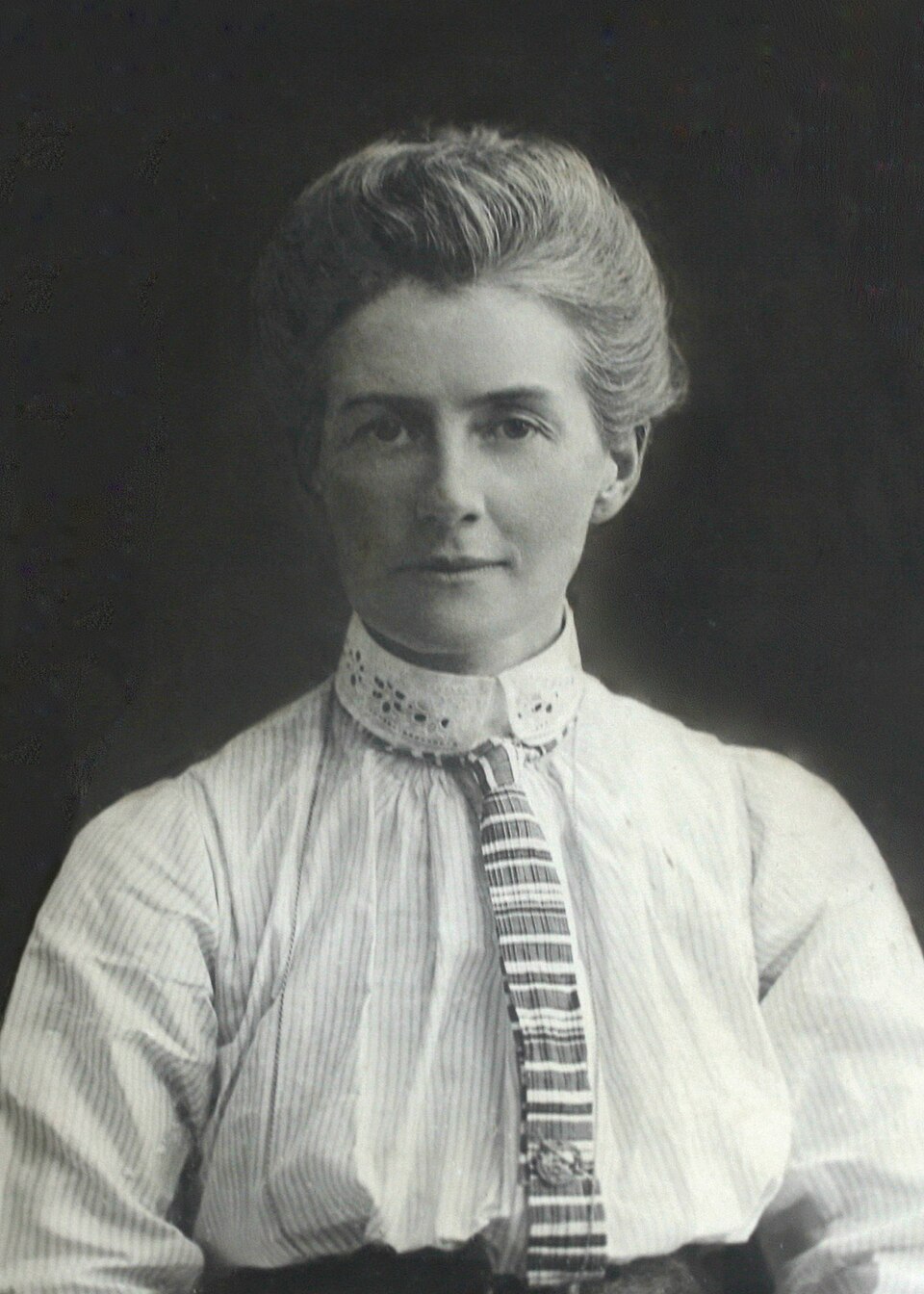
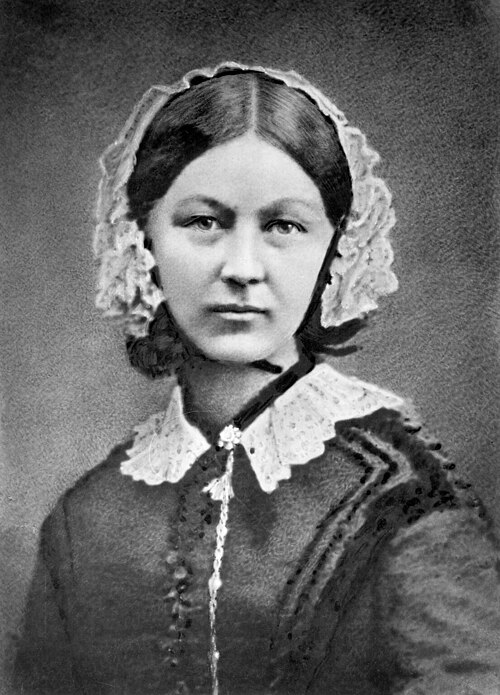
The modern profession was invented remarkably recently, and traceably: a German pastor's training institute at Kaiserswerth in 1836, Florence Nightingale's reformed war hospital at Scutari in 1854, her secular training school at St Thomas' Hospital in London in 1860, and New Zealand's world-first registration law in 1901. Within two generations, a job done by untrained hired watchers became a licensed profession with schools, examinations, registers and an international council of its own.
This page follows that arc from the deaconesses of the early church and the nursing tent of Rufaida Al-Aslamia in seventh-century Medina to today's intensive-care units and nurse practitioners. It covers how people actually become nurses in different countries, what a twelve-hour shift really contains, the craft knowledge nurses pass to each other, who reached the top of the profession, and how much of the work machines can realistically absorb.
Inside the profession
Nursing is continuous clinical work: observing what changes, making treatment safe, and keeping a person connected to care when the rest of the system moves in shifts. Its authority comes from trained judgment at the bedside, not from the old image of selfless assistance.
The clinician who notices first
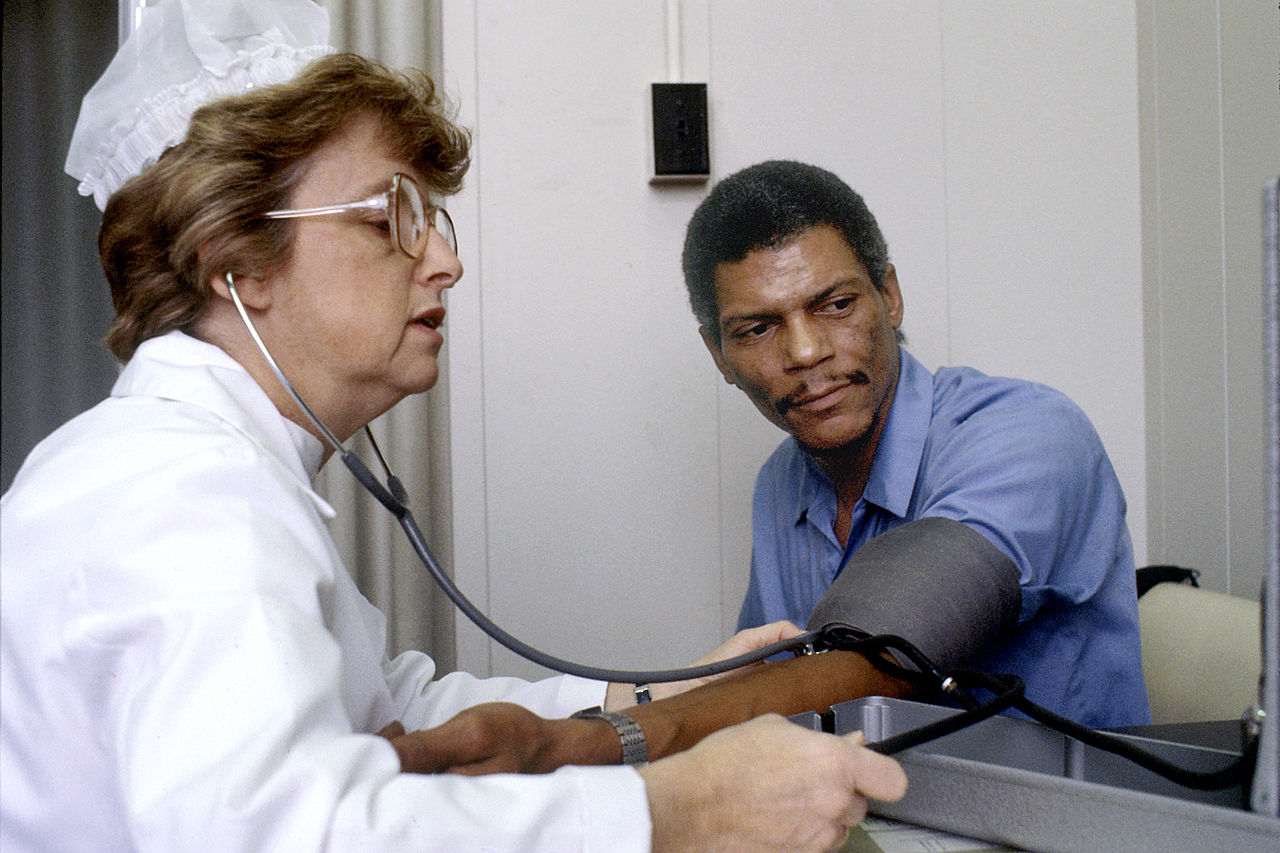
A nurse is often the professional who spends the most sustained time with a hospitalized patient. That makes observation a clinical skill rather than a vague virtue: a different breathing pattern, new confusion, pale skin, a patient who says they feel wrong, or a monitor trend that is beginning to matter. Florence Nightingale's instruction to teach nurses what to observe has become structured assessment, early-warning scores and rapid-response escalation. The job is not simply gathering vital signs. It is deciding which change needs action now, communicating it clearly, and continuing to reassess after the physician has left the room.
Managing many lives at once
A ward nurse may carry medications, observations, hygiene, mobility, education, discharge plans and family questions for several people at once. Safe practice depends on prioritization: a deteriorating patient outranks a routine task, but routine tasks prevent future deterioration. Medication administration makes the stakes visible. Nurses check patient, drug, dose, route and time, increasingly with barcode systems and smart pumps, while still catching errors technology does not understand. Documentation is also handover: the next shift needs a truthful account of what happened and why. The craft is an interruption-resistant mental map rebuilt again and again during the shift.
Touch, advocacy and boundaries
Nursing includes procedures, but it also includes work that cannot be reduced to one: turning a person who cannot turn, helping someone tolerate pain, explaining a frightening plan, recognizing when a family has not understood, and questioning an unsafe order. Nurses advocate from a position close to the patient and inside a hierarchy that may not always welcome interruption. That proximity can create deep trust and moral distress. A nurse sees care omitted when staffing is thin and sees a patient after a rushed conversation has ended. Professional boundaries, peer support and the courage to escalate are therefore part of clinical competence, not optional softness.
A profession with many ceilings
The title nurse contains intensive-care experts, theater nurses, community visitors, mental-health clinicians, midwives in some systems, educators and leaders. Advanced practice can add diagnosis and prescribing authority, while informatics and virtual nursing extend bedside expertise into technology and remote care. Yet the profession's central tension remains staffing: automation can move supplies, draft notes and watch numbers, but cannot replace skilled presence with an unpredictable body. The modern nurse has more academic and technical authority than Nightingale's trainees, while still confronting shift work, physical strain and the cultural expectation that care should be endlessly available.
How the work branches
Five common shapes of the same title — specialty, setting or career path.
Medical and surgical wards
Staff nurse
Coordinates a patient assignment through assessment, medication rounds, procedures, discharge and handover.
ICU and high-dependency units
Critical-care nurse
Manages ventilators, vasoactive infusions and minute-to-minute deterioration with a small patient load.
Surgical suites
Operating-theatre nurse
Protects sterile practice, instruments, counts and patient safety before, during and after an operation.
Homes, schools and clinics
Community or public-health nurse
Works upstream through prevention, vaccination, chronic-disease support and access to services.
Primary and specialty care
Nurse practitioner
A graduate-prepared nurse whose diagnostic and prescribing scope varies sharply by jurisdiction.
How it reads by country
Same craft, different gatekeeping, status and daily texture — rewritten for readers in each language.
License, unit and scope
US registered nurses qualify through state licensure after accredited education and the NCLEX-RN. Daily work is defined by unit staffing, electronic documentation and employer policy; advanced-practice authority differs by state, making the same NP title more autonomous in some places than others.
Hospital-based nursing
South Korean nursing is heavily centered on large hospitals, where shift rotation, seniority and staffing pressure shape the ward. National licensure follows the nursing examination, and clinical status can be high while bedside workloads remain a defining daily reality.
National examination, exact routines
Japan licenses nurses through the national Kangoshi examination. Hospital practice emphasizes precise handover, team hierarchy and night-shift rotation; specialized credentials and seniority offer progression inside a system where chronic shortages make leave difficult to use.
Paid training and Pflege
German nursing traditionally enters through paid vocational training, now organized around the generalist Pflegefachfrau/Pflegefachmann qualification. Recognition, delegation rules and collective agreements shape status, while hospitals and long-term care compete for a scarce workforce.
NMC registration and NHS bands
UK nurses must be on the NMC register and commonly begin in NHS Agenda for Change Band 5 roles. Twelve-hour shifts, preceptorship and multidisciplinary ward rounds are familiar texture; specialist practice and prescribing create routes beyond bedside staff nursing.
Public clusters and migration
Singapore regulates nurses through the Singapore Nursing Board and relies on both locally trained and international staff. Public hospital clusters bring high-acuity, multilingual work and structured grades, while migration policy and retention are part of everyday workforce reality.
From the archive
Commons CC/PD images self-hosted for this profession.
Why attitude matters here
A hospital ward runs on a nurse's sustained attention across a twelve-hour shift, not a single skilled act, so the habit of noticing, escalating and returning after being dismissed matters as much as any procedure in the training curriculum.
Vigilance is a skill, and it decays without discipline
A nurse is usually the person who spends the most continuous time with a hospitalized patient, so early warning signs — a subtle change in breathing, new confusion, a patient who says they feel wrong — are caught or missed based on habitual attentiveness, not a training module. Nightingale's instruction to teach nurses what to observe became today's early-warning scores, but the score only works if someone is doing the rounding it depends on.
The bedside is the last place an unsafe order gets caught
A nurse works inside a hierarchy that does not always welcome interruption, yet is often the only person positioned to notice a dosing error or a discharge plan that ignores what the patient said at 2 a.m. Escalating that to a more senior physician requires a specific kind of professional courage that has nothing to do with clinical knowledge and everything to do with willingness to be told wrong in front of colleagues.
Compassion has to survive repetition, not just be present once
A twelve-hour shift can mean turning patients who cannot turn themselves, explaining a frightening diagnosis for the fifth time, and absorbing a family's anger that belongs to the disease, not the nurse. This does not show up on a chart, but its erosion does: rushed explanations, a patient who stops mentioning symptoms because no one seemed to listen last time. Sustaining that across dozens of patients is the job's real difficulty.
Stances that hold up under pressure
Five concrete postures the work rewards, not slogans.
Escalating an order that looks wrong
Calling a physician back, even a senior one, to question a medication dose, a discharge timing or a plan that conflicts with what the patient reported overnight, and being willing to repeat the concern if the first answer dismisses it without addressing the specific worry.
Reporting one's own medication error honestly
Documenting and disclosing a mistake immediately rather than quietly correcting it and hoping no harm follows, because a hospital's ability to fix the system that allowed the error depends entirely on nurses being willing to name it.
Physical rounding discipline
Actually walking in and looking at a patient at the scheduled interval, not just checking the monitor from the station, because the visual cues — color, breathing pattern, whether someone seems different — are exactly what remote monitoring misses.
Advocating for a patient's stated wishes against family or system pressure
Repeating what a patient said about their own care when a family member or an efficiency-driven discharge plan pushes a different direction, even when that means being the person who slows down a busy ward.
Intervening when a colleague is task-saturated
Noticing when another nurse is falling behind on a heavy assignment and stepping in before an error occurs, rather than waiting for a formal request for help that an overwhelmed colleague may not have time to make.
Moments that reveal it
Situations that separate résumé language from how someone actually practices.
A monitor reading that is probably fine
A reading sits just inside the normal range but something about the patient looks different. Calling a rapid response team over a borderline number, and accepting the risk of being wrong in front of colleagues, is a specific test of whether a nurse's judgment or their fear of overreacting is in charge.
Pushing back on a 3 a.m. discharge order
A physician orders a discharge that conflicts with something the nurse observed overnight. Calling to contest it, rather than processing the paperwork and letting the disagreement go unspoken, is the moment that separates stated advocacy from practiced advocacy.
Documenting your own med error
Filing an honest incident report on a mistake nobody else noticed reveals whether a nurse treats safety culture as real or as something to protect themselves from. The report exists to fix the system, not to assign blame, but only if it gets filed.
Two patients crashing at once
A shift where two patients deteriorate simultaneously forces immediate triage with no time to consult a protocol manual. How that split-second prioritization happens, and what gets communicated to the team in the process, is closer to the real job than any competency checklist.
Where "calling" turns harmful
Heroism language and the staffing fight
Hospitals have used the rhetoric of nursing as a calling to resist paying for adequate staffing: mandatory overtime and unsafe ratios get framed as the nature of a caring profession, not a management choice. California's 1999 law mandating minimum ratios exists because voluntary staffing kept falling short. Applause for nurses during COVID-19 ran alongside stalled wage talks — praise substituting for the raises "heroism" was supposed to earn.
The profile
Resists AI91
Pay52
Barrier to entry55
Autonomy48
Demand97
Impact92
How exposed is it to AI?
Very low
Documentation, monitoring and logistics — a real but bounded share of the job — are automating now. The core is not: hands-on care of unpredictable bodies, in-person recognition of deterioration, and the trust work of comforting, advocating and persuading resist both robotics and AI. Frey and Osborne's much-cited Oxford study put registered nurses' automation probability under one percent, and nothing since has moved the bedside itself.
Typically three to four years. A bachelor of nursing takes three years in the UK and Australia and four in the US and much of Asia; Germany runs a three-year paid apprenticeship instead. After the degree comes a licensing or registration step — an exam in some countries, credential checks in others — and most new nurses then complete a supervised first year on the wards.
What is the difference between an RN, an LPN and a nurse practitioner?
A registered nurse (RN) holds a degree or diploma and a full license to assess patients, give medications and manage care. A licensed practical nurse (LPN) trains for about a year and works under RN direction on more routine care. A nurse practitioner (NP) is an RN with a graduate degree who can diagnose, order tests and prescribe — independently in many US states.
How much do nurses earn?
It varies enormously by country. The US median for registered nurses was about $86,000 in 2023 (BLS), with nurse anesthetists above $200,000; Australian RNs average roughly A$90,000; UK staff nurses start near £30,000 on the NHS scale; a Philippine government nurse starts around ₱36,000 a month. The gap is a major reason nurses migrate between countries.
Do you need a university degree to become a nurse?
Increasingly yes, but not everywhere. The UK, Australia, Canada and most of Europe now require a degree for registration. The US still licenses both associate-degree (two-year) and bachelor's graduates through the same NCLEX exam, though hospitals increasingly prefer the bachelor's. Germany trains most nurses through a paid three-year apprenticeship rather than a university course.
What is the NCLEX?
The National Council Licensure Examination is the computer-adaptive test every nurse must pass to practice in the United States, and since 2015 in Canada as well. Run by the National Council of State Boards of Nursing, it tests safe clinical judgment rather than memorized facts; a redesigned "Next Generation" version built around case studies launched in April 2023.
Will AI or robots replace nurses?
Very unlikely at the core. Algorithms already draft documentation, watch vital signs and flag deterioration, and hospital robots ferry supplies — but washing, turning, comforting and physically treating an unpredictable human body in a cluttered room is precisely what robotics is worst at. Most automation studies place nursing among the least automatable major occupations for exactly that reason.
Why is there a global nursing shortage?
Demand is rising as populations age while training capacity, pay and working conditions lag. The WHO estimated a global shortfall of about 5.8 million nurses in 2023, projected to remain at 4.1 million by 2030, concentrated in Africa and South-East Asia — worsened because wealthier countries recruit heavily from poorer ones, and because many nurses leave within their first years over workload and burnout.
How many nurses are men?
Roughly one in seven or eight worldwide — the WHO put women at about 85 percent of the workforce in its 2025 report. The share of men is slowly rising in many countries, and history complicates the stereotype: medieval military orders like the Knights Hospitaller were male nursing brotherhoods, and men remained common in psychiatric nursing throughout the twentieth century.
Embed this ranking
Paste this code into your blog or site — the ranking stays up to date.