The keeper and guide of recorded knowledge, from Nineveh's clay tablets to the e-lending fight — organizing what humanity knows so that anyone can find it.
Also called: Library and information professional · Information specialist
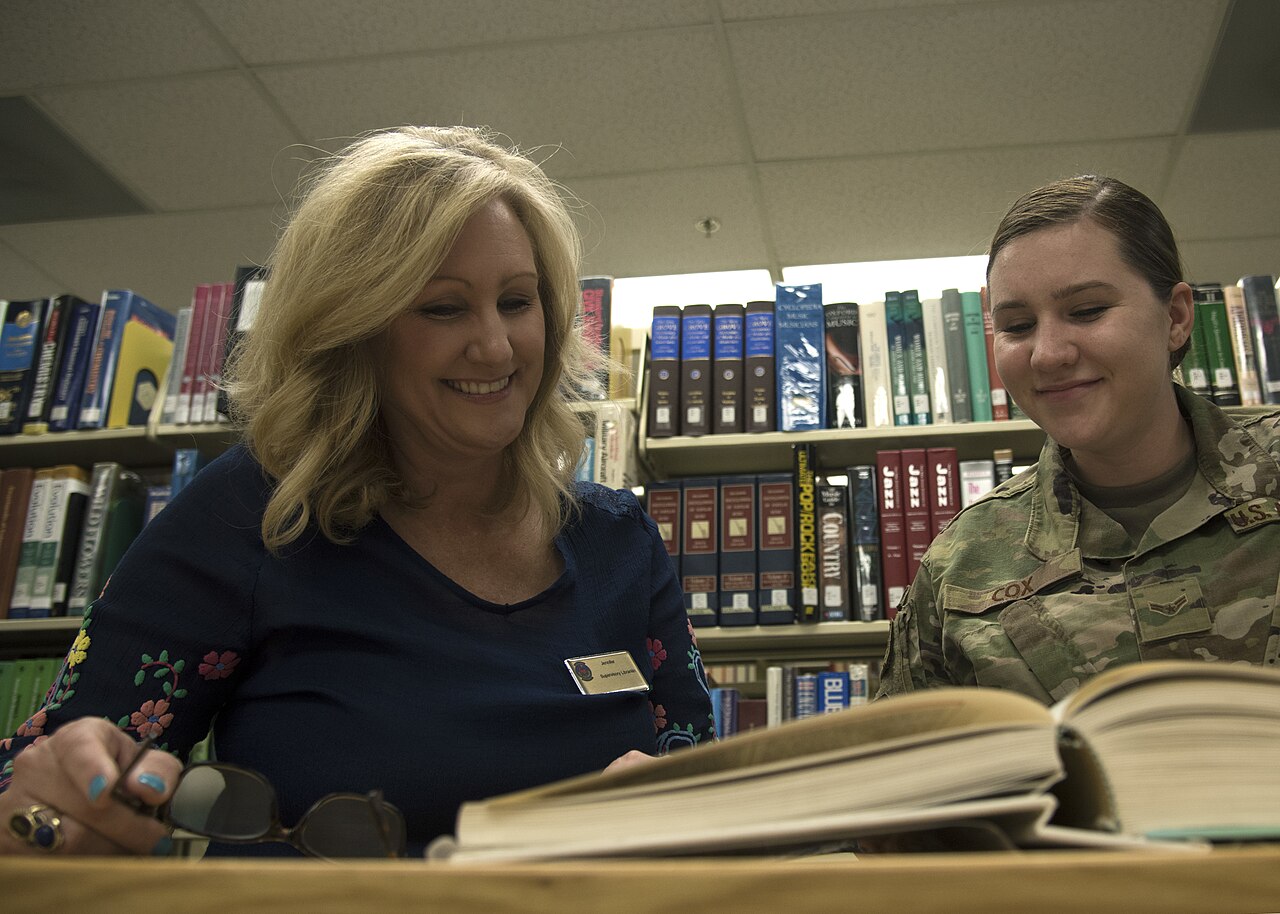
This image or file is a work of a U.S. Air Force Airman or employee, taken or made as part of that person's official duties. As a work of the U.S. federal government , the image or file is in the public domain in the United States. · Public domain
Share this page
At a glance
Score intensity
Darker cells mean a higher score for this topic on that metric.
Resists AI55
Pay35
Barrier to entry45
Autonomy55
Demand42
Impact72
LessMore
Score profile
Each bar is a 0-100 atlas score for this topic, not a timeline.
Resists AI55
Pay35
Barrier to entry45
Autonomy55
Demand42
Impact72
Pay vs AI
Pay and automation resistance on the same 0-100 scale for this profession.
Both scores stay visible. Drag the slider to emphasize Pay or Resists AI.
Pay
Pay35
Resists AI
Resists AI55
Two axes
One point: this profession on the two named axes.
Route in
Typical years of training before someone usually works in this role.
About 6 years of training before typical field entry
6Years
Timeline
Milestones in order. This is history, not a weekly activity grid.
Librarian: The keeper and guide of recorded knowledge, from Nineveh's clay tablets to the e-lending fight — organizing what humanity knows so that anyone can find it.
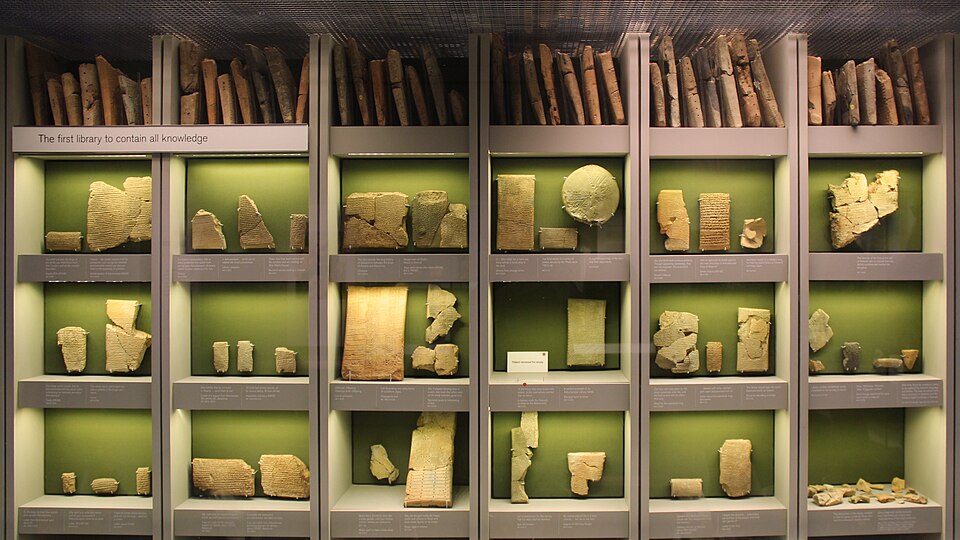
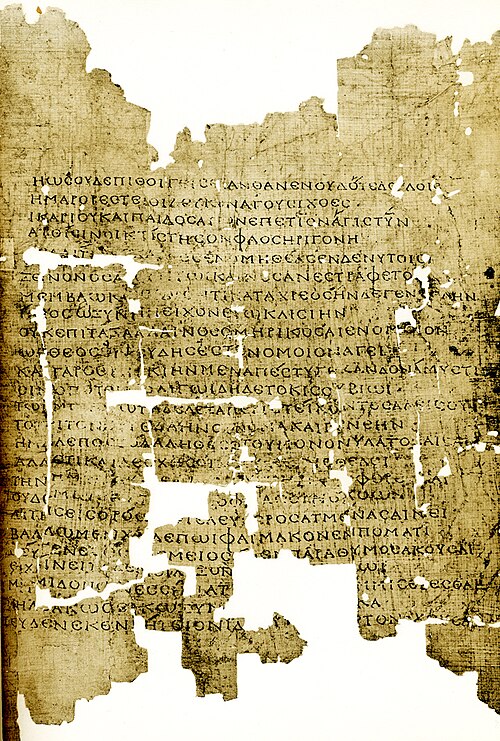
The English word librarian comes from the Latin librarius, "of books" — but the job is older than books. The first people paid to keep and organize recorded knowledge worked with clay: the scholars of King Ashurbanipal's library at Nineveh, in the seventh century BCE, arranged some 30,000 tablets and fragments by subject and closed them with written curses on anyone who would steal or erase them. Every catalog, classification scheme and reading room since is a refinement of what they were doing.
The work has never really been about reading books all day. It is about building a collection with a purpose, describing every item so that a stranger can find it, and — hardest of all — turning a visitor's half-formed question into the question they actually needed answered. The route in varies sharply by country: a master's degree in North America, a chartered professional portfolio in Britain, a competitive state examination in France, a salaried two-year traineeship in Germany.
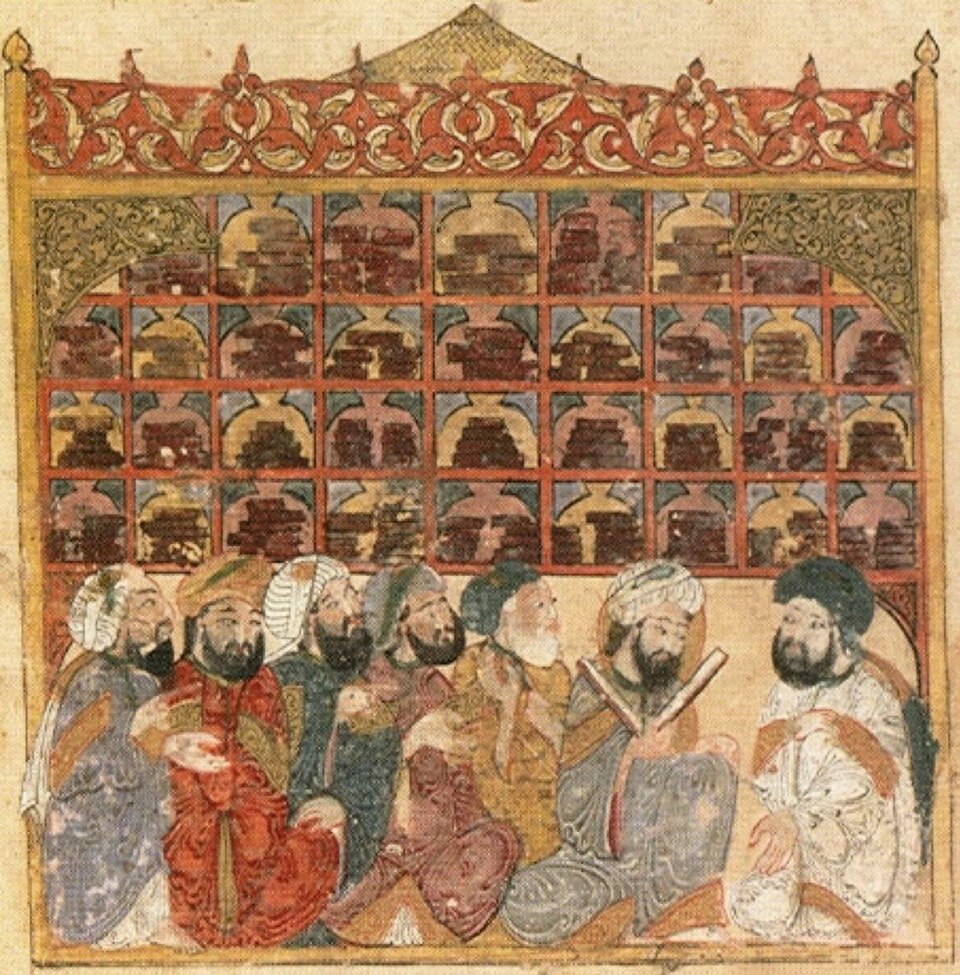
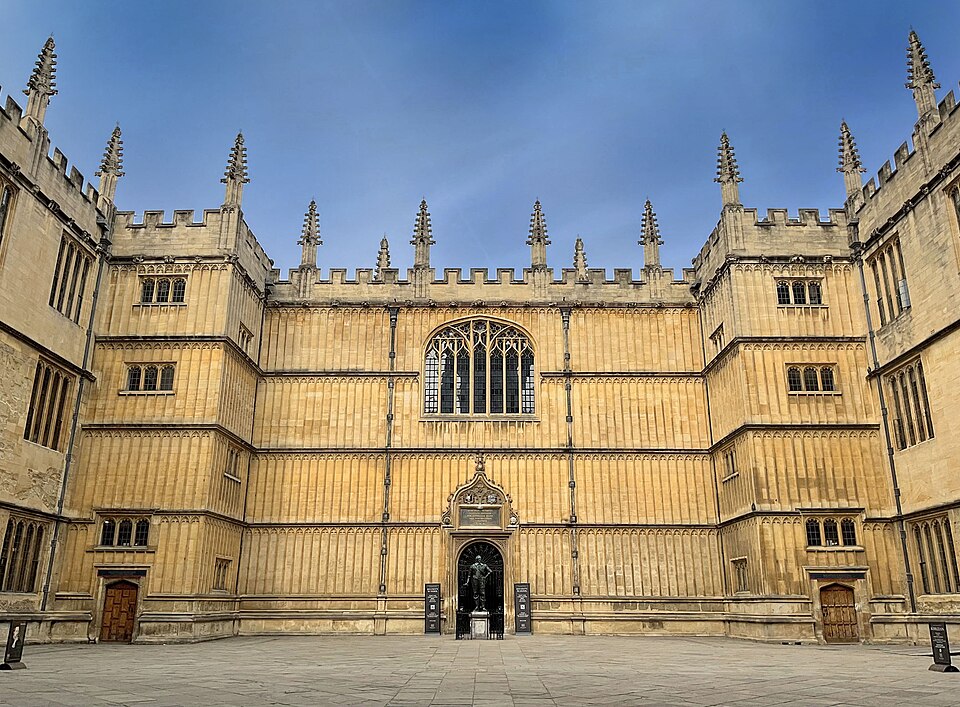
This page follows the profession from Nineveh and the Pinakes of Alexandria through al-Qarawiyyin, Panizzi's Round Reading Room and the trade's modern birth in 1876, to a present in which circulation and cataloging are largely automated while librarians defend collections in courtrooms and teach readers to navigate misinformation. It covers how people enter the work today, what the craft actually consists of, who reached the top of it, and how much of it a machine can take.
Inside the profession
Librarianship is the professional organization of access to recorded knowledge — collection, description, instruction and preservation — practiced under civic mandates that are wider than the stereotype of shelving books.
Access is designed, not automatic
From Nineveh's tablet collections to modern e-lending fights, libraries have always decided what is acquired, how it is described and who may use it under what conditions. Cataloging, classification and metadata make discovery possible; without them, a warehouse of texts is not a library. Reference and information literacy work teach people how to evaluate sources in an environment flooded with persuasive falsehoods. The daily craft includes vendor negotiations, privacy-respecting circulation systems and the politics of what a community wants removed from the shelf. Neutrality claims are themselves contested professional terrain.
Many libraries, many skill stacks
Public, school, academic, special and national libraries share principles but not workflows. A children's librarian designs programs and collection equity; a research librarian teaches database strategy and supports systematic reviews; an archivist-adjacent special collections librarian handles rare materials and digitization; a data librarian negotiates research-data curation. Technology skills — ILS administration, discovery layers, digital preservation — now sit beside traditional reader's advisory. The profession's public image lags its actual mix of pedagogy, IT, law-awareness and community work.
Privacy and intellectual freedom under pressure
Circulation records, internet use and reference questions are sensitive. Professional ethics treat patron privacy as foundational, which collides with surveillance demands, filtering mandates and book-challenge campaigns. Librarians document challenges, apply collection policies and explain decisions to boards that may not share the ALA-style intellectual-freedom framework used in some countries. Elsewhere, state control of collections is more explicit and the professional dilemma shifts. Across settings, the job includes courage and procedure — not merely personal taste about which title deserves defense.
Digital abundance changes scarcity
Licensed databases, e-books with metering, link rot and platform lock-in replaced the old scarcity of physical copies with new scarcities of budget, rights and persistence. Librarians fight for perpetual access, open repositories and workable interlibrary systems while patrons assume everything is free and forever online. AI search tools will answer some ready-reference questions and invent citations for others. The enduring value is human judgment about authority, local needs and the long-term care of cultural memory when vendor contracts end.
How the work branches
Five common shapes of the same title — specialty, setting or career path.
Municipal and regional library systems
Public librarian
Runs services for mixed ages and needs: collections, programs, outreach and contested community information access.
Universities and research institutes
Academic / research librarian
Teaches research skills, manages scholarly resources and supports faculty and student inquiry.
K–12 education
School librarian / teacher-librarian
Builds literacy, inquiry skills and collection access inside curriculum and child-protection rules.
Law, medicine, corporate and NGO settings
Special librarian
Delivers domain-specific research and knowledge management under organizational confidentiality norms.
Repositories and systems teams
Digital / metadata librarian
Designs description, discovery and preservation workflows for digital and digitized collections.
How it reads by country
Same craft, different gatekeeping, status and daily texture — rewritten for readers in each language.
United States — MLS credential and challenge waves
US librarianship commonly routes through ALA-accredited master's programs into public, school and academic systems. Book challenges, filtering debates and uneven municipal funding are defining professional conditions in the 2020s.
South Korea — public library expansion and exam culture
Korea's library sector grew with major public investment and competitive civil-service-style entry paths. Digital services and reading programs are prominent; professional status ties closely to formal qualification and public-institution hierarchies.
Japan — public libraries and meticulous service culture
Japanese librarianship emphasizes careful public service, school library roles and dense local library networks. Professionalization pathways and municipal employment patterns shape careers more than a single dominant private market.
Germany — dual training traditions and public mandate
German library careers include Fachangestellte pathways and academic Diplom/Master routes into Öffentliche and wissenschaftliche Bibliotheken. Strong public-institution culture and privacy norms influence daily practice and digital strategy.
United Kingdom — austerity scars and CILIP profession
UK public libraries endured major funding cuts after 2010, shifting work onto remaining staff and volunteers in many areas. Academic and special libraries remain significant employers; CILIP chartership structures professional identity.
Singapore — NLB system as national infrastructure
Singapore's National Library Board runs a highly integrated public library network with strong digital services. Librarians work inside a coordinated national information strategy where programming, multilingual collections and civic messaging are tightly organized.
From the archive
Commons CC/PD images self-hosted for this profession.
Why attitude matters here
Library skills organize access; whether a librarian defends a contested title, protects a patron's privacy log and teaches evaluation instead of delivering easy answers depends on attitudes that mission statements cannot enforce alone.
Patrons rarely see the policy fight behind the desk
A challenged book, a filtered search terminal or a police request for holds history reaches the public as a quiet yes or no. If a librarian yields without documenting the challenge process, or hands over data outside lawful procedure, the harm is structural and hard for patrons to detect until trust is already broken. Professional courage has to operate before the viral meeting, not after.
It is faster to give an answer than to teach how to find and evaluate one. Under short staffing, the attitude that defaults to doing the search for every student or patron produces dependency and hides how fragile online authority is. Librarianship's civic claim — informed publics — fails when convenience always wins over instruction.
Collection budgets are moral documents
What gets renewed, weeded or never bought shapes which communities see themselves and which research is possible locally. A librarian who lets personal taste, donor preference or fear of complaint silently govern selection, without policy and evidence, substitutes private censorship for professional judgment. The catalog then lies about neutrality while practicing it selectively.
Stances that hold up under pressure
Five concrete postures the work rewards, not slogans.
Documents a challenge through policy, not panic
Uses the written reconsideration process, records the complaint and supporting evidence, and resists informal removal of a title to make a loud meeting go away, even when administrators hint that fighting is not worth the headlines this month.
Protects circulation and search privacy by default
Designs retention and disclosure practices that minimize identifiable logs, trains staff against casual look-ups, and requires proper legal process before releasing patron records to officials, parents of adult patrons or curious colleagues.
Teaches the search instead of only delivering the answer
Shows patrons how sources were found and assessed when the goal is learning, rather than optimizing solely for throughput at a short-staffed reference desk that rewards completed transactions over lasting information literacy.
Weeds and buys by policy evidence, not quiet taste
Applies collection criteria transparently, including for controversial material, and can explain a decision with usage, reviews and community need rather than hiding behind vague community-standards rhetoric that changes with whoever shouted last.
Credits vendors and colleagues accurately in public wins
Resists institutional myth-making that casts every digital launch as solitary heroism while erasing systems staff, catalogers, consortium partners and the vendors whose platforms and licenses actually make the service run.
Moments that reveal it
Situations that separate résumé language from how someone actually practices.
A city official asks informally which patrons have been borrowing books on a politically sensitive topic, 'just to understand the community.'
Does the librarian refuse and require lawful process through counsel, or provide soft information to preserve the library's political goodwill, budget line and the director's relationship with city hall?
A parent demands immediate removal of a title the librarian believes meets collection policy, and the director hints that fighting is not worth the headlines.
Does the librarian insist on the formal challenge pathway and a reasoned written decision on the record, or quietly pull the book to end the conflict and keep the branch off the evening news and social-media pile-on?
Short staffing makes it faster to complete every student research query than to teach database skills before exams.
Does the librarian still carve time for instruction that builds independence, or become a permanent search proxy because throughput looks like good service on the monthly statistics the board actually reads?
A licensed e-resource package renews at a large increase while a smaller open or local resource better serves a neglected user group.
Does the selector reopen the package decision with usage evidence and equity impact, or renew on inertia because the vendor relationship and a few loud faculty complaints feel riskier than quiet exclusion?
Where "calling" turns harmful
"Public service calling" used to rationalize chronic underpay
Libraries recruit with vocation language — love of reading, serving community, democratic access — then treat low wages, precarious part-time schedules and unpaid internship pipelines as proof of commitment. Staff who ask for hazard pay, refuse volunteer substitution for professional work or organize are told they are not public-spirited enough; calling talk becomes a budget tool.
The profile
Resists AI55
Pay35
Barrier to entry45
Autonomy55
Demand42
Impact72
How exposed is it to AI?
Moderate
Close to half of the traditional task list — circulation, copy cataloging, ready-reference lookup, purchase prediction — is already automated or realistically automatable. What remains is the judgment layer: negotiating what a person actually needs, deciding what a community's collection should hold and defending that decision publicly, teaching source evaluation, and stewarding unique local material no database holds. Those tasks resist automation not because machines lack skill but because they are exercises in trust and accountability.
In most countries, yes, though the shape differs. The United States and Canada expect a master's degree in library and information science accredited by the American Library Association. The UK accepts an accredited degree plus CILIP professional registration. France recruits its senior librarians through a competitive state examination, and Germany trains academic librarians in a salaried two-year Referendariat after a subject degree.
What do librarians actually do all day?
Far less shelving than the stereotype suggests. A working day mixes reference questions, teaching sessions or children's programs, selecting and weeding the collection, fixing metadata, managing e-lending platforms and negotiating with vendors. In academic libraries much of the work is teaching research skills and managing data; in public libraries a growing share is frontline social work — helping people with forms, jobs and services.
How long does it take to become a librarian?
Typically five to seven years after leaving school: a bachelor's degree in any subject, then a one- to two-year graduate library qualification, then an entry-level professional post. Countries with examination or traineeship systems, such as France and Germany, add a further one to two salaried years. Many librarians qualify part-time while already working in a library as an assistant.
How much do librarians earn?
Modestly for a master's-level profession. The US median was around $65,000 in 2024 according to the Bureau of Labor Statistics; qualified librarians in the UK commonly earn £26,000–£40,000, German public-service scales pay roughly €45,000–€60,000, and Australian mid-career librarians around A$80,000–90,000. Directors of large urban systems can earn well into six figures, but the profession's ceiling is far lower than its education suggests.
Will AI replace librarians?
It is already absorbing parts of the job — routine lookup questions, copy cataloging, circulation — a process that began with search engines in the 1990s, not with chatbots. What resists automation is the rest: negotiating what a person actually needs, teaching people to evaluate sources, judgment over what a community's collection should hold, and the legal and ethical defense of access and privacy.
What is the difference between a librarian and an archivist?
A librarian manages published material that usually exists in many copies and is organized for broad access; an archivist manages unique, unpublished records — letters, ledgers, photographs, institutional files — organized to preserve their original order and context. Training overlaps and many people hold both roles, but the core question differs: librarians ask how readers will find things, archivists ask how the record's integrity survives.
Do libraries still use the Dewey Decimal System?
Most public and school libraries do: OCLC, which maintains the scheme, reports it is used in libraries in more than 135 countries. Large academic and research libraries mostly use the Library of Congress Classification instead, and much of Europe uses the Universal Decimal Classification. A minority of public libraries have dropped Dewey for bookstore-style subject groupings to make browsing easier.
Are libraries dying in the internet age?
Usage has shifted rather than vanished. Britain lost almost 800 public libraries or handed them to volunteers between 2010 and 2019 under austerity, while Finland opened Helsinki's Oodi in 2018 and drew over three million visits in its first year. Digital lending, program attendance and use of libraries as workspaces have grown; what has genuinely declined is the routine factual question the web now answers.
Embed this ranking
Paste this code into your blog or site — the ranking stays up to date.