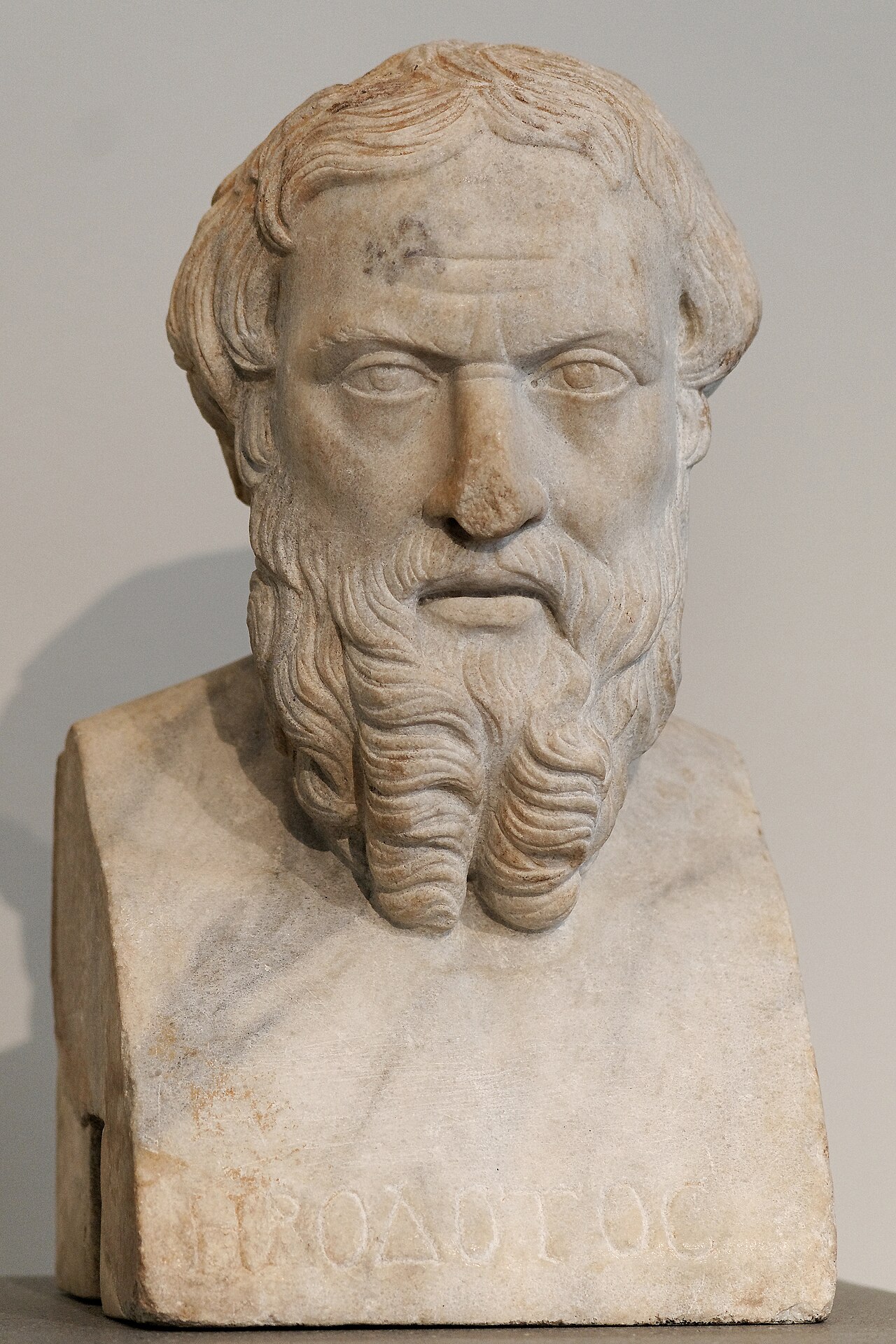
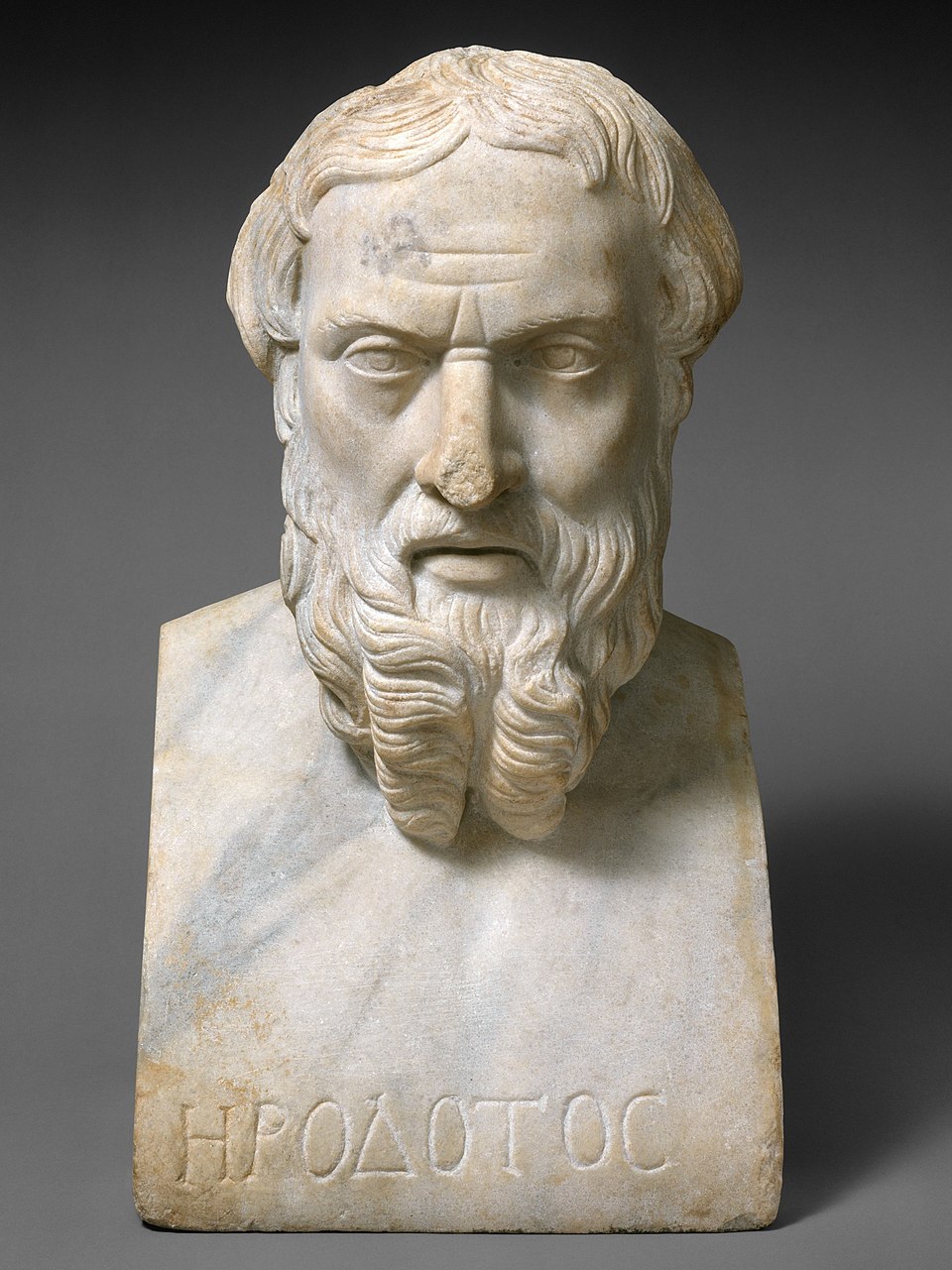
The trained interrogator of the past — from Herodotus and Sima Qian to the digital archive, turning fragile documents into checkable accounts of what happened.
Also called: Historical researcher · Historiographer
Historian: The trained interrogator of the past — from Herodotus and Sima Qian to the digital archive, turning fragile documents into checkable accounts of what happened.
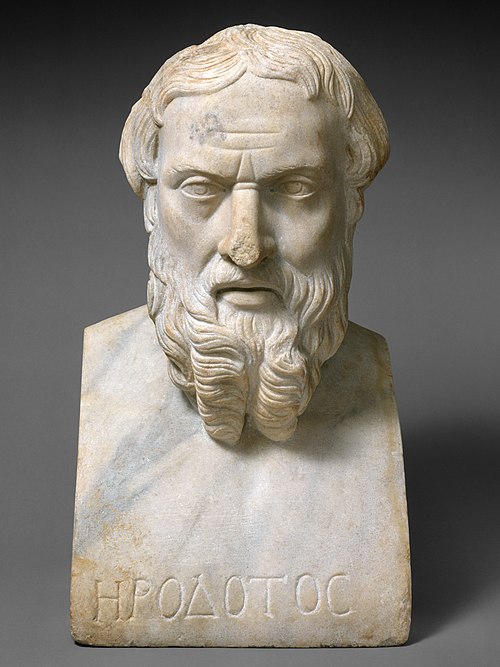
The Greek word historia meant "inquiry" before it ever meant "the past." When Herodotus opened his account of the Persian Wars around 440 BCE, he was naming a method, not a subject — going and asking, then weighing what he was told. As a distinct paid profession the job is surprisingly recent: for most of recorded time, history was written by court officials, monks, exiled generals and gentlemen of leisure. The salaried, archive-trained, footnoting historian is essentially a nineteenth-century German invention that spread worldwide.
What historians sell is not memory but verification. The core of the craft has been stable since Thucydides: prefer eyewitnesses, cross-check accounts against each other, and distrust the story that flatters the teller. What has changed is scale. A modern historian confronts more surviving records than any one person could read in a lifetime, which is why the training still runs a decade — languages, paleography, source criticism, then a doctoral apprenticeship spent producing new knowledge from documents nobody has used before.
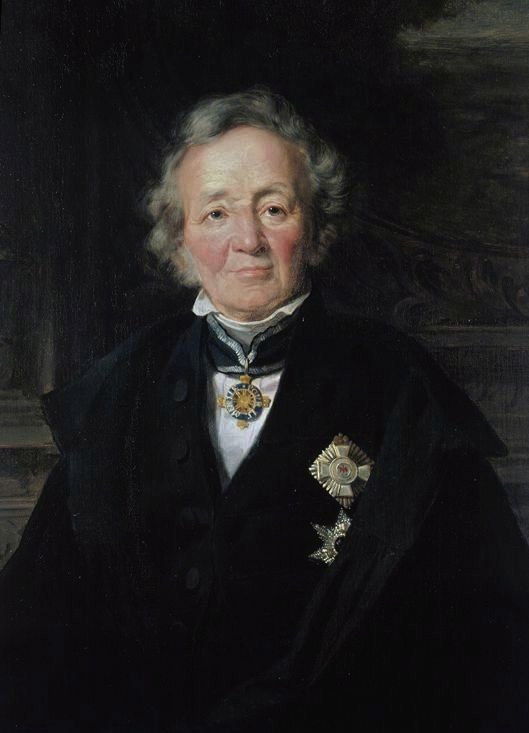
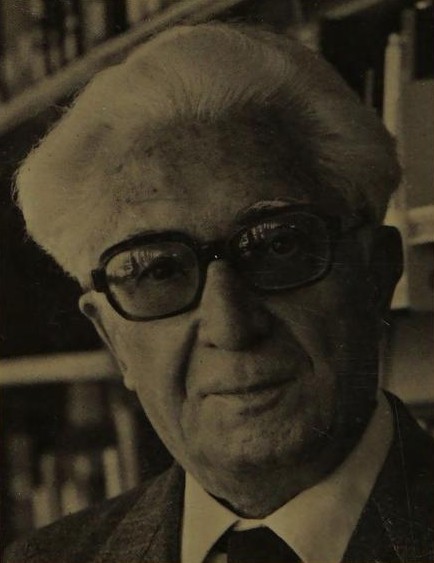
This page follows the trade from Herodotus and Sima Qian through Ibn Khaldun's laws of history, Ranke's seminar and the Annales revolution to today's digitized archives. It covers how people actually become historians in different countries and what that costs, what the daily craft looks like, the eight figures who shaped it most, how much of the work AI can realistically absorb, and what the job pays in a market where the academic route has narrowed even as public appetite for history has rarely been larger.
Inside the profession
History is the trained interrogation of the past — archives, material culture and competing testimonies turned into arguments that can survive other historians checking the footnotes.
Sources before stories
Historians do not begin with a moral they wish to illustrate; they begin with what survives — letters, ledgers, court rolls, oral histories, ruins, images — and with what silence those survivals impose. From Herodotus and Sima Qian to digital archives, the craft is establishing provenance, reading against the grain and refusing to treat a vivid anecdote as a representative fact. Paleography, languages and diplomatic skills still matter because a misread charter can invent a revolution that never happened. Narrative is a responsibility earned after the evidence has been made to talk, not a substitute for it.
Interpretation is contested by design
Two competent historians can read the same dossier and disagree about causation, periodization or whose experience counts as central. The profession institutionalizes that contest through peer review, seminars and scholarly apparatus. Popular history that erases uncertainty for a clean hero arc is a different product. Good public history translates debate without pretending consensus exists where it does not. Bad public history launders nationalism or nostalgia through selective quotation. The skill is holding complexity without dissolving into 'everything is relative' — some claims remain better evidenced than others.
Where historians work beyond the seminar
Tenure-track roles are scarce relative to PhD production; historians also work in museums, archives, heritage agencies, documentary research, education publishing, government history offices and corporate archives. Each setting changes the audience and the deadline. A museum label has word limits a monograph does not; a public inquiry needs usable chronology under legal scrutiny. Digital humanities added coding, mapping and text-mining to the toolkit without abolishing close reading. Career honesty in the field now includes planning for hybrid employment rather than assuming the nineteenth-century professoriate as the only destination.
Digitization expands access and forgeries alike
Online catalogs, OCR and digitized newspapers let historians ask questions that once required months of travel — and they flood the public sphere with decontextualized images and AI-summarized myths. The premium rises on verifying a scan against a catalog record, citing stable references and teaching students how a viral 'Victorian quote' fails basic source criticism. Machines can count words; they cannot yet accept responsibility for a claim about what a society believed. The historian's duty remains to show the trail from document to sentence so another reader can follow or refute it.
How the work branches
Five common shapes of the same title — specialty, setting or career path.
Universities and institutes
Academic research historian
Produces monographs and articles, trains students and argues in peer-reviewed venues over interpretation.
Museums, heritage sites and media
Public or museum historian
Turns scholarship into exhibitions, scripts and public programs under space, funding and audience constraints.
Archives and special collections
Archivist-adjacent historian
Combines research practice with appraisal, description and access work that shapes what future scholars can find.
Government and military history offices
Public-sector or official historian
Writes institutional history and supports inquiries under classification, FOI and political sensitivity rules.
Publishing, film and consulting
Independent / contract historian
Researches on commission for books, documentaries or litigation support with client-driven scopes.
How it reads by country
Same craft, different gatekeeping, status and daily texture — rewritten for readers in each language.
United States — PhD oversupply and public history growth
US history careers face a tight tenure market alongside expanding museum, library and digital public-history roles. Culture-war pressure on curricula and exhibitions is a live professional condition, not a side debate.
South Korea — competitive academia and national narratives
Korean historians work under intense academic competition and strong public interest in colonial, war and developmental histories. Textbook and memorial controversies make source discipline and public communication simultaneously high-stakes.
Japan — archival density and contested memory
Japan offers deep archival traditions and vigorous debates over wartime and imperial memory. Historians navigate domestic politics of remembrance while participating in transnational scholarship that often reframes national narratives.
Germany — Vergangenheitsbewältigung as infrastructure
German historical practice is shaped by dense memorial culture, strong archival institutions and legal-cultural attention to Nazi and GDR pasts. Public funding for remembrance work creates careers beyond the university, with ethical scrutiny attached.
United Kingdom — archive culture and heritage economy
UK historians benefit from extraordinary archival holdings and a large heritage sector, while academic casualization remains common. Public history via BBC, museums and National Trust settings is a major employment and controversy surface.
Singapore — nation-building narratives and regional research
Singaporean historical work often engages state narratives, multicultural policy history and Southeast Asian connections. Historians balance archival limits, oral history programs and regional comparative research from a compact national ecosystem.
From the archive
Commons CC/PD images self-hosted for this profession.
Why attitude matters here
Historical method can be performed as theater; whether a historian follows the evidence into an inconvenient story — or truncates the archive to protect a preferred past — is an attitude that footnotes alone cannot guarantee.
Readers cannot sit in the archive with the author
Most audiences encounter history as narrative prose, exhibitions or textbooks, not as boxes of unordered paper. If a historian quotes selectively, ignores contradictory depositions or translates a phrase to sharpen a thesis, the deception is hard to catch without redoing months of work. Professional ethics therefore depend on self-restraint and citational transparency more than on downstream fact-checkers who rarely have the same access.
Memory politics pay better than ambiguity
States, donors, film producers and activist publics often want usable pasts — heroes, villains, clear lessons. A historian who softens a finding to keep a museum funder, a national prize committee or a documentary client comfortable is trading method for access. The field's credibility erodes one convenient omission at a time, especially on topics where archives are already uneven.
Training rewards confidence that sources rarely justify
Graduate culture can prize the bold reinterpretation. The attitude that matters in practice is the willingness to say the dossier will not support a claim, to leave a chapter unresolved and to correct one's own earlier work when a new register appears. Without that, historiography becomes a sequence of stylish overfits rather than a cumulative discipline.
Stances that hold up under pressure
Five concrete postures the work rewards, not slogans.
Cites the contradictory source in the same argument
Includes the letter, statistic or testimony that complicates the thesis in the main text or notes, rather than burying it where only a hostile specialist would dig, so readers can see the contest inside the evidence instead of a cleaned narrative.
Corrects a published error when a new register appears
Issues a clear correction, erratum or revised interpretation when new evidence overturns an earlier claim, instead of hoping the mistake quietly ages into 'the literature' and citing networks that never revisit the footnote.
Refuses a commission that requires a predetermined moral
Walks away from museum, film or textbook work that demands a fixed conclusion before the sources have been read, even when the fee would ease a precarious year and another scholar will take the job with fewer scruples.
Shows translation and transcription choices
Makes non-obvious paleographic or translation decisions visible to readers through notes or appendices, so a disputed word, lacuna or editorial expansion cannot silently carry an entire political reading of the document.
Credits archivists and oral-history participants
Names the labor, custody chains and consent that made access possible, resisting the romance of the lone researcher discovering a past that institutions, families and archivists actually preserved, catalogued and permitted.
Moments that reveal it
Situations that separate résumé language from how someone actually practices.
A vivid anecdote would open a book beautifully, but the only source is a memoir written forty years later with clear self-exculpation motives.
Does the historian contextualize, qualify or omit it, or run it as unmarked color because narrative energy and trade-press readability matter more than provenance in the version that will actually sell?
A funder for an exhibition objects to a panel that documents violence committed by a group the funder prefers to remember as victims only.
Does the curator-historian defend the panel with sources and accept possible funding loss for the show, or quietly remove the complication to save the exhibition, the jobs attached to it and the next grant cycle with that donor?
Peer review flags that a key quantitative claim depends on a dataset the author never personally inspected beyond a secondary table.
Does the author delay publication to verify against the underlying archival or statistical series, or argue that everyone cites that secondary table and push ahead because a tenure clock or press contract will not wait for verification?
National media asks for a one-sentence lesson from a complex civil conflict the historian has spent a decade studying.
Does the historian refuse false clarity and offer a careful brief with explicit limits, or supply a punchy one-sentence lesson that will be quoted as scholarship's verdict and then used as a political bludgeon out of context?
Where "calling" turns harmful
"Love of the archive" used to justify unpaid historical labor
History romanticizes vocation — dust, dedication, serving memory — then converts it into unpaid museum internships, underpaid adjunct teaching and honorary exhibition labor that still demands professional standards. Passion talk shames early-career historians who ask for contracts or image fees, as if caring about the past were incompatible with being paid.
The profile
Resists AI70
Pay45
Barrier to entry72
Autonomy78
Demand35
Impact60
How exposed is it to AI?
Moderate
A meaningful share of the workflow — transcription, translation, cataloging, document triage, literature summary — is already automating, and routine synthesis writing will follow. What resists is the judgment layer: authenticating sources, weighing conflicting evidence, framing the question, and standing personally behind an interpretation under peer review. The realistic outcome is fewer hours per discovery rather than fewer historians per discovery — with the real employment risk lying in academic budgets, not in the technology.
Mostly read, verify and write. A working historian locates primary sources — letters, ledgers, court records, photographs, interviews — establishes whether they are genuine and what they can honestly prove, then builds a written argument other scholars can check line by line. Teaching, archive trips, peer review and grant applications fill the rest; the popular image of constant discovery describes perhaps a few days a year.
Do you need a PhD to be a historian?
For a university post, effectively yes: the doctorate has been the entry ticket since the German seminar model spread in the nineteenth century. Outside academia the rule softens. Museums, archives and public history often hire at master's level, and some celebrated historians — Barbara Tuchman, who won two Pulitzer Prizes, held no doctorate at all — built careers entirely on published work.
How long does it take to become a historian?
Roughly nine to twelve years after secondary school for the academic route: a bachelor's degree, usually a master's, then a doctorate of four to seven years built on original archival research. Add the research languages — most doctoral programs expect reading competence in two or more — and the postdoctoral years most people spend before a permanent post, and the full pipeline rivals medicine in length.
How much do historians earn?
Modestly, relative to the training. The US Bureau of Labor Statistics put median historian pay near $73,000 in 2023; European university historians typically earn the equivalent of $50,000–$110,000 depending on country and rank, with Switzerland at the top. The wide tail matters: adjunct teaching can pay under $30,000 a year, while a bestselling trade historian or endowed chair can earn several times the median.
What is the difference between a historian and an archaeologist?
Evidence. Historians work primarily from written and recorded sources — documents, inscriptions, images, oral testimony — while archaeologists recover physical remains through excavation and material analysis. The two constantly collaborate, and fields like ancient history sit across the boundary, but the training differs: archaeology is a fieldwork and laboratory discipline, history an archive and language discipline. Both drew from the older antiquarian tradition that split apart in the nineteenth century.
Will AI replace historians?
It is already replacing parts of the work — machine transcription now reads centuries-old handwriting, and search models triage documents in seconds. But the historian's defining task is deciding whether a source is genuine, what it can honestly support, and what it means, and generative AI makes that judgment more valuable, not less, by making convincing fake documents cheap to produce. The verification core of the craft is hard to automate.
Where do historians work besides universities?
More places than the stereotype suggests: national archives and libraries, museums and heritage sites, government history offices such as the US State Department's Office of the Historian, documentary and podcast production, video-game studios that hire historical consultants, provenance research for art restitution, and litigation support, where historians serve as expert witnesses in tobacco, environmental and treaty-rights cases. In the US, a substantial share of history PhDs now work outside the professoriate.
What languages does a historian need?
Whatever the sources demand, which is usually more than one. A medievalist needs Latin and often paleography — the skill of reading old handwriting; an Ottomanist needs Ottoman Turkish, Arabic script and frequently Persian; historians of modern Europe typically read two or three research languages. Doctoral programs commonly test this before candidacy, and language gaps quietly decide which topics a historian can and cannot pursue.
Embed this ranking
Paste this code into your blog or site — the ranking stays up to date.