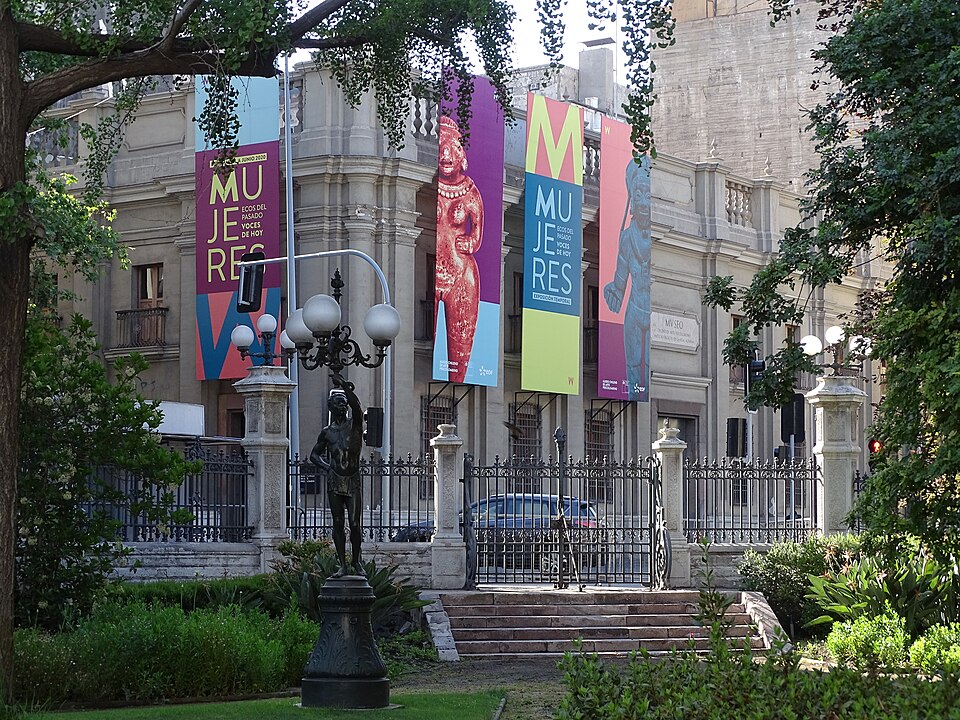
Museums
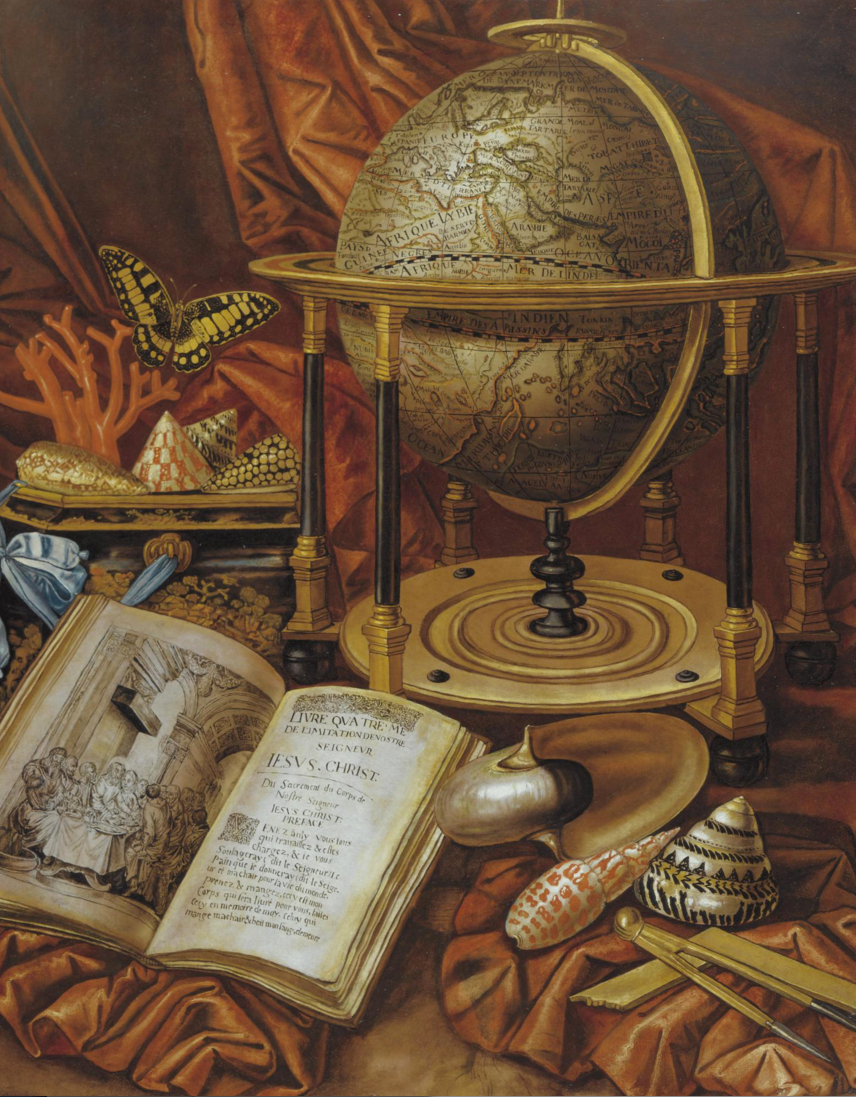
Collections and interpretation.
Evidence from the dead — archives, argument and the politics of which past gets told.
Also called: Historical studies
Reviewed 2026-08-08·Media credits
Darker cells mean a higher score for this topic on that metric.
LessMore
Each bar is a 0-100 atlas score for this topic, not a timeline.
Last reviewed Sources & creditsMedia creditsMethodology
History works from evidence left by the dead — archives, argument and the politics of which past gets told. Footnotes are load-bearing, not decorative.
Archives, special collections and language training define strong departments; chemistry hoods do not. Capstones are theses built from primary sources.
Paths include education, museums, heritage, public history, civil service and research. Scores are relative here.
Typical bachelor years: 4
Scores are relative across the forty majors on this site — not absolute rankings of universities.
Popularity & Demand →Sectors where graduates and research from this field show up most often — plates from Wikimedia Commons.
Collections and interpretation.
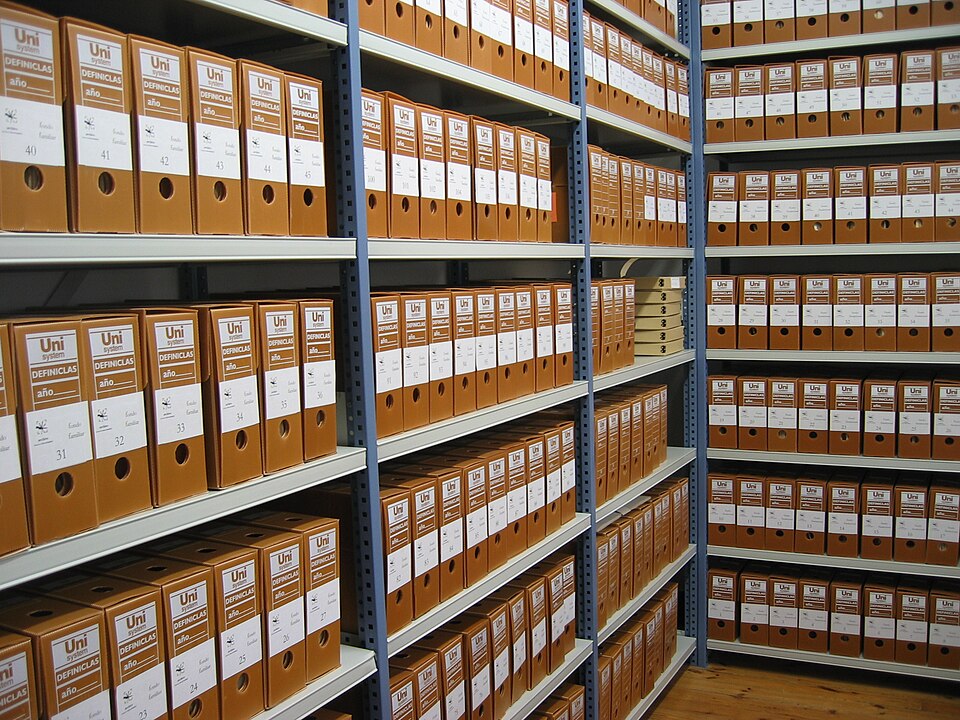
Records and access.
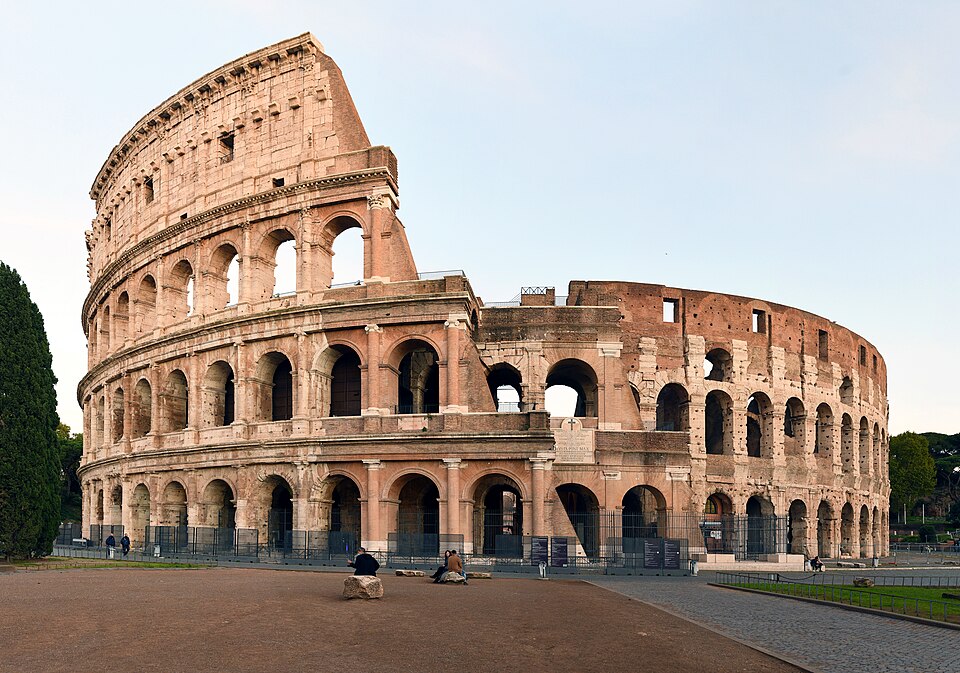
Sites and storytelling.
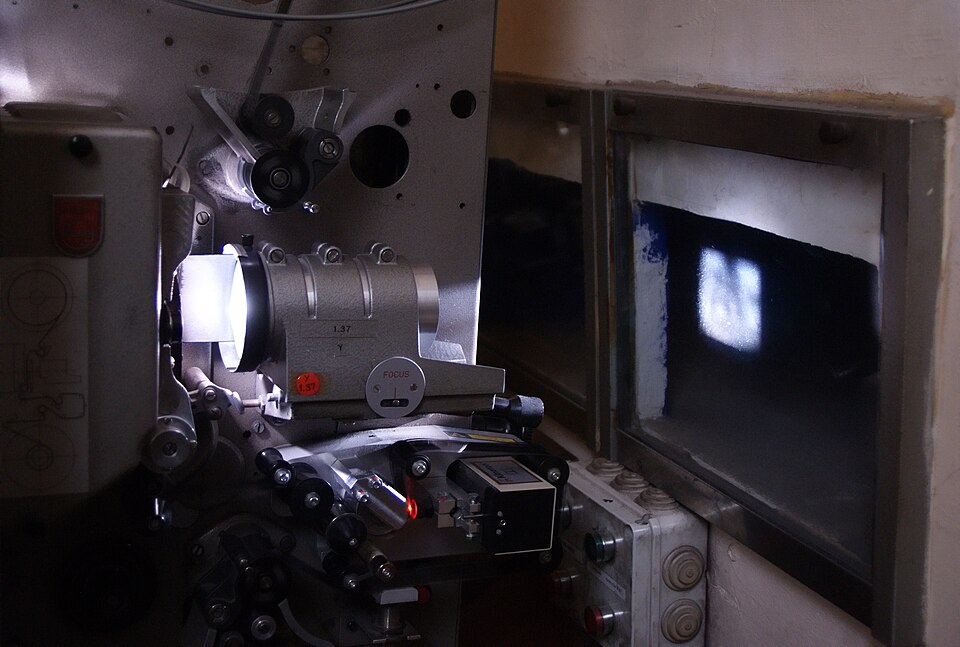
Evidence on screen.
Checkable figures whose work still frames how the discipline is taught and practised.
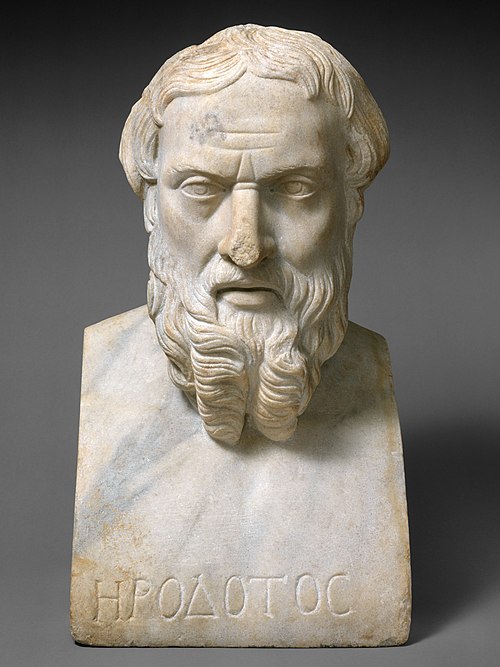
Ancient historian
c. 484–425 BCE
Unknown author · CC0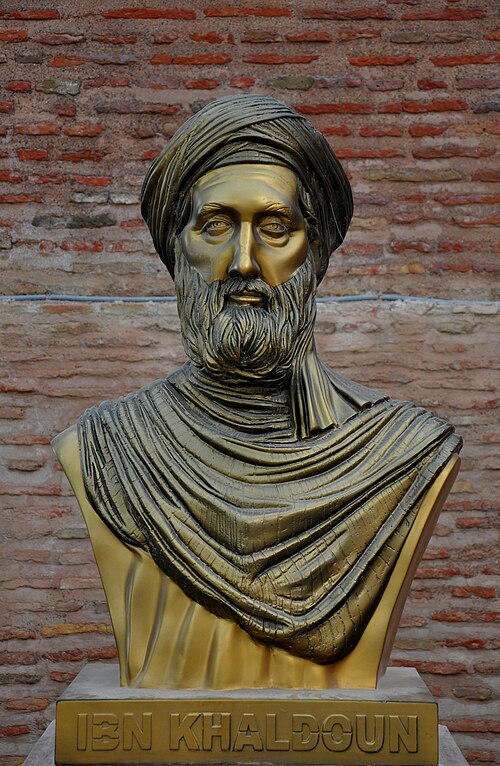
Social history
1332–1406
Reda Kerbush · CC BY-SA 4.0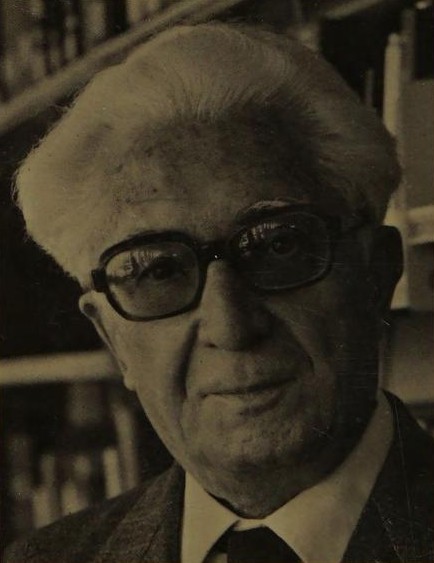
Longue durée
1902–1985
Jerry Bauer · Public domain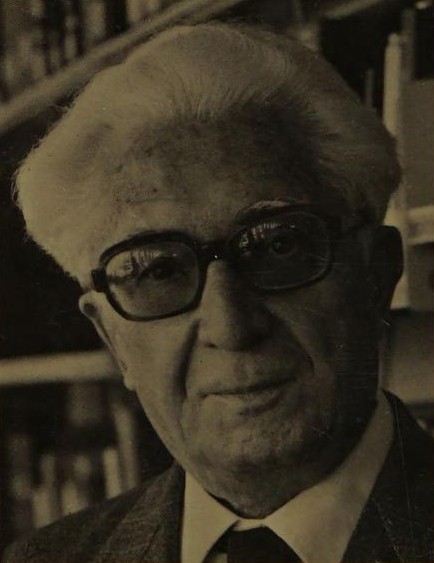
Modern history
1917–2012
Jerry Bauer · Public domainSame-field head-to-heads built from the six score axes.
Why labels are thematic — not a ranking of better majors.
Scores are browsing aids for curriculum and career lanes, not a league table of worth.
Close reading across centuries — form, history and the arguments texts still pick with us.
Employability 52 Same field neighbourArguments about mind, value, knowledge and reality — clarity as a professional habit.
Employability 48 Same field neighbourClose reading across centuries — form, history and the arguments texts still pick with us.
Employability 52 💭Arguments about mind, value, knowledge and reality — clarity as a professional habit.
Employability 48 🗣️How language works — sound, structure, meaning and the societies that speak.
Employability 62 📰Verification under deadline — reporting, ethics and the infrastructures that carry news.
Employability 58