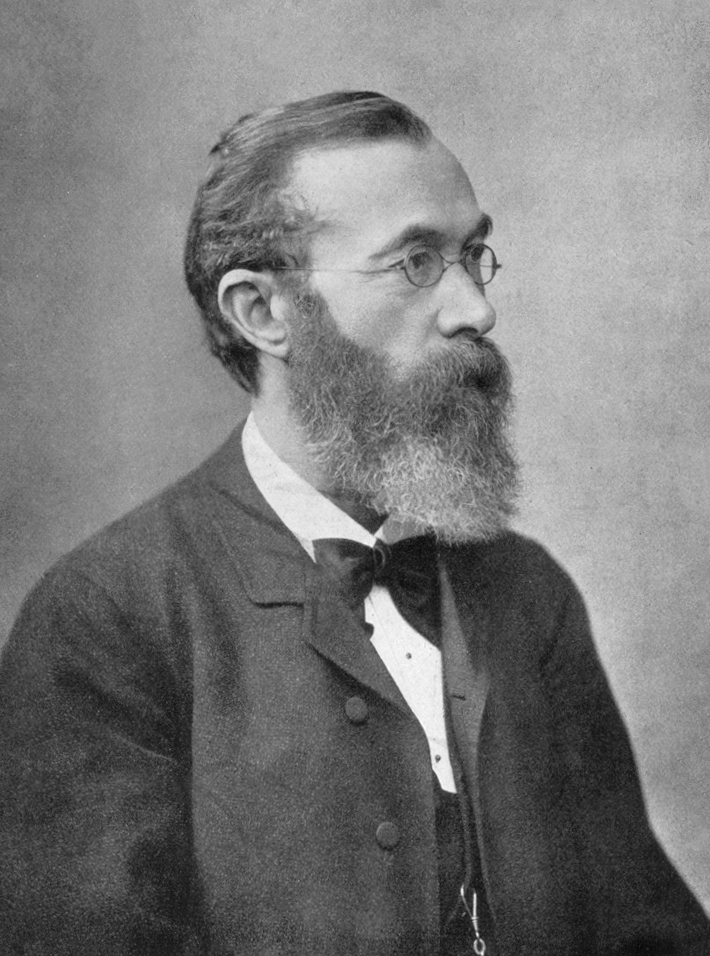
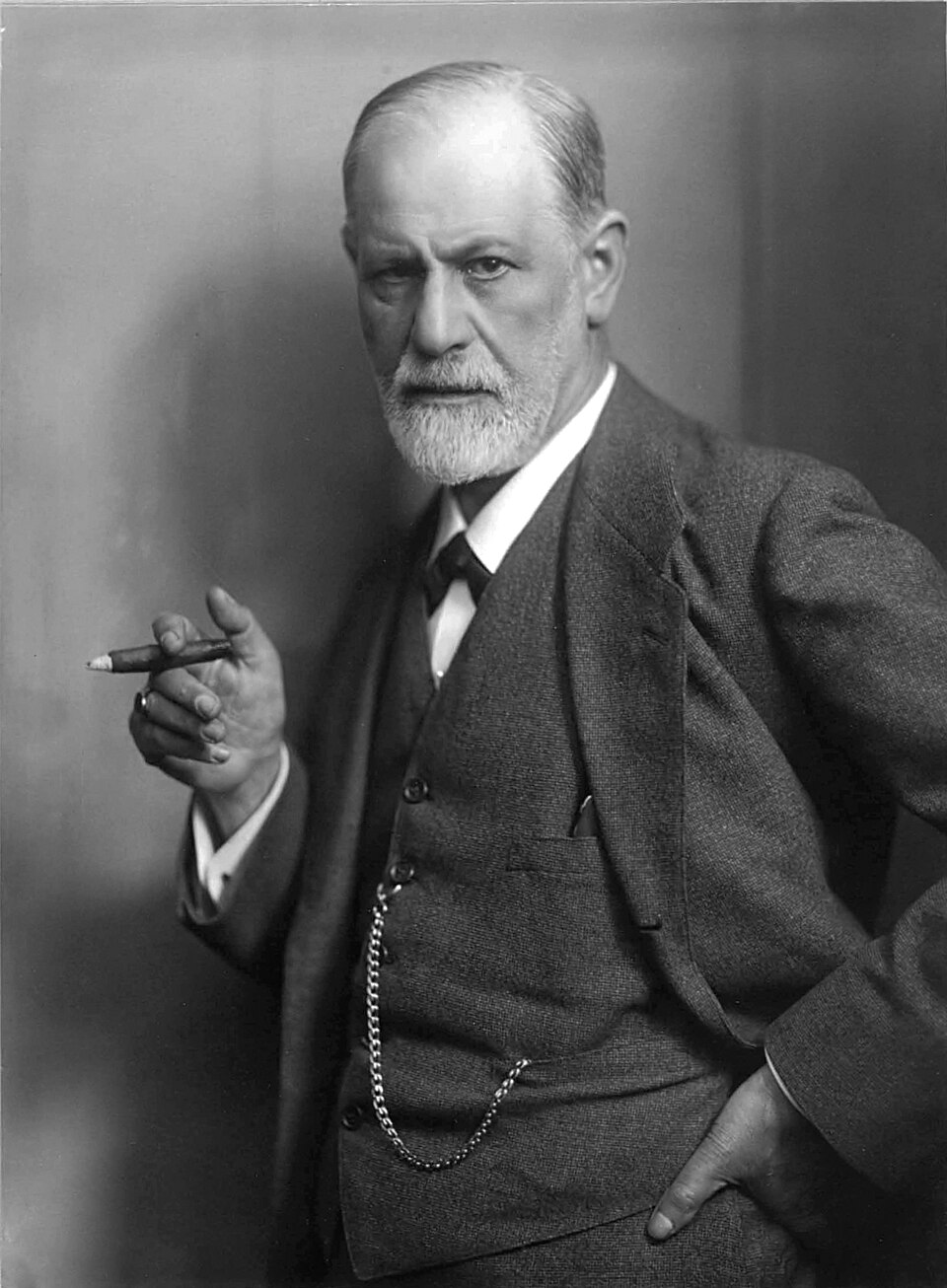
The scientist of mind and behavior, from Wundt's 1879 Leipzig laboratory to the therapy room — trained to hear what a person cannot yet say themselves.
Also called: Clinical psychologist · Psychotherapist
Psychologist: The scientist of mind and behavior, from Wundt's 1879 Leipzig laboratory to the therapy room — trained to hear what a person cannot yet say themselves.
"Psychologist" joins the Greek psyche — breath, soul, mind — to logos, the study of a thing. The word is centuries old, but the profession is startlingly young: the first psychology laboratory opened in Leipzig in 1879, the first psychological clinic in Philadelphia in 1896, and the first law licensing psychologists only in 1945, in Connecticut. Within one long lifetime the job grew from a philosophy-department curiosity into one of the world's most consulted professions.
There is no single global route in, which surprises people used to medicine's uniformity. The United States and Canada reserve the title for holders of a doctorate — roughly ten years of study — while much of Europe, India and Australia license psychologists at master's level. Everywhere serious, though, the shape is the same: a science degree, thousands of supervised hours with real clients, a licensing examination, and a legal duty of care that no online certificate can substitute for.
This page follows the profession from Wundt's laboratory and Freud's couch through the doll studies cited in Brown v. Board of Education and Aaron Beck's cognitive revolution. It covers how people actually qualify in different countries, what a working day of therapy and assessment demands, who reached the top of the field and how, which tasks AI chatbots can and cannot take over, and what psychologists genuinely earn from Mumbai to Melbourne to Minneapolis.
Inside the profession
Psychology is the scientific and clinical study of mind and behavior — assessment, evidence-based intervention and research methods used to help people change under ethical limits that the public often underestimates.
From laboratory to consulting room
Since Wundt's 1879 Leipzig laboratory, psychology has split into research traditions and applied practice without fully separating. Clinicians draw on diagnostic systems, outcome literature and therapeutic models; researchers design experiments, longitudinal studies and psychometrics. The shared discipline is skepticism about introspection as sufficient evidence. A useful psychologist can explain what is known, what is hypothesized and what would falsify a formulation. Pop psychology collapses that distinction into slogans. Training that skips measurement, ethics and supervised practice produces confident amateurs with professional vocabulary.
Assessment is an intervention
Tests, structured interviews, behavioral observation and collateral information do not merely label; they change how a person, school, court or employer treats someone. Misuse of IQ scores, personality inventories or risk tools has harmed people for decades. Competent assessment means choosing instruments for the question asked, knowing norms and limits, and writing findings that a non-psychologist can use without overclaiming. Feedback sessions are clinical events, not administrative paperwork. The craft includes saying when available tools cannot answer what a client or institution wants to know.
Therapy is relationship plus method
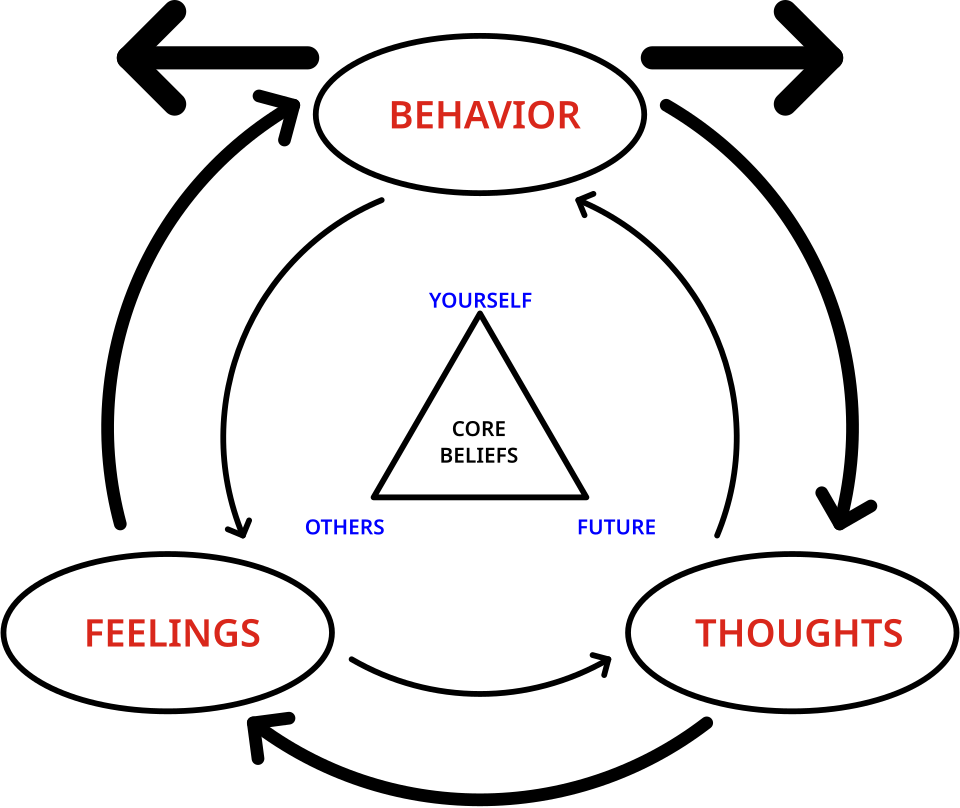
Evidence supports several approaches — CBT, interpersonal, behavioral activation, trauma-focused protocols and others — for specific problems, while common factors like alliance still matter. Psychologists track progress, manage risk of harm to self or others and refer when medical or social needs exceed their scope. Confidentiality has legal edges that differ by jurisdiction. The day is not endless deep talk; it includes notes, coordination with other providers and the discipline of ending sessions on time. Burnout and secondary trauma are occupational hazards, not proof of inadequate passion.
Replication and regulation reshape credibility
The replication crisis forced psychology to confront p-hacking, underpowered studies and overgeneralized lab effects. Open science practices, preregistration and better measurement are partial remedies still unevenly adopted. Licensing boards, insurance systems and prescription privileges debates (in some regions) keep redrawing professional boundaries with psychiatry, counseling and social work. Digital therapeutics and AI chat tools will automate some psychoeducation while raising new risks around crisis detection and data privacy. What remains non-delegable is accountable clinical judgment under duty-of-care rules.
How the work branches
Five common shapes of the same title — specialty, setting or career path.
Hospitals, clinics and private practice
Clinical psychologist
Assesses and treats mental health conditions using evidence-based therapies under licensing and risk protocols.
Universities, community and medical settings
Counseling or health psychologist
Works with adjustment, chronic illness behavior and developmental transitions across the lifespan.
Education systems
School psychologist
Assesses learning and behavior, designs supports and navigates special-education law with families and teachers.
Corporations and consultancies
Industrial-organizational psychologist
Applies measurement to selection, teams, leadership and workplace design with validation standards.
Universities, labs and think tanks
Research psychologist
Designs studies, analyzes data and publishes methods that other practitioners may later translate.
How it reads by country
Same craft, different gatekeeping, status and daily texture — rewritten for readers in each language.
United States — doctoral license and insurance maze
US practice typically requires a doctoral degree, supervised hours and state licensure (e.g., EPPP pathway). Insurance panels, prescription debates and a large private-practice market shape careers alongside hospital and VA systems.
South Korea — counselor boom and clinical gates
Korea has seen rapid growth in counseling demand alongside contested boundaries among clinical psychologists, counselors and psychiatrists. Exam-based credentials and status hierarchies strongly shape who may use which title in clinical settings.
Japan — certified psychologist system and medical ties
Japan's national certified psychologist framework sits beside long medical-centered mental health institutions. Psychologists often work in schools, industry and hospitals where collaboration with psychiatry and careful stigma navigation are daily realities.
Germany — Approbation and therapy schools
German psychological psychotherapy is tightly regulated through Approbation pathways and recognized therapy orientations. Training is long and selective; statutory insurance recognition heavily determines viable practice models.
United Kingdom — HCPC titles and NHS pathways
UK practitioner psychologists are regulated titles under HCPC, with NHS training routes (such as clinical psychology doctorates) remaining highly competitive. Private practice and specialist services expand options outside scarce public posts.
Singapore — evolving regulation and bilingual practice
Singapore's psychology field has moved toward clearer registration and quality frameworks while demand for school, clinical and organizational services grows. Multilingual practice and regional referral patterns are common in a compact system.
From the archive
Commons CC/PD images self-hosted for this profession.
Why attitude matters here
Psychological skill can sound wise in any room; whether a practitioner stays inside competence, protects confidentiality and follows evidence when a client wants magic instead depends on attitudes no diploma prints on the wall.
Clients cannot audit the formulation in real time
A person in distress evaluates warmth and hope more easily than whether a diagnosis was premature, a test mis-normed or a technique contraindicated. If a psychologist improvises beyond training, pathologizes ordinary suffering or sells certainty the literature does not support, harm can accumulate before a licensing board hears anything. The asymmetry of knowledge makes self-discipline a clinical safety system, not a personality ornament.
Institutions pressure for speed, labels and clearance
Schools, employers, courts and insurers often want a clean opinion yesterday. A psychologist who rubber-stamps fitness, risk or diagnosis to keep a contract, or who softens a report to please a paying parent, converts a protective role into paperwork theater. Attitude toward saying 'insufficient evidence' under institutional pressure is where public trust is won or lost.
The therapy hour hides what supervisors no longer see
After licensure, most sessions are unwitnessed. Whether a clinician maintains notes honestly, seeks consultation after a rupture, monitors their own attraction or aggression and ends treatment that is not helping — these are attitude practices. Skill acquired in training decays into ritual unless the practitioner keeps treating their own judgment as fallible.
Stances that hold up under pressure
Five concrete postures the work rewards, not slogans.
Refers out when the problem exceeds real competence
Declines or transfers cases involving populations, modalities or risk levels outside actual supervised experience, rather than learning the hard way on a paying client's crisis because the calendar has openings and turning away work feels like professional failure.
Explains the limits of a test score in plain language
Tells schools, courts and families what an instrument can and cannot support — norms, error bands, construct limits — resisting the demand for a single number that settles a complex life and will be treated as harder fact than the psychologist knows it is.
Breaks confidentiality only through the lawful pathway
Follows mandated reporting and duty-to-protect rules as written, without gossiping 'for the client's good' outside those channels, and without ignoring a clear safety duty simply to avoid paperwork, conflict with a family or loss of a private-pay relationship.
Tracks outcomes instead of trusting the vibe of sessions
Uses agreed measures or structured review to notice non-improvement, deterioration or dependency, and changes approach or refers rather than continuing indefinitely on alliance comfort, habit and a full schedule that feels like evidence of usefulness.
Names dual relationships before they become secrets
Discloses and manages overlapping social, business, online or community ties early, including declining treatment when impartiality cannot be maintained, instead of hoping the overlap stays invisible until it explodes into a complaint.
Moments that reveal it
Situations that separate résumé language from how someone actually practices.
A wealthy parent wants a specific learning diagnosis to unlock accommodations, and the assessment data are borderline and inconsistent.
Does the psychologist write the uncertain findings plainly with limits, or stretch interpretive language because the family is paying well and will take the report to someone more 'helpful' if disappointed?
A client improves socially in sessions but outcome measures and outside collateral show no change in the target problem after a full course of care.
Does the clinician discuss ending, pausing or changing treatment with the evidence on the table, or keep booking because the alliance feels good, the calendar is full and ending care feels like abandoning someone?
An employer requests a fitness opinion with a short deadline and incomplete records, hinting that a 'clear' result would help everyone move on.
Does the psychologist refuse to opine beyond the evidence and state what would be required for a defensible opinion, or produce a soft clearance that protects the contract and leaves residual risk undocumented?
Mid-treatment, the psychologist realizes they have been avoiding a trauma topic because it triggers their own unresolved material.
Do they seek consultation, adjust the plan or refer appropriately, or keep steering sessions around the avoidance while telling themselves the client is not ready and that warmth alone is still good enough clinical care?
Where "calling" turns harmful
"Helping vocation" used to justify unpaid clinical hours and soft boundaries
Psychology wraps exploitation in calling language: unpaid practicum hours, uncompensated crisis coverage and pressure to extend sessions without pay because helpers should not watch the clock. Passion-for-healing talk discourages naming unsafe caseloads or refusing after-hours texting cultures that erase the therapeutic frame and burn clinicians out.
The profile
Resists AI82
Pay62
Barrier to entry78
Autonomy76
Demand82
Impact84
How exposed is it to AI?
Low
Roughly a fifth of the job's task-hours — documentation, screening, scoring, guided self-help content — is realistically automatable now or soon. The core is not: no AI system can carry legal duty of care in a suicide-risk assessment, testify to a formulation in court, or offer the human relationship that outcome research keeps identifying as therapy's active ingredient. Several jurisdictions are already legislating to keep unsupervised AI out of therapy.
What is the difference between a psychologist and a psychiatrist?
A psychiatrist is a medical doctor who completed medical school and a psychiatry residency, and treats mental illness primarily with medication. A psychologist holds a graduate degree in psychology — a doctorate in the US and Canada — and treats primarily through talking therapies and psychological assessment. They frequently work together: the psychiatrist manages medication while the psychologist provides the therapy and testing.
Do you need a doctorate to become a psychologist?
It depends entirely on the country. The United States and Canada restrict the title to holders of a PhD or PsyD, roughly ten years of study after secondary school. Much of Europe, along with India, South Africa and Australia, registers psychologists at master's level after five to six years plus supervised practice. Everywhere, the title is legally protected and tied to a government or board register.
How long does it take to become a psychologist?
In the United States, typically ten to twelve years: a four-year bachelor's degree, five to seven years of doctoral training including a one-year full-time internship, then supervised postdoctoral hours and a licensing exam. In most of Europe and Australia the master's-plus-supervision route takes six to eight years. No serious system licenses anyone without supervised clinical hours.
How much do psychologists earn?
The US median for clinical and counseling psychologists was about $96,000 in 2023 (Bureau of Labor Statistics); industrial-organizational psychologists and full private practices earn substantially more. UK clinical psychologists on the NHS typically earn £50,000–£62,000 at Band 8a. In India and Brazil, typical registered-psychologist pay is a small fraction of these figures, with wide private-practice variation.
Can psychologists prescribe medication?
In most of the world, no — prescribing remains the psychiatrist's territory. The exceptions are a handful of US jurisdictions, beginning with New Mexico in 2002 and Louisiana in 2004, where psychologists who complete additional psychopharmacology training and examination may prescribe, along with certain US military settings. Everywhere else, psychologists treat through therapy and assessment and refer to physicians for medication.
Does psychotherapy actually work?
Yes, and this has been measured for decades. Smith and Glass's landmark 1977 meta-analysis found the average treated person ended up better off than roughly three-quarters of untreated people, a finding hundreds of later meta-analyses have broadly upheld. The American Psychological Association states that about 75 percent of people who enter psychotherapy show some benefit. Effects vary by condition, therapist and fit.
Will AI chatbots replace psychologists?
For structured self-help exercises, apps already deliver real value, and AI scribes are absorbing paperwork. But the core of the job — building a relationship a person will tell the truth inside, holding legal responsibility in a suicide-risk assessment, formulating a whole life rather than a symptom list — remains human, and regulators in several countries are explicitly restricting unsupervised AI therapy.
What is the difference between a psychologist, a therapist and a counselor?
"Psychologist" is a legally protected title in most countries, tied to specific degrees, supervised hours and a licensing board. "Therapist" and "counselor" are looser umbrella terms; in some places they are separately licensed professions at master's level, in others anyone may use them. Checking a practitioner's registration — HCPC in the UK, state boards in the US, AHPRA in Australia — is the reliable test.
Embed this ranking
Paste this code into your blog or site — the ranking stays up to date.