Archaeologist: The scientist who reads human history out of the ground, one unrepeatable layer at a time — from Nabonidus's temple trenches to LiDAR and ancient DNA.
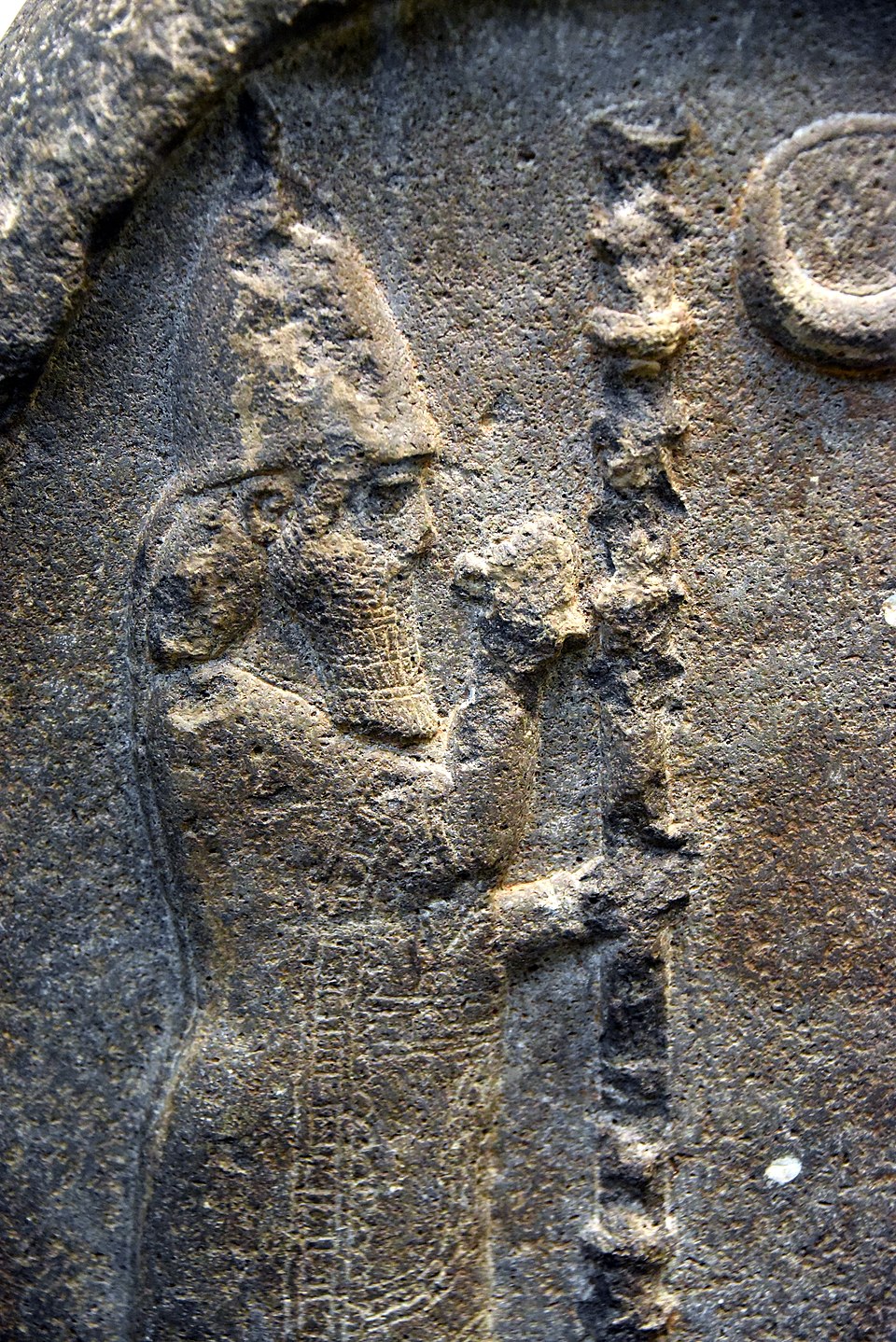
Archaeology — Greek archaiologia, "the study of ancient things" — is far older as an impulse than as a profession. Babylon's last king, Nabonidus, was already digging into ruined temple foundations in the sixth century BCE, hunting the inscriptions of kings fifteen centuries before him. Yet the salaried, university-trained archaeologist is barely 150 years old: for most of the intervening time, the digging was done by kings, priests, treasure hunters and wealthy amateurs.
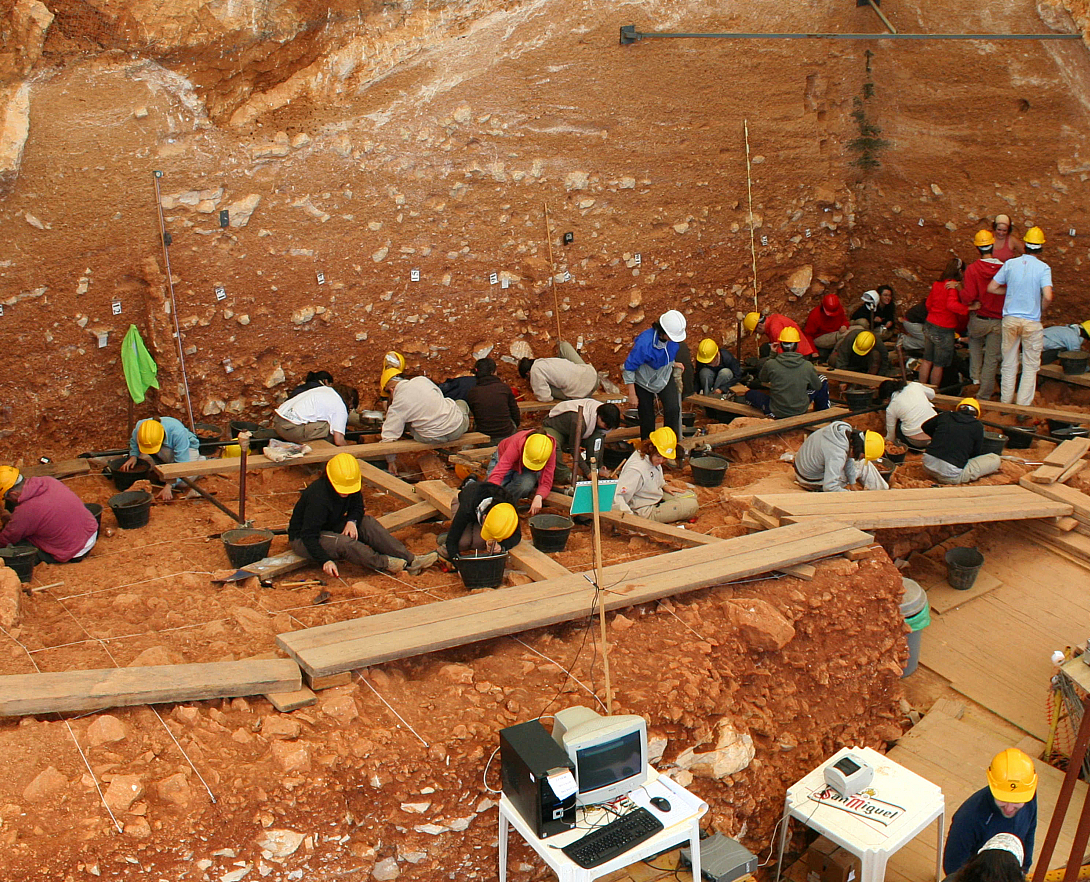
The profession is built around an uncomfortable fact its own maxim states plainly: excavation is destruction. A layer of soil, once dug, can never be re-dug, so every observation must be recorded the first and only time it can be made. That discipline — measured drawings, photographs, context sheets, databases — is what separates an archaeologist from a looter with patience, and it shapes the training, the ethics and the daily routine of everyone in the trade.
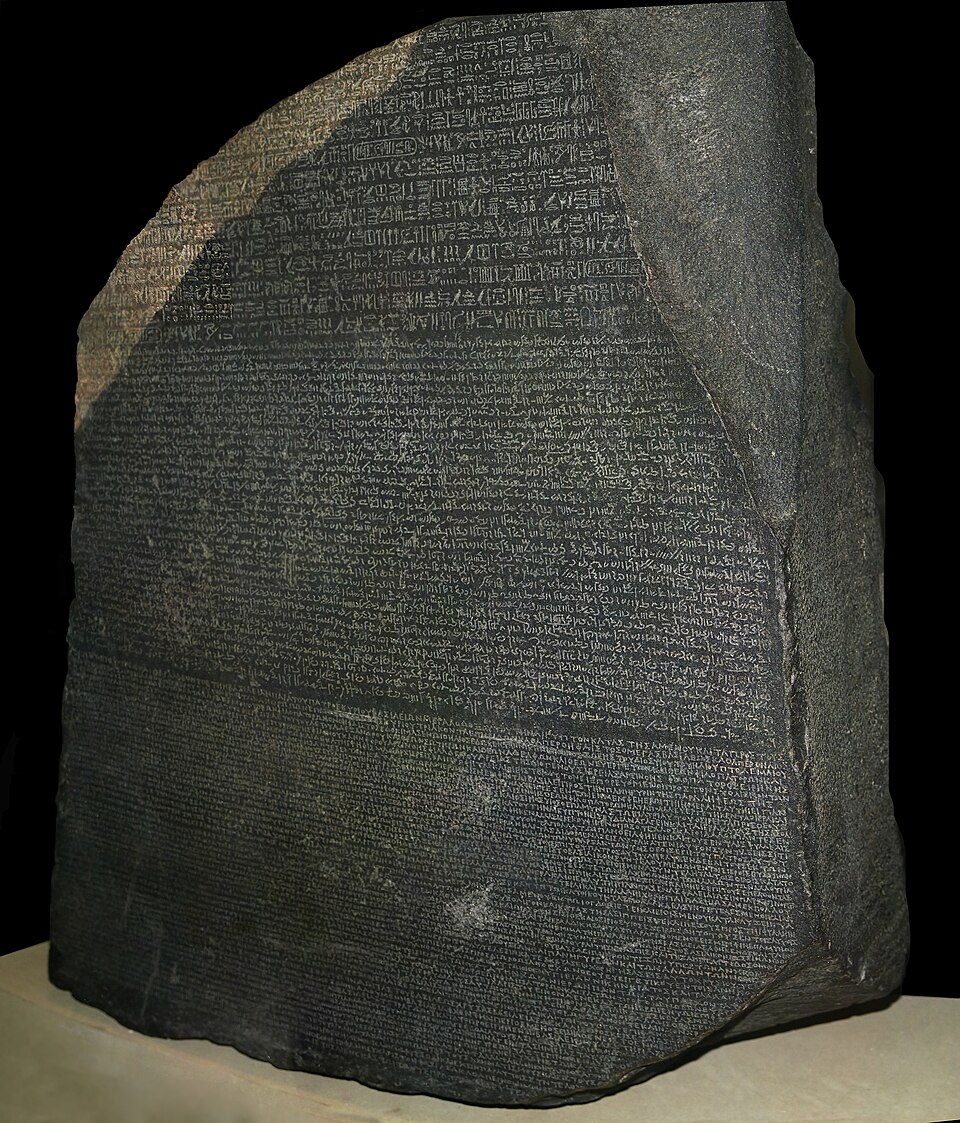
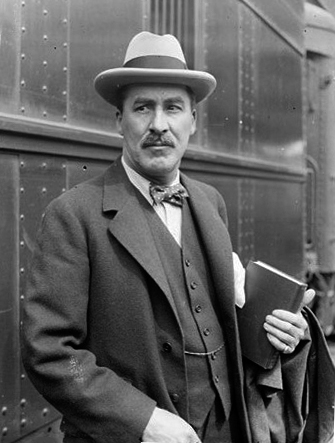
This page follows the job from Nabonidus and the royal tunnels of Pompeii through Champollion's decipherment, Petrie's pottery sequences, Carter's "wonderful things" and Kenyon's trenches at Jericho, to the radiocarbon, DNA and LiDAR revolutions that have remade it. It covers how people actually enter the field today, what a dig day demands, who reached the top of the profession, and how much of the work machines can realistically take.
Inside the profession
An archaeologist recovers and interprets material traces of past human life — not treasure hunting, but slow, documented argument built from soil, objects, dates and context.
Context is the artefact
A pot without its layer, associations and recording is a curiosity; with them it becomes evidence. Excavation is controlled destruction: once a deposit is dug, it cannot be re-dug. The craft is knowing where to dig, how fine to sieve, what to sample for dating or environment, and when to stop. Photography, planning, finds processing and databases are not bureaucracy bolted onto adventure — they are how claims remain checkable after the trench is backfilled.
Field seasons and lab years
Public imagination stops at the trench edge. Much of a career is post-excavation: cleaning, cataloguing, specialist reports, GIS, radiocarbon calibration, writing for planning authorities or journals. Contract archaeology moves at construction speed; research digs move at funding speed. Both demand people who can switch between mud, spreadsheets and careful prose without treating any of those as optional.
Ethics under pressure
Descendant communities, human remains, looting markets and national heritage laws shape what "discovery" is allowed to mean. An archaeologist who treats permits as paperwork and local knowledge as colour fails the contemporary standard of the discipline. Collaboration, publication duties and refusing to authenticate looted objects are part of professional identity — tested whenever a collector, developer or media crew wants a simpler story than the evidence supports.
Employment is rarely the dig alone
Universities, museums, government heritage agencies and commercial units hire differently. In many countries the largest employer is development-led archaeology: evaluating and excavating ahead of roads, housing and pipelines. Academic posts are scarce; fieldwork contracts can be seasonal. Specialisms — osteology, archaeobotany, ceramics, underwater, remote sensing — often determine who stays employed between seasons.
How the work branches
Five common shapes of the same title — specialty, setting or career path.
Research projects and commercial units
Field / excavation archaeologist
Runs or staffs trenches, recording systems and on-site finds recovery.
Development-led heritage firms
Commercial / CRM archaeologist
Works to planning conditions, deadlines and developer budgets with legal reporting duties.
Museums and repositories
Museum / collections archaeologist
Curates, researches and publishes assemblages long after fieldwork ends.
Labs and universities
Specialist scientist
Focuses on bones, plants, isotopes, materials or dating methods that unlock site stories.
Shipwrecks, submerged landscapes, maritime units
Underwater archaeologist
Combines diving operations with the same contextual recording standards as land sites.
How it reads by country
Same craft, different gatekeeping, status and daily texture — rewritten for readers in each language.
United States — CRM industry and tribal consultation
Cultural resource management firms employ most working archaeologists under federal and state historic-preservation law. Section 106 processes, SHPO review and tribal consultation are daily practice. Academic fieldwork continues, but stable careers often sit in CRM, agencies or museums rather than tenure-track dig leadership.
South Korea — rescue excavation and state institutes
Rapid development has produced extensive rescue archaeology under cultural heritage law. National and provincial research institutes, university museums and contract units share the workload. Public interest in ancient kingdoms is high; employment still tracks construction and state research budgets.
Japan — maizou bunkazai and prefectural centres
Buried cultural properties law drives large volumes of excavation ahead of building. Prefectural centres and embedded specialists handle much of the work; reporting standards are exacting. Careers can be institutionally stable compared with seasonal fieldwork cultures elsewhere, though fixed-term contracts still exist.
Germany — Landesdenkmalamt and Grabungsfirmen
State heritage offices set the framework; commercial excavation firms execute much fieldwork. University paths remain influential for research specialism. Strong documentation traditions coexist with pressure from infrastructure timelines, and permanent posts are competed for intensely.
United Kingdom — commercial units and planning policy
Since PPG16 and successor planning frameworks, developer-funded archaeology has been the main employer. Chartered Institute pathways professionalise practice; pay and contract stability are long-standing sector debates. Research excavations and museum roles remain prestigious but numerically smaller.
Singapore — scarce land, careful heritage niches
Limited terrestrial archaeology coexists with strong museum, fortification and WWII heritage work, plus regional research links. Careers often sit in institutions, consultancy or university partnerships rather than continuous open-area excavation. Underwater and urban watching briefs appear when development allows.
From the archive
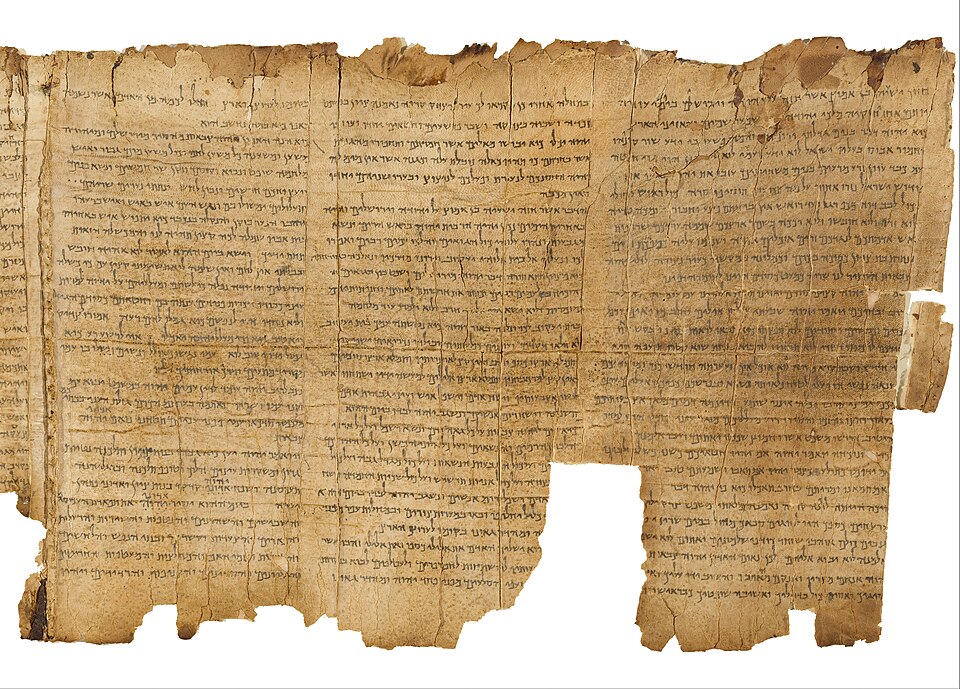
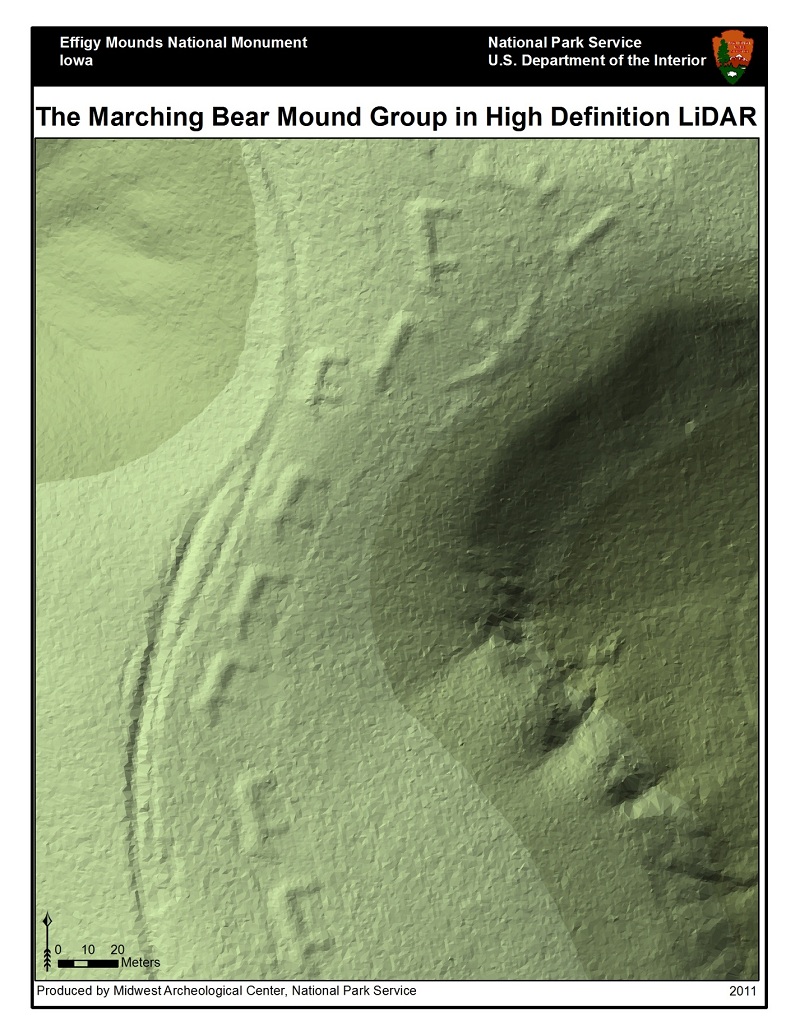
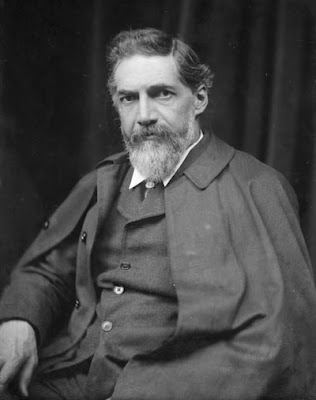
Commons CC/PD images self-hosted for this profession.
Why attitude matters here
An archaeologist's degrees prove they can talk about the past; what makes the work trustworthy is whether they protect context, consent and evidence when speed, glory or a collector would prefer a simpler story.
Excavation is irreversible
Every spit removed is a decision that cannot be undone. Rushing recording to chase a photogenic find destroys the only archive that gave the object meaning. Attitude here is restraint: the willingness to stop, draw, photograph and sample while everyone else wants the next reveal.
Interpretation outlives the trench
Planning reports, museum labels and media quotes travel further than the dig team. Inflating certainty for a headline, or burying inconvenient finds that complicate a narrative, corrupts public memory. Intellectual honesty under incomplete data is the job's load-bearing virtue.
Communities are not scenery
Sites sit in living landscapes with descendant stakeholders, landowners and workers whose livelihoods may depend on the project. An archaeologist who treats consultation as a box-tick and local labour as disposable fails contemporary ethics even if the pottery seriation is elegant.
Stances that hold up under pressure
Five concrete postures the work rewards, not slogans.
Records the boring metres with the same care as the special find
Glory layers tempt shortcuts in sterile or repetitive deposits. Those metres still constrain dates and formation processes. Equal recording discipline is how later specialists can trust the archive when the trench has been backfilled and only the paperwork remains.
Stops when stratigraphy is unclear instead of inventing a story
Calling a relationship before it is demonstrated creates errors that propagate through every later paper and planning report. Saying "we do not yet know" in the field notebook is professional strength, not a failure of nerve in front of the crew.
Refuses to authenticate objects without secure provenance
Collectors and auction paths pressure specialists for opinions that raise prices. Withholding expertise from unprovenanced lots is an ethical stance with career costs — and it is still the right one when the alternative is laundering looted material through scholarly prestige.
Credits site workers and specialists in the publication chain
Project directors who absorb all authorship teach juniors that recording labour is invisible. Naming excavators, finds staff and lab specialists is how standards and morale survive beyond one charismatic name on the grant.
Budgets post-excavation before promising the trench
Digging without funds to process, analyse and report creates orphaned archives that nobody can re-interpret. Insisting on the full pipeline — even when it shrinks excavation weeks — is stewardship, not timidity in front of a funder who wants metres opened.
Moments that reveal it
Situations that separate résumé language from how someone actually practices.
A developer asks the commercial unit to "just finish" a complex burial area before the concrete pour date next week.
Does the archaeologist document the constraint, escalate for time or redesign sampling with the curator — or strip faster than recording can support because the client is shouting about delay damages and liquidated costs?
A journalist wants a definitive royal identification from a skeleton the team has only begun to analyse.
Does the lead give careful probabilities and refuse the fairy tale that will sell papers, or feed a headline that will be embarrassing — and harmful to public trust — when lab results and dating arrive months later?
A volunteer finds a metal object in a spoil heap and wants to take it home as a souvenir of "their" dig.
Does the team explain law and context, log the find properly, and keep the archive intact — or look away because volunteer goodwill feels more fragile than protocol on a sunny community open day with cameras present?
A specialist report contradicts the site director's preferred phasing late in publication.
Does the director revise the interpretation and show the debate in print, or pressure the specialist to soften conclusions so the grant narrative and press release stay tidy for the funder and the board?
Where "calling" turns harmful
Unpaid digs dressed up as a calling
Field schools and "volunteer" seasons often require students and early-career archaeologists to pay fees or work without wages for the privilege of moving dirt — justified as passion for the past. Experience matters; exploitation is not a pedagogy. When research cannot afford labour, the honest responses are fewer trenches, funded posts or redesigned methods — not a workforce fuelled by vocation rhetoric and debt.
The profile
Resists AI78
Pay35
Barrier to entry70
Autonomy66
Demand42
Impact55
How exposed is it to AI?
Low
A meaningful share of archaeological work — site detection from imagery, artifact classification, survey data processing, documentation and translation — is already partly automated, and that share will grow. But the excavation itself is an unrepeatable physical intervention no machine can perform or take responsibility for, and interpretation, ethics and community negotiation remain human. The realistic future is fewer hours on classification and more on judgment, not fewer archaeologists per site that matters.
No — that is paleontology, a branch of geology and biology. Archaeology studies humans and their ancestors through the material they left behind: tools, buildings, bones, seeds, rubbish. The two fields overlap only at human evolution sites like Olduvai Gorge, where archaeologists and paleoanthropologists work side by side. The oldest archaeological material, stone tools from East Africa, is roughly 3 million years old; dinosaurs vanished 66 million years ago.
Do archaeologists keep what they find?
No. In almost every country, excavated finds belong to the state, the landowner or a designated museum, and national antiquities laws — Egypt's since 1983, Greece's since 1834 — make keeping or selling them a crime. Professional codes of ethics, such as the Society for American Archaeology's, also bar members from trading in antiquities. The archaeologist's product is the record and the publication, not the objects.
Do you need a PhD to be an archaeologist?
Only for university posts and for directing major research excavations. Most working archaeologists are employed in development-led work — cultural resource management in North America, commercial or rescue archaeology in Europe — where a bachelor's degree plus field school gets you onto a crew, and a master's degree is the usual threshold for supervisory roles. The doctorate matters mainly in the academic minority of the profession.
How much do archaeologists earn?
Modestly, for a profession that often expects a graduate degree. The US median for anthropologists and archaeologists was around $65,000 in 2024 (BLS), with field technicians starting near $40,000. UK commercial archaeologists commonly earn £25,000–£42,000. Australian heritage consultants and tax-free posts on Gulf megaprojects such as AlUla pay substantially better; senior professors and firm principals can pass $120,000.
How do I become an archaeologist?
A bachelor's degree in archaeology or anthropology, then a field school — a supervised training excavation — which is the profession's real entry gate. From there, most people work as field technicians on commercial projects, add a master's degree to qualify for supervisory roles, and only pursue a PhD if they want academia. Digging experience counts alongside every credential: crews hire people who have already held a trowel.
Is Indiana Jones a realistic archaeologist?
As fieldwork, no — grabbing a golden idol and running is looting, and by modern standards Jones destroys every site he enters. Real archaeology is slow, recorded and mostly about broken pottery and soil stains. But the films measurably boosted enrollments in archaeology courses after 1981, and many working archaeologists cite them, with mixed feelings, as the reason they first got interested.
What is CRM or commercial archaeology?
Cultural resource management (North America) and commercial or development-led archaeology (Europe) is excavation required by law before construction destroys buried remains — under legislation like the US National Historic Preservation Act of 1966 or the UK's planning rules since 1990. It is where roughly nine in ten working archaeologists are employed, surveying pipelines, highways and building sites rather than choosing research targets.
Will AI and satellites replace archaeologists?
They are replacing parts of the discovery and sorting work: LiDAR and satellite imagery now find sites from the desk, and machine-learning models classify pottery and process survey data. But excavation itself is a one-shot, physical act in unpredictable ground, and interpreting ambiguous, incomplete evidence — then negotiating with communities and governments about it — remains stubbornly human. The tools change what archaeologists do, not whether they are needed.
Embed this ranking
Paste this code into your blog or site — the ranking stays up to date.