The profession that made every other one possible — feeding the world for eleven millennia, from the first Fertile Crescent wheat to autonomous tractors.
Farmer: The profession that made every other one possible — feeding the world for eleven millennia, from the first Fertile Crescent wheat to autonomous tractors.
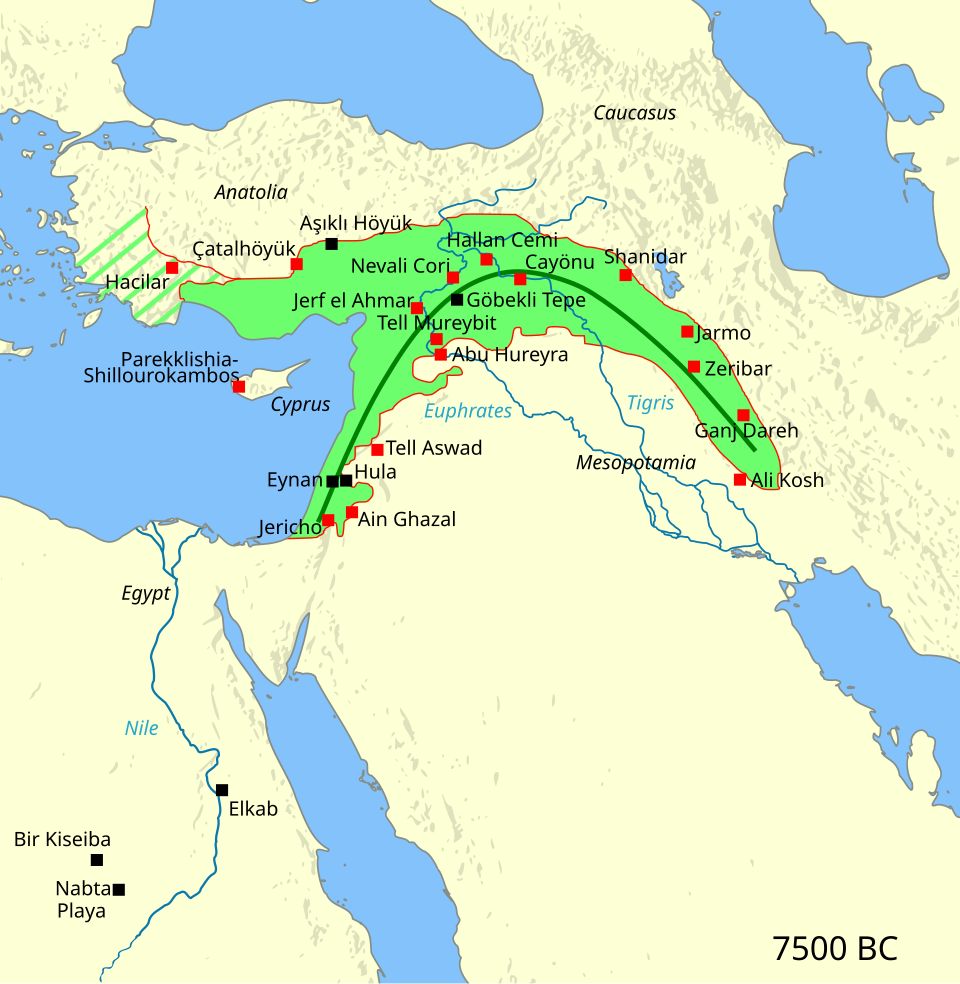
The English word "farmer" originally had nothing to do with soil: medieval Latin firmarius meant someone who paid a firma, a fixed rent or fee, and only around the sixteenth century did the word settle on the person working the land. The work itself is older than almost every other profession — roughly 11,500 years ago, communities in the Fertile Crescent began saving and sowing wild wheat and barley seed, and everything later called civilization was built on the food surplus that followed.
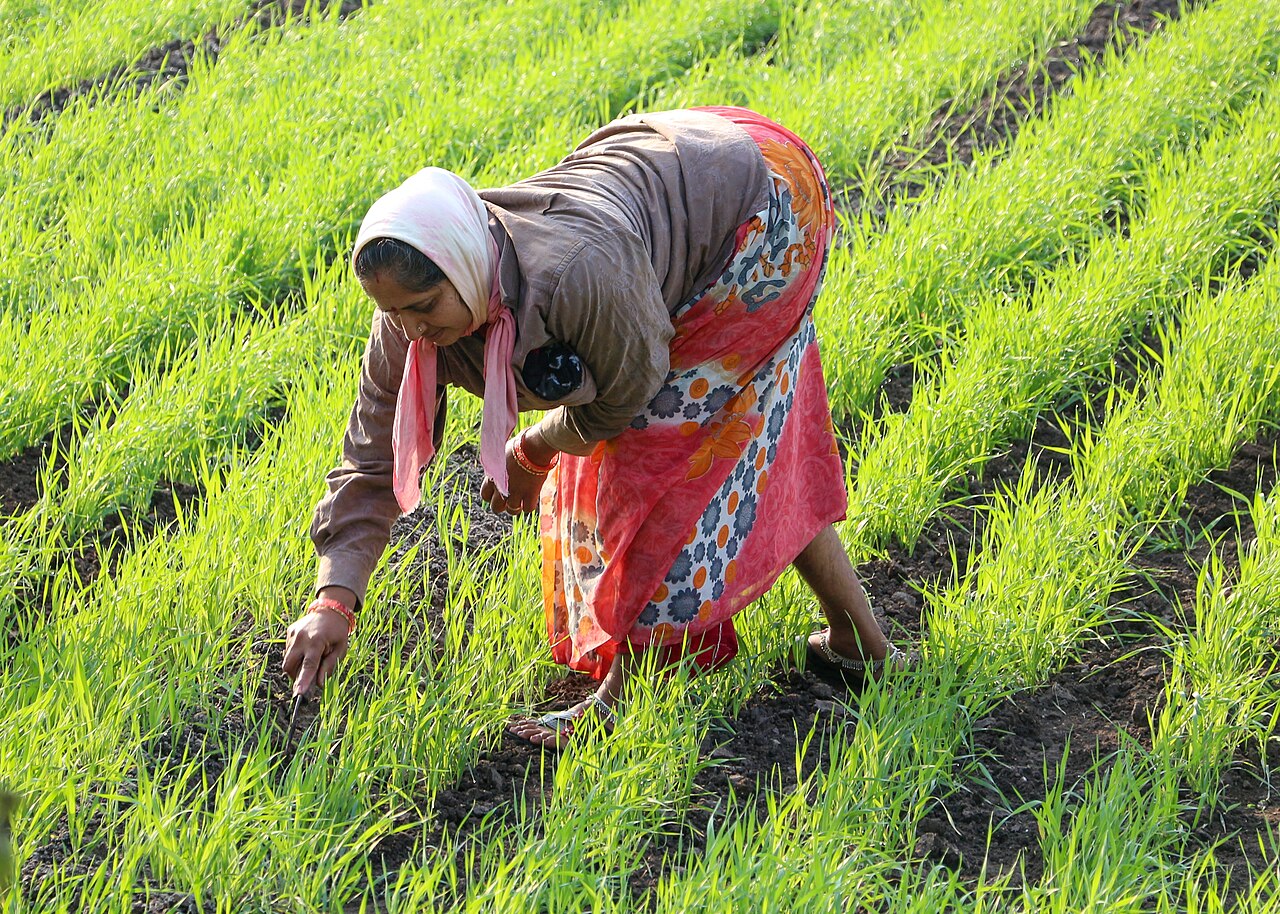
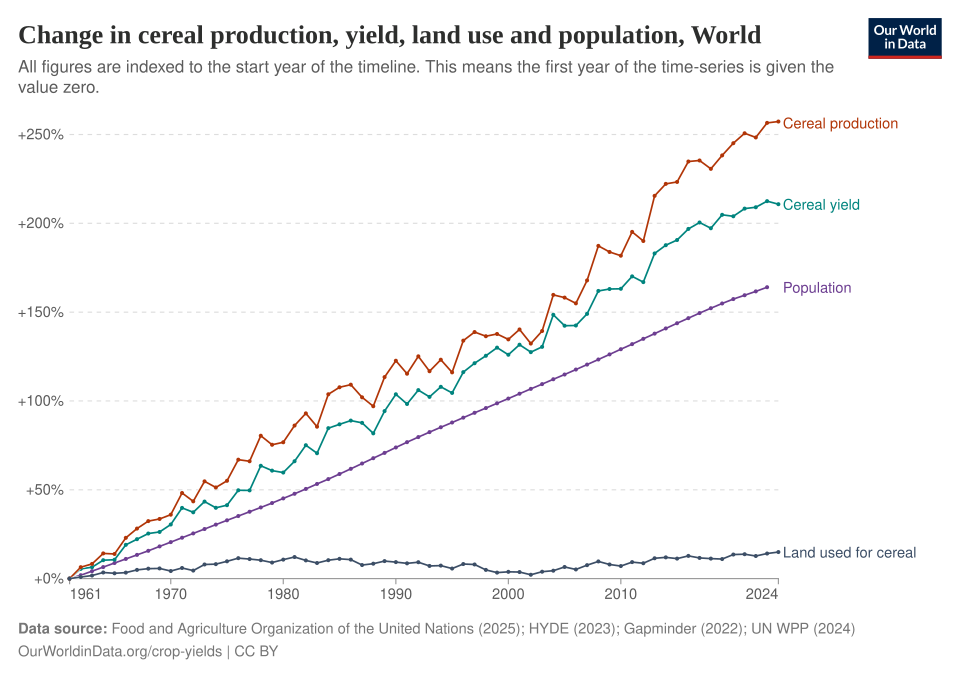
It remains the world's largest occupation. The UN's Food and Agriculture Organization counts more than 570 million farms, around nine in ten of them run by families, and about a quarter of the world's workers still farm — under two percent in the United States or Germany, over half in parts of sub-Saharan Africa. No other profession spans a half-acre rice paddy tended by hand and a 20,000-hectare grain operation steered by GPS from an air-conditioned cab.
This page follows the profession from the first domesticated einkorn wheat through the seed drill, the tractor, the Haber–Bosch process and the Green Revolution to today's robotic milkers and driverless machinery. It covers how people actually get into farming when land costs more than most careers earn in a lifetime, what a working day on a mixed farm demands, the eight farmers history remembers by name, and how much of the job automation can realistically take.
Inside the profession
Farming is biological production under uncertainty: a farmer makes long decisions about soil, animals, weather and markets while the consequences arrive months or years later.
The farm is a living system
Planting, feeding and harvesting follow seasons, but daily work changes with disease, rainfall, machinery and labour. Good farmers observe small signals in soil, leaves and animals before they become expensive problems. The job mixes physical work with planning, records and constant maintenance.
Profit is not the same as yield
A high crop can still lose money when inputs, debt, transport or market prices move against it. Farmers choose varieties, insurance, contracts and diversification to manage risk. Direct sales can improve margins but add marketing and customer work to an already full calendar.
Land access defines careers
Many farmers inherit, lease or enter through family operations because land and equipment are capital intensive. New entrants use cooperatives, niche products and small leased plots, but scale and finance remain barriers. Agronomy, mechanics and bookkeeping are as useful as field experience.
Data supports a local judgement
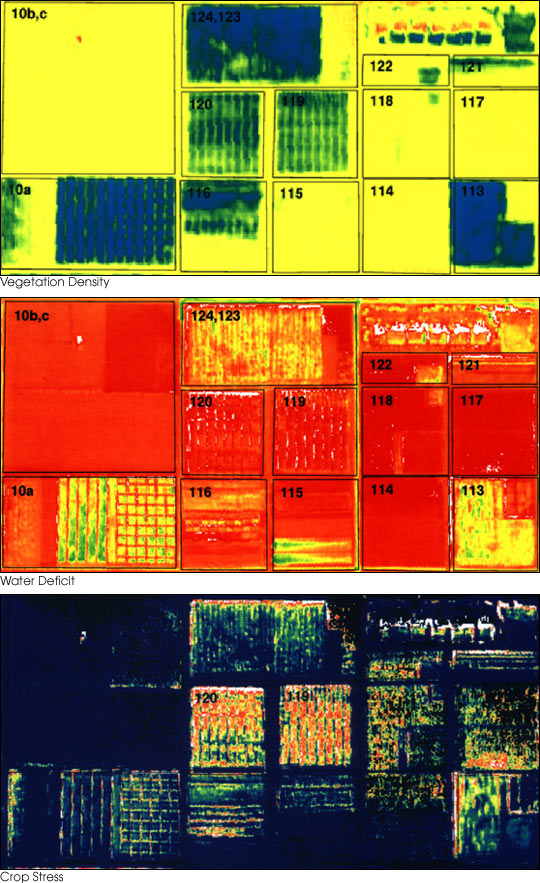
Sensors, GPS guidance and satellite imagery make field decisions more precise, especially at scale. They do not remove weather risk or the need to understand a specific field. Climate adaptation increasingly means practical choices about water, rotations, soil cover and crop timing.
How the work branches
Five common shapes of the same title — specialty, setting or career path.
Grains, oilseeds and field crops
Arable farmer
Plans rotations, machinery and storage around large seasonal operations.
Dairy, poultry and meat production
Livestock farmer
Works with animal welfare, feeding and daily biological routines.
Fruit, vegetables and flowers
Horticultural grower
Manages high-value crops with intensive labour, timing and quality control.
Certified and regenerative systems
Organic farmer
Uses rotations and ecological practices while navigating certification and yields.
Vertical, rooftop and local food systems
Urban farmer
Combines growing with technology, education or direct-market business models.
How it reads by country
Same craft, different gatekeeping, status and daily texture — rewritten for readers in each language.
United States — scale, debt and commodity markets
Large commodity farms, family operations and direct-market growers coexist across radically different climates. Federal programmes, crop insurance and export markets influence decisions, while equipment and land costs can be formidable.
South Korea — small holdings and smart farms
Many farms are small and aging, with rice, horticulture and greenhouse production important. Government-backed smart-farm initiatives and direct sales address labour and land constraints, while imports shape price pressure.
Japan — ageing farmers and premium produce
Small plots, cooperative systems and an ageing farm population define much of agriculture. High-quality fruit, rice and specialty products can command premium markets, while consolidation and automation are central policy questions.
Germany — family farms and environmental rules
Family farms operate within detailed EU standards on environment, animal welfare and subsidies. Dairy, grains and high-value regional products all face pressure from energy costs, retail bargaining and climate variability.
United Kingdom — tenancy and post-Brexit change
Farmers balance weather, supermarket supply chains and changing support schemes after Brexit. Tenant farming remains important, while diversification into tourism, renewables and direct sales can help stabilise income.
Singapore — constrained land and food technology
Conventional acreage is scarce, so farming focuses on high-tech indoor growing, aquaculture and resilient supply experiments. Careers often look as much like engineering and operations as traditional field agriculture.
From the archive
Commons CC/PD images self-hosted for this profession.
Why attitude matters here
A farmer's whole year of income can turn on a handful of unsupervised decisions during a planting window, a storm or a calving season, with no manager present to catch a lapse. Because the operation is usually family-run, poor judgment also has nowhere to be quietly managed away.
The narrow windows do not forgive a moment of neglect
Planting, harvest and calving each happen inside a short, weather-dependent window that will not reopen if missed — a delayed decision or a skipped check during that window can cost an entire season's income rather than a single day's output. Unlike most jobs, there is no way to make up the lost time later; the discipline has to hold exactly when it is hardest to sustain, in bad weather, at odd hours, alone.
Judgment plays out over a season or years, not a shift
A soil, water or livestock decision often will not reveal whether it was sound until the next harvest, or the one after that, long after the moment it was made. That delay removes the fast feedback that keeps careless habits in check in most jobs, leaving the farmer's own standards as the only thing preventing a slow accumulation of decisions that erode the land or the herd.
The family runs the business, so bad attitude has nowhere to hide
On the roughly nine in ten farms worldwide that are family-run, there is no HR department, no rotating shift and often no possibility of quietly firing an underperforming relative. A poor attitude toward the work does not just cost output; it becomes a permanent feature of a family's daily life and finances, with none of the exit options an ordinary workplace would offer.
Stances that hold up under pressure
Five concrete postures the work rewards, not slogans.
Checks on livestock personally in bad weather
Goes out to check animals during a storm or extreme cold rather than assuming shelter and routine are sufficient, treating direct verification as necessary even when it is unpleasant, exhausting or scheduled for the middle of the night.
Maintains equipment ahead of the season, not during it
Services tractors, irrigation systems and harvest equipment before the critical window opens, rather than discovering a mechanical failure mid-harvest when there is no time left to fix it without losing the crop.
Abandons a failing technique instead of doubling down on it
Switches crop varieties, rotation or irrigation methods after real evidence that the current approach is failing, rather than repeating it out of stubbornness or reluctance to admit the previous season's choice was wrong.
Pays seasonal workers fairly even in a bad year
Prioritizes paying hired labor on time and at a fair rate during a poor harvest or low-price year, rather than treating workers' pay as the first place to absorb a shortfall the operation's owner is also personally exposed to.
Respects chemical and pesticide safety intervals under time pressure
Follows required re-entry and pre-harvest intervals for pesticides and fertilizers exactly, even when a tight harvest window makes waiting expensive, rather than shortening the interval because no inspector is present to check it.
Moments that reveal it
Situations that separate résumé language from how someone actually practices.
A storm is coming and animals need to be moved at 2 a.m.
No one is awake to notice whether the animals get moved to shelter in time except the farmer themselves. What actually happens in the middle of the night, exhausted, with no one watching, reveals more than any statement of values.
A hired hand underperforms on a family-run operation
With no HR process and often a personal relationship involved, addressing consistently poor work from a family member or long-time employee tests whether standards apply evenly or bend for whoever is hardest to confront.
A bad harvest forces a choice between paying workers or paying yourself
In a genuinely poor year, deciding whether seasonal workers get paid in full before the farm owner's own draw, when both cannot be fully covered, is a test with real financial consequences for the farmer's own household.
A cheaper practice today would degrade the land for the next generation
Choosing a lower-cost input or tillage method that boosts this year's margin but depletes soil health or water tables tests whether the farmer is managing for the current season or for whoever inherits the land next.
Where "calling" turns harmful
Family-land obligation used to trap a reluctant successor
Farming families frequently pressure a son or daughter into taking over land and debt they never chose, framed as honoring family history rather than wasting generations of work — a guilt that can hold someone in an unwanted, precarious career for decades. Unpaid labor from spouses and teenage children is normalized as simply how a family farm works, and the same isolation discourages farmers from seeking help for real mental-health strain.
The profile
Resists AI72
Pay32
Barrier to entry42
Autonomy90
Demand62
Impact88
How exposed is it to AI?
Moderate–low
A meaningful share of remaining farm tasks — machine operation, milking, monitoring, record-keeping — is automating now, and hired farm labor will keep shrinking. But the farmer's core role of whole-farm judgment under uncertainty, physical work in unstructured environments, animal husbandry and personal financial risk-bearing resists automation strongly. The occupation shrinks and re-skills faster than it disappears.
Do you need a degree or license to become a farmer?
In most countries, no. Farming has no mandatory license or degree, unlike medicine or law. In practice, most successful new entrants combine years of hands-on work with formal training — an agronomy or animal-science qualification, Germany's three-year Landwirt apprenticeship, or Ireland's Green Cert, which is required there for young-farmer subsidies and tax relief. Specific tasks, such as applying restricted pesticides, do require certification almost everywhere.
How much do farmers earn?
It varies more than almost any profession, because most farmers are self-employed and exposed to weather and prices. US farm managers had a median around $85,000 in 2024 (BLS), while average UK Farm Business Income ran roughly £45,000 in 2023/24 with an enormous spread between sectors. India's last national survey put average agricultural household income near ₹10,000 a month, much of it from off-farm work.
How much does it cost to start a farm?
Land is the barrier. US farm real estate averaged about $4,170 per acre in 2024 (USDA), and prime Iowa cropland runs over $11,000 an acre, so a modest Midwest grain farm represents millions in land before a single machine is bought. Leasing, sharefarming and intensive small plots — market gardening on rented ground — bring realistic entry down to tens of thousands.
Can you become a farmer without inheriting land?
Yes, though it is the hardest route in. Established ladders exist: New Zealand's sharemilking system lets a dairy worker build a herd they own on someone else's land, England's county councils still let starter smallholdings, and farm incubators lease equipped plots to new growers. Most first-generation farmers begin as skilled employees — herd managers, machinery operators — and lease before they ever buy.
Will robots and AI replace farmers?
Machines have been replacing farm labor for a century — that is why under two percent of workers in rich countries now farm. GPS auto-steer is standard, robotic milkers common, and autonomous tractors are on sale. But the whole-farm judgment — what to plant, when to sell, what a limping cow or a late frost means — and the financial risk still sit with a human owner.
Why is the average farmer so old?
The average US farmer was 58.1 years old at the 2022 Census of Agriculture, about a third of EU farm managers are past 65, and Japan's core farmers average nearly 68. Land prices lock young entrants out, and owners without successors farm on rather than sell. The coming succession wave is widely viewed as both a crisis and the biggest land-access opening in decades.
How dangerous is farming?
Among the most dangerous of all civilian occupations. US agriculture records fatal injury rates around 20 per 100,000 full-time workers, several times the all-industry average, with tractor rollovers the single deadliest event and grain-bin entrapments a persistent killer. Long solitary hours also carry a quieter toll: farmer suicide rates run well above national averages in several countries, including the US, UK, France and India.
What is the difference between a smallholder and a commercial farmer?
Mostly scale and market orientation, not skill. Farms under two hectares make up roughly 84 percent of the world's farms but operate only about 12 percent of its farmland, producing an estimated third of the world's food (FAO-linked research, 2021). Commercial farms sell nearly everything they grow and manage price risk with contracts and insurance; many smallholders eat part of their harvest and sell the surplus.
Embed this ranking
Paste this code into your blog or site — the ranking stays up to date.