🏺Origins & Evolution

Archaeologist · The scientist who reads human history out of the ground, one unrepeatable layer at a time — from Nabonidus's temple trenches to LiDAR and ancient DNA.

Archaeology's history is the story of digging slowly becoming accountable. For centuries, excavation meant extracting beautiful objects as fast as possible — for a king's palace, a national museum or a private cabinet — and what could not be sold or displayed was shoveled aside. The discipline's real turning points are the moments someone decided that the dirt itself, and the order of things within it, mattered more than the treasure.

Three revolutions built the modern profession: stratigraphy, which turned soil layers into a readable sequence of time; scientific dating, which after 1949 no longer needed written records at all; and professionalization, which moved the work from wealthy amateurs to trained, licensed specialists answerable to laws, communities and peer review. Each revolution made the job less romantic and vastly more informative.

Where it began

c. 550 BCEUr & Babylon, Mesopotamia

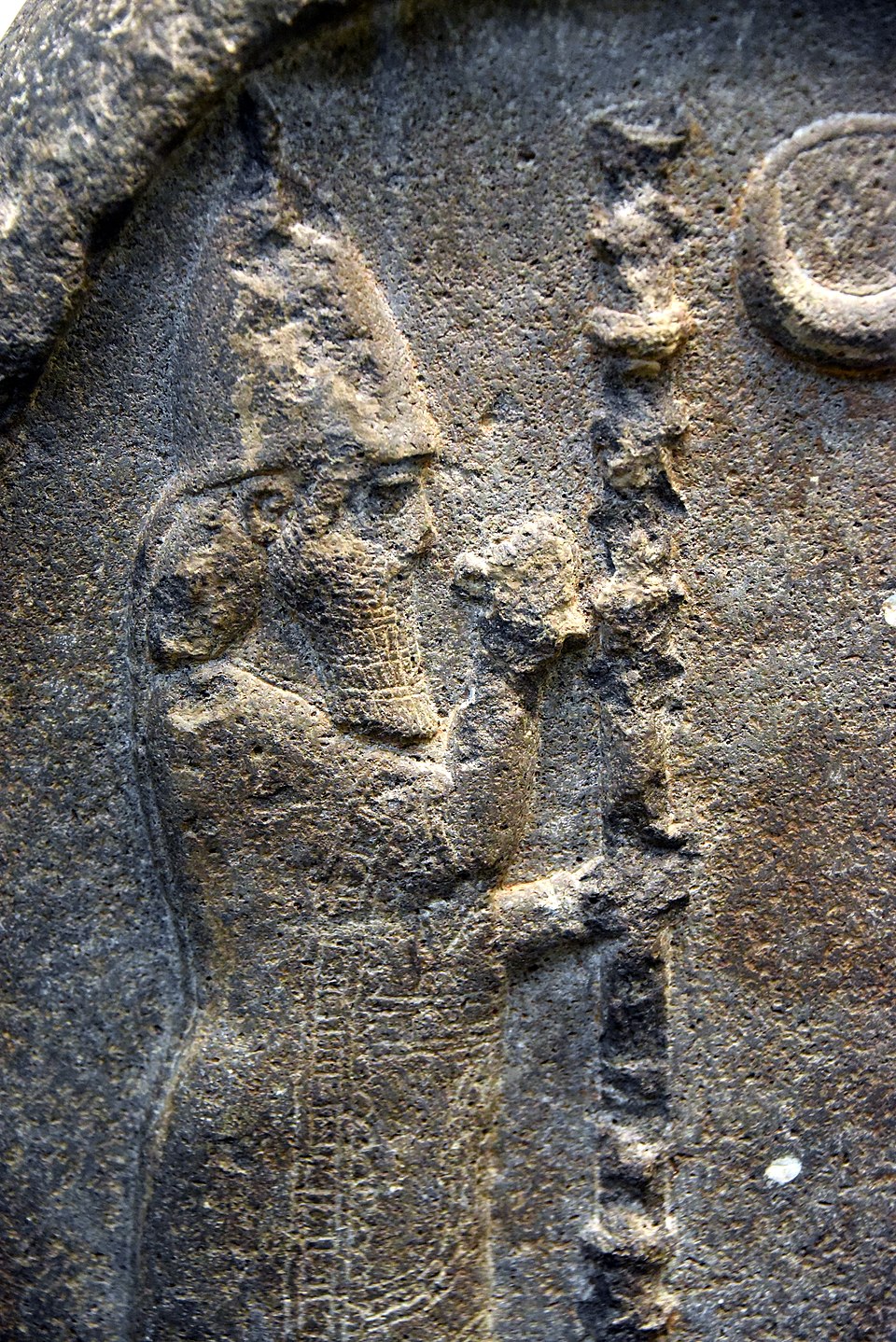
Nabonidus, the last king of independent Babylon (reigned 556–539 BCE), dug into the foundations of ruined temples at Ur, Sippar and Larsa, searching for the inscriptions of kings some fifteen centuries older so he could restore the buildings "as they had been of old." His daughter En-nigaldi-Nanna, high priestess at Ur, kept a collection of far older artifacts, including a labeled clay drum — a find Leonard Woolley, excavating her rooms in 1925, famously described as the world's earliest museum. Digging to answer questions about the past is, on this evidence, at least 2,500 years old.

Timeline

c. 550 BCENabonidus digs for older kings

Babylon's last king excavated ruined temple foundations at Ur and Sippar, hunting the foundation deposits of rulers like Naram-Sin, roughly 1,700 years his senior, and recorded what he found. His daughter En-nigaldi-Nanna kept a labeled collection of antiquities at Ur that Leonard Woolley, digging in 1925, described as the earliest known museum.

1748Pompeii excavations begin

Under Charles of Bourbon, king of Naples, workmen began digging into Pompeii, ten years after tunneling started at neighboring Herculaneum. The work was closer to royal treasure-mining than science — statues and frescoes went straight to the palace — but two buried Roman cities made the deep past a European obsession and, eventually, a laboratory for method.

1822Champollion deciphers hieroglyphs

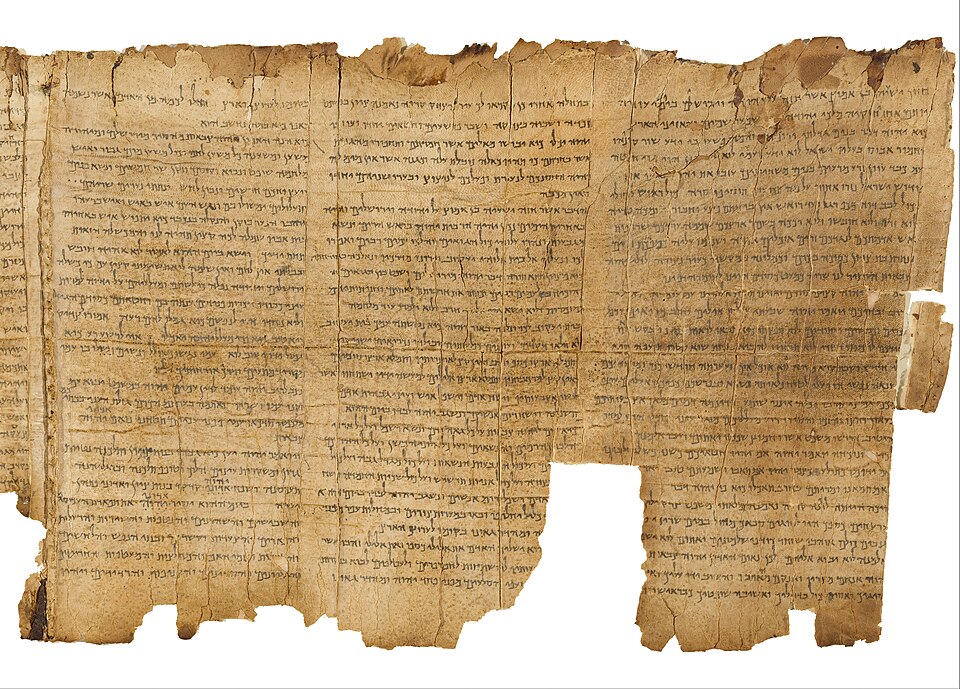
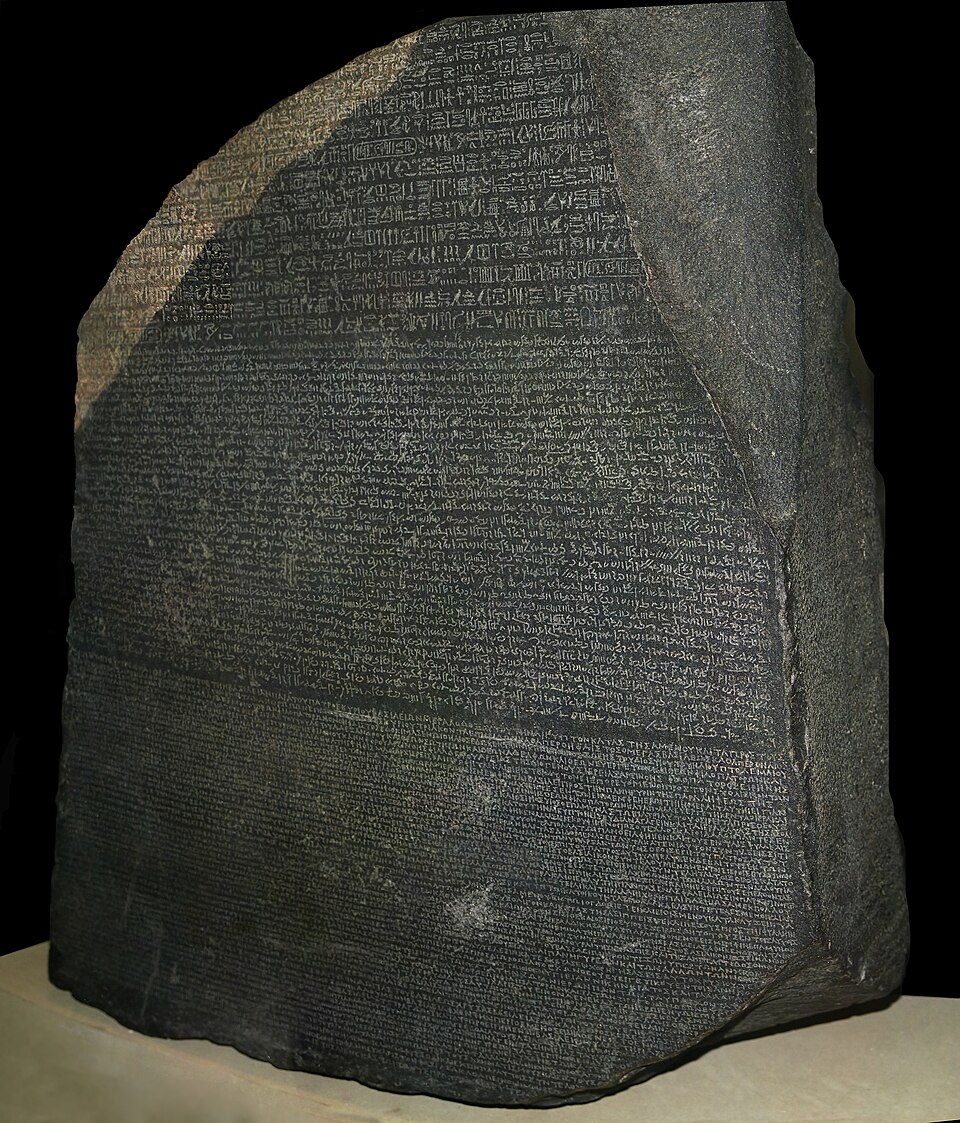
Using the Rosetta Stone's parallel Greek, demotic and hieroglyphic texts — found by French soldiers at Rashid in 1799 — Jean-François Champollion announced his decipherment of ancient Egyptian in his Lettre à M. Dacier. Egypt's own written history opened, and excavation in the Nile valley acquired a reading public across Europe.

1836Thomsen publishes the Three-Age System

Christian Jürgensen Thomsen, curator of the Danish national collection in Copenhagen, published his guidebook sorting prehistoric artifacts into successive ages of stone, bronze and iron. The Three-Age System gave prehistory its first workable chronology — built by ordering objects and their find contexts, not by trusting ancient texts.

1873Schliemann's treasure at Troy

Digging a massive trench through the mound of Hisarlik in Ottoman Turkey, Heinrich Schliemann unearthed a hoard of gold and silver he named "Priam's Treasure" and declared Homer's Troy found. He was roughly right about the place and wrong about the layer — his trench destroyed much of the city of Homer's era — and his methods became the cautionary tale the next generation defined itself against.

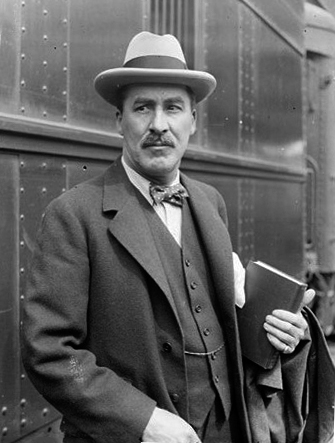
1922Carter opens Tutankhamun's tomb

On 26 November 1922, in the Valley of the Kings, Howard Carter peered by candlelight through a hole into the first intact royal tomb found in Egypt and answered Lord Carnarvon's "Can you see anything?" with "Yes, wonderful things." The ten-year clearance that followed — some 5,400 catalogued objects — made archaeology front-page news worldwide.

1949Libby's radiocarbon revolution

Chemist Willard Libby and colleagues at the University of Chicago published the first radiocarbon dates, checking the method against objects of known age from Egyptian tombs. For the first time, organic finds could be dated without any written record; chronologies worldwide were rebuilt, and Libby received the Nobel Prize in Chemistry in 1960.

1974Farmers find the Terracotta Army

In March 1974, farmers digging a well near Xi'an struck fragments of life-sized clay soldiers; local archaeologist Zhao Kangmin recognized and began restoring them. Excavations revealed thousands of individualized warriors guarding the tomb of Qin Shi Huang, China's first emperor — the tomb mound itself deliberately left unopened, a landmark of restraint as much as discovery.

2010The Neanderthal genome is sequenced

A team led by Svante Pääbo at the Max Planck Institute in Leipzig published a draft Neanderthal genome from 40,000-year-old bones, showing that most living humans carry Neanderthal ancestry. Ancient DNA turned bones and sediments into archives of migration and kinship, and Pääbo received the 2022 Nobel Prize for it.

2018LiDAR strips the jungle from the Maya

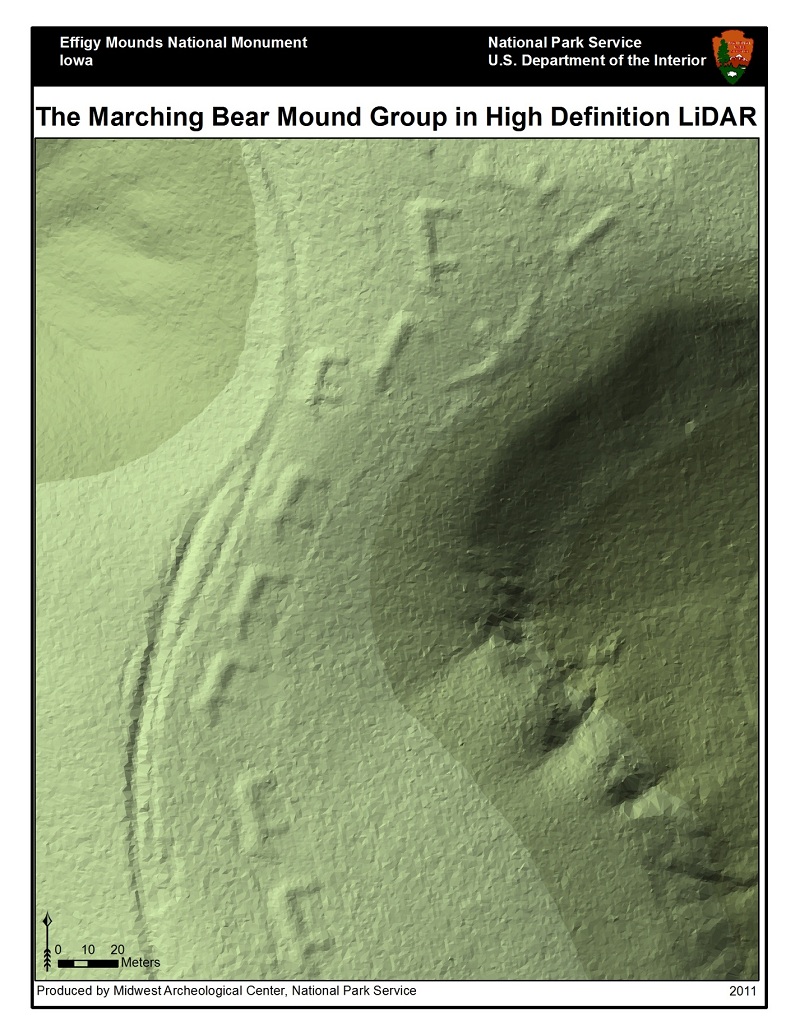
The PACUNAM LiDAR survey, flying laser scanners over northern Guatemala, revealed more than 60,000 previously unknown Maya structures — houses, causeways, fortifications — beneath the forest canopy. Airborne and satellite sensing moved discovery from the machete to the desktop, forcing archaeologists to rethink how many people the ancient Maya lowlands held.
The eras

Relief depicting Nabonidus, the Babylonian king who excavated temple foundations in the sixth century BCE.
Osama Shukir Muhammed Amin FRCP(Glasg) · CC BY-SA 4.0 · Wikimedia Commons
c. 550 BCE – 1748

Kings, relic hunters and antiquarians

Curiosity about the buried past long predates any method for satisfying it. Nabonidus dug for royal inscriptions in Babylonia; Renaissance popes and princes mined Rome for statuary; Ming and Song dynasty scholars in China catalogued ancient bronzes and inscriptions in a parallel antiquarian tradition. In Enlightenment Europe, gentlemen on the Grand Tour bought antiquities by the crate, and societies like London's Society of Antiquaries (founded 1707) began treating old objects as evidence — though almost nobody yet recorded where anything had actually come from.

The Rosetta Stone, whose parallel texts let Champollion decipher Egyptian hieroglyphs in 1822.
Hans Hillewaert · CC BY-SA 4.0 · Wikimedia Commons
1748 – 1880

The spade and the decipherers

Pompeii and Herculaneum made excavation a public spectacle; Napoleon's 1798 expedition to Egypt, the Rosetta Stone and Champollion's 1822 decipherment tied digging to the recovery of lost histories. Austen Henry Layard shipped Assyrian palace reliefs from Nimrud to London in the 1840s; Heinrich Schliemann trenched Troy in the 1870s. It was an age of heroic, destructive discovery, run by diplomats, adventurers and the new national museums that competed for their cargo.

Howard Carter examining the innermost coffin of Tutankhamun after the 1922 discovery.
Chicago Daily News, Inc., photographer · Public domain · Wikimedia Commons
1880 – 1945

From treasure to technique

A generation of systematizers turned digging into a discipline. Augustus Pitt Rivers recorded every potsherd and published everything on his English estates in the 1880s; Flinders Petrie built dating from pottery styles in Egypt and trained a school of successors; Mortimer Wheeler's grids and Dorothy Garrod's Mount Carmel caves — dug 1929–34, largely by women — set new standards. Universities founded chairs, and in 1928 Li Ji's excavations at Anyang did for Chinese archaeology what Petrie had done for Egypt. Carter's Tutankhamun found the public; the methods found the profession.

Laboratory equipment used for radiocarbon dating organic archaeological samples.
Unknown author Unknown author · Public domain · Wikimedia Commons
1945 – 1990

The laboratory revolutions

Radiocarbon dating, published by Willard Libby in 1949, freed chronology from written records and reset prehistory everywhere. Kathleen Kenyon's stratigraphic trenches at Jericho in the 1950s showed towns ten thousand years old; George Bass took full excavation methods to the seabed off Turkey in 1960; Lewis Binford's "New Archaeology" demanded hypotheses and quantification, and Ian Hodder's post-processual critique answered that interpretation is never neutral. Meanwhile motorways and dams created rescue archaeology — the salaried, legally mandated digging that would come to employ most of the profession.

A LiDAR-derived terrain visualization of the kind used to reveal archaeological sites beneath vegetation.
U.S. National Park Service, U.S. Geological Survey · Public domain · Wikimedia Commons
1990 – present

Digital, genomic and answerable

Ancient DNA, isotope chemistry and residue analysis now extract migration, diet and kinship from bones and soil; LiDAR, satellite imagery and photogrammetry find and record sites at continental scale. Just as consequentially, the discipline's ownership changed: the US NAGPRA law of 1990 required repatriation of Native American remains, source countries pressed European museums to return looted objects, and Indigenous and local communities moved from being excavated to directing excavations. Most archaeologists today work in development-led units, not universities.

What this job replaced

Neighbouring trades that no longer exist — absorbed, automated or regulated away.

Antiquarian

c. 1550–1900

The gentleman antiquary collected coins, urns and inscriptions, corresponded with learned societies and speculated about Druids, usually without recording where anything was found. Institutionalized in bodies like London's Society of Antiquaries (1707), the role was slowly strangled by the discipline it hatched: once Pitt Rivers and Petrie showed that context matters more than the object, an unprovenanced collection became a scientific embarrassment, and the antiquary gave way to the credentialed archaeologist and the museum curator.

Mummy dealer

c. 1100–1900

For centuries, ground Egyptian mummy — mumia — was sold by European apothecaries as medicine, and whole mummies were exported for spectacle; Victorian showman-surgeon Thomas Pettigrew made a career of public unwrappings in 1830s London, and "mummy brown" pigment was sold to painters into the twentieth century. Egypt's antiquities laws, museum-led excavation and plain revulsion ended the trade, which survives only as a cautionary chapter in the history of collecting.

Barrow-digger

c. 1750–1900

Victorian gentlemen opened ancient burial mounds as weekend sport, sometimes several in a day — Derbyshire's Thomas Bateman recorded opening hundreds in his 1861 book Ten Years' Diggings, digging fast for urns and skeletons and leaving little record of the layers. As excavation standards professionalized around 1900, barrow-digging was reclassified from respectable pastime to destruction; its surviving descendant, responsible metal-detecting, now reports finds through schemes like England's Portable Antiquities Scheme.

Trades that vanished →

Archaeology's short professional history has been a continuous trade: less romance for more information. Each revolution — stratigraphy, radiocarbon, DNA, LiDAR — made the lone adventurer less plausible and the laboratory, the database and the descendant community more central.

What has not changed since Nabonidus is the basic transaction: the ground holds evidence about people who can no longer speak for themselves, and someone must decide how much of it to disturb, and record what can never be put back. Every era has answered differently; none has escaped the question.

Keep exploring

More in Frontier & Field