Mountain Guide: The certified professional who leads strangers up — and above all back down — the world's great mountains, a trade Chamonix organized in 1821.
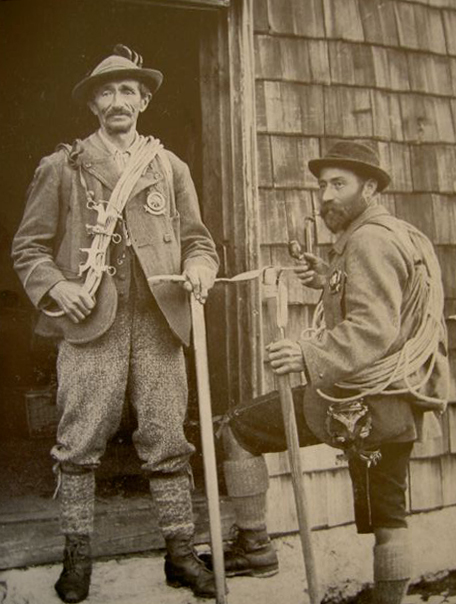
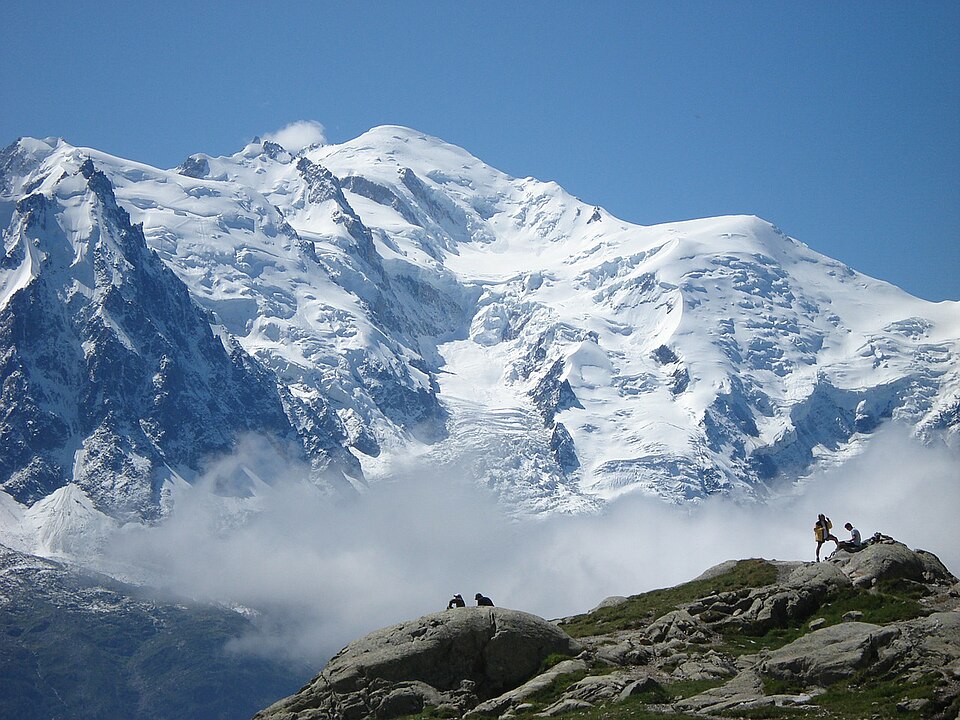
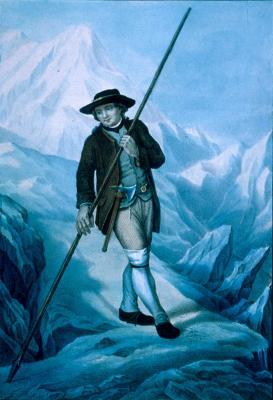
Mountain guiding is the trade of taking people into terrain that would likely kill them alone, and bringing them back. It was invented in one valley: when Geneva scientist Horace Bénédict de Saussure offered a prize in 1760 for reaching the top of Mont Blanc, the chamois hunters and crystal seekers of Chamonix discovered their local knowledge had a price. By 1821 the valley had organized the Compagnie des Guides, the world's first professional guides' association, complete with fixed tariffs and a fund for widows.
The modern credential is the IFMGA carnet, created when the guide associations of Austria, France, Switzerland and Italy federated at Zermatt in 1965. Roughly 6,000 people worldwide hold it, after five to ten years of logged climbs, entrance exams and supervised training across rock, ice and ski terrain. Most guides are self-employed, stitching a living together from summer alpinism, winter ski touring, expedition seasons and avalanche work — a career where judgment, not strength, is the product being sold.
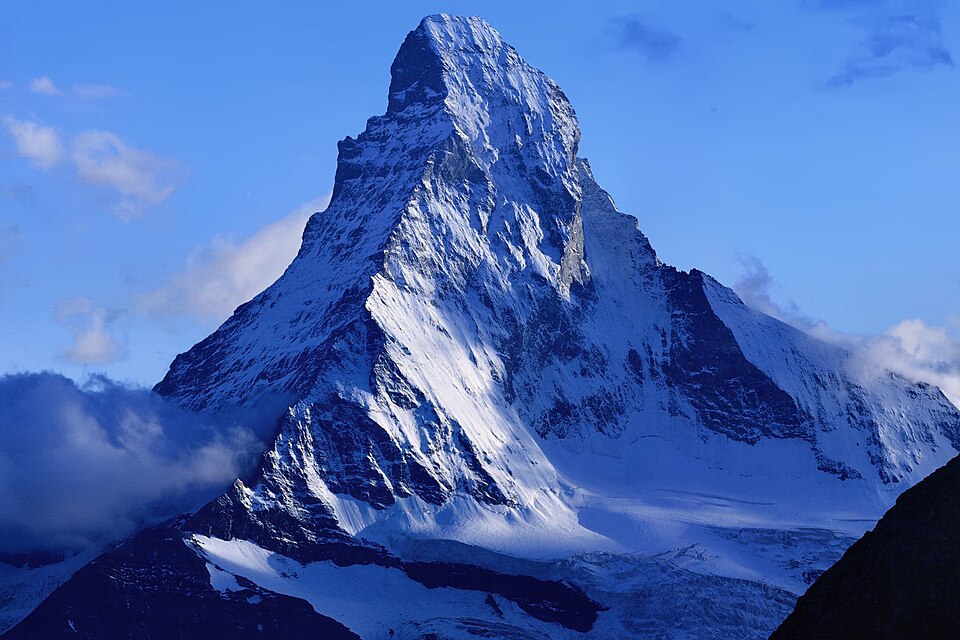
This page follows the profession from Jacques Balmat's 1786 ascent of Mont Blanc through the Matterhorn disaster of 1865, the rise of the Sherpa guide, and the 1996 Everest storm that put commercial guiding on trial. It covers how people actually earn the carnet today, what a guiding day demands, the eight figures who defined the craft, what a warming climate and better software change — and what they cannot touch.
Inside the profession
A mountain guide's product is other people's safe passage through terrain that punishes small misjudgements — weather, snowpack, rock quality and group psychology included.
Terrain literacy under changing skies
Route choice is continuous risk arithmetic: avalanche ratings against slope angle and aspect, rockfall windows against sun-warmed faces, daylight against a client's pace. Guides pre-plan and then revise when the forecast lies or a cornice looks wrong. Technical rope skills matter; so does the humility to turn around while a summit is still visible. Clients remember the peak; professionals are judged by the decisions that never become accidents.
Teaching without becoming a taxi
Guiding is instruction under load — coaching crampon work, rope handling or ski turns while still owning the party's safety. Some clients want mentoring; others want to be delivered to a photograph. The guide who only performs and never teaches creates dependency; the one who lectures while ignoring fatigue creates hazard. Group management — matching pace, spotting ego, separating parties — is as central as ice screws and transceiver checks.
Credentials and local knowledge
IFMGA/UIAGM qualification is the global gold standard for alpine guiding; national schemes cover hiking, via ferrata, climbing and ski touring with different scopes. A badge does not replace knowing a particular valley's windloading or a limestone crag's loose season. Local guides carry terrain memory that visiting ticket-holders must respect. Liability insurance, rescue systems and park regulations frame what "independence in the mountains" actually means.
Seasonal work, year-round judgement
Income often follows snow and summer windows: ski touring, glacier travel, rock seasons, trek peaks. Shoulder months may mean courses, gear retail, expedition logistics or other jobs. Physical longevity is a career question — knees, shoulders and sleep debt accumulate. The profession's public face is sunrise ridgelines; its private arithmetic is cancelled days, tip culture, and whether a guide can afford not to work injured.
How the work branches
Five common shapes of the same title — specialty, setting or career path.
High mountains worldwide
IFMGA alpine guide
Leads rock, ice, ski and mixed terrain under the international guiding standard.
Backcountry and heli-ski operations
Ski / avalanche guide
Specialises in snowpack assessment, route choice and group management in avalanche terrain.
Long-distance trails and expedition approaches
Trekking / hiking guide
Manages pacing, altitude, logistics and cultural interfaces more than technical ropework.
Crags, alpine rock and indoor-to-outdoor programs
Climbing guide / instructor
Focuses on movement coaching and rope systems for clients building independence.
Gorges and equipped alpine routes
Canyon / via ferrata guide
Works fixed protection, water hazards and high-throughput tourist seasons.
How it reads by country
Same craft, different gatekeeping, status and daily texture — rewritten for readers in each language.
United States — AMGA paths and permit systems
AMGA training ladders toward IFMGA for alpine careers; hiking and climbing guiding often run under park and forest permits. Liability culture is strong; outfitters mediate much employment. Cascades, Rockies, Sierra and Alaska each demand different seasonal skill mixes and rescue contexts.
South Korea — national park peaks and club culture
Dense hiking culture and accessible peaks support guiding and instruction, with winter snow and ice work in limited ranges. Certification and association structures matter for commercial work; many skilled mountaineers still operate through clubs. Weather, crowds and trail regulation shape daily decisions.
Japan — yama culture and guided seasons
Deep recreational mountaineering tradition meets commercial guiding in the Japan Alps and beyond. Seasonal huts, typhoon-aware planning and precise train logistics are part of the craft. Clients may be highly experienced walkers; technical alpine guiding remains a smaller, credential-heavy tier.
Germany — Alpine Club roots and Bavarian work
DAV culture and proximity to the Alps feed both amateur excellence and professional guiding careers, often linked to Austrian and Swiss terrain. Training is formal; summer rock and winter ski touring dominate calendars. Cross-border work is normal for full alpine tickets.
United Kingdom — mountain leader scheme and wet rock
National governing-body awards (Mountain Leader, Winter ML, Rock Climbing Instructor and beyond) structure much domestic work in Scotland, Wales and the Lakes. True IFMGA alpine careers usually add European seasons. Weather volatility and navigation in poor visibility are core UK skills.
Singapore — tropical training, overseas guiding
Local terrain is limited; many guides and instructors build careers leading Singaporean clients abroad — Himalaya, Alps, New Zealand, Indonesia — or teaching climbing walls and adventure education at home. Tropical heat skills transfer; snow and altitude competence must be earned elsewhere.
From the archive
Commons CC/PD images self-hosted for this profession.
Why attitude matters here
A mountain guide's ropes and forecasts are tools; what clients are actually buying is judgement — especially the judgement to turn around when the summit is still available and the margin is not.
Clients cannot audit avalanche odds in real time
Most people on a rope or in a skin track lack the training to challenge a route choice mid-morning. They extend trust before competence is fully visible. That asymmetry makes attitude load-bearing: ego summiting, tip-chasing or schedule-keeping against clear hazard converts trust into casualty statistics.
Groups fail psychologically before they fail technically
Summit fever, peer comparison and sunk cost after a 3 a.m. start push parties past safe turnaround times. Guides who only manage knots and not egos lose control of the day. Reading fatigue, fear and bravado is craft, and it depends on willingness to be unpopular.
Local conditions outrun generic certification
A badge proves training; a particular slope on a particular wind cycle demands humility and local listening. Guides who treat unfamiliar terrain like a resume line skip the phone call to locals and the slow first look. Attitude toward uncertainty predicts survival more than a perfect prussik.
Stances that hold up under pressure
Five concrete postures the work rewards, not slogans.
Names a turnaround time and keeps it
Moving goalposts after "just one more hour" is how benightments begin. Stating and honouring turnaround criteria before leaving the trailhead is a stance against improvisational hope when the summit finally looks close and the group is already tired.
Checks the quietest client as carefully as the loudest
The person not complaining may be the one losing temperature or confidence. Guides who only manage the confident voices miss the failure forming at the back of the rope — until a stumble or silence forces a much harder rescue decision.
Treats transceiver practice as non-optional every season
Rescue skills decay. Skipping companion-rescue drills because "clients came to ski" is a bet against the day you need them. Repetition under boredom is the professional standard that separates guides from optimistic tourists with nice jackets.
Refuses routes that only work if everything goes perfectly
Plans that require ideal timing, ideal snow and ideal client fitness have no margin. Choosing the line with exit options is unglamorous and correct — especially when the brochure photo showed a sharper, less forgiving ridge.
Speaks plainly about risk without selling fear or fantasy
Overhyping danger to look expert and underselling it to close a booking are both failures. Clear probabilities, decision points and abort criteria are the ethical product clients are paying for when they hire a guide instead of going alone.
Moments that reveal it
Situations that separate résumé language from how someone actually practices.
Clients who tipped well yesterday push to enter a slope the morning's snowpack assessment says to avoid, weather still bluebird.
Does the guide hold the line and offer an alternative objective that still makes a day, or enter terrain they would not ski with friends because today's income and reviews feel louder than the forecast and the pit results?
A guest begins to show altitude illness on a prestige peak with summit fees already paid.
Does the guide descend with them immediately, splitting the party under a safe plan if needed — or "give it another hour" because the rest of the group is strong and the permit window feels too expensive to abandon?
A local ranger or guide mentions fresh wind slab on the planned aspect.
Does the visiting guide revise the day based on that information and say so to the clients, or dismiss it to protect a pre-briefed itinerary sold weeks earlier as the highlight of the whole marketed trip?
Short-roping on easy ground would soothe a nervous client but create false security above a cliff band.
Does the guide choose terrain and coaching that match actual skill, or use the rope as theatre that hides a mismatch until the consequence is larger and harder to reverse mid-route above an irreversible drop?
Where "calling" turns harmful
Tip-based pay that punishes turning around
When guides depend on gratuities and glowing reviews for rent, every prudent retreat can feel like docking their own wages. Outfitters who keep base pay low and let "hospitality" make up the gap outsource safety margins to the guide's personal finances. Vocation language about love of the mountains should not be the business model that makes saying no expensive.
The profile
Resists AI88
Pay45
Barrier to entry70
Autonomy90
Demand60
Impact55
How exposed is it to AI?
Very low
Perhaps a tenth of the job — forecast synthesis, route information, booking and paperwork, some instruction content — is realistically automatable now or soon. The core cannot be: no system moves a frightened human over a bergschrund, holds a slip on a short rope, improvises a crevasse rescue, or carries legal duty of care. The physical, liability-bearing heart of guiding is among the least automatable work on this site.
A certified mountain guide leads paying clients on climbs, glacier crossings, ski tours and expeditions, managing every safety decision along the way: route choice, weather and avalanche judgment, rope work, pacing and, when needed, rescue. The craft is less about climbing hard than about moving other people through dangerous terrain efficiently — guides say the summit is optional, but the descent never is.
How do you become a certified mountain guide?
First you build years of personal experience — national bodies demand a logged list of alpine rock, ice and ski routes just to apply. Then comes an entrance exam, two to four years of formal aspirant-guide training, supervised work under mentor guides, and final examinations. In IFMGA member countries the whole route from first application to full certification typically takes five to ten years.
What is the IFMGA carnet?
The International Federation of Mountain Guides Associations, founded in Zermatt in 1965 by the Austrian, French, Swiss and Italian associations, sets the single international standard for full mountain-guide certification. Its carnet — a licence card roughly 6,000 guides hold — is recognized across more than twenty member countries, letting a guide certified in one work legally in the others. It covers rock, ice and ski terrain.
How much do mountain guides earn?
It varies sharply by country and season. Swiss guides charge the highest routine day rates, around CHF 700–800 in 2024, and a full season can reach CHF 80,000–100,000; French and Austrian guides typically earn €40,000–55,000; established North American guides $50,000–70,000. Nepali climbing Sherpas on Everest historically earned $4,000–10,000 per season, though internationally certified Nepali guides now command far more.
How dangerous is mountain guiding as a career?
Occupational studies in the Alps have long ranked guiding among the most dangerous legal professions, with avalanches, rockfall and crevasse falls the leading killers; the Chamonix Compagnie has been honoring its dead annually since the 19th century. Modern forecasting, training and rescue infrastructure have cut the risk substantially, but cumulative exposure remains the reality every working guide manages, season after season.
Do you need a university degree to become a mountain guide?
No country requires one. Certification runs through national guide associations and state schools such as France's ENSA, not universities, and selection is by climbing résumé and exam performance. Degrees in outdoor education, snow science, sport science or paramedicine can help — Canada even delivers its guide training through Thompson Rivers University — but the mountains, not the lecture hall, are the real prerequisite.
What is the difference between a mountain guide and a climbing Sherpa?
Sherpa is an ethnic group from Nepal's high valleys, not a job title; climbing Sherpas are high-altitude workers who fix ropes, carry loads and support clients on Himalayan peaks. Historically Western record-keeping classified them as porters, whatever they actually did. Since Nepal's association joined the IFMGA, growing numbers of Sherpas hold the same full international certification as any Chamonix or Zermatt guide.
How much does it cost to hire a mountain guide?
Alpine day rates in the mid-2020s run roughly €450–500 in France and CHF 700–800 in Switzerland, with technical peaks priced per route. A guided two-day Mont Blanc ascent typically costs €2,000–4,000 including acclimatization packages; guided Denali expeditions run around $12,000–15,000; and a guided Everest attempt costs anywhere from $45,000 with Nepali operators to well over $100,000 with premium Western ones.
Embed this ranking
Paste this code into your blog or site — the ranking stays up to date.