Pilot: The professional flyer who turns weather, machinery and 200 lives into a routine arrival — a craft rebuilt after every crash that taught it something.
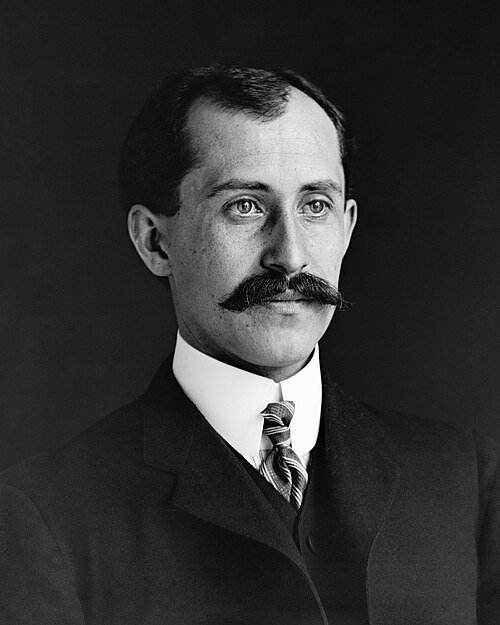
Aviation borrowed the word "pilot" from the sea, where for centuries it meant the specialist who steered ships through dangerous harbors — and when humans finally left the ground, over Paris in a Montgolfier balloon in November 1783, the old word followed them up. Controllable powered flight arrived with the Wright brothers in December 1903, and within a decade flying had become something new in history: a paid trade, practiced first by exhibition daredevils, then mail carriers, then airline crews.
Entry is neither as long as medicine nor as open as most trades. Every country stacks the same ladder — private licence, instrument rating, commercial licence, airline transport licence — with a strict medical certificate underneath and a logbook of flight hours as the currency of progress. The International Civil Aviation Organization keeps the system deliberately uniform: a cockpit in Nairobi runs on the same checklists, the same radio phraseology and largely the same English as one in Osaka.
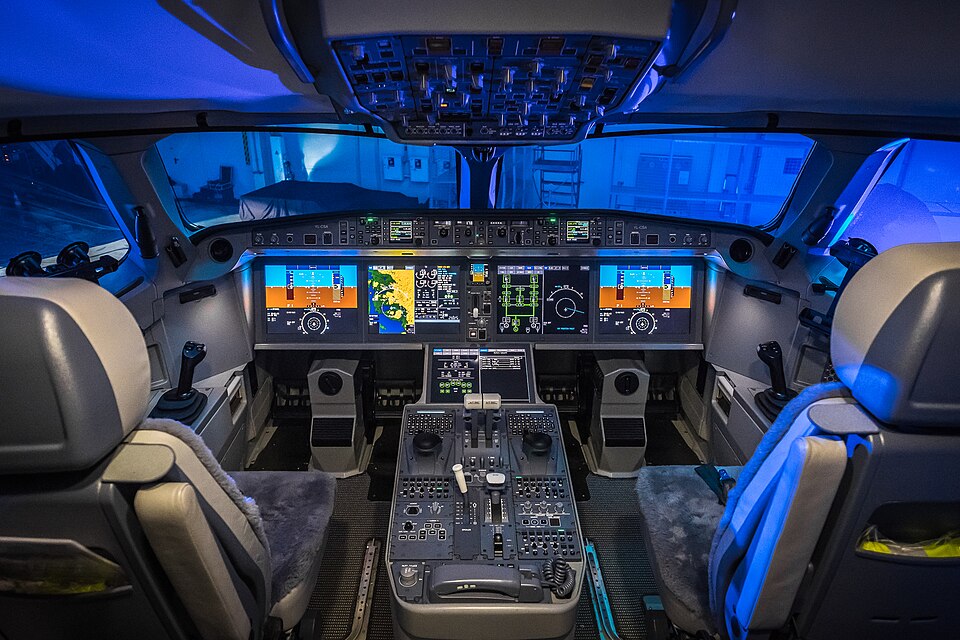
This page follows the trade from the first balloonists and the barnstormers who sold rides from farm fields, through the airmail pilots whose deaths forced instrument flying into existence, to today's two-person glass cockpit. It covers what training really costs on three continents, what a four-sector working day does to a body, the eight pilots who defined the craft, and how much of the job automation can realistically take.
Inside the profession
Pilots are paid to make a complex system feel routine: prepare carefully, notice what is changing, and make the safest ordinary decision long before passengers sense a problem.
Flying is a managed procedure
A flight begins with weather, fuel, aircraft status, route constraints and crew briefings. In the cockpit, pilots monitor automation rather than simply letting it fly. Checklists make routine errors less likely, but the profession depends on recognising the moment a routine has stopped fitting the situation.
The licence is only an entry
Training builds hours, ratings and instrument discipline; airline work adds type ratings, standard operating procedures and recurrent checks. Careers are shaped by seniority systems, bases and fleet assignments as much as raw ability. Medical certification remains a continuing condition of employment.
Different aircraft, different lives
An airline first officer may fly a tightly scheduled network with a rotating crew, while an air-ambulance pilot is governed by weather windows and patient urgency. Cargo, agricultural, corporate and helicopter roles carry their own risk calculations and family rhythms.
Automation changes attention
Modern flight decks automate much of the physical control, which raises the value of monitoring, communication and manual skill recovery. Simulators let crews rehearse rare failures, but no software removes the human responsibility for a diversion, a delay or a decision to stop.
How the work branches
Five common shapes of the same title — specialty, setting or career path.
Scheduled passenger airlines
Airline pilot
Operates under standard procedures, crew resource management and rostered networks.
Freight and express carriers
Cargo pilot
Flies night-heavy schedules where logistics deadlines and weather intersect.
Business aviation
Corporate pilot
Combines flying with flexible passenger demands, route planning and discretion.
Emergency, offshore and utility work
Helicopter pilot
Works close to terrain and weather with mission-specific risks.
Training schools and academies
Flight instructor
Builds new pilots' habits while accumulating experience and responsibility.
How it reads by country
Same craft, different gatekeeping, status and daily texture — rewritten for readers in each language.
United States — regional pipelines and seniority
FAA certificates, flight-hour building and airline seniority systems dominate the career map. Regional airlines have long been a route to majors, while compensation and base quality can vary dramatically by carrier and equipment.
South Korea — international networks and military routes
Large carriers connect Seoul with dense regional and long-haul networks, and military aviation is a notable experience pathway. English proficiency, recurrent training and a limited number of major employers shape competition.
Japan — punctual networks and structured carriers
Major airlines and regional operators emphasise standardisation and service punctuality. Domestic routes are important, and entry can be highly structured through airline-sponsored training or experience gained abroad.
Germany — EASA rules and European mobility
EASA licensing allows a European career market, but bases and contracts vary across legacy and low-cost carriers. Strong labour representation meets a sector prone to schedule disruption and cyclical hiring.
United Kingdom — modular training and low-cost networks
Many pilots fund modular training before winning a first airline role. UK airports support extensive low-cost and leisure flying, while post-Brexit licensing arrangements require careful career planning.
Singapore — long-haul hub discipline
The city-state's hub model supports highly international airline careers with demanding service and training standards. Limited domestic flying means long-haul operations, regional routes and overseas bases matter disproportionately.
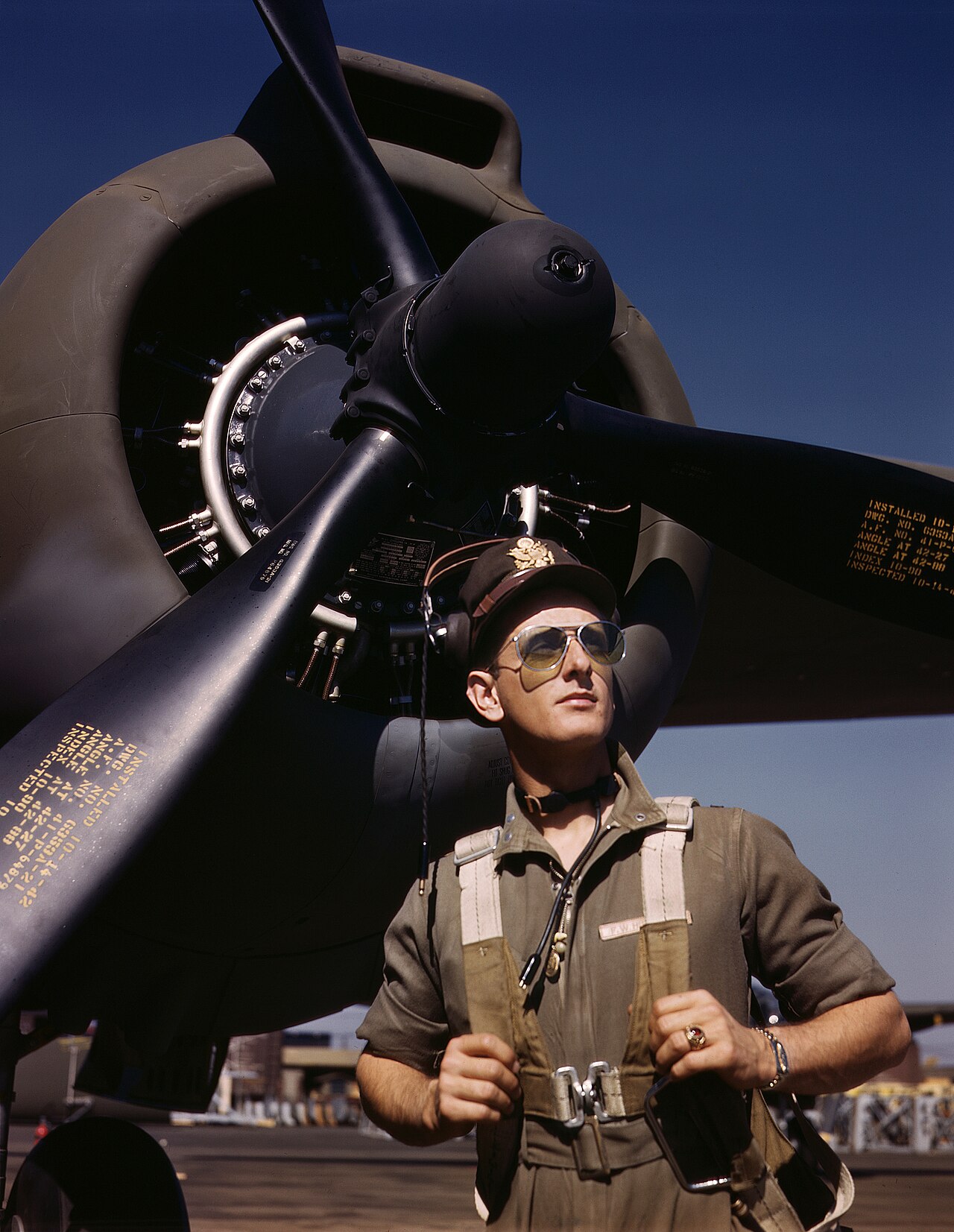
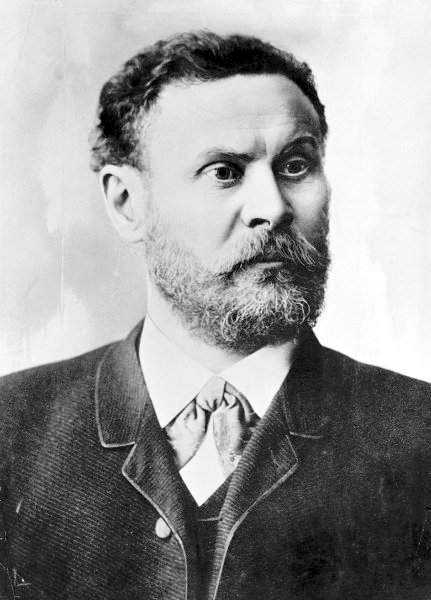
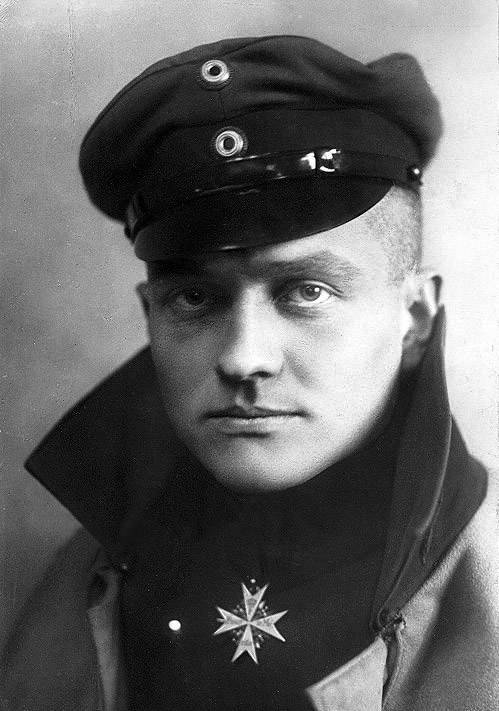
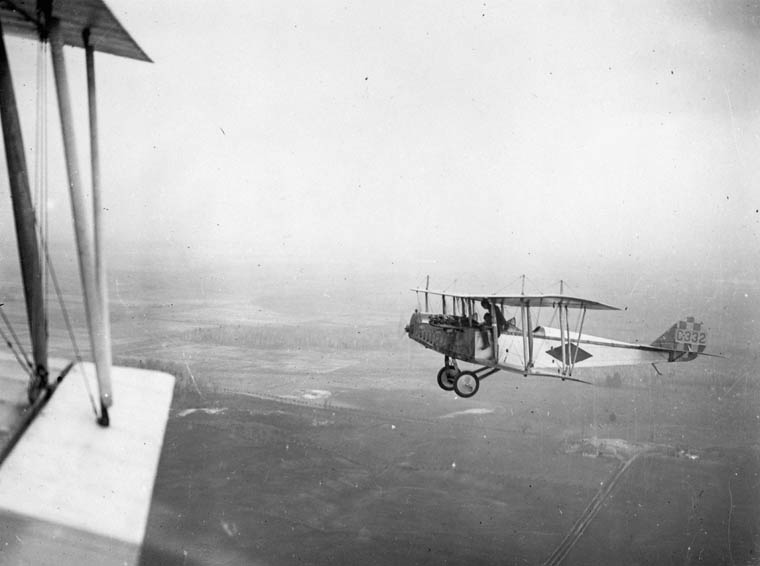
From the archive
Commons CC/PD images self-hosted for this profession.
Why attitude matters here
A pilot's flying skill matters most in the rare seconds something fails; their attitude toward boredom, checklists and their own fatigue matters on every single one of the thousands of ordinary flights that come before it.
Sterile cockpit discipline has nothing to reward it except the absence of disaster
Staying silent about anything but the flight below 10,000 feet, running the same checklist calls on the four-thousandth leg as the fourth, produces no visible benefit on any single flight — the payoff only shows up statistically, across a career, as accidents that never happened. A pilot who lets the discipline slip because nothing has gone wrong yet is spending safety margin nobody can see being spent, until the one flight where it was needed.
Monitoring for hours is a harder discipline than flying for seconds
The job is mostly not flying: it is holding attention alive through a smooth, automated cruise so that a genuine anomaly is caught in the moment it appears rather than minutes later. A pilot whose attitude toward monitoring is passive — trusting the automation to flag everything — is the profile investigators keep finding behind accidents where the failure was visible on an instrument no one was actually watching.
Admitting fatigue or doubt costs status the crew culture has to make cheap
A first officer who notices the captain missing something, or a pilot who feels too tired to fly safely, has to say so against real social pressure — deference to rank, fear of seeming weak, the desire not to delay a flight full of waiting passengers. Whether that pilot speaks up anyway is a trained attitude, not a flying skill, and Tenerife's 583 dead are the standing argument for why the trade drills it twice a year.
Stances that hold up under pressure
Five concrete postures the work rewards, not slogans.
Runs every checklist call exactly, on the boring flight as much as the tense one
Reciting the same standard calls identically whether the flight feels routine or not is the whole discipline; skipping a call because 'today is fine' is indistinguishable, from outside, from skipping it on the day it wasn't.
Says 'unfit for duty' before a flight rather than push through fatigue
Reporting genuine tiredness against a schedule, a crew depending on the flight, and a culture that can read fatigue as weakness is a harder call than any maneuver in the simulator, and it is the decision fatigue-related crashes keep revealing was avoided too late.
Throws away an unstabilized approach without negotiating with themselves
Going around when the aircraft isn't configured, on speed and on path by the criteria — no debate, no 'it'll sort itself out by two hundred feet' — is a discipline that costs a few extra minutes on a flight and, statistically, is what keeps approach-and-landing accidents rare.
Speaks up across the rank gradient when something looks wrong
A junior crew member questioning a senior captain's decision, using the escalating language crew resource management actually teaches, is trained behavior that overrides real deference — and a captain's genuine gratitude for the challenge, rather than defensiveness, is what makes the next junior pilot willing to speak up too.
Names the day's specific threats out loud before departure
Briefing the short wet runway, the deferred component, the tired crewmate specifically, rather than a generic 'let's be careful,' is what threat and error management asks for — naming the exact way today could go wrong, so it can be caught rather than merely hoped against.
Moments that reveal it
Situations that separate résumé language from how someone actually practices.
A senior captain begins a takeoff or an approach without the clearance or the configuration a junior first officer believes is correct, and correcting them means challenging someone with authority over their career.
Does the first officer escalate the challenge clearly and immediately, or hesitate long enough that the moment to intervene passes — the exact hesitation Tenerife's investigators traced the disaster to?
A pilot reports for duty after a rough commute and a poor night's sleep, on a schedule where calling in fatigued means disrupting a crew, a connection bank, and a flight full of waiting passengers who need to travel.
Do they report themselves unfit for duty and accept the operational disruption that follows, or fly anyway on their own private judgment that they'll probably be fine once the actual flight gets underway?
An automated system behaves in a way that doesn't quite match the pilot's expectation of what it should be doing at that phase of flight, with no clear alarm indicating any specific fault has occurred.
Does the pilot disengage the automation and fly the aircraft manually until the ambiguity fully resolves, or keep trusting the automation because it has always been reliable on every previous flight before this one?
An approach is going smoothly except for one criterion — speed, configuration, or descent rate — that falls just outside the stabilized-approach limits by the required altitude, with the runway already clearly in sight ahead of the aircraft.
Does the pilot call the go-around immediately, per the rule, without exception or debate, or continue the approach anyway because the single deviation feels minor and easily correctable in the moment?
Where "calling" turns harmful
"Love of flying" is not what the industry uses to underpay pilots — but it is what pushes some past their real limits
Aviation is heavily regulated precisely because early history proved unmanaged passion for flying kills people, in numbers modern rules exist to prevent. Where the romantic pull toward the cockpit still causes real harm is self-funded training debt that pressures low-hour instructors and charter pilots to keep flying past fatigue or into marginal weather, because loan payments and the dream of the airline seat both depend on the hours they log.
The profile
Resists AI72
Pay88
Barrier to entry74
Autonomy45
Demand82
Impact78
How exposed is it to AI?
Moderate
Measured by tasks, a substantial minority of the job is already automated or automatable: cruise flight, navigation, routine radio work, much of flight planning. What resists is command — real-time judgment over weather, failures and fuel, legal accountability for 200 lives, and the manual and cognitive reserve for the day the automation quits. Regulators, insurers and passengers currently price that reserve at two humans per cockpit; the realistic medium-term risk is fewer pilots per flight hour, not pilotless airliners.
Do you need a university degree to become an airline pilot?
In most of the world, no — airlines hire on licences, flight hours and selection performance, not degrees. US major airlines long preferred a bachelor's degree, but Delta dropped the requirement in 2022 and others now treat it as preferred rather than required. Airline-run cadet programs in Europe and Asia take candidates straight from secondary school.
How much does pilot training cost?
Self-funded training typically costs $80,000–$200,000 depending on the route: modular training in the United States often lands near the bottom of that band, while integrated European ATPL academies charge €100,000 or more. Airline cadet schemes sometimes finance training in exchange for a service bond, and military pilots pay nothing except years of service.
How long does it take to become an airline pilot?
From first lesson to an airline's right seat, roughly two to four years in most systems: a year to eighteen months of full-time training for the licences, then hour-building as an instructor or charter pilot where required. Reaching the captain's seat is a separate wait — five to fifteen or more years, set almost entirely by seniority at each airline.
What is the 1,500-hour rule?
A US law requiring airline first officers to hold an Airline Transport Pilot certificate, which takes 1,500 flight hours — passed by Congress after the 2009 Colgan Air crash near Buffalo and in force since 2013. Military pilots qualify at 750 hours and university aviation graduates at 1,000–1,250. Most other countries let airlines hire first officers with a few hundred hours.
How much do airline pilots earn?
Seat, aircraft size and seniority matter more than talent. Senior widebody captains at US major airlines can exceed $450,000 under post-2023 contracts, while a new regional first officer earns around $100,000 and a flight instructor building hours earns far less. European captains typically make €150,000–€250,000; pay across much of Asia and Africa is lower but rising.
Do pilots actually fly the plane, or does the autopilot?
Both, by design. Pilots hand-fly the takeoff and usually the landing; the autopilot flies most of the cruise while the crew manages the flight — fuel, weather, reroutes, failures. In thick fog the roles reverse and certified autoland systems fly the touchdown while the pilots monitor. The machine executes; the humans decide what it should execute, and intervene when it cannot.
Can you be a pilot if you wear glasses?
Almost always yes. A Class 1 medical certificate requires vision correctable to normal standards, not perfect uncorrected eyesight, and most regulators accept glasses, contact lenses and in many cases laser surgery. The medical is renewed every six to twelve months for airline pilots, and losing it — not failing a flying test — is how most careers end early.
Will AI replace airline pilots?
Not soon. Automation already flies most of the cruise, but regulators, insurers and passengers all require two qualified humans up front, and every reduced-crew proposal — including EASA's studies of single-pilot cruise operations in the 2020s — has met organized resistance from unions and safety agencies. The likelier path is the work changing long before the seats empty.
Embed this ranking
Paste this code into your blog or site — the ranking stays up to date.