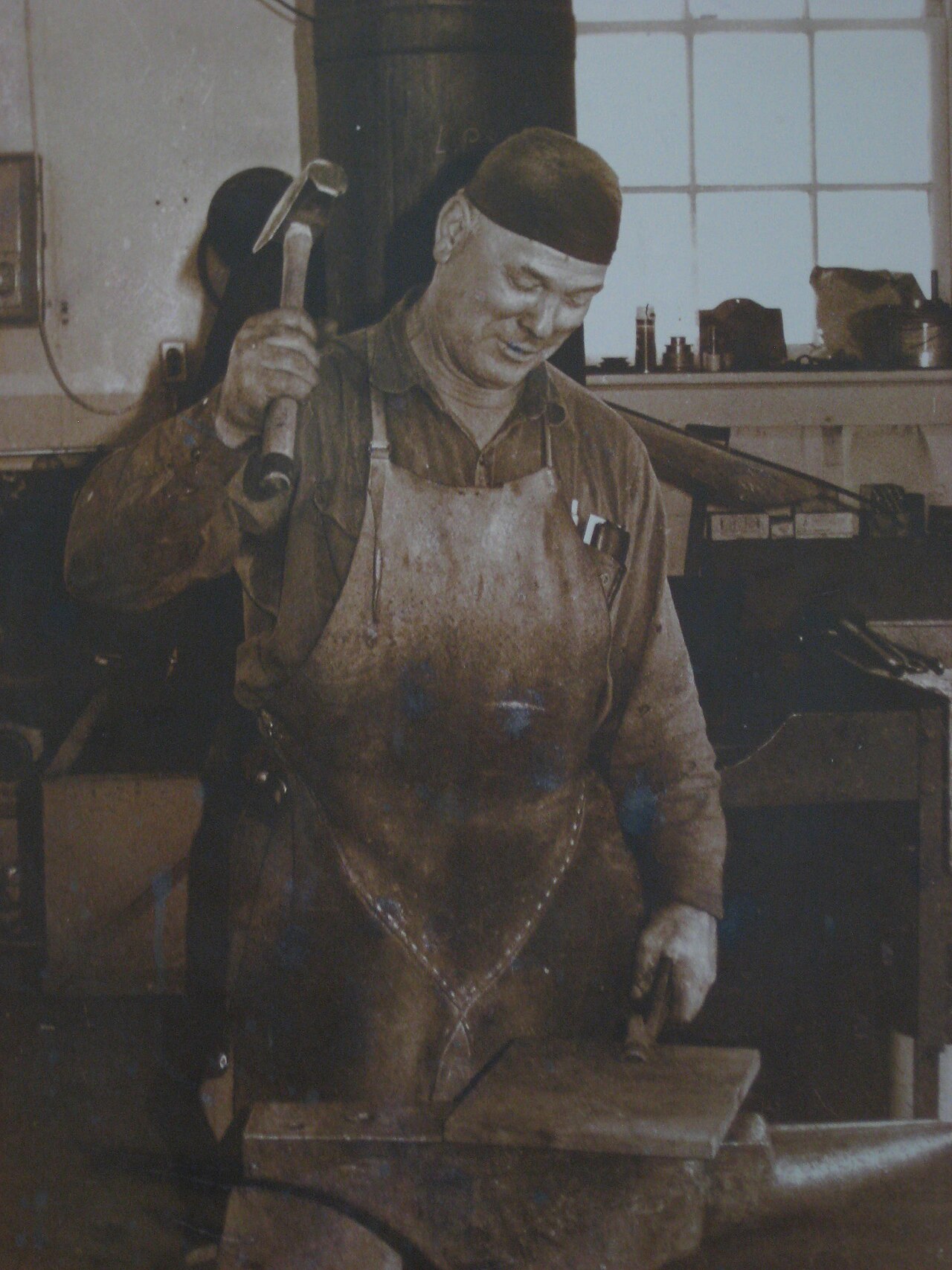
The trade that made every other trade's tools — from Hittite iron and guild forges to the artist-blacksmiths who brought the anvil back in the twenty-first century.
Blacksmith: The trade that made every other trade's tools — from Hittite iron and guild forges to the artist-blacksmiths who brought the anvil back in the twenty-first century.
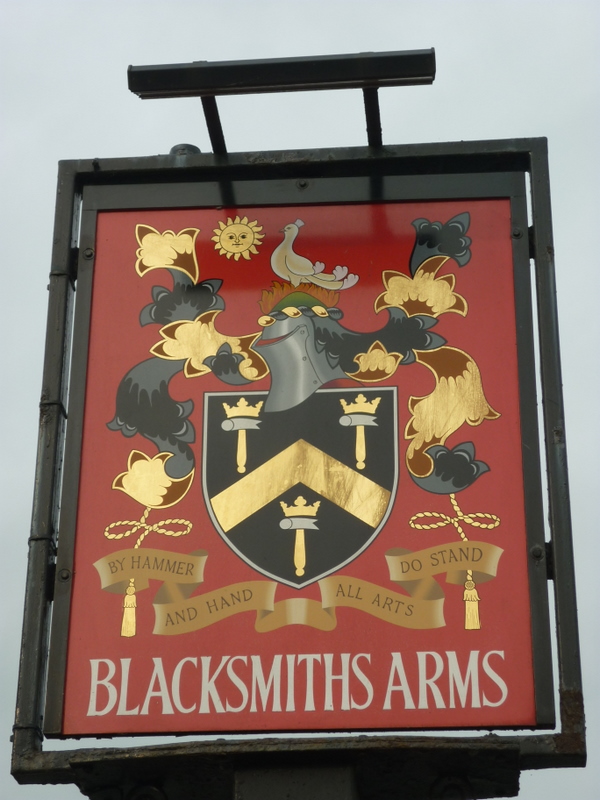
The blacksmith works the "black metal" — iron, named for the dark oxide scale that forms on its surface in the fire, as opposed to the whitesmith's bright tin. For most of recorded history the smith made every other trade's tools: the carpenter's chisels, the farmer's ploughshare, the surgeon's knives, the soldier's blade. London's blacksmiths' guild, recorded since 1299, took the point as its motto: "By hammer and hand all arts do stand." Nearly every iron-using culture forged a god to match — Hephaestus in Greece, Ogun in West Africa, Ilmarinen in Finland.
The route in has barely changed since the Iron Age: stand next to someone who knows, and hit a great deal of hot metal. No licence is needed in most countries, though Germany runs a regulated apprenticeship and master exam, Japan licenses its swordsmiths through a five-year live-in apprenticeship, and Britain regulates the neighbouring trade of farriery by law. What changed is the market: the Industrial Revolution took the production work — nails, chain, horseshoes, hardware — and left the smith the custom, artistic and restoration work machines still cannot do.
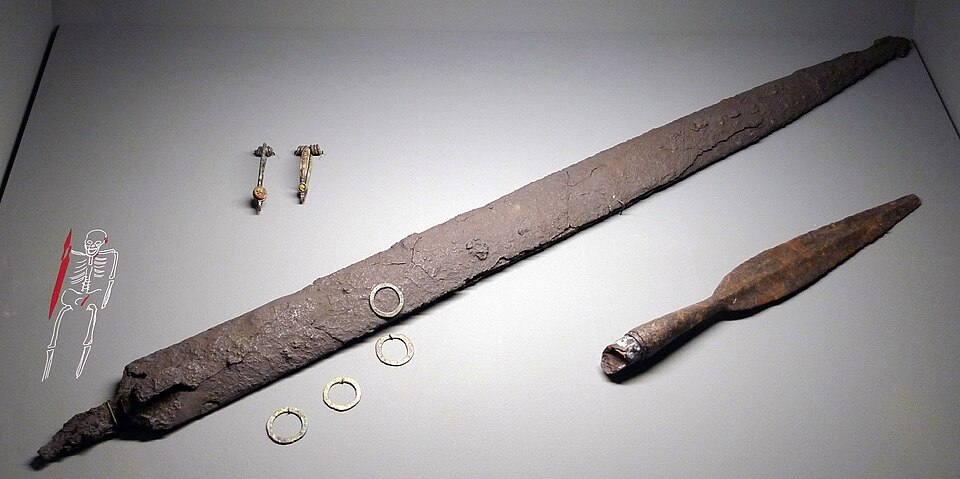
This page follows the trade from Hittite Anatolia through wootz steel, Ulfberht swords and Masamune's Kamakura forge to the village smithy's collapse after 1908 and the artist-blacksmith revival that began in the 1970s. It covers how people actually learn the craft today across four continents, what a forging day does to the body, the know-how smiths pass down at the anvil, who reached the top of the trade across seven centuries, and how much of the work automation already took — and what it left behind.
Inside the profession
A blacksmith shapes hot metal with hammer, heat and timing — a craft that looks ancient in photographs and runs, in practice, on modern orders, safety rules and tight margins.
Heat is a clock you cannot pause
Steel tells the truth by colour and feel: too cold and it cracks under the hammer; too hot and grain coarsens. The smith plans heats so drawing, bending, punching and finishing happen while the metal cooperates. Power hammers and hydraulic presses change force, not the need to read temperature. Romantic images linger on sparks; the working skill is sequencing — knowing which operation must happen in this heat before the piece returns to the forge.
From village forge to shop fabricator
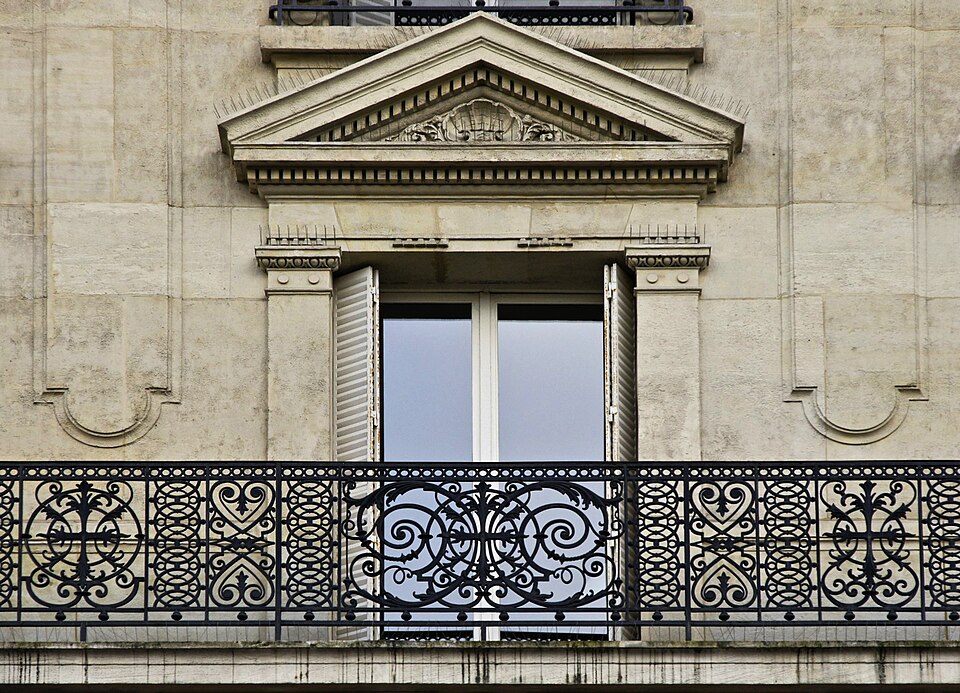
Few smiths shoe horses full-time; many fabricate gates, railings, tools, sculpture, restoration ironwork and custom hardware. Clients arrive with Pinterest and structural engineers arrive with load calculations. The job straddles art, welding code and joinery into masonry or timber. A shop that only forges decorative scrolls without understanding fasteners and finishes will fail inspection; one that only welds without forging skill will miss the forms clients still want from "a real blacksmith."
Body, noise and long learning
Hearing protection, eye protection, ventilation for scale and coatings, and respect for tongs and moving stock are non-negotiable. Strength helps; endurance and hammer control matter more. Apprenticeships historically ran years because fire management, tool making and material knowledge cannot be crammed into a weekend course. Short workshops create enthusiasts; production shops still need people who can hold tolerance on the twentieth identical leaf of a railing run.
What survives beside industry
Mass steelwork left the village forge decades ago. What remains is custom, repair, heritage conservation and work where the maker's hand is the product. CNC plasma and laser cutters remove blanking labour; they do not replace upsetting a tenon or forging a taper that must meet a historic pattern. The trade's future is specialist and local, not nostalgic mass employment — which is why business skills sit beside hammer skills for anyone who wants a shop to last.
How the work branches
Five common shapes of the same title — specialty, setting or career path.
Gates, railings, balconies and public commissions
Architectural smith
Combines forging with fabrication, finishes and site installation to code.
Knives, tools and collector work
Bladesmith
Focuses on heat treatment, edge geometry and steel selection under tight tolerances.
Stables and equine veterinary adjacent work
Farrier
Shoes horses — a specialised path with animal handling and hoof anatomy at the centre.
Churches, museums and listed buildings
Heritage restorer
Matches historic sections, joints and finishes rather than inventing new ornament.
Galleries, public art and teaching forges
Sculptural / studio smith
Treats forged form as the artwork, often teaching to keep the shop viable.
How it reads by country
Same craft, different gatekeeping, status and daily texture — rewritten for readers in each language.
United States — ABANA networks and custom shops
The Artist-Blacksmith's Association of North America and regional guilds sustain teaching and community. Most income is custom residential and light commercial ironwork, not village utility forging. Liability insurance, welding certifications and local permitting shape what a shop can install; Instagram marketing now rivals word-of-mouth.
South Korea — tool tradition and studio craft
Historical metalwork and contemporary studio makers coexist with industrial fabrication. Demand for hand-forged work often sits in design, culinary tools and cultural projects rather than everyday hardware. Space and noise constraints in cities push serious forges toward industrial zones or shared workshops.
Japan — sword lineages and quiet precision
Swordsmithing remains a highly regulated, culturally elevated specialty with its own licensing path. Outside that world, architectural and tool smiths work with an expectation of refined finish. Traditional apprenticeships in certain lineages are long and hierarchical; general fabrication careers follow more ordinary industrial training.
Germany — Schmied Handwerk and restoration demand
Formal Handwerk training still produces certified smiths, though numbers are smaller than mid-century. Castle, church and urban heritage projects create skilled restoration work. Collective craft identity is stronger than in many countries; business reality still depends on fabrication contracts and modern welding competence.
United Kingdom — rural forges and listed-building work
Village forge romance persists in tourism, while viable shops lean on gates, fire escapes, public art and National Trust–adjacent repair. Farriery is a separate regulated profession. Courses at specialist colleges feed enthusiasts and a thinner stream of full-time makers competing on price with imported ironwork.
Singapore — scarce space, imported craft
Full coal or coke forges are rare given land, regulation and climate; much "ironwork" arrives via fabrication shops using modern processes. Commissioned craft pieces and conservation projects may involve regional specialists. Careers labelled blacksmith here often blend welding, design and imported traditional techniques.
From the archive
Commons CC/PD images self-hosted for this profession.
Why attitude matters here
A blacksmith can learn hammer patterns from any demo video; what keeps ironwork safe and honest is whether they refuse a beautiful gate that will not hold, finish or hang the way the site requires.
Hot metal forgives ego less than Instagram does
A scroll that photographs well can still hide cold shuts, burned steel or welds that will crack after the first winter. Clients see form; engineers and building inspectors see load paths and fasteners. Attitude shows when a smith slows a photogenic job to normalise grain, seat a joint properly, or admit a section must be remade.
The shop teaches what the master tolerates
Apprentices copy how tongs are left, whether eye protection is mocked, how "good enough" is defined on the twentieth identical leaf. A smith who rushes unsafe shortcuts under deadline trains the next injury. Standards are culture under noise and heat, not posters on the wall.
Custom work is promises made in steel
Quoted timelines and finishes bind someone else's home, horse or heritage facade. Overpromising to win a deposit, then delivering sharp edges, rust-prone coatings or mismatched historic sections, is a character failure with physical consequences. The craft includes the phone call that revises scope before the truck rolls.
Stances that hold up under pressure
Five concrete postures the work rewards, not slogans.
Reads heat by colour and feel, not by hoping the clock is enough
Hammering off-temperature to "stay in flow" produces broken work later. Stepping back to reheat is discipline that looks like delay and saves the piece — and the hands — from forcing stubborn steel that will fail when the client leans on it.
Makes and maintains tools instead of blaming the steel
Dressing hammer faces, repairing tongs, keeping drifts true — the unglamorous loop that makes accurate forging possible. A smith who only buys pretty hammers and never maintains them is performing craft for the camera, not practising it on the next hundred heats.
Treats PPE as non-negotiable even for "just a quick heat"
The injury happens on the quick heat. Hearing protection, eye protection and lung protection are stances toward a decades-long career; mocking them as softness is how shops go quiet for the wrong reasons and lose people who would have become good.
Matches historic sections instead of inventing "inspired by"
On restoration jobs, inventing a prettier scroll than the evidence supports is ego dressed as artistry. Measuring, sampling and matching is slower and more ethical — and what heritage clients and conservation officers are actually paying for.
Prices finishing and installation as real work
Forging the pretty part and hand-waving galvanising, sealing, transport and fixing is how jobs go sour on site. Naming those costs early is professional honesty, not upselling — and it prevents the forge from subsidising someone else's incomplete brief.
Moments that reveal it
Situations that separate résumé language from how someone actually practices.
A client loves a thin, sharp finial design that will catch clothing and fail a safety check on a public stair.
Does the smith redesign and explain liability in plain language before cutting bar, or build the drawing as given and treat injury risk as the client's problem after the install photos are already posted?
An apprentice burns a critical section and tries to hide it under scale and paint.
Does the lead make them cut it out and remake it, using the moment to teach heat control and why paint is not a structural fix — or accept the cover-up because the install date is printed on a contract?
A railing order is profitable only if powder-coat prep is skipped and raw forge scale is painted over.
Does the shop refuse or re-quote for proper prep and finish, or ship work that will peel and rust within a season while the delivery photographs still look good enough for the portfolio and client handover?
A heritage officer asks whether a joint method is documentably traditional for the building's period.
Does the smith admit uncertainty, research or consult before proceeding on a listed structure — or invent a confident story that keeps the invoice moving and leaves a false repair in the building's record?
Where "calling" turns harmful
Romanticised poverty as proof of authenticity
Blacksmithing marketing still sells soot, scarcity and "doing it for the love of the forge" as moral proof — a story that excuses underpricing, unpaid helpers and shops that cannot afford ventilation or insurance. Craft poverty is not purity; it is often a business model that shifts risk onto bodies and families. Charging enough to run a safe shop is not selling out. It is how the trade continues past one photogenic martyr.
The profile
Resists AI82
Pay30
Barrier to entry35
Autonomy88
Demand32
Impact45
How exposed is it to AI?
Low
Around a fifth of the working smith's week is genuinely automatable — quoting, rendering, repetitive component runs, marketing copy — and CNC cutting already handles what would once have been days of hand work in many shops. The core does not move: one-off forging in variable material, restoration bound by heritage rules to original technique, and clients who are explicitly buying a maker's hand. The market that machines could serve was surrendered to machines a century ago.
Do blacksmiths still exist, and what do they make?
Yes — but almost none of them shoe horses or make nails. Modern blacksmiths forge architectural work such as gates, railings, balustrades and staircases, one-off sculpture, custom knives and tools, film and theatre props, and like-for-like restorations of historic ironwork. Industry forges its parts by machine; the hand trade survives at the custom, artistic and heritage end of the market.
How long does it take to become a blacksmith?
You can forge a hook in a weekend course; making a living takes years. Germany's regulated apprenticeship in metal design runs three and a half years, the UK's degree and college routes take two to three, and most working smiths say real fluency — moving metal without hesitation — arrives somewhere between three and five years of daily forging, with mastery a decade out.
How much do blacksmiths earn?
Modestly, with a long tail. Employed and independent smiths in the US mostly earn in the $35,000–60,000 range (2024); UK workshop smiths commonly £25,000–35,000. Established architectural studios and well-known bladesmiths can earn well into six figures on commissions, while village smiths in the informal economies of South Asia and Africa earn a small fraction of these numbers.
What is the difference between a blacksmith and a farrier?
A farrier shoes horses; a blacksmith forges metal generally. They were historically the same person, and the skills overlap, but farriery is now a separate, often regulated trade — in Britain it is illegal to shoe a horse without registration under the Farriers (Registration) Act 1975, while blacksmithing itself requires no licence at all in most countries.
Do you need to be big and strong to forge?
Less than the mythology suggests. Efficient forging uses hammer rebound, body weight and accurate placement rather than arm strength — instructors spend the first days correcting grip tension, not building muscle. Power hammers and presses handle the heavy sections in any professional shop, and many of the craft's most influential smiths of the past fifty years, including Elizabeth Brim, are women.
Why is it called a "black" smith?
From the metal, not the soot. Iron heated in a forge grows a dark grey-black oxide skin called fire scale, so iron was the "black metal" and its worker the blacksmith. The contrast was with the whitesmith, who worked bright, low-heat metals such as tin and pewter, or did the filing and polishing that finished forged work to a shine.
Is real wrought iron still made?
Not commercially. True wrought iron — the fibrous, slag-streaked material of Victorian gates — went out of industrial production in Britain in the mid-1970s, and today's "wrought iron" fences are almost always mild steel. Restoration smiths keep stocks of salvaged old iron and recycle it for heritage work, which is one reason authentic like-for-like restoration commands the prices it does.
Will AI and robots replace blacksmiths?
The replaceable part was replaced over a century ago: drop forges, nail machines and chain welders took the trade's mass-production core between 1850 and 1950, collapsing the workforce. What survived is precisely what does not automate — one-off commissions, site-specific design, heritage restoration bound to original techniques, and buyers paying for a human maker. AI renders drawings; it does not hold the hammer.
Embed this ranking
Paste this code into your blog or site — the ranking stays up to date.