The craftsman who cuts cloth to one particular human body — a trade the sewing machine industrialized, ready-to-wear shrank, and no machine has finished replacing.
Tailor: The craftsman who cuts cloth to one particular human body — a trade the sewing machine industrialized, ready-to-wear shrank, and no machine has finished replacing.
"Tailor" comes from the French tailleur — the cutter, from tailler, to cut — and the etymology keeps the trade's priorities straight: sewing is everywhere and always has been, but cutting flat cloth so that it fits one particular, asymmetric human body is a separate skill, and it made itself into a profession in the cities of medieval Europe. By 1327 London's tailors held a royal charter; their guild grew into one of the city's Great Twelve livery companies.
It has been two trades in one ever since the sewing machine arrived in 1846. The mass trade — making everyday clothes — moved into factories generations ago, which is why the surviving profession splits so sharply: a median American tailor earns around $35,000 a year altering ready-made garments, while a Savile Row or Neapolitan house sells fifty-plus hours of one person's handwork in a single £6,000 suit. Both are the same craft at different prices.
This page follows the trade from the guild halls and Juan de Alcega's 1580 pattern book through the sewing machine, Savile Row and the ready-to-wear flood, to the workshops still cutting today. It covers how people actually get in — apprenticeship, not university, almost everywhere — what the hands and the eye must learn, the eight makers who defined the craft, and how much of the remaining work scanners and software can realistically take.
Inside the profession
A tailor turns cloth, body and occasion into a garment that must fit one person exactly — and still look right when that person sits, reaches, or walks into a room.
Fit is a moving target
A measuring tape is only the opening argument. Real fit accounts for posture, dominant shoulder, how a client sits at a desk, whether they prefer a jacket closed or left open. Muslin fittings expose problems that flat pattern math cannot: a twisted side seam, a collar that lifts when the head turns, trousers that look sharp standing and bag when walking. The tailor who listens to how cloth behaves on a living body, not only to numbers written on a ticket, is doing the actual craft.
Hand, machine and judgement
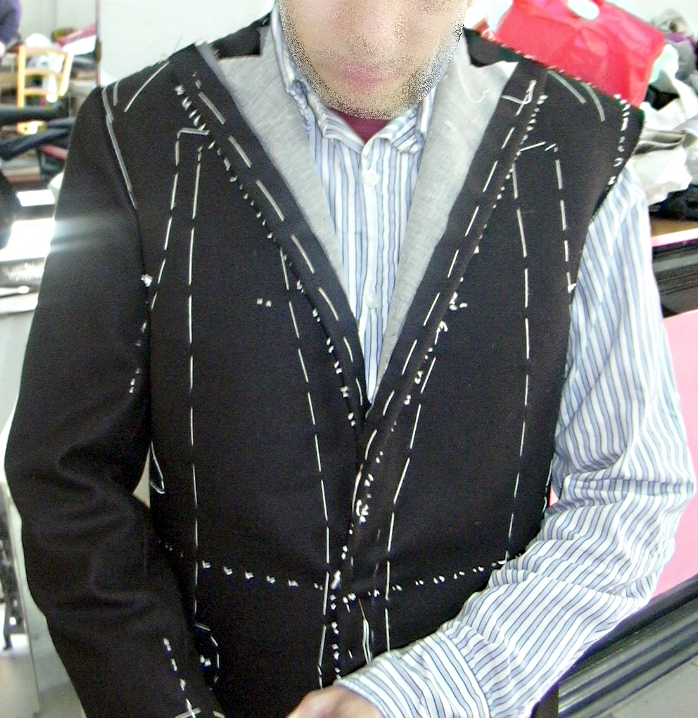
Modern shops mix hand finishing with industrial machines: pad stitching, pick stitching and buttonholes still reveal skill, while overlockers and pressing equipment buy speed. The craft decision is which operations deserve hand time and which do not. A bespoke coat may spend hours on canvas and collar; a ready-to-wear alteration may need a clean hem in twenty minutes. Prestige marketing loves "all handmade"; working tailors know that press quality and seam allowance control often matter more than romantic handwork.
Client trust arrives before the fitting
People undress partially, confess body anxieties and spend money on something they cannot fully preview. The tailor manages expectations about what cloth can and cannot do: a large pattern will not hide every line; a cheap cloth will shine at the seat; a wedding suit must still fit after a winter of weight change. Soft skills here are not hospitality fluff — they are how a shop avoids remakes, refunds and public disappointment on the day that mattered.
What automation still cannot drape
Body scanners and made-to-measure software shrink first-fit error for standard bodies. They struggle with scoliosis, uneven legs, wheelchair seating, maternity shifts and the client who wants a 1960s silhouette on a 2020s torso. Alteration work — the bulk of many high-street shops — remains judgement under time pressure: take in without destroying pockets, shorten without losing break, match a faded cloth. The future of the trade is less costume drama and more precise, patient problem-solving.
How the work branches
Five common shapes of the same title — specialty, setting or career path.
Savile Row houses, atelier shops, private clients
Bespoke tailor
Cuts a pattern from scratch for one body, often with multiple fittings and a canvas structure built by hand.
Brand ateliers and department stores
Made-to-measure fitter
Adjusts a house block with measurements and options, balancing speed against individual quirks.
High-street shops, dry cleaners, bridal studios
Alterations tailor
Repairs and reshapes finished garments under tight turnaround and mixed cloth quality.
Opera, film, stage and touring companies
Theatrical costume tailor
Builds durable, changeable garments for movement, quick changes and repeated cleaning.
Defence contractors, academies, ceremonial units
Military and uniform tailor
Works to strict regulations on braid, badges, silhouette and authorised cloth.
How it reads by country
Same craft, different gatekeeping, status and daily texture — rewritten for readers in each language.
United States — alterations economy and bespoke niches
Most working tailors earn through alterations and bridal fittings rather than full bespoke. True custom houses cluster in New York, Los Angeles and a few other cities; elsewhere, immigrant-owned shops carry neighbourhood demand. Licensing is light, reputation is everything, and competition from online made-to-measure has pushed shops toward speed and clear pricing.
South Korea — suit culture and rapid alteration shops
Office dress still supports a dense network of suit makers and same-day alteration counters near business districts. Wedding and hanbok-adjacent formalwear create seasonal peaks. Younger clients often mix ready-to-wear with precise local fitting, and apprenticeship inside family shops remains a common, if informal, route.
Japan — ginza craft and factory precision
High-end tailor shops in Tokyo and Osaka coexist with extraordinarily skilled factory pattern teams for domestic brands. Customers expect meticulous pressing and near-invisible finishing. Long in-house training persists in some ateliers, while department-store made-to-measure offers a more accessible middle path.
Germany — Handwerk training and Maßschneider paths
Formal tailor training through the Handwerk system still exists, though fewer young people enter. Maßschneiderei retains cultural prestige in certain cities, while everyday work often means alterations and corporate uniforms. Collective wage structures in larger firms differ sharply from lone atelier economics.
United Kingdom — Savile Row myth and high-street reality
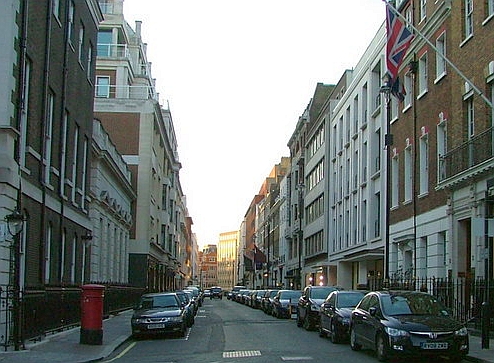
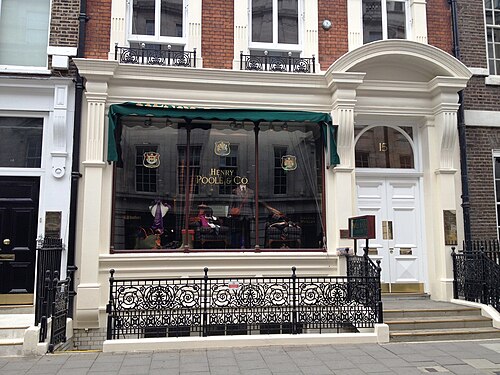
Savile Row defines global imagination of the trade, yet most UK tailors work far from Mayfair — in alterations, theatrical wardrobe and regional bespoke. Apprenticeships and cutter training remain gatekeepers for prestige houses; elsewhere, self-taught routes and immigrant craft keep shops open.
Singapore — tropical cloth and fast corporate fittings
Humidity and air-conditioning push fabric and canvas choices that differ from temperate Europe. Expat and finance demand supports bespoke and made-to-measure, while heartland shops handle school uniforms and quick hems. Import cloth and labour costs shape what can be offered at each price band.
From the archive
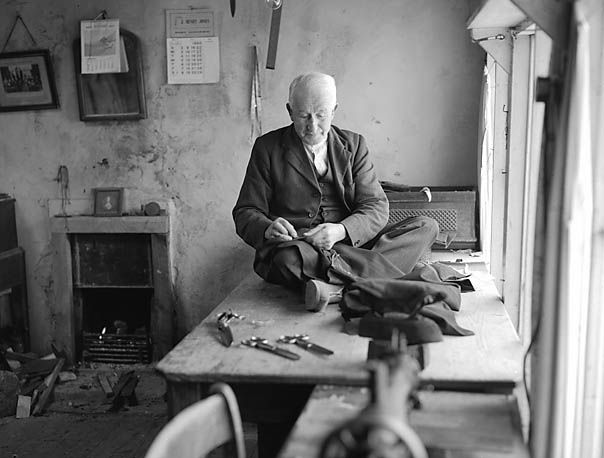
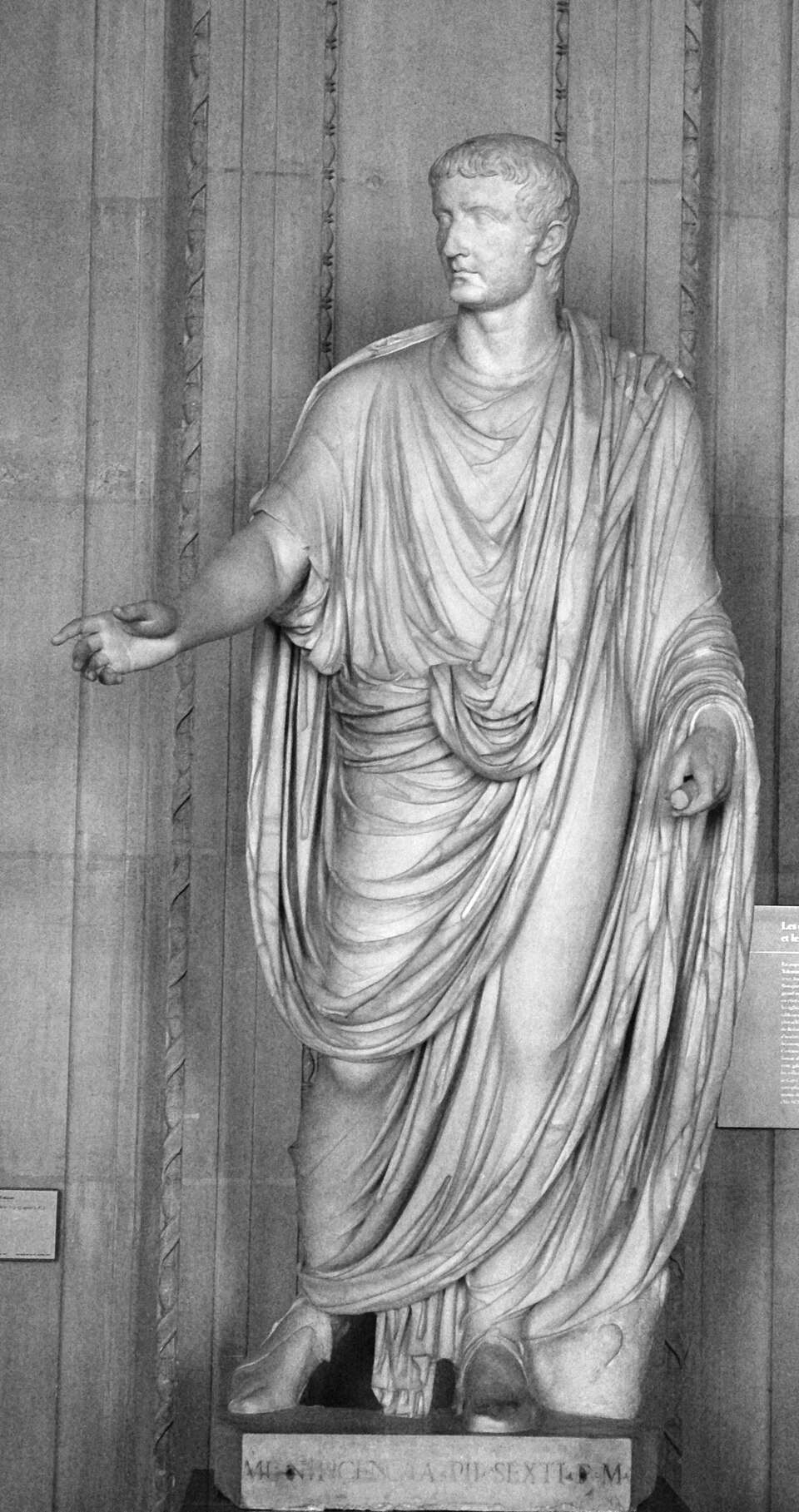
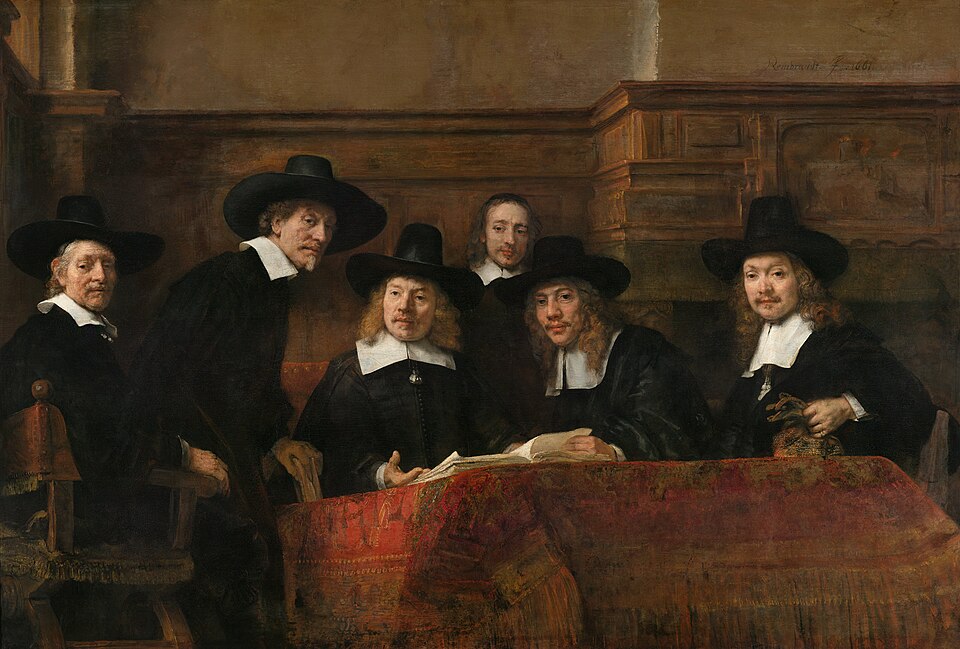
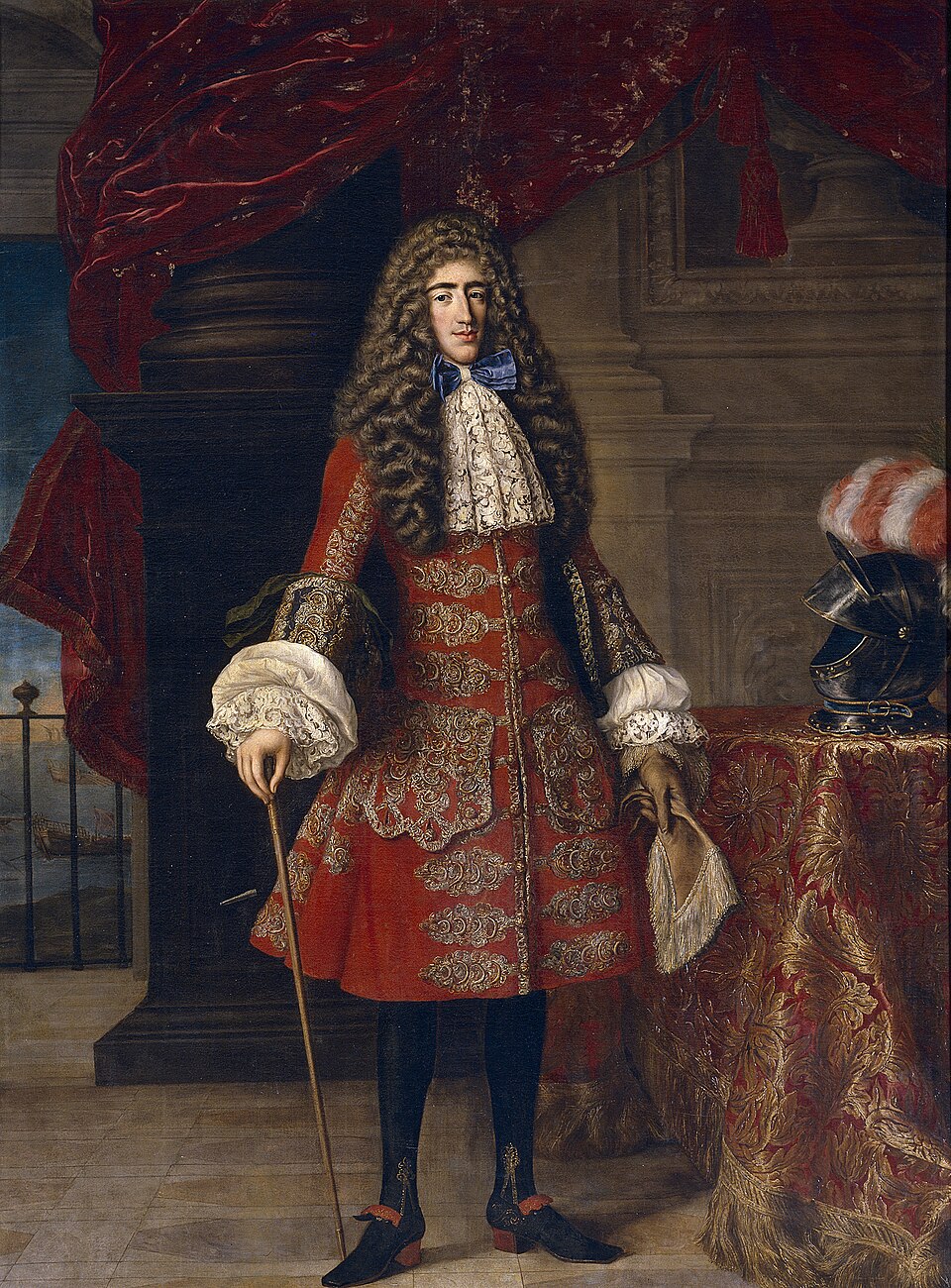
Commons CC/PD images self-hosted for this profession.
Why attitude matters here
A tailor's hands can be taught; what decides whether a garment survives a wedding day or a season of wear is whether they refuse to send work they would not put their name inside.
The client cannot see the canvas
Most of what makes a jacket wear well is invisible once the lining is in: balance, pad stitching, seam allowances left for future alteration. A tailor who skips structure to hit a promised date delivers a garment that looks fine in the mirror and collapses after six wears. Attitude shows in what gets finished carefully when no one else will open the seams to check.
Bodies change; honesty has to precede the cut
Clients understate weight, overstate posture confidence, or demand a size that flatters an old photograph. Cutting to flattery instead of measurement produces remakes and blame. The tailor who will say, early, that this cloth or silhouette will not do what is being asked protects both the shop and the person who has to live in the clothes.
Apprentices inherit standards, not just stitches
Pressing habits, how pins are placed, whether corners are cleaned before the next operation — these transfer by imitation under pressure. A cutter who hides mistakes teaches concealment; one who unpicks in view teaches the real craft. Shops that treat juniors as unpaid hands rarely produce cutters who will later refuse a bad send-out.
Stances that hold up under pressure
Five concrete postures the work rewards, not slogans.
Measures twice after the client has been talking and sitting
First numbers are often taken while someone is performing posture. Rechecking after conversation, after they sit, after the jacket trial, catches the body that will actually wear the garment — not the body that arrived nervous and holding its breath at the mirror.
Marks and leaves alteration room intentionally
Seam allowances and canvas choices that permit a future take-in or let-out are a stance toward the client's life, not just today's fitting. Destroying that room to force a temporary silhouette is a known shortcut; refusing it is professional discipline that shows up years later.
Presses as they go, not only at the end
Waiting until the garment is finished to "press out" bad seams is how shine, ripples and twisted edges get locked in. Continuous pressing is slower in the first hour and faster across a week of remakes avoided — and it is visible to anyone who opens a side seam later.
Says no to impossible dates rather than silent underbuilding
Promising a bespoke timeline that only works if structure is skipped is a character failure dressed as customer service. The tailor who renegotiates the date or the scope openly is protecting the wearability of what leaves the shop, even when the client wants magic by Friday.
Credits the hands that padded and finished
In houses where cutters get the name and finishers get silence, quality erodes because pride has nowhere to live. Naming and paying the invisible work is how standards survive past one charismatic fitter and one busy season of wedding tickets.
Moments that reveal it
Situations that separate résumé language from how someone actually practices.
A wedding suit is due in four days and the second fitting shows the collar still lifting because the canvas was rushed.
Does the tailor unpick and rebuild the collar, renegotiating delivery or offering a temporary alternative the client can actually wear — or steam and tack it into a shape that will fail during the ceremony photographs when every camera is pointed at the neckline?
A client insists on a size and cut that will strain at the seat on a cloth known to shine.
Does the tailor document the warning, suggest a different cloth or cut, and refuse to proceed without acknowledgement — or cut what was asked, take the deposit, and brace for the complaint when the shine appears after three evenings out?
An apprentice bastes a sleeve off-grain and hopes it will "press in."
Does the senior make them remove it and redo it before the next operation, explaining the grain and why pressing will not save it — or let it go because the ticket queue is long and "good enough" keeps the rail moving toward a remake?
A rush alteration arrives with a stained lining and a request to "just take in the sides" before tonight.
Does the tailor check pockets, balance and cloth weakness first and decline work that will tear at the event — or take the fee, rush the side seams, and discover the rip when the client is already dressed and out of time?
Where "calling" turns harmful
"Passion for craft" funds unpaid apprenticeships
Tailoring still romanticises years of sweeping, fetching and unpaid or underpaid handwork as the price of learning the trade. Some houses call it apprenticeship; functionally it can be free labour justified by proximity to prestige cloth. Real training requires teaching time and a wage. A calling does not pay rent, and prestige addresses do not get a moral exemption from labour law.
The profile
Resists AI78
Pay38
Barrier to entry45
Autonomy82
Demand40
Impact35
How exposed is it to AI?
Low
Roughly a fifth of the surviving trade's work is realistically automatable: body measurement by scanner, pattern drafting and grading by CAD, long seams by machine — much of it automated already. The core holds because robots manipulate limp cloth poorly, no scanner judges posture and habit, and bespoke's customers are explicitly buying human hours. The bigger caveat sits outside the workshop: made-to-measure factories with scan data keep absorbing the trade's price-sensitive middle.
A tailor measures a body, drafts or adjusts a pattern, cuts the cloth and constructs a garment that fits that specific person — or alters a factory-made garment until it does. The trade splits into bespoke making, alterations and repair, and workshop tailoring for costume houses, uniform makers and luxury brands. Cutting to fit is what separates the tailor from both the designer and the machinist.
What is the difference between bespoke, made-to-measure and ready-to-wear?
Ready-to-wear is cut in advance to standard sizes. Made-to-measure adjusts an existing base pattern to a customer's measurements, usually cut and sewn in a factory. Bespoke starts from a blank sheet: a unique paper pattern drafted for one client, multiple fittings, and largely hand construction. London's Savile Row Bespoke Association requires, among other rules, over fifty hours of hand work per suit.
How long does it take to become a tailor?
Roughly three to seven years to become a competent maker, and about a decade to become a cutter trusted with clients and cloth. Germany's dual apprenticeship runs three years to the journeyman exam, with the Meister qualification beyond it; Savile Row apprenticeships take three to five years for coat making alone, and cutters typically train for several more years after that.
Do you need a degree to become a tailor?
No. Apprenticeship remains the main route everywhere the craft is strong — Naples, London, Tokyo, Vienna. Degrees exist and can help: London College of Fashion offers a bespoke tailoring BA, and fashion schools teach pattern cutting well. But no country licenses tailors, and many of the trade's most respected names, from Fonticoli to Ramroop, learned entirely on the workshop board.
Why does a bespoke suit cost £6,000?
Mostly labor. A Savile Row suit involves a unique drafted pattern, three or more fittings, and fifty to eighty hours of skilled cutting and hand-sewing, plus two to four meters of good cloth. At even modest skilled-labor rates in London, Paris or New York, the arithmetic lands in the thousands. Cheaper 'bespoke' usually means a factory-made made-to-measure garment with a local fitting.
How much do tailors earn?
The spread is wide. The US median for tailors, dressmakers and custom sewers was about $35,000 in 2023 (BLS), most of it alterations work. A qualified Savile Row coat maker on piece rates earns a solid trade wage; head cutters in London reach roughly £60,000–£90,000; owners of established houses, in London, Naples or New York, can earn several times that — or fail entirely.
Will machines or AI replace tailors?
The machine arrived in 1846, and factories took the everyday trade generations ago — what survives is precisely the part machines handle worst. Robots still struggle to manipulate limp cloth, 3D scanners measure bodies but cannot judge posture or habit, and bespoke's product is partly the human making itself. Scanning and CAD are absorbing measurement and drafting, mostly inside made-to-measure.
Is tailoring a dying trade?
The mass trade died a century ago; the surviving craft is small but not shrinking. Savile Row's houses report steady order books, Kiton employs hundreds of tailors in Naples and runs its own school, and repair and alteration demand is rising with sustainability rules and resale fashion. The real crisis is succession: master tailors are aging faster than apprentices are replacing them.
Embed this ranking
Paste this code into your blog or site — the ranking stays up to date.