The maker of book-length fiction, from Murasaki Shikibu's Heian court to the Kindle's self-publishing flood — a trade with no license, no ladder and no retirement age.
Novelist: The maker of book-length fiction, from Murasaki Shikibu's Heian court to the Kindle's self-publishing flood — a trade with no license, no ladder and no retirement age.
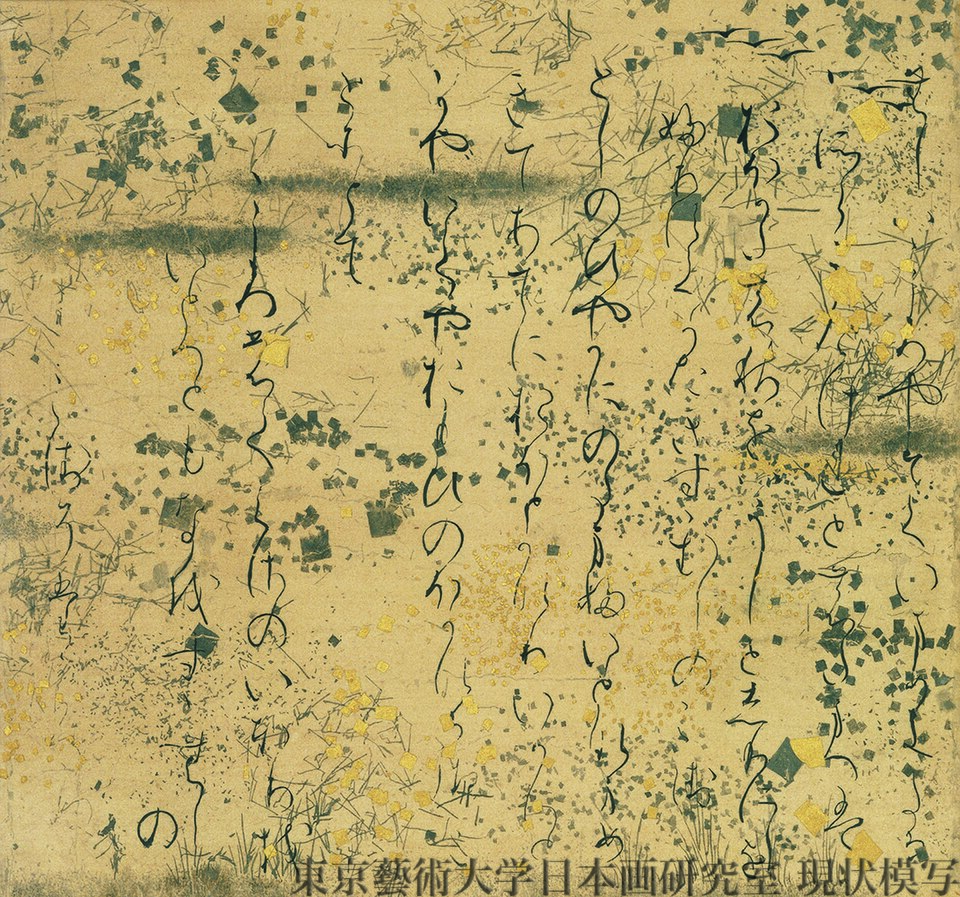
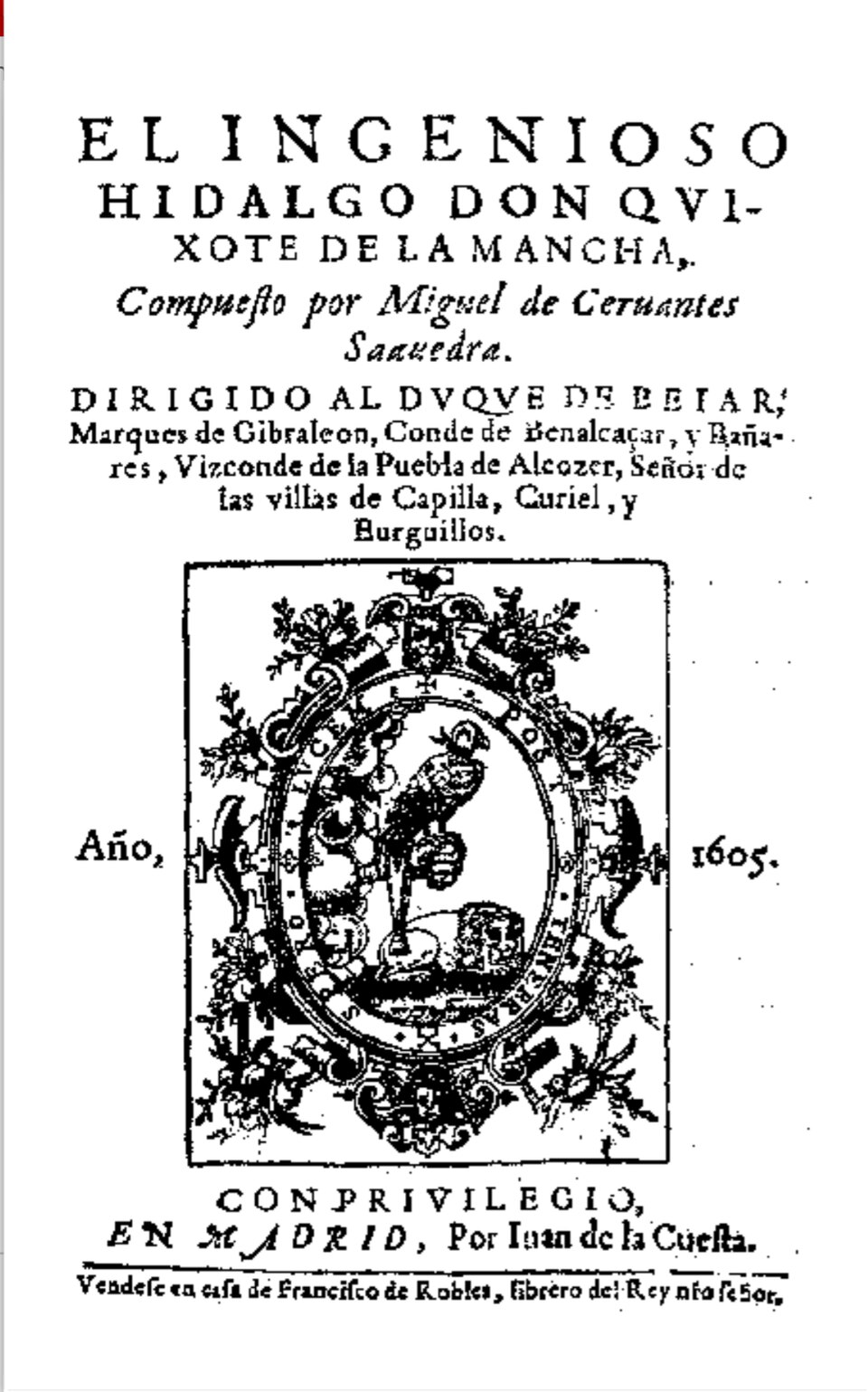
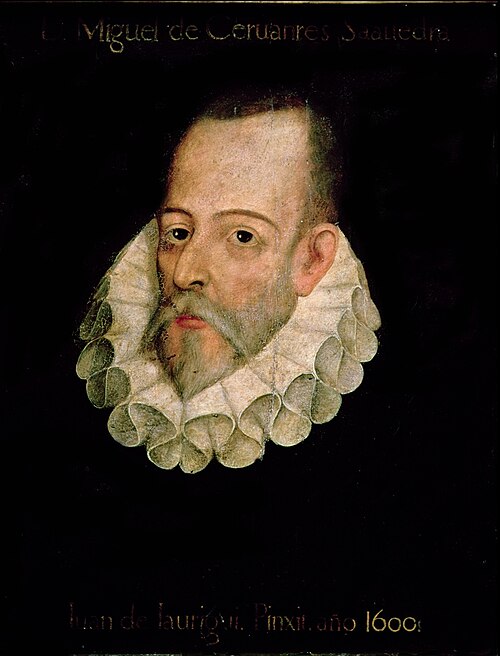
A novelist writes book-length fiction, and has done so for far longer than English has had a word for it. Murasaki Shikibu, a lady-in-waiting at Japan's Heian court, completed The Tale of Genji around 1010 — fifty-four chapters of psychologically exact fiction, six centuries before Cervantes published Don Quixote in Madrid in 1605. The trade she founded still has no license, no governing body and no required degree: anyone may begin, which is exactly why finishing is what distinguishes.
It is also one of the most financially unequal professions on this site. The UK's ALCS survey found a median income of about £7,000 for primary-occupation authors in 2022, down roughly 60 percent in real terms since 2006, while a handful of brand-name novelists earn millions a year. Most working novelists therefore keep a second occupation — teaching, journalism, medicine — and write in the hours around it, as Anthony Trollope did at his desk from 5:30 each morning before his Post Office job.
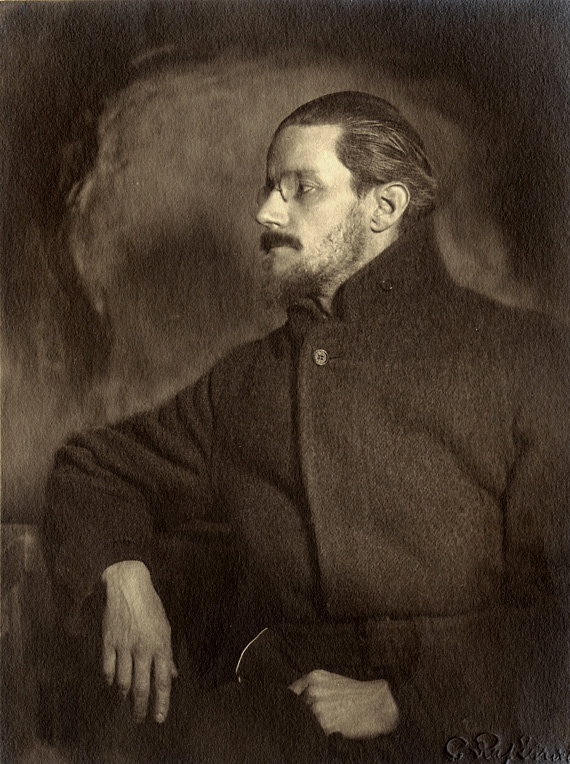
This page follows the trade from the Greek romances and Genji through serialization, the sixpenny paperback and the Kindle; how people actually become novelists today, with or without a creative-writing degree; the craft techniques practitioners genuinely pass on, from Trollope's quota to Nabokov's index cards; eight figures who defined the form across seven countries; and how much of the work large language models can realistically absorb — a sharper question for this profession than for most.
Inside the profession
A novelist builds long-form fiction—characters, structure and sentences—over months or years, usually without a guaranteed reader until late in the process. The romantic image is inspiration; the job is sustained revision, professional negotiation with editors and agents, and the discipline to finish when nobody is watching.
What the day actually is
Working novelists draft, cut, restructure, research and reread with a cold eye. Many also teach, freelance, translate or hold unrelated jobs because advances and royalties rarely smooth a year. Correspondence with agents and editors, copyedit queries and publicity obligations arrive in bursts around publication. The solitary desk is real; so is the industrial machinery that turns a manuscript into a bound book and then asks the author to help sell it.
Where variety hides
Literary fiction, genre novels, series work, crossover YA and novelizations share length and diverge in contract patterns, deadlines and reader expectations. Some writers publish a book a decade; others deliver annually under series pressure. Self-publishing and hybrid careers changed distribution without removing the need for editorial judgment. A ghostwriter's week and a prize-circuit novelist's week are different economies under one word.
How gatekeeping really works
MFA programs (Iowa, UEA and others) offer time, peers and networks; they are not required. Agents, contests, magazine publications and editorial relationships remain practical gates in many markets. Japan’s Akutagawa path and other national prize cultures create alternate ladders. There is no license—only manuscripts that survive rejection and contracts that specify rights, territory and delivery dates. Most aspiring novelists never clear the first commercial gate.
What is changing underfoot
Digital retail, audiobooks and serialized platforms change how fiction is discovered and paid for. Generative tools draft prose cheaply and raise disclosure and originality disputes. They do not invent a distinctive book that readers trust, nor do they negotiate a subsidiary-rights clause. The scarce goods remain attention, editorial care and a voice that survives fashion. Automation pressures midlist economics; it does not replace the revision pass that kills a false ending.
How the work branches
Five common shapes of the same title — specialty, setting or career path.
Trade publishing and prizes
Literary novelist
Works on longer cycles toward critical and prize attention; income often mixes advances, grants and teaching.
Commercial publishing
Genre / series novelist
Delivers to reader expectations and schedules; craft includes continuity, pacing and contract pace.
Children's and YA markets
Author-illustrator / crossover novelist
Navigates age-banding, school markets and different editorial standards; tours and education events loom large.
Direct-to-reader platforms
Self-published / hybrid novelist
Owns marketing, production choices and pricing; editorial quality control becomes self-imposed or hired.
Packagers and IP lines
Ghostwriter / work-for-hire novelist
Writes to a brief under limited credit; professionalism is hitting voice and deadline without public ownership.
How it reads by country
Same craft, different gatekeeping, status and daily texture — rewritten for readers in each language.
United States — agented trade and MFA networks
Big-five and independent houses still route largely through agents. MFA programs and fellowships buy time; teaching and freelance common. Advances vary enormously; midlist precarity is widely discussed.
South Korea — literary journals and web-fiction economies
Literary magazine debuts and prize culture sit beside huge serialized web-fiction markets with different pacing and pay. Seoul publishing networks dominate traditional prestige paths.
Japan — bunko markets and prize ladders
Akutagawa and other prizes can remake a career quickly; bunko and genre publishing sustain many working writers. Magazine serialization remains a live path for some forms.
Germany — reading tours and solid midlist culture
A strong bookshop and festival culture supports authors; advances are often modest by US standards. Translation both into and out of German shapes international careers.
United Kingdom — London houses and Society of Authors
London publishing concentrates deals; Society of Authors advocacy is visible. UEA and other programs feed networks; Brexit-era rights and touring logistics complicate European careers.
Singapore — bilingual scenes, small market
A compact English/Chinese literary scene relies on regional publishers, grants and festivals. Many novelists look outward to UK, US or regional Chinese markets for scale.
From the archive
Commons CC/PD images self-hosted for this profession.
Why attitude matters here
Novelistic skill can produce pages; attitude decides whether those pages are revised until they earn a stranger's time—or shipped as a draft protected by the myth that real writers do not need editors.
Nobody polices the years at the desk
Most of a novel is written where no teacher, agent or reader can see the avoidance. Attitude toward the hard chapter—the one that keeps getting skipped—determines whether a manuscript finishes or becomes a permanent almost. Talent without that unsupervised honesty stalls at the same polished opening forever.
Other people's labor turns text into a book
Editors, copyeditors, designers and publicists catch errors and make the object exist. A novelist who treats editorial notes as insults, or deadlines as optional because art, burns collaborators who cannot publish the book alone. Professionalism is part of the vocation, not a betrayal of it.
Borrowed lives have consequences
Fiction draws on observation; it can also exploit private stories, trauma and identifiable people. Attitude toward consent, composite care and the difference between honesty and score-settling is an ethical skill distinct from elegant sentences.
Stances that hold up under pressure
Five concrete postures the work rewards, not slogans.
Kills a beautiful passage that harms the book
Cuts a favorite scene or sentence when structure or truth of character requires it, treating revision as craft rather than self-erasure.
Meets the delivery date in the contract
Communicates early when a manuscript will slip, rather than disappearing until a panicked email arrives the week of the deadline.
Takes a structural edit without scorched-earth defense
Argues about specific notes with evidence, not with the claim that any change destroys voice, and distinguishes taste fights from clarity fixes.
Credits research help and lived expertise
Acknowledges translators, consultants and communities drawn upon, resisting the posture that the novelist alone invented the world.
Declines a publicity lie about the book
Refuses marketing copy that misrepresents genre, autobiography or politics in ways that will bait-and-switch readers.
Moments that reveal it
Situations that separate résumé language from how someone actually practices.
A middle section has been avoided for months
Opening a new shiny project versus returning to the structural problem is the private test that separates novelists from people who like the idea of novels.
An editor asks for a cut that removes a self-flattering subplot
Defending the subplot as essential art, or recognizing ego, shows whether revision is real.
A friend recognizes themselves in a cruel portrait
Whether the writer anticipated harm and took care—or hides behind 'it's fiction'—is an ethics test no prize committee grades.
A lucrative offer requires a sequel the writer does not believe in
Taking the money with a cynical book, or walking away, reveals how vocation language interacts with rent.
Where "calling" turns harmful
Suffering and exposure as substitutes for pay
Literary culture often treats poverty, unpaid readings and 'building a platform' as proof of seriousness, while publishers and platforms capture the upside. MFA debt and adjunct wages are waved away as rites of passage. Passion for stories is also used to pressure writers into bad contracts, endless free content and silence about abusive industry behavior. Calling is not a reason to accept exposure as payment.
The profile
Resists AI62
Pay28
Barrier to entry12
Autonomy97
Demand42
Impact74
How exposed is it to AI?
Moderate
A real share of paid fiction work — strictly formulaic series prose, work-for-hire content, first-pass translation and the marketing apparatus around books — is already automatable, and income at the commodity end will keep eroding. The core of the trade resists: a novel readers seek out by its author's name, grounded in lived witness and formal originality, with a person who can stand behind it in interviews, prizes and law. Roughly a third of the job's task-mix is exposed; the signature is not.
No. Novel-writing is one of the few skilled professions with no required credential anywhere in the world: no license, no exam, no mandatory degree. Creative-writing programs like Iowa's Writers' Workshop or the University of East Anglia's MA can compress the apprenticeship and supply contacts, but published novelists have come from medicine, law, insurance, the merchant navy and no formal education at all.
How long does it take to write a first novel?
Drafting a publishable novel typically takes one to four years, but the apprenticeship before it — reading deeply, writing abandoned manuscripts and short fiction — commonly runs five to ten. Many celebrated debuts were their author's second or third completed manuscript. Traditional publication then adds another one to two years between a signed contract and the book appearing in shops.
How much do novelists actually earn?
Far less than the famous outliers suggest. Surveys put the median at about £7,000 a year for professional UK authors (ALCS, 2022) and roughly $20,000 in writing-related income for full-time US authors (Authors Guild, 2022 data). Typical literary debut advances run $5,000–$15,000, paid in installments. A small minority of bestsellers earn six figures or more; most novelists rely on other work.
What does a literary agent do, and do you need one?
An agent sells a manuscript to publishers, negotiates the contract and rights — translation, film, audio — and takes a commission, customarily 15 percent. The big New York and London houses generally do not read unagented submissions, so for traditional publishing in English an agent is a near-requirement. Self-publishing, small presses and many non-Anglophone markets work without one.
Is self-publishing a real path or a last resort?
Since Amazon opened Kindle Direct Publishing in 2007 it has become a genuine parallel industry, strongest in genre fiction. Andy Weir serialized The Martian free online, sold it as a 99-cent ebook, and landed a Crown deal and a film option; the 2015 movie grossed over $600 million. The trade-off is that the author does the publisher's whole job — editing, covers, marketing — alone.
Will AI replace novelists?
Parts of the surrounding work, yes: large language models already draft serviceable formula prose, and Amazon began requiring AI-content disclosure in 2023 after a flood of machine-written uploads. But readers buy named human authors — their voice, history and witness — and form attachments that last decades. The novel that defines a form, rather than imitating one, remains stubbornly human work.
What was the first novel ever written?
It depends on the definition. Greek and Roman prose fiction — Chariton's Callirhoe, Apuleius's The Golden Ass — dates to roughly the first two centuries CE. The Tale of Genji, completed around 1010 in Japan by Murasaki Shikibu, is the most common answer for the first psychological novel. Don Quixote (1605) is the usual candidate for the first modern one. Scholars enjoy the argument.
How long should a novel be?
Adult trade fiction usually runs 70,000–100,000 words; the informal floor separating a novel from a novella sits around 40,000, the threshold used by the Hugo and Nebula awards. Epic fantasy and historical fiction stretch well past 120,000 words, while celebrated short novels — The Great Gatsby is about 47,000 — prove length is a convention of the market, not of the art.
Embed this ranking
Paste this code into your blog or site — the ranking stays up to date.