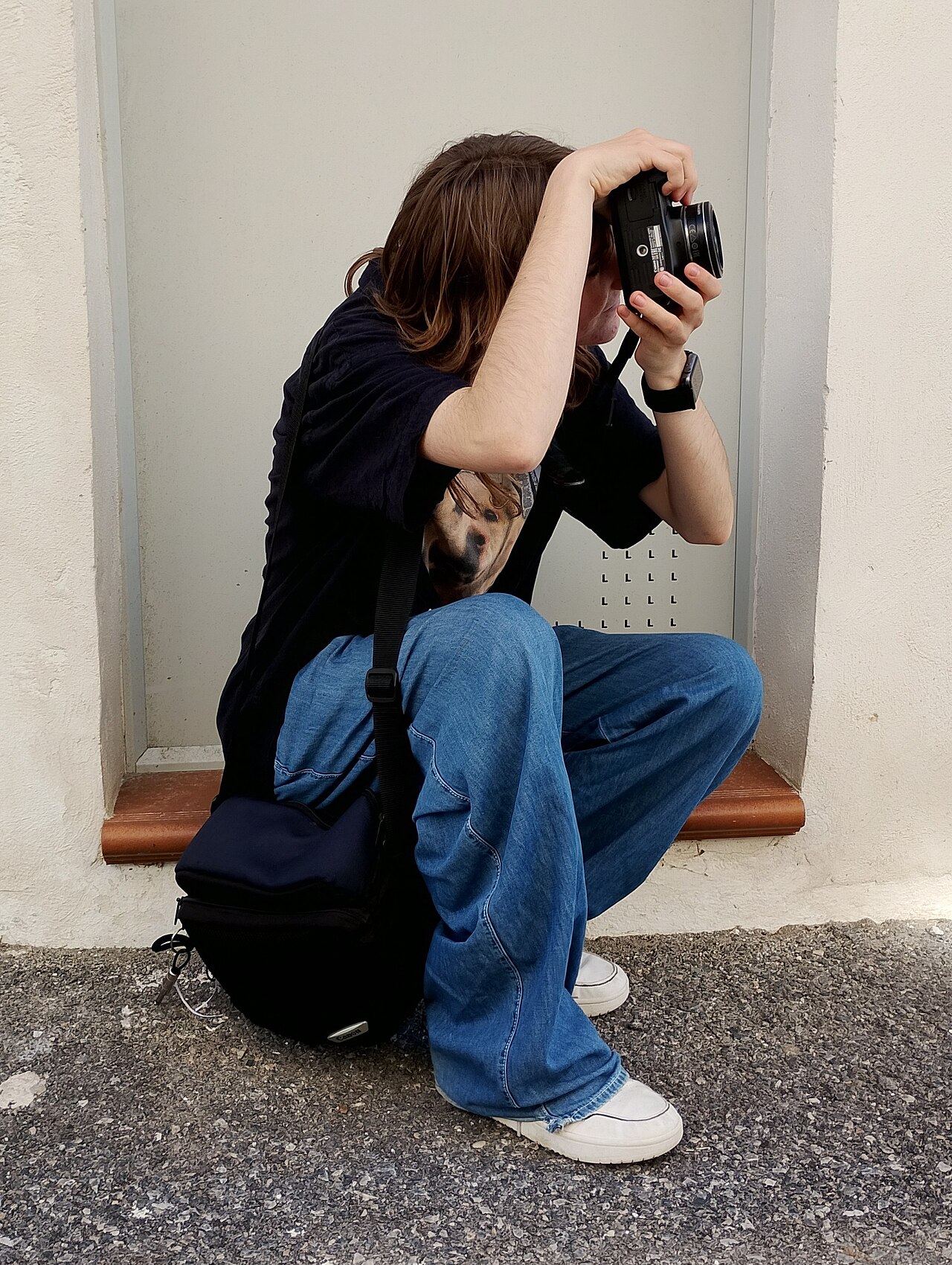
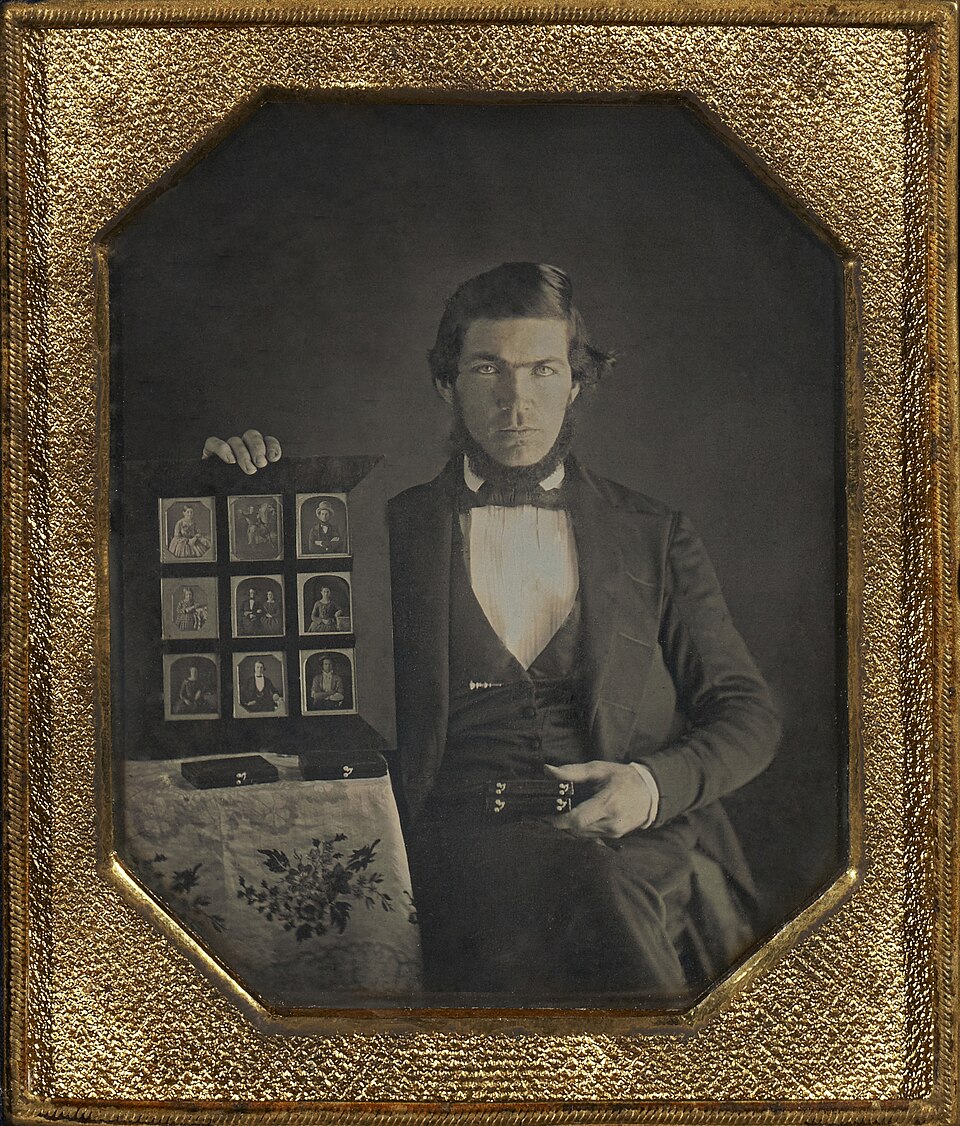
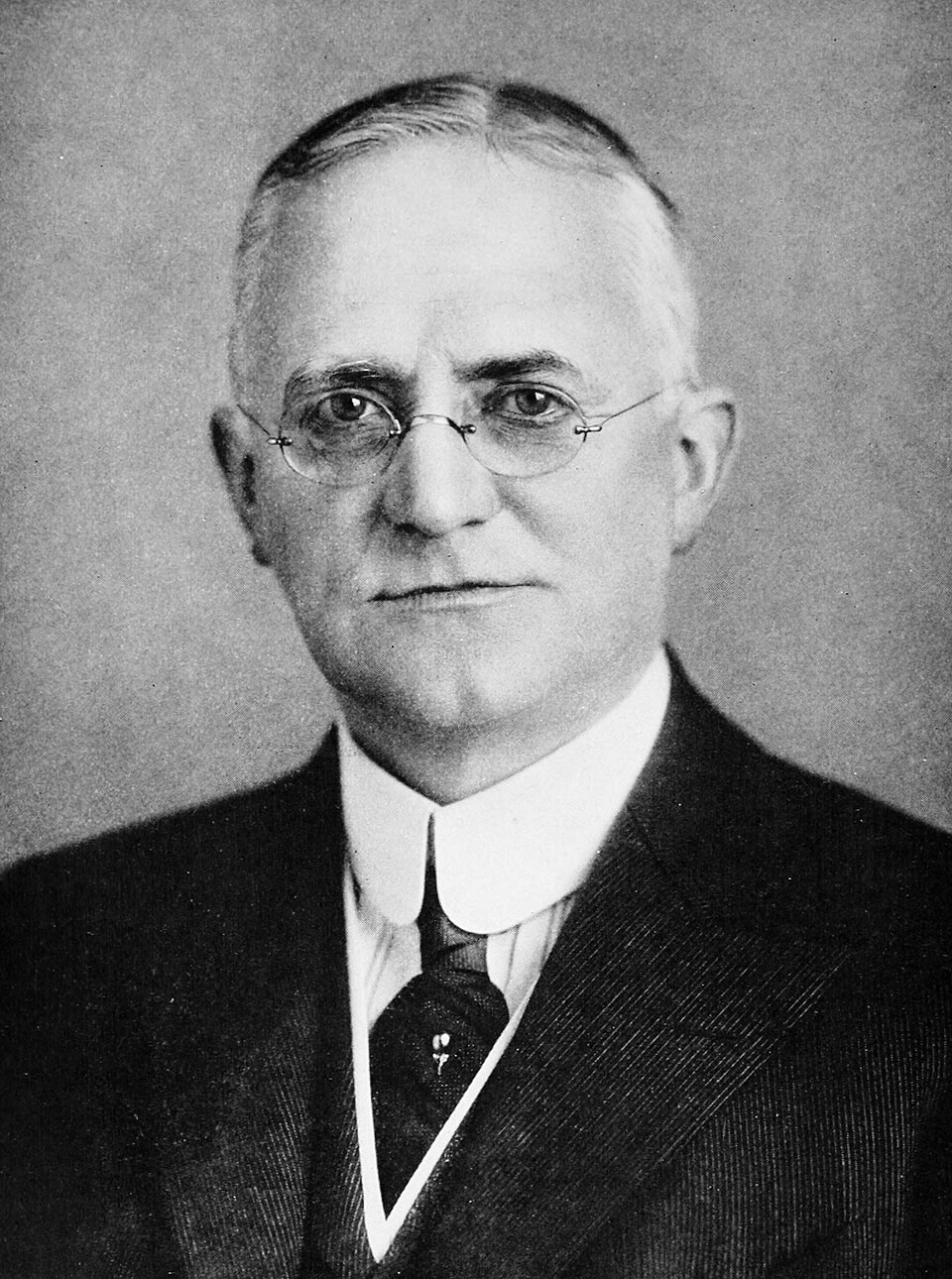
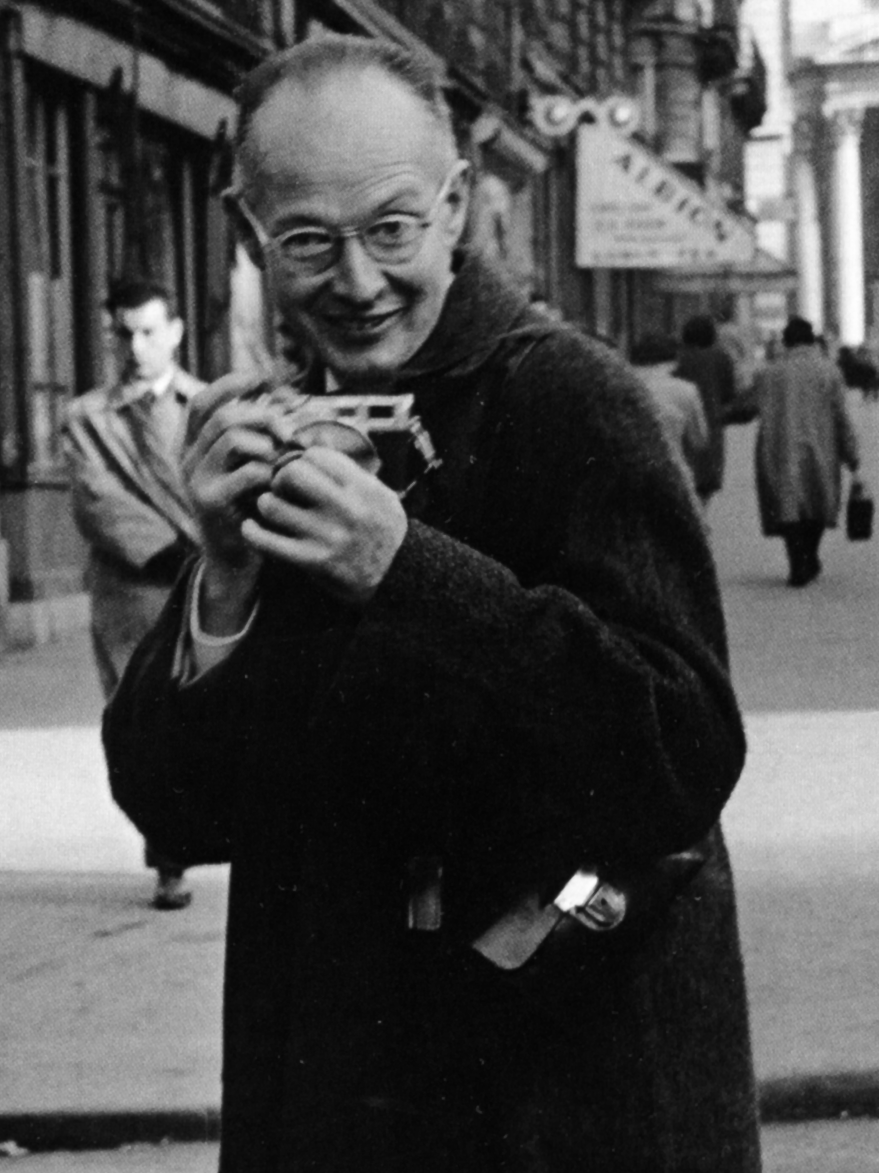
The person paid to decide what a moment looks like — from Niépce's eight-hour exposure in 1826 to two trillion pictures a year, most taken by everyone else.
Also called: Photojournalist · Commercial photographer
Photographer: The person paid to decide what a moment looks like — from Niépce's eight-hour exposure in 1826 to two trillion pictures a year, most taken by everyone else.
"Photography" — drawing with light, a word John Herschel helped fix in English in 1839 — named a trade almost the moment it named a technology. Within months of Daguerre's process being published that year, portrait studios opened in Paris, New York and, within a decade, Bombay, Cairo and Yokohama; by the 1850s the United States alone was producing millions of daguerreotype portraits a year. Few professions have ever gone from nonexistent to global this fast.
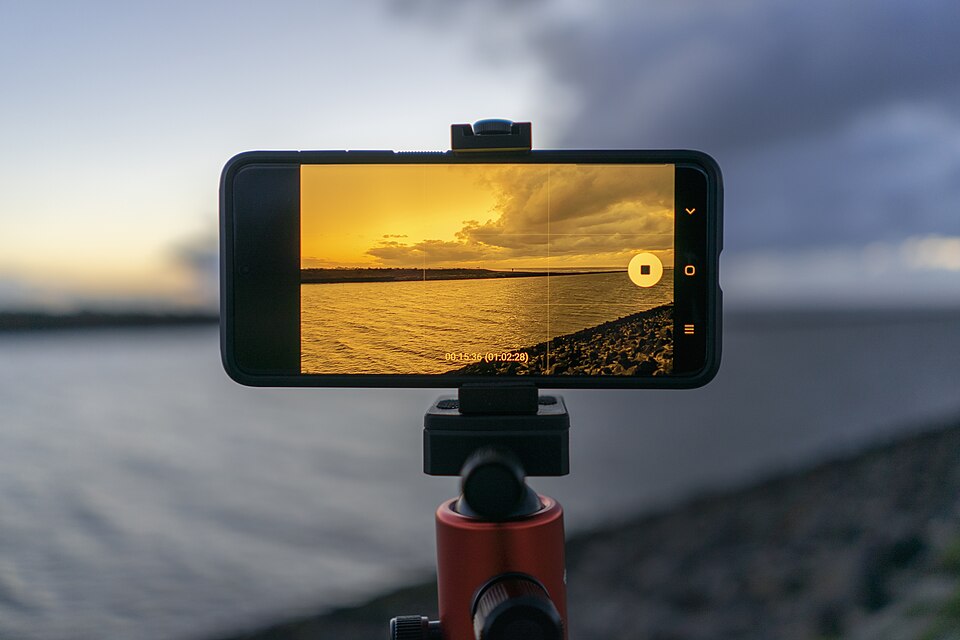
It has also never had a gate. No country licenses photographers, no degree is compulsory, and the profession's only real credential — then and now — is the portfolio. That openness cuts both ways: the trade absorbed ambitious outsiders in every era, and in every era it has been flooded by newcomers with cheaper tools, from the $1 Kodak Brownie of 1900 to the smartphone, which now takes roughly nine of every ten photographs on Earth.
This page follows the working photographer from Niépce's pewter plate through the picture-magazine golden age, Magnum's photographer-owned cooperative and the digital collapse of Kodak, to a market where generative AI can fake almost any image — and where being verifiably present at a real moment is becoming the product itself. It covers the routes in, the craft that separates professionals from owners of good cameras, and what the job pays on four continents.
Inside the profession
Photography is the craft of deciding what evidence, feeling or product detail a frame must carry, then making that decision survive light, time, clients and distribution.
The camera is only one part
A working photographer researches subjects, secures access, plans light, directs people, backs up files, edits and delivers rights-cleared images. The most expensive equipment cannot replace preparation or the ability to make a subject comfortable in a short window.
Style follows an assignment
Editorial portraiture, weddings, fashion, news and product work require different visual languages and business models. Photographers develop a recognisable eye, but repeat work comes from meeting a brief reliably. The portfolio is both art and evidence that a client can trust the process.
Income is a rights problem
Fees, usage licences, prints, retainers and day rates are not interchangeable. Freelancers must price editing time, equipment, insurance and slow months, while staff photographers trade some ownership for steadier access. Clear contracts protect both subject and maker.
Images now need provenance
Phone cameras and generative images increase the volume of visual content, not the need for authentic seeing. Photojournalism especially depends on captions, edits and metadata that preserve context. AI tools can assist workflow, but consent and truthful representation remain human responsibilities.
How the work branches
Five common shapes of the same title — specialty, setting or career path.
Magazines, newspapers and digital media
Editorial photographer
Makes images that explain people, events and ideas within an editorial brief.
Brands and agencies
Commercial photographer
Creates controlled images designed to sell a product or service.
Events and family milestones
Wedding photographer
Combines documentary reflexes with client management in unrepeatable moments.
Editorials and campaigns
Fashion photographer
Directs teams around styling, lighting and a tightly defined visual identity.
Research, medicine and industry
Scientific photographer
Records subjects accurately where technical detail matters more than mood.
How it reads by country
Same craft, different gatekeeping, status and daily texture — rewritten for readers in each language.
United States — freelance markets and usage rights
Large commercial and wedding markets support specialists, but freelance work requires active licensing and insurance management. Newspaper staff roles have contracted, pushing many editorial photographers toward mixed income.
South Korea — studios, idols and fast social formats
Portrait studios, weddings, advertising and entertainment create major markets, alongside rapid social-media production. Retouching expectations can be high, and photographer credit and image rights require careful negotiation.
Japan — publishing, portraits and studio craft
Magazine, advertising, wedding and school-portrait work support distinct niches. Respectful access and long client relationships are important, while compact studios and rental equipment support dense-city production.
Germany — qualifications and privacy
Commercial, editorial and event photographers work within strong privacy and data-protection expectations. Formal vocational routes remain visible, while independent artists often combine commissions with grants or teaching.
United Kingdom — London agencies and regional events
London concentrates fashion, advertising and editorial agencies, but weddings and small-business work are geographically broad. Copyright and contract literacy matter because usage often outlasts the shoot.
Singapore — regional commercial hub
Advertising, hospitality, corporate and food photography serve a compact, international market. Space constraints favour efficient studio production, and regional clients can bring travel and multicultural production demands.
From the archive
Commons CC/PD images self-hosted for this profession.
Why attitude matters here
A photographer's technical command of light and composition gets a portfolio noticed; whether clients rebook them depends on attitude choices made under pressure that a portfolio never shows.
There is usually one chance to get the shot that matters
A wedding's vows, a summit's decisive handshake, a breaking news moment will not happen again for a reshoot. A photographer's attitude toward preparation — scouting light, checking batteries and cards, anticipating a moment rather than reacting to it — determines whether the once-only shot exists at all, and no post-processing skill recovers a moment missed because the photographer was checking a menu setting instead of watching the scene.
The subject usually cannot tell good technique from a good experience
A client rarely knows whether a photographer nailed the technical execution of a shot; they know whether they felt comfortable, directed clearly, and respected during the process that produced it. A technically excellent photographer who is impatient or visibly bored during a shoot loses the referral regardless of the images delivered, because the attitude during the session is the part of the product the client actually experienced firsthand.
Editing choices are invisible acts of honesty or dishonesty no client can audit
How much a face is altered, how a scene's context is cropped out, how a moment is staged versus documented are choices only the photographer makes, alone, at a screen, with no one checking whether the result still represents what happened. Photojournalism ethics scandals and portrait retouching disputes trace to the same private moment: whether the photographer's honesty held when no one was watching the edit.
Stances that hold up under pressure
Five concrete postures the work rewards, not slogans.
Scouts light and backup gear before a shoot that can't be redone
Checking batteries, cards, and the actual light at the actual hour, rather than trusting that gear that worked last time will work again, is unglamorous preparation that only shows its value on the one day something would otherwise have failed.
Directs a nervous subject with patience rather than visible frustration
Staying warm and clear with a subject who is awkward in front of a camera, rather than letting irritation show through repeated takes, is what a client actually remembers about the session, regardless of how technically strong the final images turn out to be.
Discloses significant retouching rather than letting a client assume none occurred
Being upfront about how much a face or a scene was altered, instead of letting a client discover the extent later, protects a trust that, once broken over a single job, doesn't come back for referrals or repeat bookings.
Backs up files immediately, before leaving the location
Confirming images have been copied to a second location before packing up and driving away from an unrepeatable event is a boring habit that has nothing to do with artistic talent and everything to do with whether a wedding's only record survives a card failure.
Turns down a paid job that conflicts with an image's honest context
Declining to shoot or deliver an image in a way that would materially mislead about what actually happened — staging a photojournalism scene as spontaneous, for instance — even when a client wants exactly that, protects a credibility that, once spent, doesn't come back.
Moments that reveal it
Situations that separate résumé language from how someone actually practices.
A camera or a memory card fails mid-shoot at a wedding, midway through the ceremony, with no possibility of redoing any of the vows that already happened moments earlier.
Did the photographer carry and switch smoothly to backup gear they'd already checked beforehand, or did the failure cost images that can never be recovered because a backup wasn't actually verified working?
A client requests retouching — slimming a body, removing a person from a scene — that would materially misrepresent what the photo actually shows, for a context where accuracy genuinely matters, such as journalistic use.
Does the photographer explain why that specific request conflicts with the honest use of the image and decline or push back, or simply deliver exactly what was asked because the client is the one paying for it?
A subject is visibly nervous and stiff in front of the camera, and several repeated takes in a row still aren't producing anything close to a natural expression.
Does the photographer stay patient, adjust their approach, and keep the subject genuinely at ease, or let visible frustration show, which usually makes the subject even more self-conscious and the images worse?
A once-only event — a summit, a birth, a specific unrepeatable light — is happening, and the photographer notices their camera's settings were wrong only after the key moment has already passed by.
Had they scouted and tested the light and their settings beforehand so the moment was ready to be captured immediately, or were they adjusting technical settings reactively while the actual moment unfolded and vanished?
Where "calling" turns harmful
"It's great exposure" is used to replace payment entirely
Clients routinely ask photographers to shoot for free on the premise that the resulting portfolio credit is itself sufficient compensation, leaning on how much they love the craft to justify not paying for the time and skill that produced the images. The same framing pressures working photographers to undercut their own rates because someone else will always shoot for exposure, depressing pay across the field.
The profile
Resists AI55
Pay35
Barrier to entry22
Autonomy88
Demand48
Impact62
How exposed is it to AI?
Moderate
Task by task, the exposure is real but uneven. Generic stock, basic product shots, headshots and much retouching are already automated or nearly so; culling and editing are following fast. What resists is presence-dependent work — events, news, sport, documentary — plus the direction of live human subjects and the accountability of a named witness. Roughly half the traditional task list automates; the half that pays for being physically there does not.
No country requires one, and a large share of working professionals — including many of the most famous — never studied photography formally. Art schools and photojournalism programs teach craft fast and provide networks, but clients hire from the portfolio, not the diploma. The most common route remains some mix of self-teaching, assisting an established photographer, and building a body of work that gets shown around.
How much do photographers actually earn?
The US median was about $41,000 a year in 2023 (Bureau of Labor Statistics), with typical full-time figures around €36,000 in Germany and £28,000 in the UK in 2024. The spread is enormous: assistants may gross under $30,000, while a small elite of advertising and celebrity photographers command five-figure day rates plus image-licensing fees on top.
How long does it take to go professional?
Typically two to five years from first serious camera to steady paid work. The common pipeline — learning exposure and editing, then a year or more assisting or second-shooting, then building a specialty portfolio — has no fixed length because there is no exam at the end. What actually marks the transition is repeat clients: people who hire you a second time at a rate that covers your costs.
What camera do professionals use?
Most working photographers in the 2020s carry full-frame mirrorless bodies from Canon, Sony or Nikon — usually two, because a paid job cannot stop when one fails. But gear is the most overrated part of the craft: light, timing and directing subjects decide the picture. Many respected professionals, Daidō Moriyama among them, have built entire careers on pocket compact cameras.
Is photography a dying career because of smartphones and AI?
The low end is genuinely shrinking: generic stock imagery, basic headshots and simple product shots are being automated away. But work that depends on being physically present at an unrepeatable event — weddings, news, sport, documentary — cannot be generated afterward. The US Bureau of Labor Statistics still projects about 4% employment growth for photographers from 2023 to 2033, roughly the average across all occupations.
What type of photography pays the most?
Advertising and commercial work sits at the top: campaign day rates run from the low thousands of dollars upward, and usage licensing — the fee for how and where images run — often exceeds the shooting fee itself. Established wedding photographers earn solid middle-class incomes in most rich countries; editorial and news photography, despite its prestige, generally pays the least per day of the three.
Do photographers need any license or permit?
No jurisdiction licenses photography itself, but adjacent permissions matter. Commercial drone photography requires certification almost everywhere — the FAA's Part 107 certificate in the United States, EASA registration in the EU. Shooting in national parks, on city streets for commercial purposes, or inside venues frequently requires location permits, and professional work makes business registration, liability insurance and model releases routine paperwork.
What is the hardest part of the job?
Almost every working photographer gives the same answer: the business, not the pictures. Income is irregular, marketing never stops, and every hour of shooting typically produces several hours of unpaid culling, editing and client management. The craft that fills photography courses — exposure, lighting, composition — is the smallest part of a professional week, which is why so many technically gifted photographers fail commercially.
Embed this ranking
Paste this code into your blog or site — the ranking stays up to date.