
Newsrooms
Print, broadcast, digital.
Verification under deadline — reporting, ethics and the infrastructures that carry news.
Also called: News journalism · Media studies practice
Reviewed 2026-08-08·Media credits
Darker cells mean a higher score for this topic on that metric.
LessMore
Each bar is a 0-100 atlas score for this topic, not a timeline.
Last reviewed Sources & creditsMedia creditsMethodology
Journalism is verification under deadline — reporting, ethics and the infrastructures that carry news. Sources and documents beat vibes; legal risk is part of the syllabus.
Newsrooms, edit suites and radio/TV labs define practice-heavy programmes; pure media-studies theory tracks exist and should be labelled honestly. Night deadlines are normal.
Outcomes include reporting, editing, communications and documentary-adjacent work. Relative scores only.
Typical bachelor years: 4
Scores are relative across the forty majors on this site — not absolute rankings of universities.
Popularity & Demand →Sectors where graduates and research from this field show up most often — plates from Wikimedia Commons.
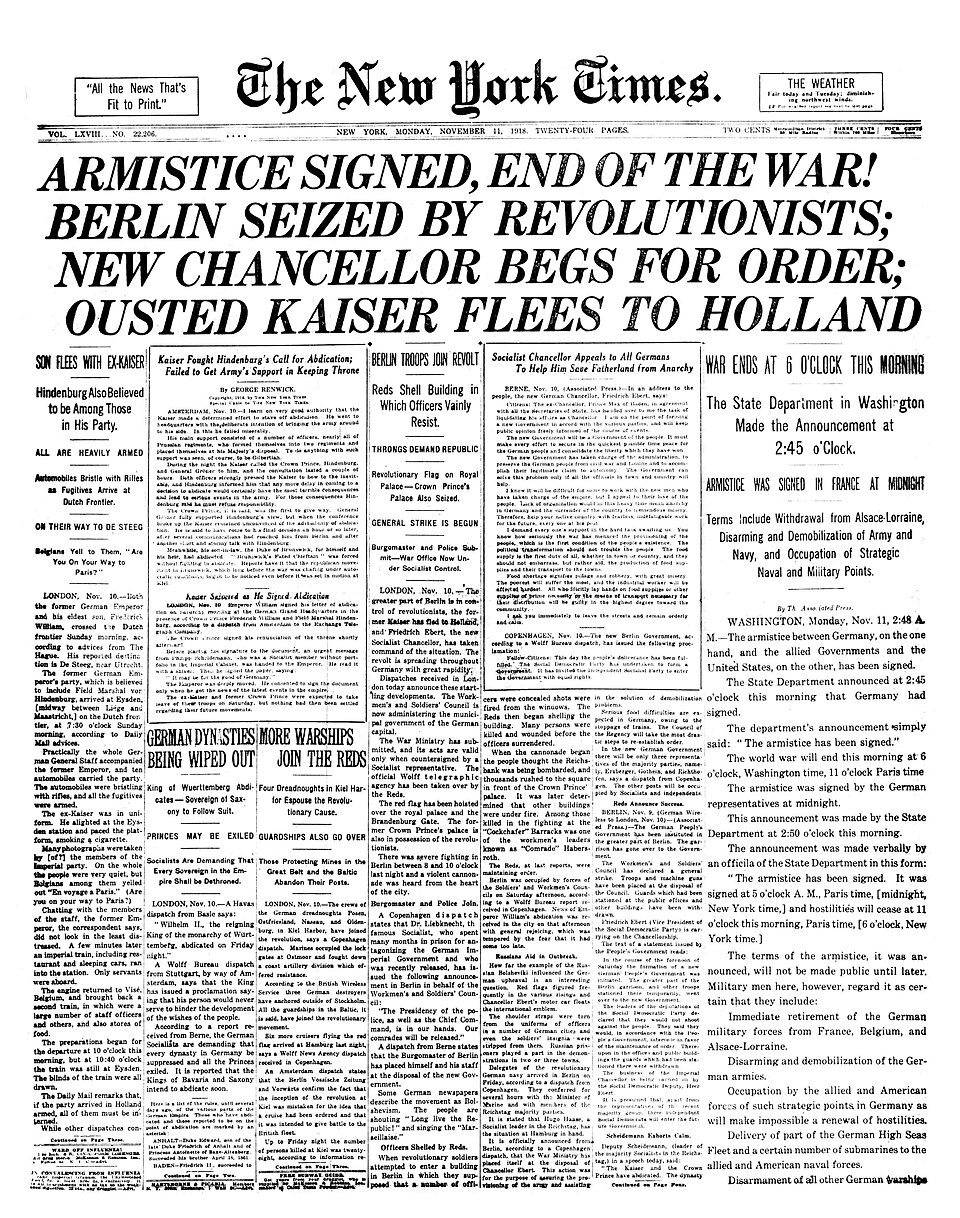
Print, broadcast, digital.
Long-form accountability.
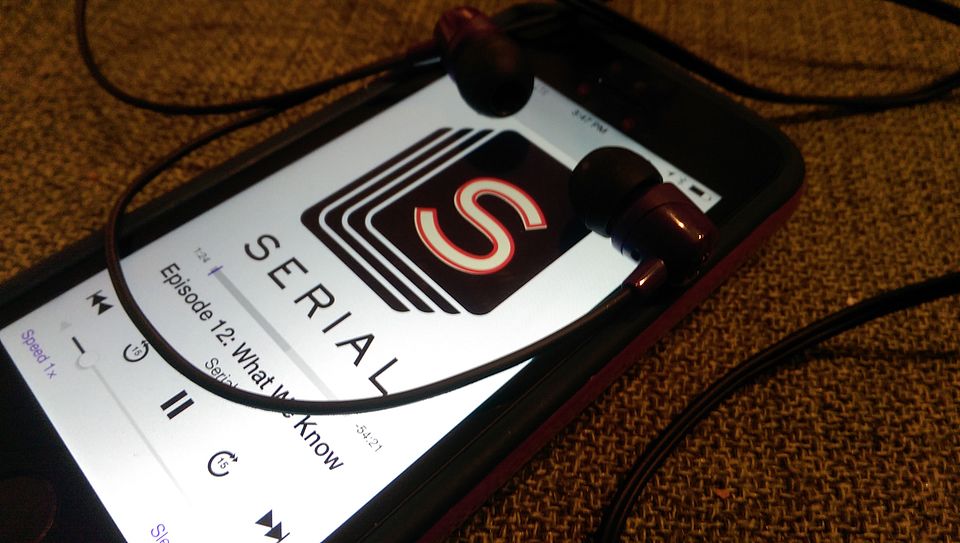
Narrative and daily briefing.
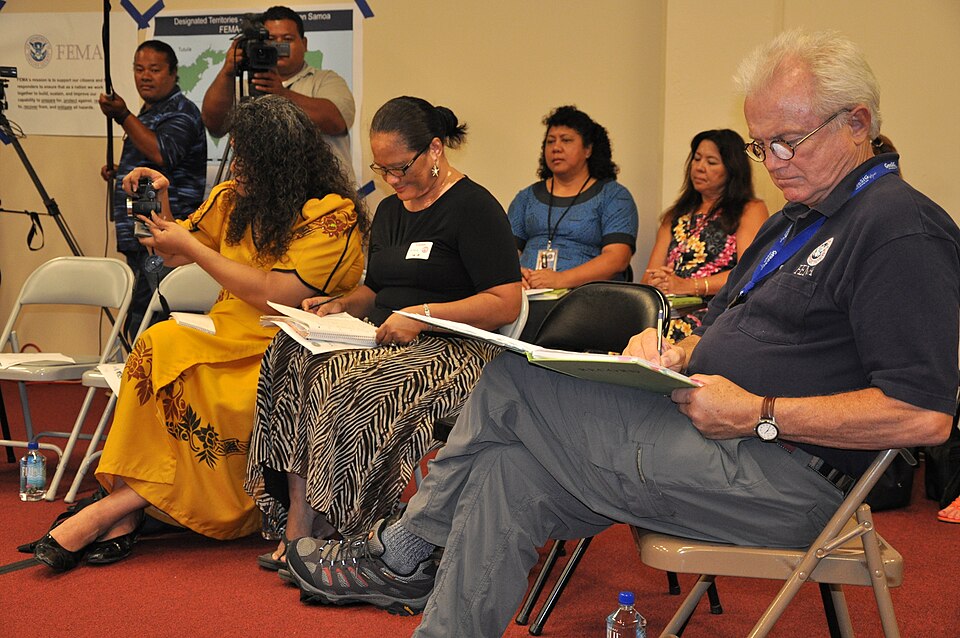
Message craft next door.
Checkable figures whose work still frames how the discipline is taught and practised.

Undercover reporting
1864–1922
H. J. Myers, photographer · Public domain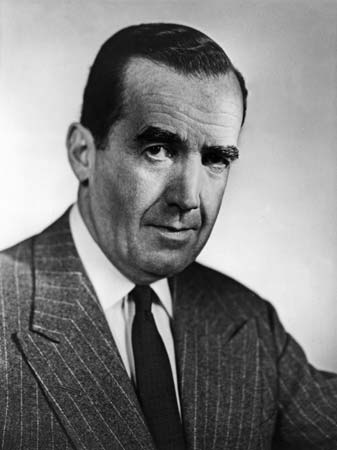
Broadcast news
1908–1965
US Information Agency · Public domain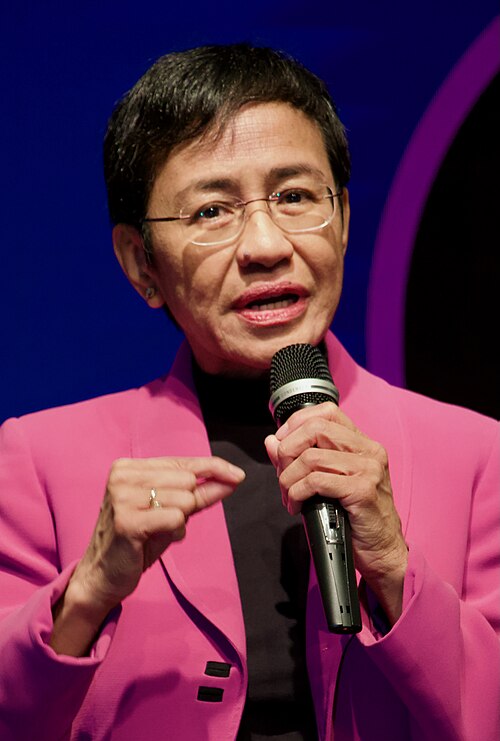
Press freedom
1963–
Xuthoria · CC BY-SA 4.0
Investigative reporting
1943–
Maryland GovPics · CC BY 2.0Same-field head-to-heads built from the six score axes.
Why labels are thematic — not a ranking of better majors.
Scores are browsing aids for curriculum and career lanes, not a league table of worth.
Close reading across centuries — form, history and the arguments texts still pick with us.
Employability 52 Same field neighbourEvidence from the dead — archives, argument and the politics of which past gets told.
Employability 54 Same field neighbourClose reading across centuries — form, history and the arguments texts still pick with us.
Employability 52 🏺Evidence from the dead — archives, argument and the politics of which past gets told.
Employability 54 💭Arguments about mind, value, knowledge and reality — clarity as a professional habit.
Employability 48 🗣️How language works — sound, structure, meaning and the societies that speak.
Employability 62