Marketer: The professional who creates demand — from Pompeii's painted walls and P&G's 1931 brand-man memo to the auction-driven feeds of the digital era.
Selling is ancient; "marketing" as a named discipline is barely a century old. The walls of Pompeii carried painted commercial notices before Vesuvius sealed them in 79 CE, and a needle shop in Song-dynasty Jinan printed wrapping paper with a white-rabbit trademark a thousand years ago. But the job in its modern sense — one person accountable for a brand's demand — dates precisely to a three-page memo Neil McElroy wrote at Procter & Gamble in 1931.
Unlike surgery or law, marketing has no license, no bar exam and no protected title. Anyone can call themselves a marketer, which is exactly why the profession runs on demonstrated results instead of credentials: campaigns with numbers attached, brands that measurably grew. The work now splits into broad families — brand building, performance marketing, content, product marketing, research — that share one job description: understand why people buy, then make more of them do it.
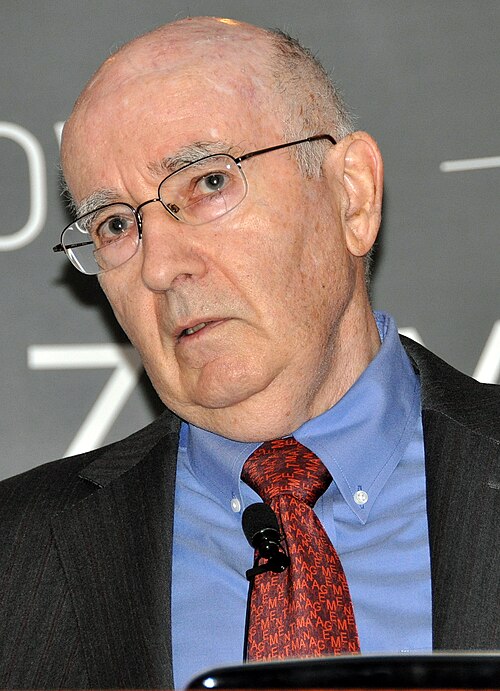
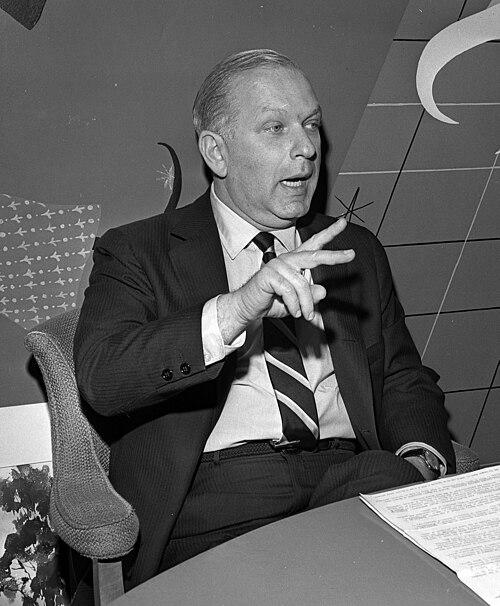
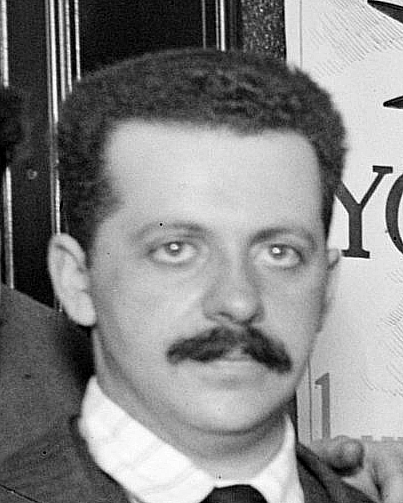
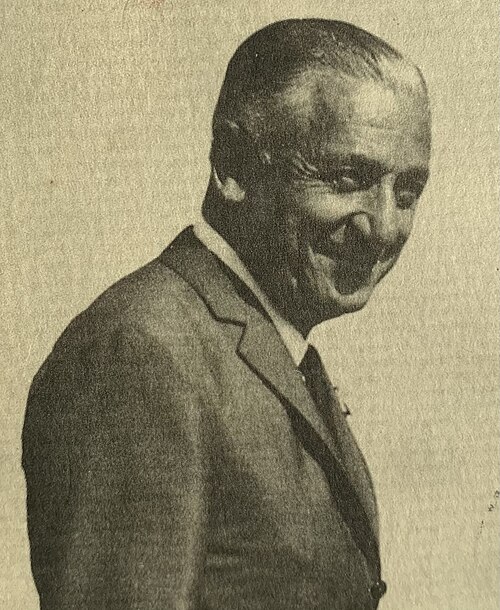
This page follows the trade from town criers and patent-medicine showmen through Madison Avenue's creative revolution, the 4 Ps and the first banner ad, to today's auction-driven, AI-assisted feeds. It covers how people actually get in, what the day-to-day work involves, the eight practitioners who shaped the craft, what a marketer earns from São Paulo to Singapore, and — bluntly — how much of the job machines are already doing.
Inside the profession
Marketing is the professional practice of creating, measuring and adapting demand — positioning, channels, creative and evidence — under budget and brand constraints that punish vanity metrics as harshly as silence.
Demand is engineered, not wished
Marketers translate a product's real advantages into messages, offers and placements that reach people who might care, then measure whether attention became consideration or waste. The craft spans brand systems, performance auctions, retail media, PR and community work. A campaign that wins awards but moves no inventory is incomplete; a funnel that converts by misleading claims is a liability waiting for regulators and reviews. From P&G's brand-man model to today's always-on digital mix, the durable skill is connecting spend to a falsifiable outcome without confusing correlation for causality.
Channels rewrite the job every few years
Search, social, CTV, influencers, email, retail media and offline each impose different creative unit economics and attribution problems. Platform algorithm changes can erase a playbook overnight. Marketers who only know one channel become brittle; marketers who understand customer insight, offer design and creative testing travel better across tools. Privacy shifts — cookie deprecation, consent regimes, app-tracking rules — keep forcing measurement redesign. The profession's public face is campaigns; its private work is experiments, briefs, vendor negotiations and the politics of which metric the organization will treat as truth.
Brand and performance are not enemies
Short-term conversion pressure and long-term brand building pull budgets in opposite directions inside most companies. Effective marketers argue for a portfolio: memory structures and distinctive assets on one side, efficient response on the other, with evidence rather than tribal loyalty. Category dynamics matter — a performance-heavy approach that works for a commodity subscription may destroy a luxury house. The craft includes knowing when a price promotion trains customers to wait, and when a brand film is theater without commercial logic. Judgment lives in the allocation meeting, not the mood board alone.
Automation raises the cost of taste and ethics
Bidding algorithms, generative creative and automated reporting compress production time and flood channels with near-identical assets. What remains scarce is deciding which claim is true, which audience targeting is creepy rather than useful, and which test design will actually answer the business question. Marketers who cannot read a lift study or spot a broken UTM will be steered by dashboards. Regulators, platforms and journalists increasingly police deception. The future premium is on marketers who can still say no to a high-ROAS tactic that damages trust.
How the work branches
Five common shapes of the same title — specialty, setting or career path.
CPG, retail and consumer companies
Brand marketer
Owns positioning, identity systems and long-horizon campaigns that build memory and preference.
Digital-native and e-commerce teams
Performance / growth marketer
Runs paid acquisition, experimentation and funnel optimization against measurable conversion goals.
Technology and B2B firms
Product marketer
Translates product capability into positioning, launches, sales enablement and competitive narrative.
Corporate and agency settings
Communications / PR marketer
Shapes earned media, reputation and stakeholder narrative under scrutiny and crisis risk.
Creative and media agencies
Agency strategist or account lead
Connects client brief, creative, media and measurement across multiple brands under fee pressure.
How it reads by country
Same craft, different gatekeeping, status and daily texture — rewritten for readers in each language.
United States — brand legacy and platform auctions
US marketing careers span Madison Avenue heritage, West Coast growth teams and large in-house brand organizations. FTC advertising rules, platform ad ecosystems and a deep agency market structure day-to-day practice and measurement debates.
South Korea — fast digital culture and chaebol brands
Korean marketers operate in a dense mobile-first media environment with influential platform and celebrity ecosystems. Domestic conglomerates and global beauty/tech exporters demand rapid campaign cycles and careful celebrity/IP risk management.
Japan — agency keiretsu and careful brand voice
Japan's marketing world still reflects strong agency relationships, television heritage and meticulous brand tone. Digital growth is real, but consensus processes and reputation sensitivity shape how aggressively claims and humor are used.
Germany — Mittelstand brands and strict privacy
German marketers work under comparatively strict privacy and advertising norms, with strong industrial and Mittelstand brand cultures. Evidence-led media planning and caution around personal data are professional survival skills, not optional ethics slides.
United Kingdom — creative reputation and IPA craft
The UK punches above its weight in creative advertising culture, effectiveness research and agency exports. Marketers navigate ASA rules, a sophisticated retail-media shift and London-centric networks that still influence global brand practice.
Singapore — regional hub for Asia campaigns
Singapore hosts regional marketing HQs coordinating SEA and broader Asia launches. Multilingual audiences, diverse platforms and careful navigation of local advertising standards make hub roles both strategic and operationally complex.
From the archive
Commons CC/PD images self-hosted for this profession.
Why attitude matters here
Marketing tools can buy attention; whether the attention was earned honestly, measured honestly and spent on a claim the product can keep depends on attitudes that dashboards cannot enforce.
Customers pay for the promise, not the media plan
A campaign that overstates a benefit, buries a material limitation or uses social proof that was manufactured will convert until refunds, regulators or reviewers catch up. The marketer usually knows which line is elastic and which is false before the public does. Attitude toward truth in claims is therefore load-bearing: skill without restraint simply scales deception more efficiently.
Attribution politics reward self-serving stories
Inside companies, channels compete for budget by telling the friendliest version of their contribution. A marketer who will not challenge a last-click fairy tale, a vanity engagement spike or a geo-test that was never randomized protects their team's narrative at the expense of the company's learning. The organization then keeps funding what looked good, not what worked.
Creative and vendor incentives pull toward spectacle
Agencies and platforms profit from volume, novelty and spend. Whether an in-house marketer insists on a clear brief, a falsifiable test and a kill criteria — or greenlights work because it is impressive in the room — decides whether marketing remains a commercial discipline. The pressure to approve is social; the cost of weak work arrives later as wasted budget and brand damage.
Stances that hold up under pressure
Five concrete postures the work rewards, not slogans.
Kills a claim the product team will not stand behind
Removes or rewrites an ad line when engineering, legal or customer support says the promise exceeds what the product reliably delivers, even if the line tested well creatively and the growth team is hungry for the conversion lift it would buy.
Designs tests that can falsify the team's favorite channel
Builds experiments with holdouts, geo splits or incrementality logic capable of showing a sacred channel does little, rather than only reporting last-click or platform-reported metrics that structurally cannot lose and therefore cannot teach.
Discloses material terms in the same frame as the offer
Puts price conditions, eligibility limits, auto-renewal terms and risk warnings where a reasonable person will see them in the creative unit, instead of reserving honesty for a footer, modal or terms page designed not to be read.
Refuses manufactured urgency that is not real
Blocks countdown timers, fake scarcity, false 'only 2 left' inventory claims and fabricated social proof when pricing or stock does not support them, treating trust and review integrity as balance-sheet assets rather than optional brand poetry.
Credits agencies and creators without stealing the win
Names partners accurately in case studies, award entries and internal postmortems, resisting the habit of rewriting collaborative work as a purely in-house triumph that makes next year's budget politics easier and freelancers disposable.
Moments that reveal it
Situations that separate résumé language from how someone actually practices.
A high-performing ad set uses a before/after visual that the product cannot reproduce for typical customers under normal use.
Does the marketer pause the set and rebuild creative around honest outcomes with product sign-off, or keep spending because CAC is finally on target, legal has not complained yet and the creative team already booked the concept as a win?
Finance asks for a simple ROI story and the only available dashboard attributes revenue in a way the marketer knows over-credits paid social.
Does the marketer present the limitation, show the bias and ask for a better measurement design, or deliver the flattering chart that protects next quarter's budget and the team's headcount narrative?
An influencer partner offers a large conversion bump in exchange for hiding that a post is paid.
Does the marketer require clear disclosure aligned with advertising rules and platform norms, or accept the 'authentic' framing because competitors are running the same dark pattern and growth leadership wants parity?
A brand campaign is beloved internally but a pre-registered test shows no lift against control after sufficient spend.
Does the marketer recommend cutting or redesigning it with the evidence in hand, or keep defending the work because senior stakeholders already used the film in an all-hands and killing it would look like disloyalty?
Where "calling" turns harmful
"Passion for brands" as cover for unpaid internships and endless trials
Marketing cultures recruit on glamour — campaigns, mood boards, breaking in — then convert desire into unpaid internships, speculative pitch labor and trial months that produce real deliverables without wages. Passion talk shames people who ask about overtime or refuse free speculative creative, especially juniors trading portfolio hunger for agency labor costs.
The profile
Resists AI38
Pay62
Barrier to entry35
Autonomy55
Demand70
Impact55
How exposed is it to AI?
High
A large share of marketing's daily tasks — media buying, routine copy and asset production, reporting, audience segmentation — is already automated or clearly automatable, which is why this score sits in the exposed half of the sixty professions here. What keeps it from rising higher is the judgment core: positioning strategy, creative taste, cultural timing and internal persuasion remain human, and accountability for a brand's growth still needs a name attached.
A marketer is responsible for demand: identifying who might buy a product, understanding why, and orchestrating everything — positioning, pricing input, advertising, content, distribution choices — that turns that understanding into sales. Day to day the work ranges from writing creative briefs and reviewing ads to analyzing campaign dashboards, running research and negotiating budgets. The mix depends heavily on whether the role is brand, performance, content or product marketing.
Do you need a degree to become a marketer?
No law requires one anywhere, and the field has no license. In practice most corporate marketers hold a bachelor's degree — marketing, business, psychology, communications — because large employers screen for it. But agencies and startups routinely hire on portfolio and results instead: a self-run campaign, a channel you grew, ad-platform certifications. Marketing remains one of the few well-paid professions where demonstrated work can substitute for formal credentials.
How much do marketers earn?
It varies by country, seniority and specialty. In the United States, the Bureau of Labor Statistics put the 2023 median for advertising, promotions and marketing managers at roughly $157,000, while entry-level coordinators typically start around $45,000–$55,000. UK marketing managers commonly earn £45,000–£65,000 (2024); Indian brand managers far less in dollar terms. Large-company CMOs earn several hundred thousand dollars before bonus and equity.
What is the difference between marketing and advertising?
Advertising is one tool inside marketing. Marketing covers the whole demand system — which product to offer, at what price, through which channels, to which segment, with what positioning — while advertising is specifically the paid promotion of that offer. E. Jerome McCarthy's 1960 formulation of the 4 Ps made the distinction standard: advertising lives inside just one P, promotion. Many marketers never buy an ad at all.
What are the 4 Ps of marketing?
Product, price, place and promotion — the four levers a marketer controls, formulated by E. Jerome McCarthy in his 1960 textbook Basic Marketing and spread worldwide through Philip Kotler's Marketing Management from 1967 onward. The framework's point is that promotion alone cannot rescue the wrong product at the wrong price in the wrong channel. Later variants add Ps like people and process, but the original four remain the field's shared grammar.
Will AI replace marketers?
It is already replacing large parts of the work: media buying went programmatic years ago, and generative models now draft copy, produce ad variants and assemble reports. What resists automation is judgment — choosing a position competitors cannot copy, sensing what a culture will find fresh rather than embarrassing, and persuading a board to fund a strategy. Marketers who only execute channels face real displacement; those who own strategy less so.
How do I get into marketing with no experience?
Create the experience yourself — the field is unusual in allowing it. Run a small real campaign: grow a social account, take Google's and Meta's free certifications and manage a tiny ad budget for a local business, write measurable content. Agencies and startups hire on this kind of proof. Internships remain the main corporate door, and portfolio schools such as Miami Ad School exist for the creative track.
Is marketing a good career?
It offers low barriers, wide industry choice and a genuine path to executive pay — the CMO seat — without a decade of licensed training. The trade-offs are equally real: entry-level pay is modest, results are publicly measurable so accountability is constant, and the toolset churns every few years. Average Fortune 500 CMO tenure was about 4.2 years in 2023, the shortest in the C-suite. It rewards the perpetually curious.
Embed this ranking
Paste this code into your blog or site — the ranking stays up to date.