
Clinical practice
Assessment and therapy.
Mind and behaviour — experiments, clinics and the limits of what self-report can tell.
Also called: Psychological science
Reviewed 2026-08-08·Media credits

Darker cells mean a higher score for this topic on that metric.
LessMore
Each bar is a 0-100 atlas score for this topic, not a timeline.
Last reviewed Sources & creditsMedia creditsMethodology
Psychology studies mind and behaviour with experiments, clinics and the limits of self-report. Methods training decides whether your claims travel; pop-psych language does not.
Research labs, observation rooms and, on clinical tracks, supervised practicum sites matter. Online coursework can cover theory; licensure almost always needs face-to-face hours.
Paths include further clinical training, HR/UX-adjacent roles, research and education. Scores are relative among forty majors.
Typical bachelor years: 4
Scores are relative across the forty majors on this site — not absolute rankings of universities.
Popularity & Demand →Sectors where graduates and research from this field show up most often — plates from Wikimedia Commons.
Assessment and therapy.

Hiring and workplace design.
Behaviour in products.

Learning and assessment.
Checkable figures whose work still frames how the discipline is taught and practised.
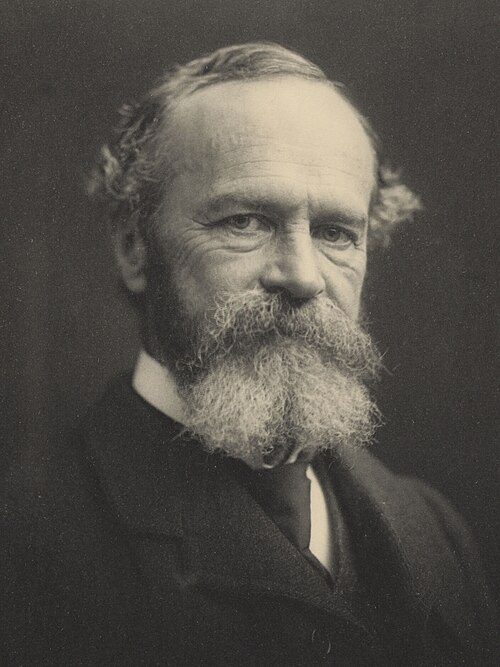
Pragmatist psychology
1842–1910
Notman Studios (photographer) · Public domain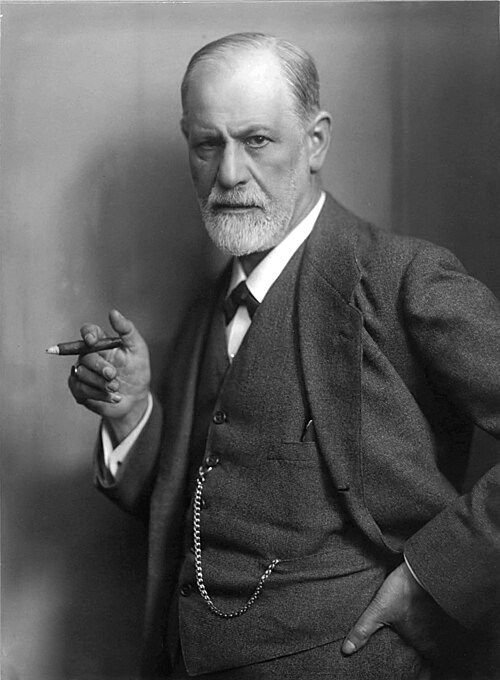
Psychoanalysis
1856–1939
Max Halberstadt · Public domain
Cognitive development
1896–1980
Unidentified (Ensian published by University of Michigan) · Public domain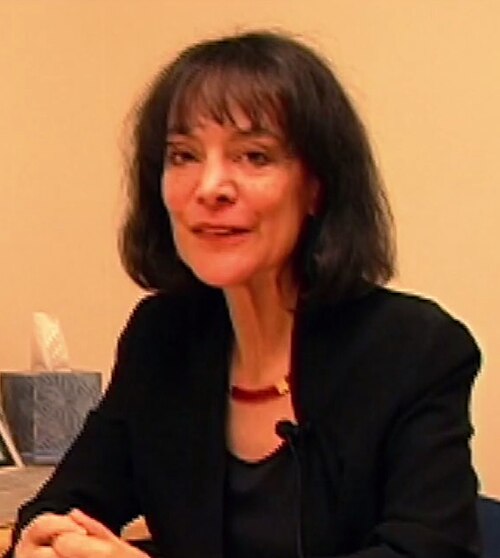
Mindset research
1946–
Satheesh Gopalan · CC BY-SA 3.0Same-field head-to-heads built from the six score axes.
Why labels are thematic — not a ranking of better majors.
Scores are browsing aids for curriculum and career lanes, not a league table of worth.
Health of populations — epidemiology, policy, prevention and the politics of who gets care.
Employability 78 Same field neighbourContinuous care at the bedside and in the community — assessment, advocacy and stamina.
Employability 96 Same field neighbourDiagnosing and treating illness — science, judgement and long apprenticeship at the bedside.
Employability 90 💉Continuous care at the bedside and in the community — assessment, advocacy and stamina.
Employability 96 💊Medicines from molecule to patient — chemistry, counselling and systems that keep doses safe.
Employability 86 🏥Health of populations — epidemiology, policy, prevention and the politics of who gets care.
Employability 78