
Civil aviation
Airliners and MRO.
Flight in air and vacuum — structures, propulsion, guidance and certification.
Also called: Aeronautical engineering · Astronautical eng.
Reviewed 2026-08-08·Media credits
Darker cells mean a higher score for this topic on that metric.
LessMore
Each bar is a 0-100 atlas score for this topic, not a timeline.
Last reviewed Sources & creditsMedia creditsMethodology
Aerospace engineering covers flight in air and vacuum — aerodynamics, structures, propulsion, guidance and the certification language that decides what may fly. Mistakes are expensive; documentation is part of the craft.
Wind tunnels, structures labs and project teams (rockets, UAVs, satellites) compete for scarce bay time. Many programmes partner with agencies or industry for capped seats and security clearances on some tracks.
Graduates enter OEMs, suppliers, defence-adjacent roles, research and occasionally flight-test paths. Relative scores compare majors here only.
Typical bachelor years: 4
Scores are relative across the forty majors on this site — not absolute rankings of universities.
Popularity & Demand →Sectors where graduates and research from this field show up most often — plates from Wikimedia Commons.
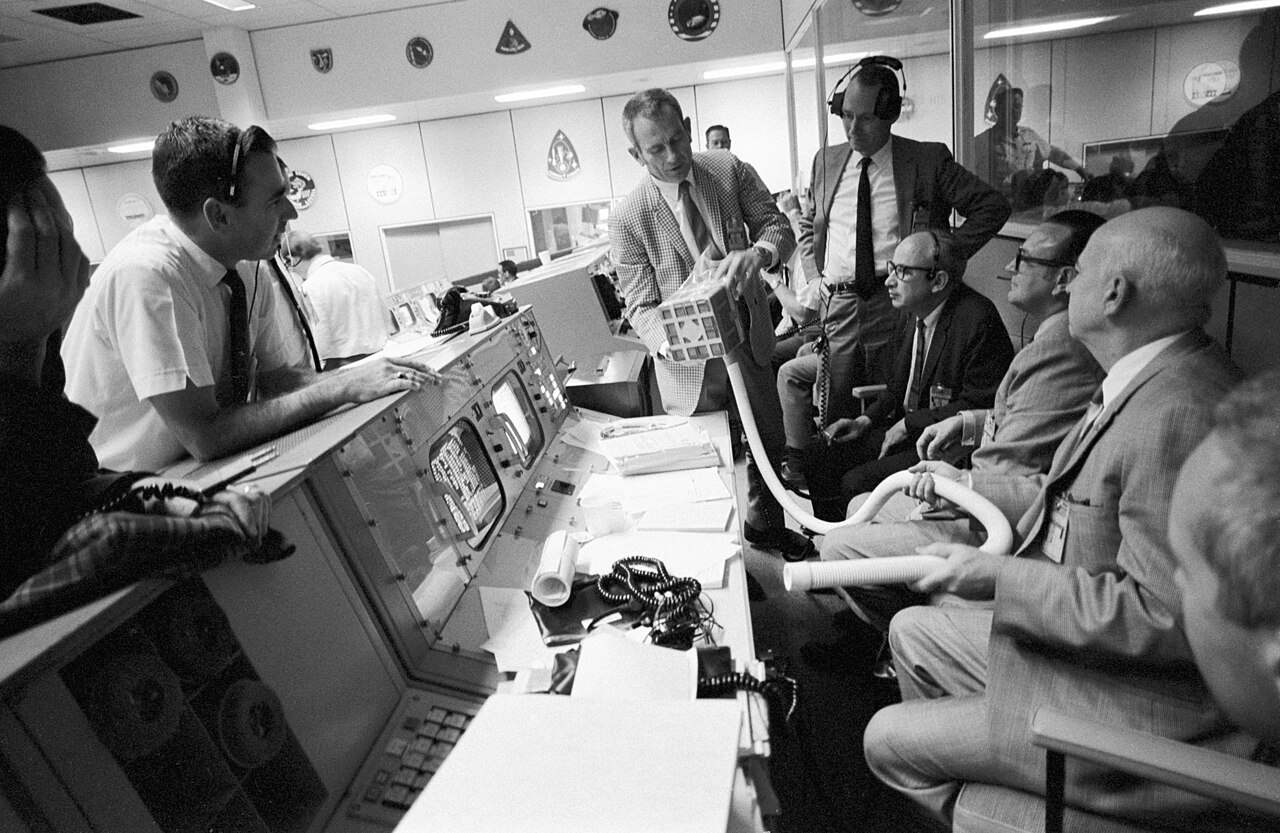
Airliners and MRO.

Launch, sats and ground.
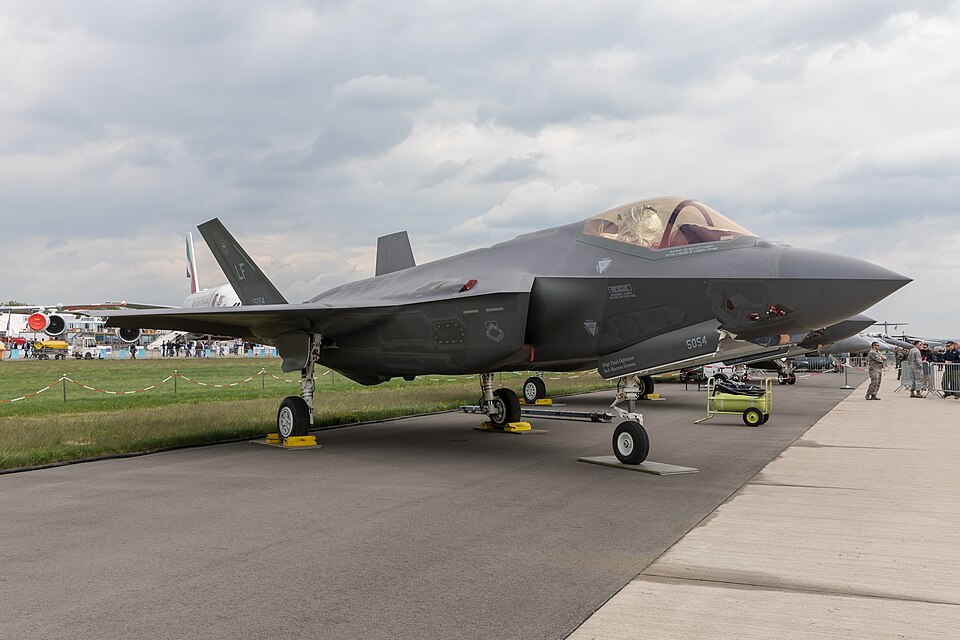
Military air and missiles.
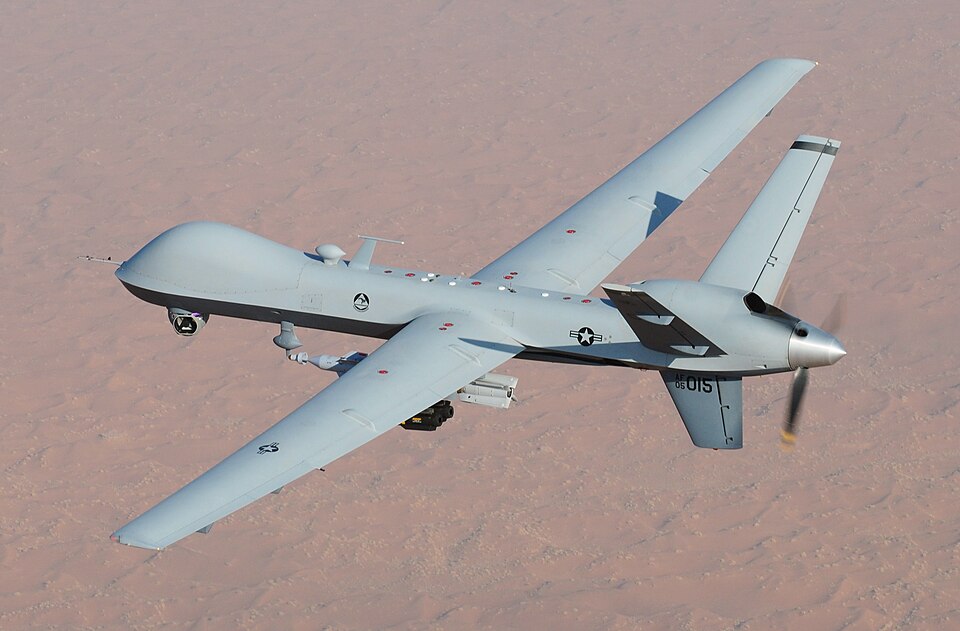
Autonomy and light airframes.
Checkable figures whose work still frames how the discipline is taught and practised.
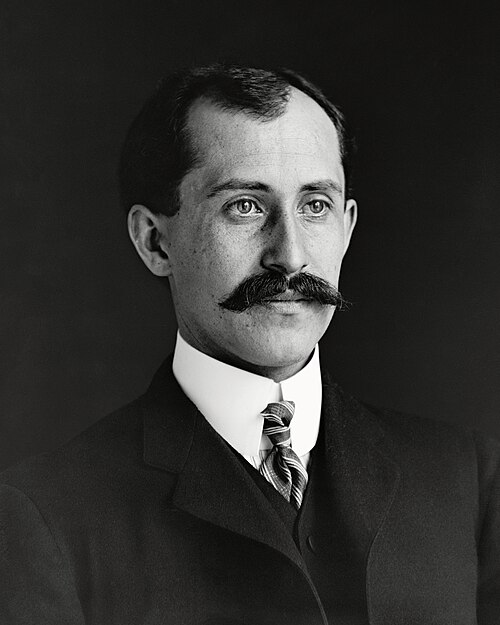
Powered flight
1867–1948
Orville Wright and Wilbur Wright (credited as photographers) [1] , [2] · Public domain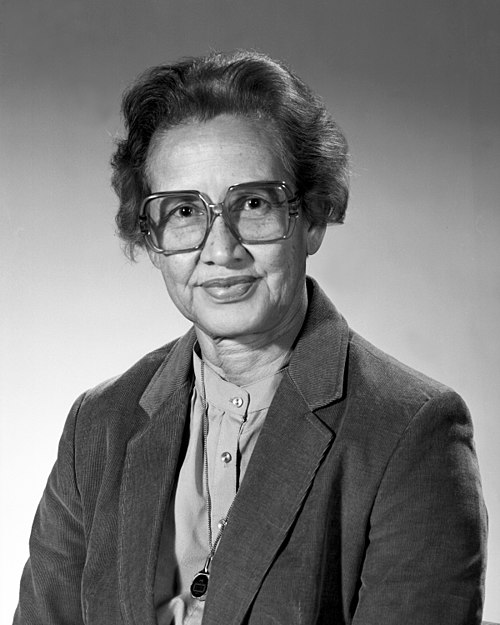
NASA trajectory
1918–2020
NASA · Public domain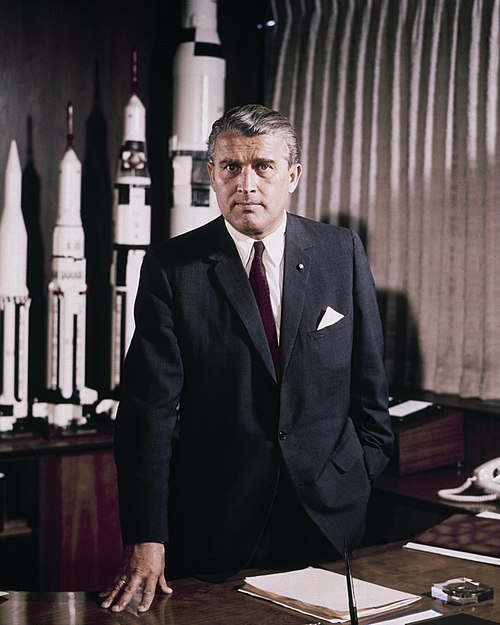
Rocketry
1912–1977
NASA/MSFC · Public domain
Reusable launch
1971–
Gage Skidmore · CC BY-SA 4.0Same-field head-to-heads built from the six score axes.
Why labels are thematic — not a ranking of better majors.
Scores are browsing aids for curriculum and career lanes, not a league table of worth.
Matter, energy, space and time — from lab benches to the edge of the observable.
Employability 68 Same field neighbourProof, structure and abstraction — the language that other sciences borrow.
Employability 70 Same field neighbourAlgorithms, systems and software — how machines are made to reason, store and communicate.
Employability 94 ⚡Circuits, fields and signals — powering, sensing and communicating the physical world.
Employability 88 🔧Forces, materials and machines — designing things that move, bear load and last.
Employability 86 🌉Infrastructure that societies stand on — bridges, water, roads, cities and codes.
Employability 84 ⚗️Turning reactions into plants — scale, safety and efficiency from molecule to factory.
Employability 82 📊Statistics, computing and domain sense — turning messy data into decisions that hold up.
Employability 92 🧮Proof, structure and abstraction — the language that other sciences borrow.
Employability 70 ⚛️Matter, energy, space and time — from lab benches to the edge of the observable.
Employability 68 🧪Molecules and reactions — how substances change, bind and are made safely.
Employability 72 📉Uncertainty made usable — design, inference and the ethics of claiming a pattern is real.
Employability 88