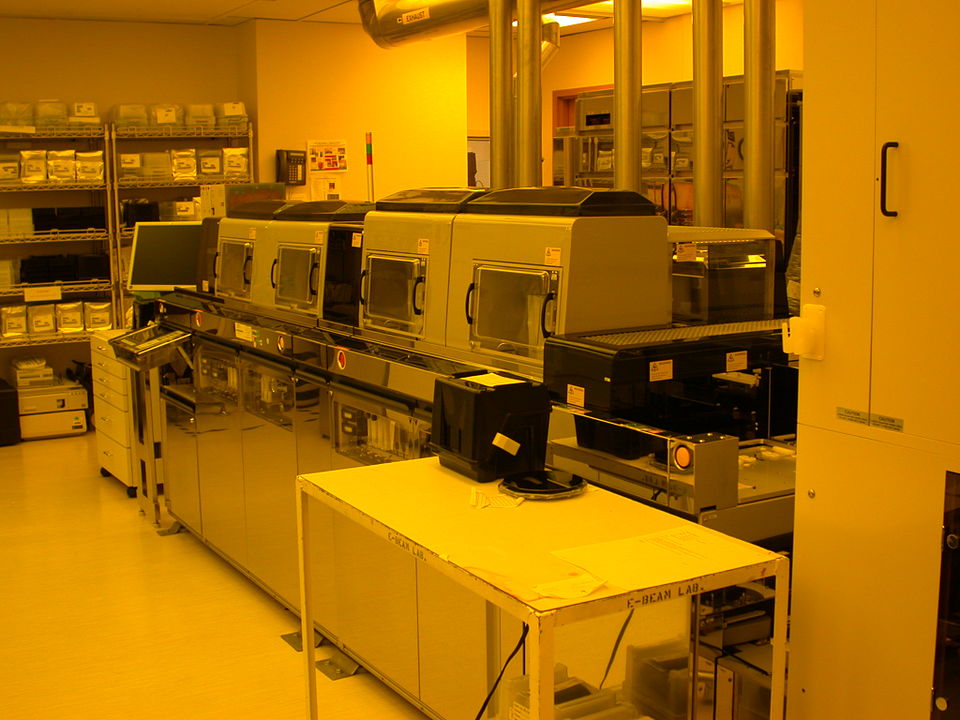
Semiconductors
Devices rooted in solid-state physics.
Matter, energy, space and time — from lab benches to the edge of the observable.
Also called: Natural philosophy
Reviewed 2026-08-08·Media credits
Darker cells mean a higher score for this topic on that metric.
LessMore
Each bar is a 0-100 atlas score for this topic, not a timeline.
Last reviewed Sources & creditsMedia creditsMethodology
Physics asks how matter, energy, space and time behave — from lab benches to cosmology — with measurement and modelling as the daily craft. Uncertainty estimates are not optional decoration.
Teaching labs, optics or condensed-matter suites and computing clusters define access; research groups take undergraduates unevenly. Night shifts on apparatus are common in experimental tracks.
Graduates enter research, engineering-adjacent roles, software, data and teaching. Scores below are relative within this site.
Typical bachelor years: 4
Scores are relative across the forty majors on this site — not absolute rankings of universities.
Popularity & Demand →Sectors where graduates and research from this field show up most often — plates from Wikimedia Commons.
Devices rooted in solid-state physics.
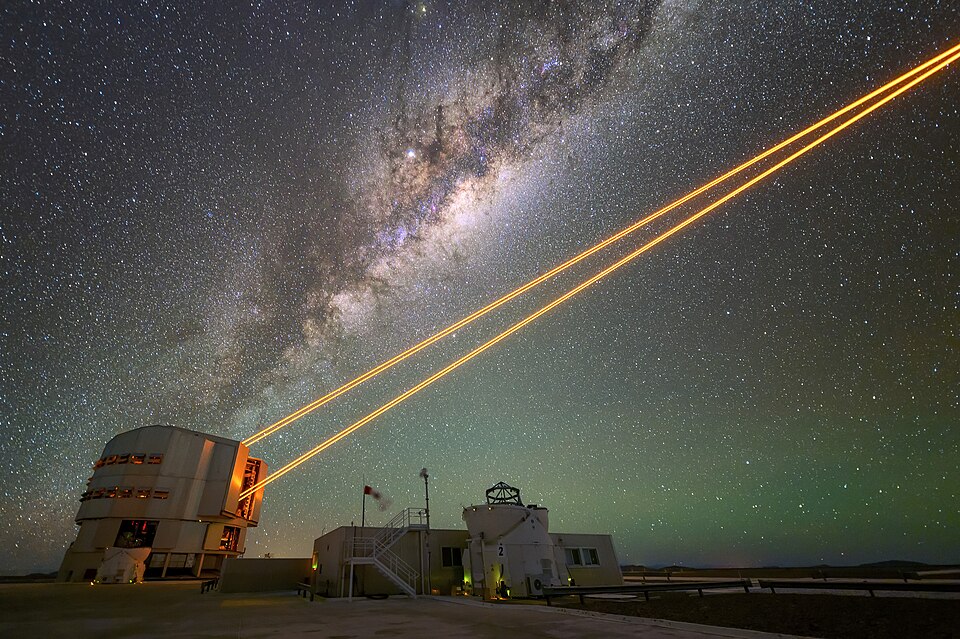
Lasers, imaging and fibre.
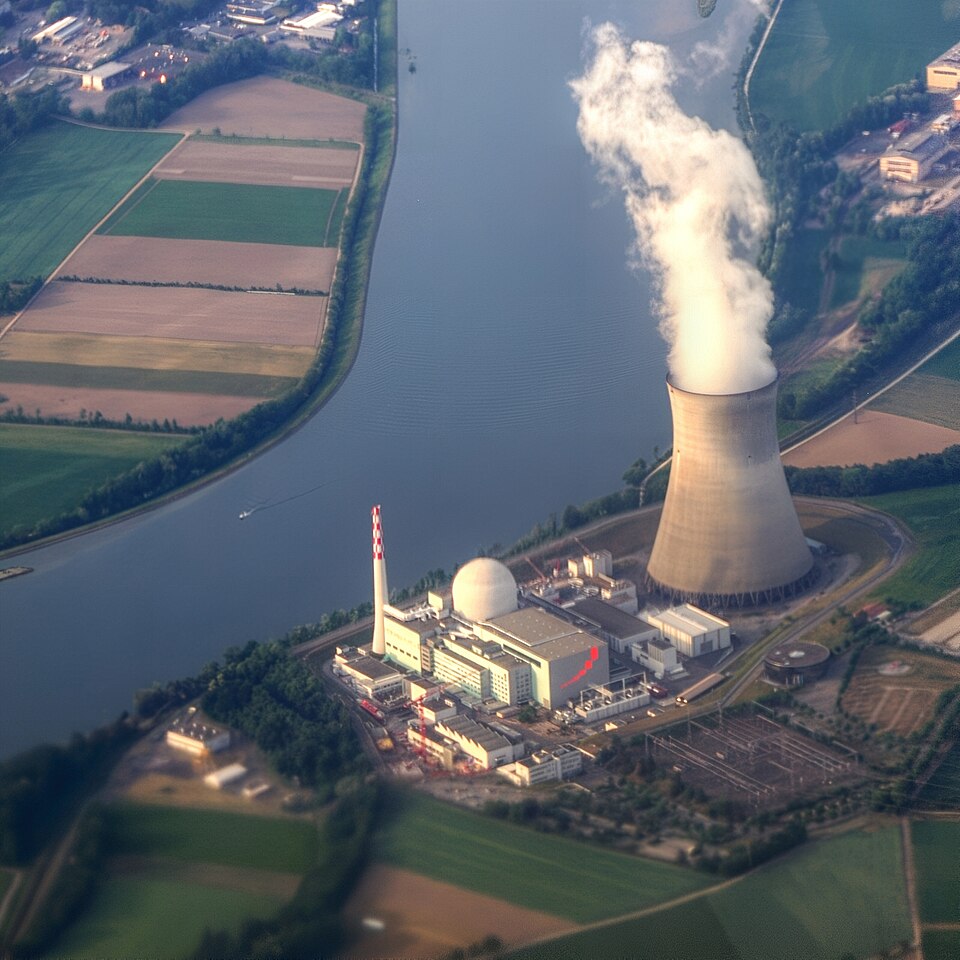
Reactors and radiation science.
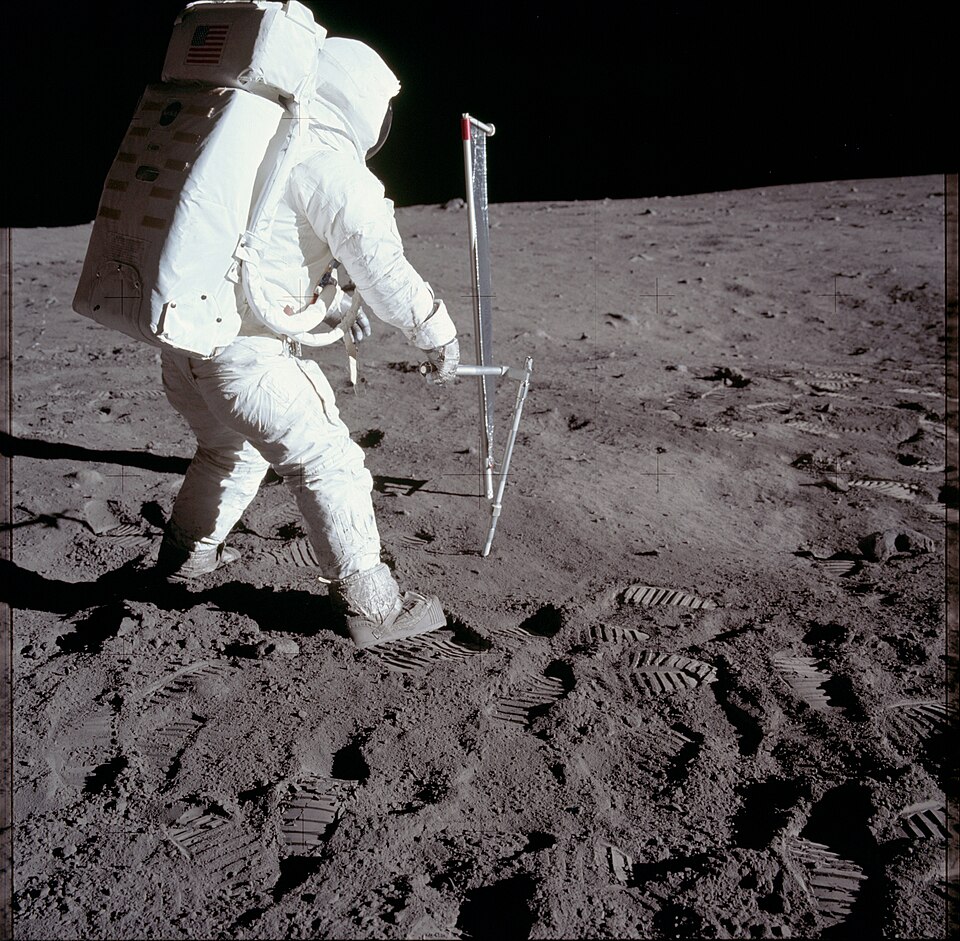
Instrumentation and mission physics.
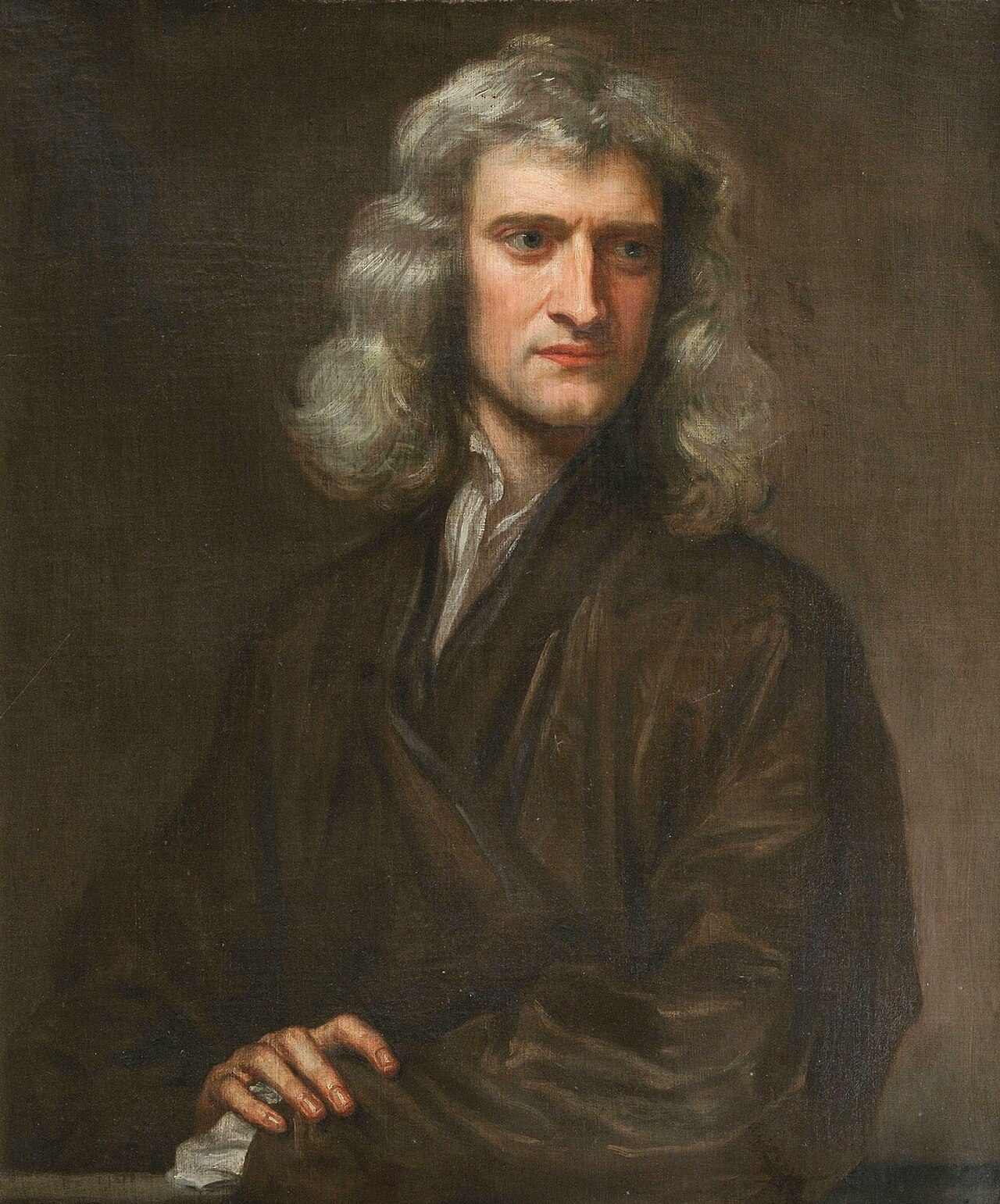
Checkable figures whose work still frames how the discipline is taught and practised.
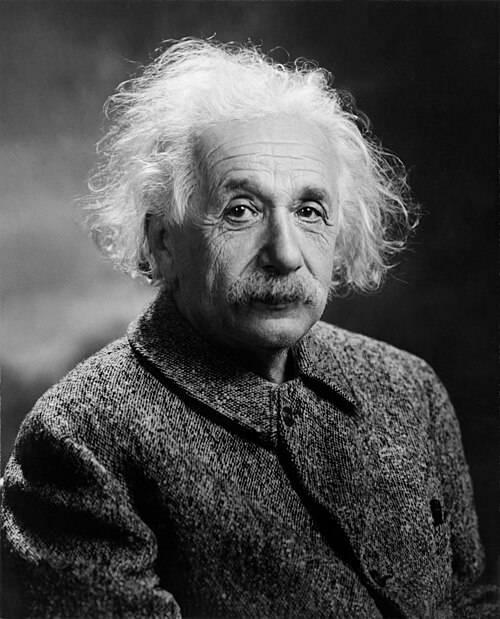
Relativity
1879–1955
Oren Jack Turner · Public domain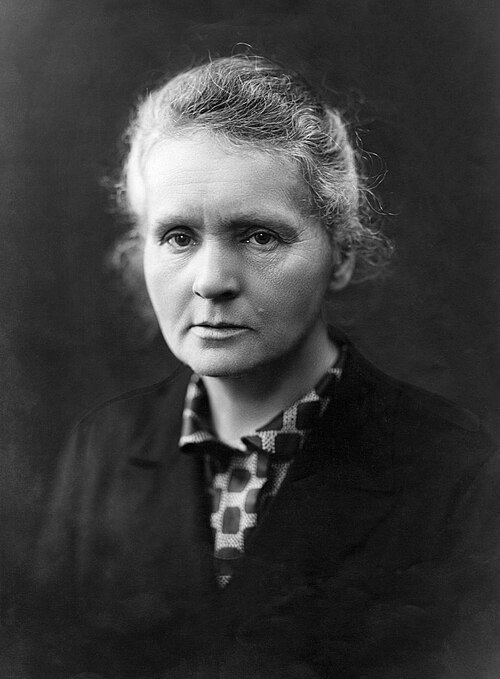
Radioactivity
1867–1934
Henri Manuel · Public domain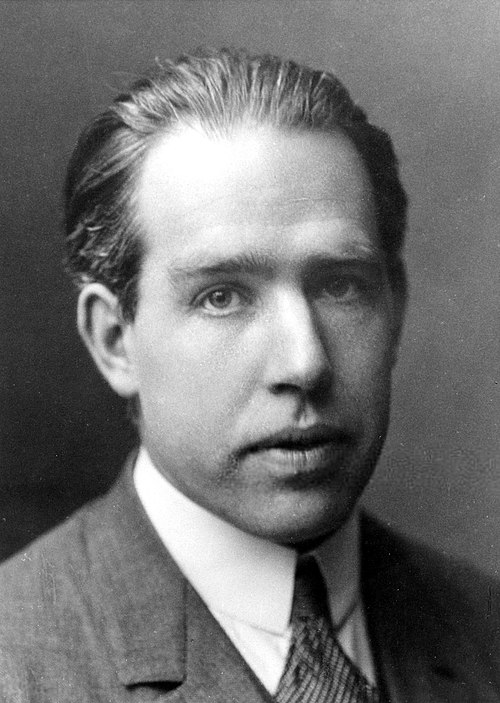
QED & teaching
1918–1988
The American Institute of Physics credits the photo [1] to AB Lagrelius & Westphal , which is the Swedish company used by the Nobel Foundation for most photos of its book series Les Prix Nobel . · Public domain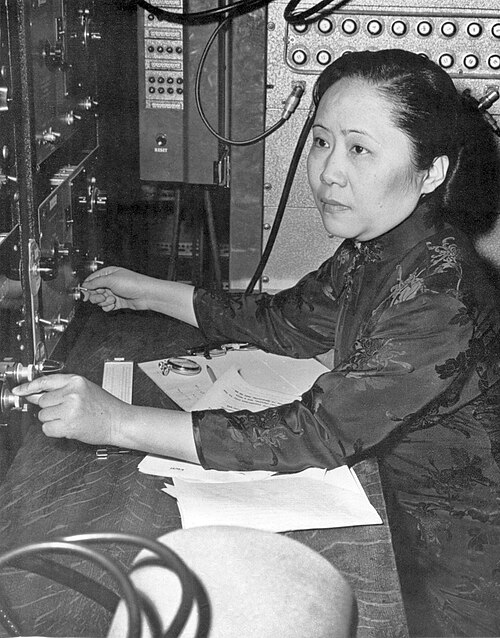
Parity violation
1912–1997
Smithsonian Institution · No restrictionsSame-field head-to-heads built from the six score axes.
Why labels are thematic — not a ranking of better majors.
Scores are browsing aids for curriculum and career lanes, not a league table of worth.
Proof, structure and abstraction — the language that other sciences borrow.
Employability 70 Same field neighbourFlight in air and vacuum — structures, propulsion, guidance and certification.
Employability 76 Same field neighbourAlgorithms, systems and software — how machines are made to reason, store and communicate.
Employability 94 ⚡Circuits, fields and signals — powering, sensing and communicating the physical world.
Employability 88 🔧Forces, materials and machines — designing things that move, bear load and last.
Employability 86 🌉Infrastructure that societies stand on — bridges, water, roads, cities and codes.
Employability 84 ⚗️Turning reactions into plants — scale, safety and efficiency from molecule to factory.
Employability 82 🛰️Flight in air and vacuum — structures, propulsion, guidance and certification.
Employability 76 📊Statistics, computing and domain sense — turning messy data into decisions that hold up.
Employability 92 🧮Proof, structure and abstraction — the language that other sciences borrow.
Employability 70 🧪Molecules and reactions — how substances change, bind and are made safely.
Employability 72 📉Uncertainty made usable — design, inference and the ethics of claiming a pattern is real.
Employability 88