Quant finance
Pricing and risk models.
Proof, structure and abstraction — the language that other sciences borrow.
Also called: Pure mathematics · Maths
Reviewed 2026-08-08·Media credits

Darker cells mean a higher score for this topic on that metric.
LessMore
Each bar is a 0-100 atlas score for this topic, not a timeline.
Last reviewed Sources & creditsMedia creditsMethodology
Mathematics trains proof, structure and abstraction — the habit of saying precisely what follows from what. Applied tracks lean into modelling and computation; pure tracks lean into theory seminars that punish vague handwaving.
The campus footprint is quiet: blackboards, problem sessions and libraries more than specialised machines. Collaboration is real, but exams and problem sets still decide most grades.
Outcomes include further study, quant-adjacent roles, teaching, software and research. Relative scores compare majors on this catalogue only.
Typical bachelor years: 4
Scores are relative across the forty majors on this site — not absolute rankings of universities.
Popularity & Demand →Sectors where graduates and research from this field show up most often — plates from Wikimedia Commons.
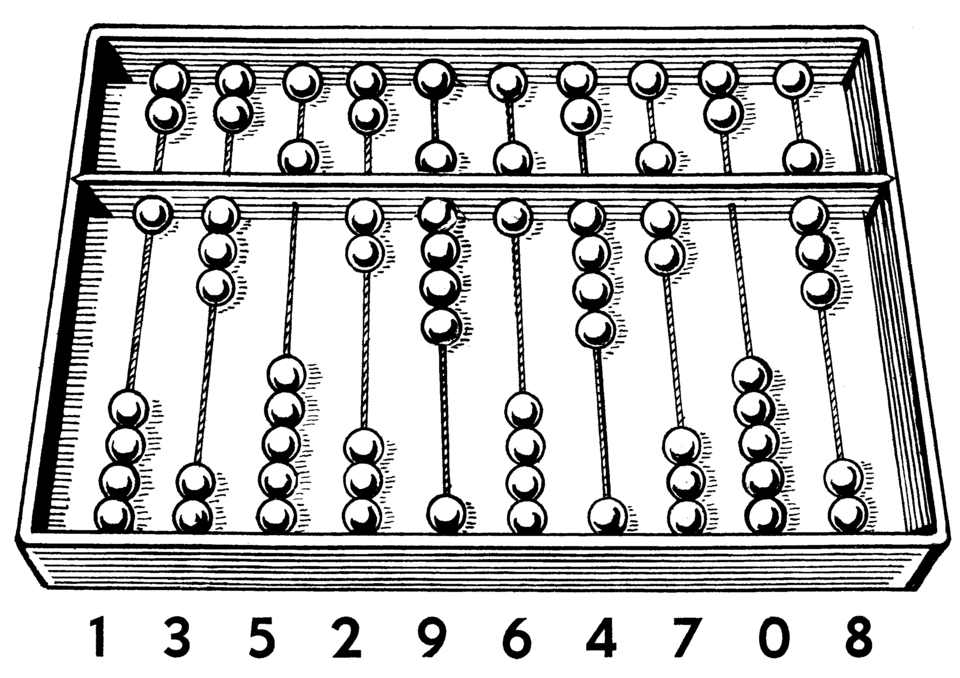
Pricing and risk models.
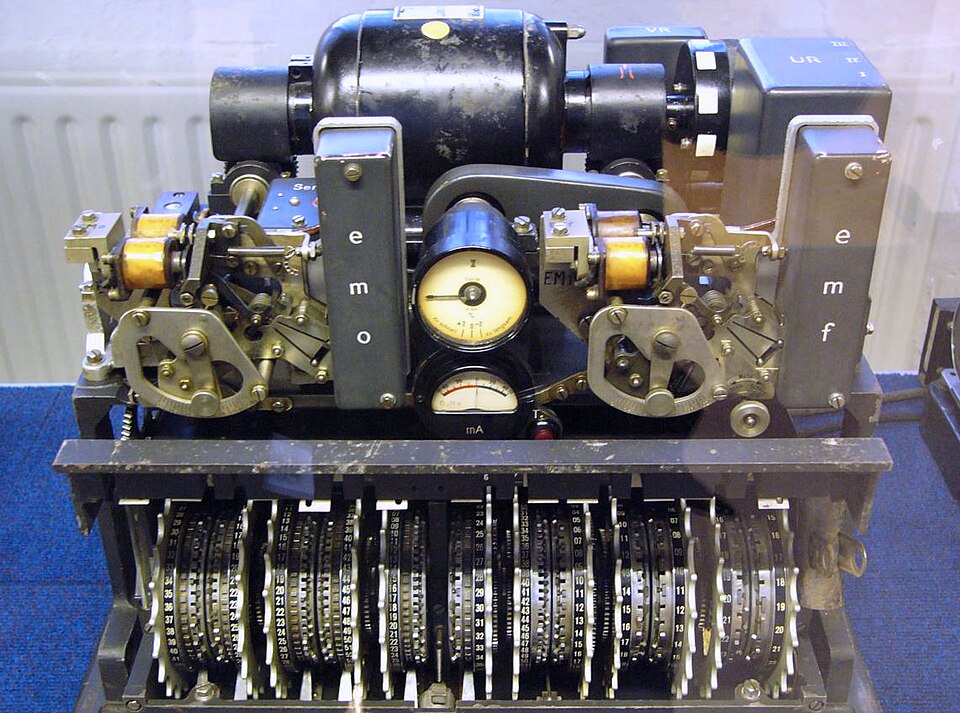
Secure protocols and proofs.
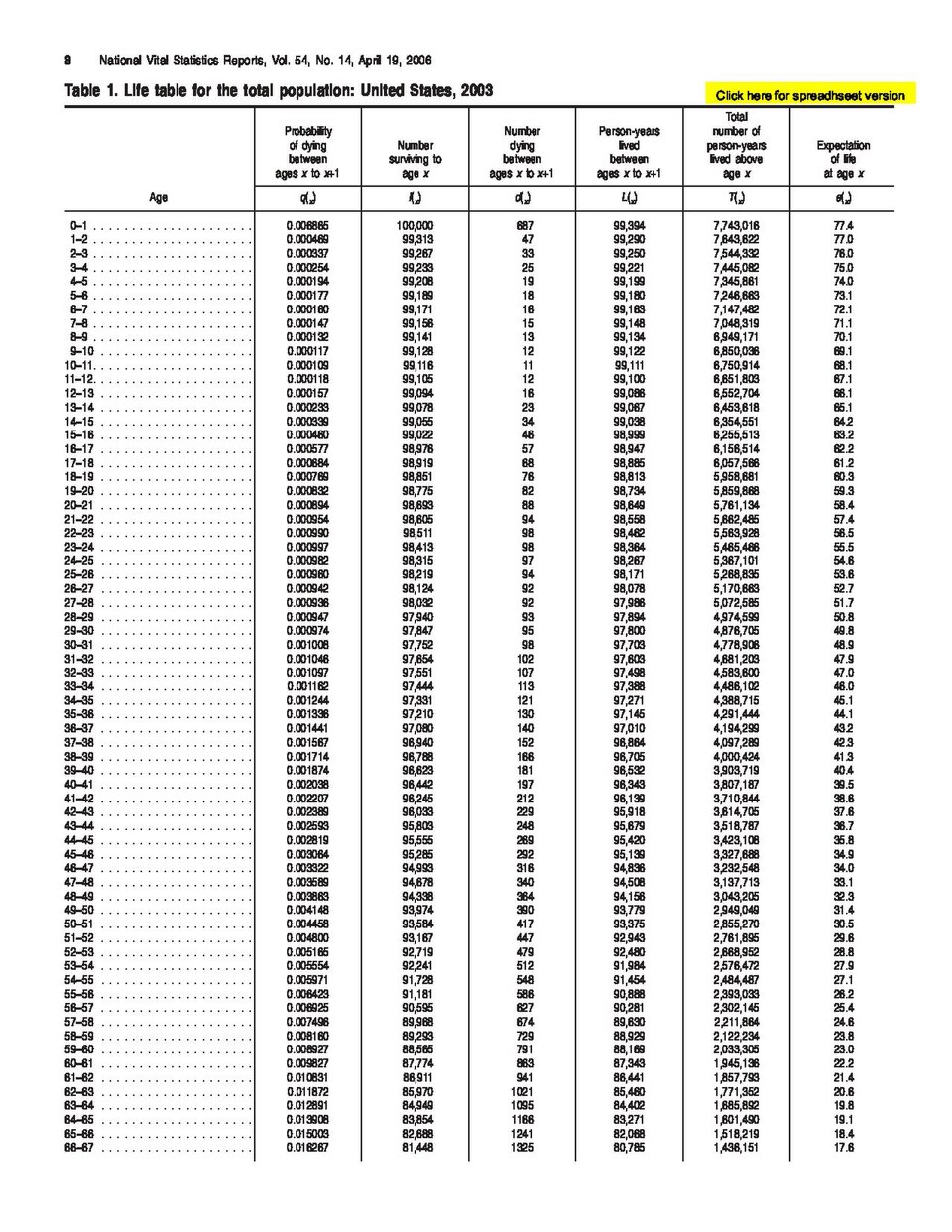
Longevity and claims models.
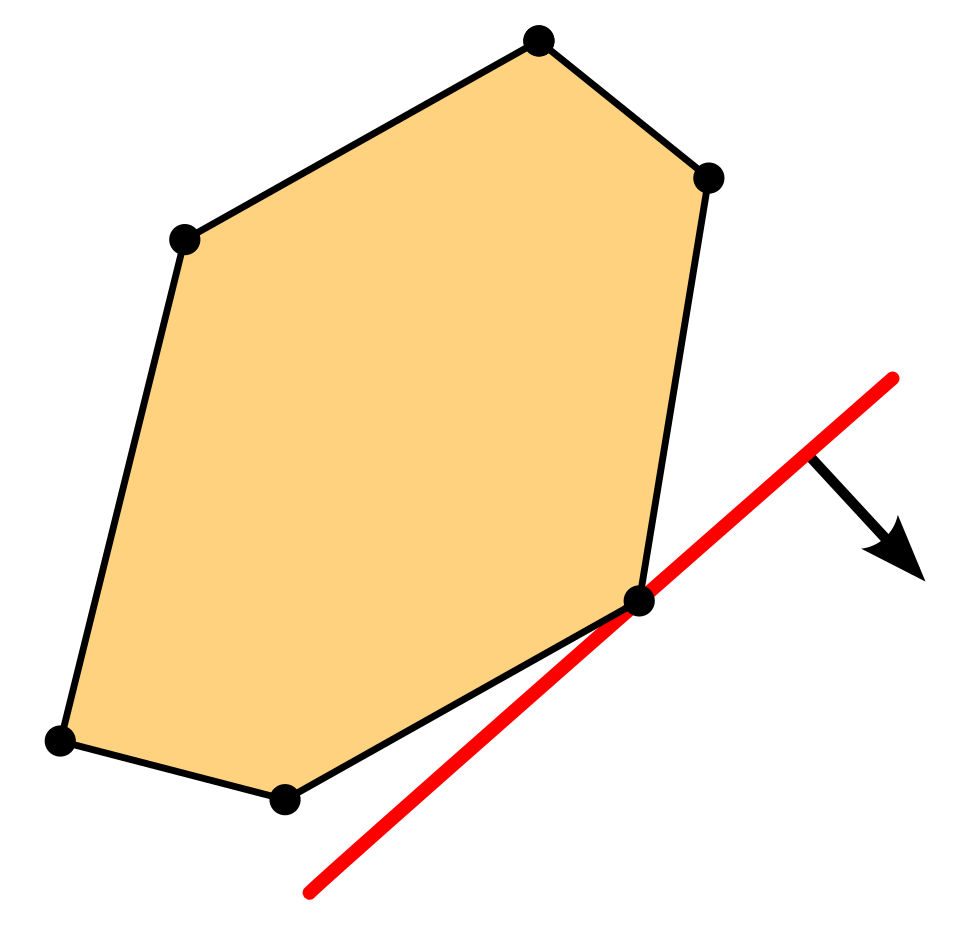
Logistics and scheduling.
Checkable figures whose work still frames how the discipline is taught and practised.
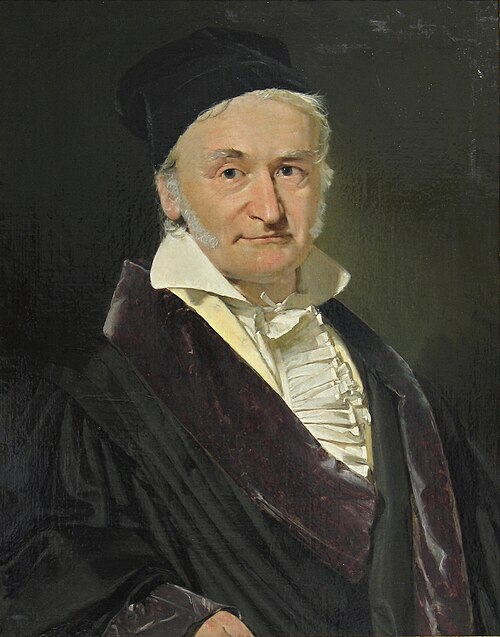
Number theory
1777–1855
Christian Albrecht Jensen · Public domain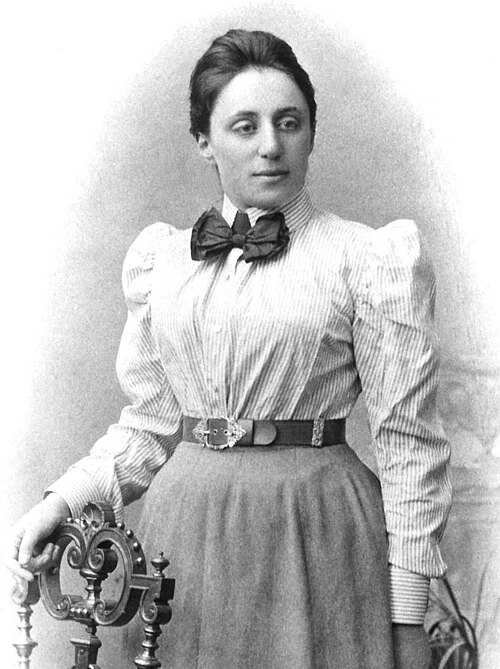
Abstract algebra
1882–1935
Unknown author Unknown author Publisher: Mathematical Association of America [3] , Brooklyn Museum [4] , Agnes Scott College [5] , [6] · Public domain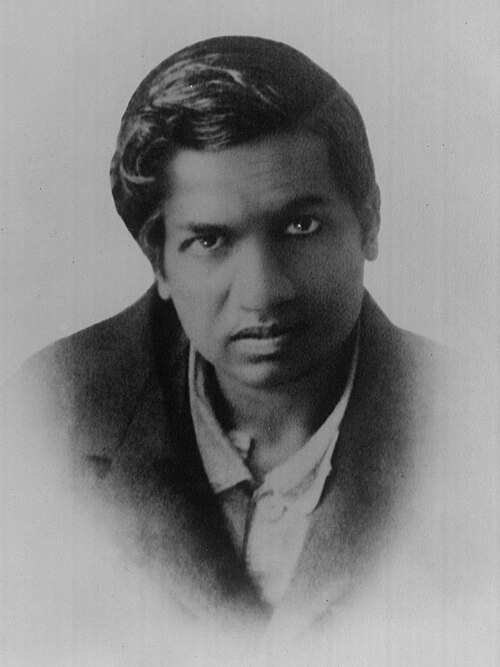
Number theory
1887–1920
Unknown author Unknown author · CC BY 4.0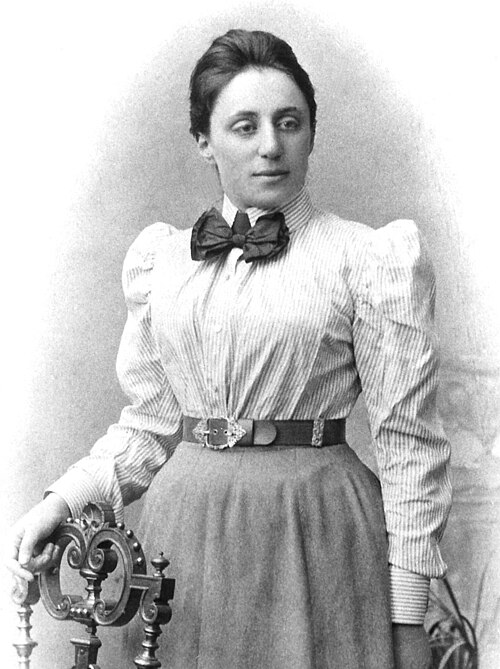
Fields Medal
1977–2017
Unknown author Unknown author Publisher: Mathematical Association of America [3] , Brooklyn Museum [4] , Agnes Scott College [5] , [6] · Public domainSame-field head-to-heads built from the six score axes.
Why labels are thematic — not a ranking of better majors.
Scores are browsing aids for curriculum and career lanes, not a league table of worth.
Matter, energy, space and time — from lab benches to the edge of the observable.
Employability 68 Same field neighbourFlight in air and vacuum — structures, propulsion, guidance and certification.
Employability 76 Same field neighbourAlgorithms, systems and software — how machines are made to reason, store and communicate.
Employability 94 ⚡Circuits, fields and signals — powering, sensing and communicating the physical world.
Employability 88 🔧Forces, materials and machines — designing things that move, bear load and last.
Employability 86 🌉Infrastructure that societies stand on — bridges, water, roads, cities and codes.
Employability 84 ⚗️Turning reactions into plants — scale, safety and efficiency from molecule to factory.
Employability 82 🛰️Flight in air and vacuum — structures, propulsion, guidance and certification.
Employability 76 📊Statistics, computing and domain sense — turning messy data into decisions that hold up.
Employability 92 ⚛️Matter, energy, space and time — from lab benches to the edge of the observable.
Employability 68 🧪Molecules and reactions — how substances change, bind and are made safely.
Employability 72 📉Uncertainty made usable — design, inference and the ethics of claiming a pattern is real.
Employability 88