c. 440 BCEHerodotus completes the Histories
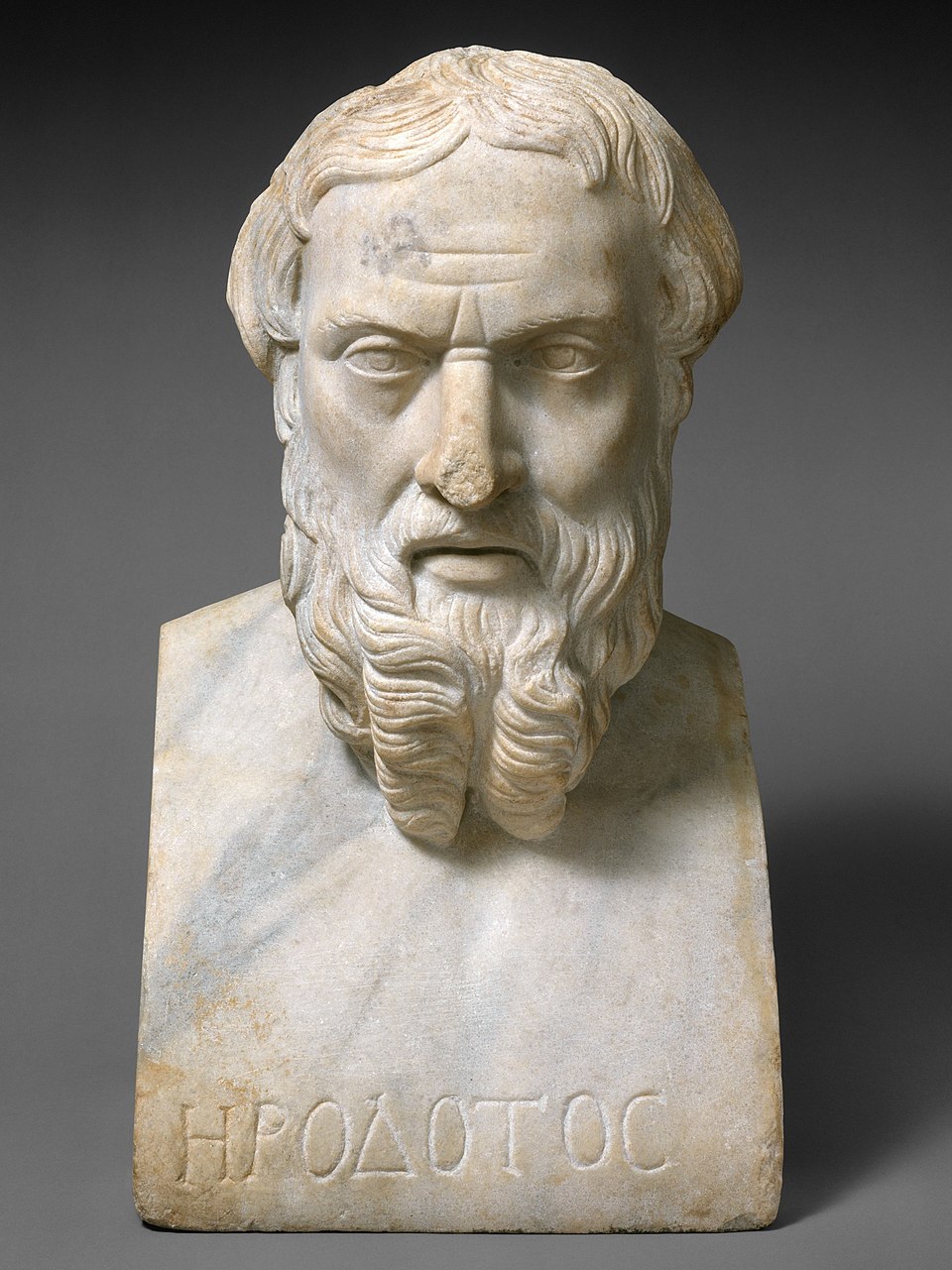
Herodotus of Halicarnassus publishes his inquiry into the Greco-Persian Wars, built on travel across Egypt, the Levant and the Black Sea coast and on interviews with priests, veterans and local informants. He reports conflicting versions side by side and flags his own doubts — a founding act of the method, even if Plutarch later branded him "father of lies."
c. 400 BCEThucydides sets the critical standard
In his History of the Peloponnesian War, the exiled Athenian general Thucydides states his rules openly: he trusts only what he witnessed or could verify from eyewitnesses cross-examined against each other, excludes the mythical, and writes not for applause but as "a possession for all time." Historians still cite the passage as the discipline's first methods statement.
c. 91 BCESima Qian finishes the Shiji
China's Grand Historian completes the Records of the Grand Historian: 130 chapters covering roughly 2,500 years, organized into annals, chronological tables, treatises and biographies. The structure became the template for China's twenty-four official dynastic histories, giving East Asia an unbroken, state-maintained historiographical tradition unmatched anywhere in the world.
731Bede dates the past from the Incarnation
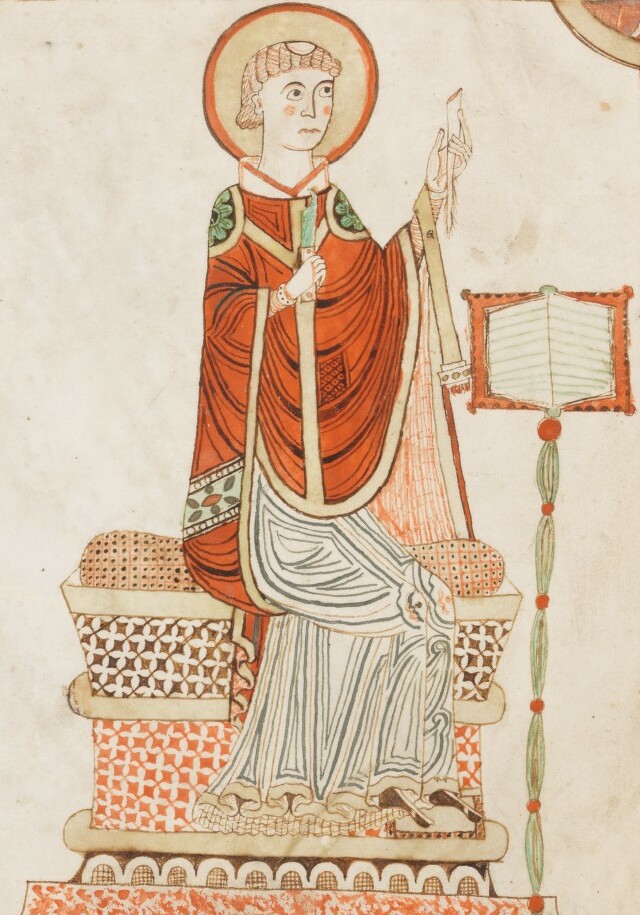
In the monastery of Jarrow, Bede completes the Ecclesiastical History of the English People, carefully naming his sources and popularizing the anno Domini dating system that lets events across kingdoms be placed on one timeline. Monastic chroniclers across Europe would work in his shadow for the next seven centuries.
1377Ibn Khaldun writes the Muqaddimah
In a castle in present-day Algeria, the Tunisian scholar Ibn Khaldun drafts the introduction to his universal history, arguing that reports must be tested against the laws of how societies actually behave — how dynasties rise on group cohesion and decay in luxury. European sociology and economic history would arrive at similar ideas some five centuries later.
1440Valla unmasks the Donation of Constantine
Italian humanist Lorenzo Valla proves that the Donation of Constantine — the document by which the papacy claimed imperial authority over Western Europe — is a medieval forgery, exposing anachronisms in its Latin such as feudal vocabulary no fourth-century clerk could have used. Philological source criticism, the core tool of the modern historian, dates from this demonstration.
1824Ranke founds the archival profession
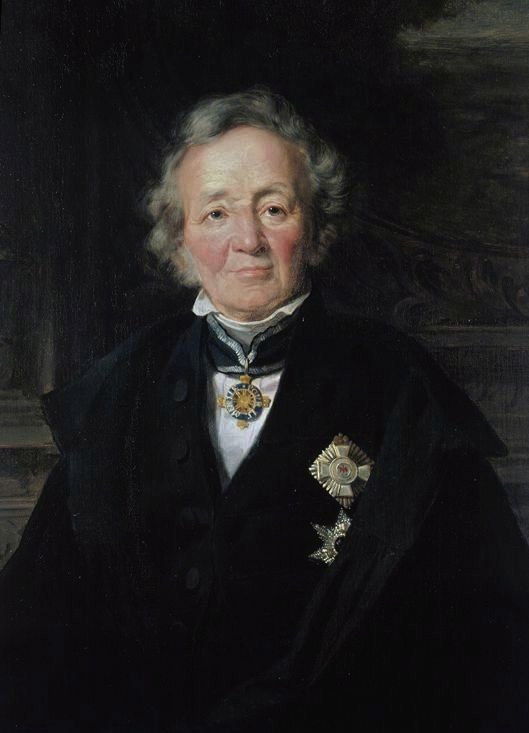
Leopold von Ranke publishes his first book, with an appendix dissecting the borrowed and unreliable sources of earlier historians, and declares the historian's task to show the past "wie es eigentlich gewesen" — as it essentially was. Appointed to Berlin in 1825, his archive-based seminar became the training model the entire modern profession descends from.
1929The Annales school widens the subject
In Strasbourg, Marc Bloch and Lucien Febvre found the journal Annales d'histoire économique et sociale, turning historians from kings and battles toward prices, harvests, landscapes and the mental worlds of ordinary people. Their program — history as the science of humans in time — reshaped the discipline on every continent.
1976Microhistory reads one miller's mind
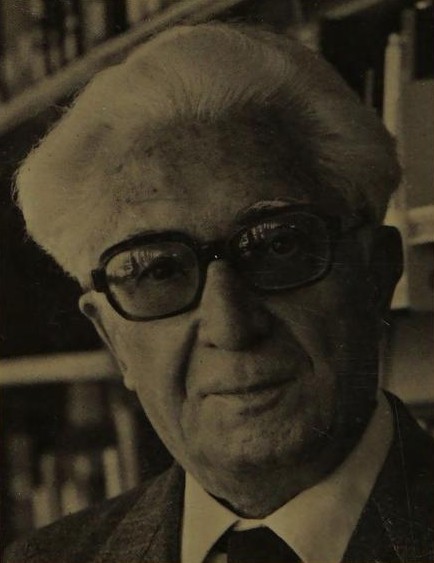
Italian historian Carlo Ginzburg publishes The Cheese and the Worms, reconstructing the cosmology of Menocchio, a sixteenth-century Friulian miller burned by the Inquisition, from his trial records. The book showed that the archives of power, read against the grain, could recover the thoughts of people history had never bothered to record.
2000Historical method stands trial
In London's High Court, David Irving sues scholar Deborah Lipstadt for calling him a Holocaust denier. Historian Richard J. Evans's 740-page expert report traces Irving's citations back to the sources, and the judge rules that Irving had "deliberately misrepresented and manipulated" the evidence — a public demonstration that the footnote is a checkable claim, not decoration.