Civil service
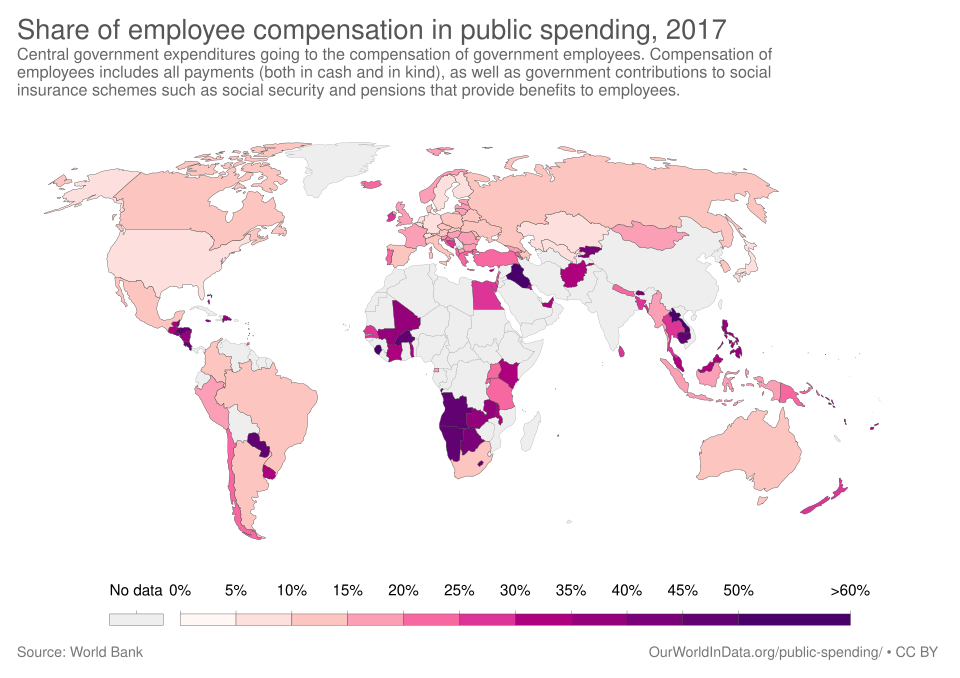
Policy design inside states.
Power, institutions and ideas — how states decide, fail and reinvent themselves.
Also called: Politics · Government
Reviewed 2026-08-08·Media credits
Darker cells mean a higher score for this topic on that metric.
LessMore
Each bar is a 0-100 atlas score for this topic, not a timeline.
Last reviewed Sources & creditsMedia creditsMethodology
Political science studies power, institutions and ideas — how states decide, fail and reinvent themselves. Methods range from theory to statistics; departments advertise which they mean.
Seminar culture, debate societies and internship pipelines into parties, ministries or NGOs matter more than specialised labs. Capstones are papers and briefs, not prototypes.
Careers include public service, diplomacy-adjacent roles, journalism, advocacy and further study. Relative scores only.
Typical bachelor years: 4
Scores are relative across the forty majors on this site — not absolute rankings of universities.
Popularity & Demand →Sectors where graduates and research from this field show up most often — plates from Wikimedia Commons.
Policy design inside states.

Elections and messaging.

Research for public debate.
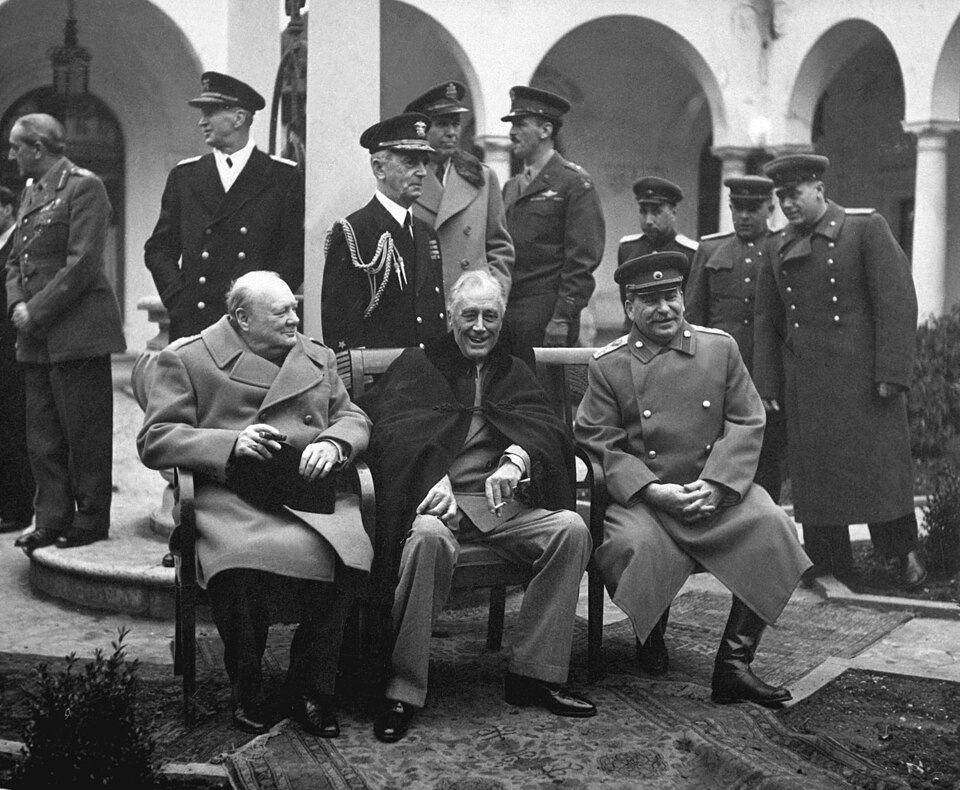
Representation and negotiation.
Checkable figures whose work still frames how the discipline is taught and practised.
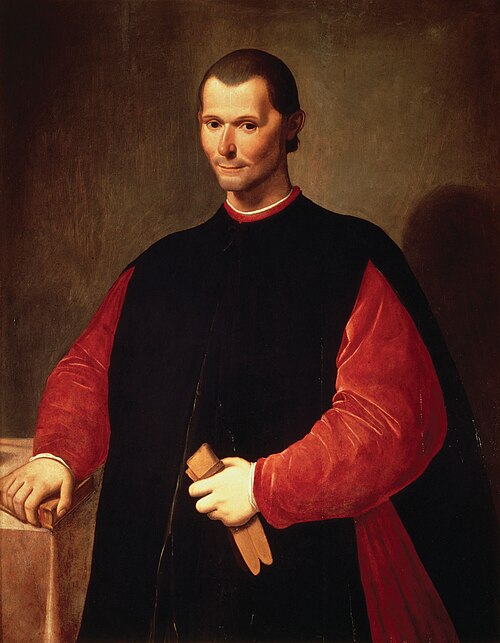
Political realism
1469–1527
Santi di Tito · Public domain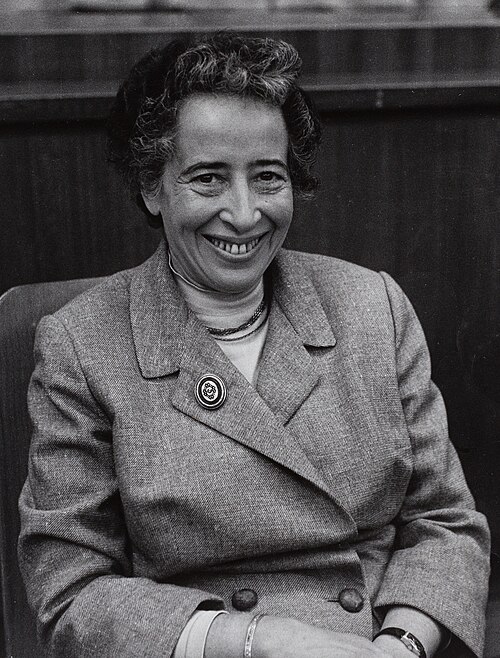
Political theory
1906–1975
Barbara Niggl Radloff · CC BY-SA 4.0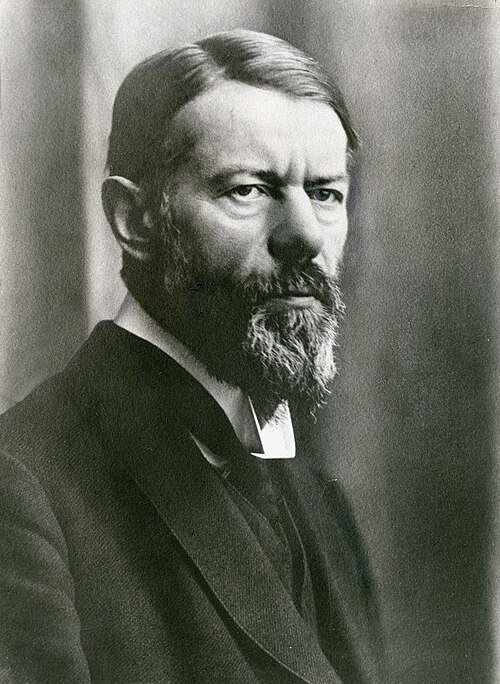
Bureaucracy & power
1864–1920
Ernst Gottmann · Public domain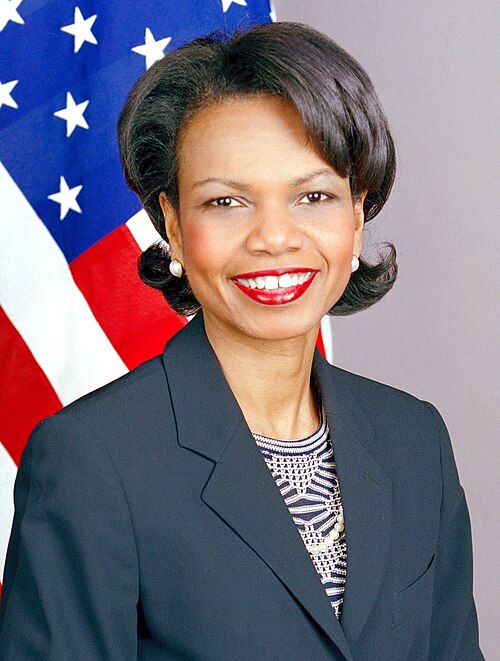
Diplomacy & academia
1954–
Department of State · Public domainSame-field head-to-heads built from the six score axes.
Why labels are thematic — not a ranking of better majors.
Scores are browsing aids for curriculum and career lanes, not a league table of worth.
States, markets and norms across borders — diplomacy, security and global governance.
Employability 62 Same field neighbourHow groups make worlds — class, institutions, methods and the politics of categories.
Employability 58 Same field neighbourArgument under rules — statutes, cases, procedure and the power to bind strangers.
Employability 74 🌐States, markets and norms across borders — diplomacy, security and global governance.
Employability 62 👥How groups make worlds — class, institutions, methods and the politics of categories.
Employability 58 🤝Practice with people under strain — casework, systems, law and the ethics of intervening.
Employability 82