Multilateral orgs
UN system and agencies.
States, markets and norms across borders — diplomacy, security and global governance.
Also called: IR · Global affairs
Reviewed 2026-08-08·Media credits
Darker cells mean a higher score for this topic on that metric.
LessMore
Each bar is a 0-100 atlas score for this topic, not a timeline.
Last reviewed Sources & creditsMedia creditsMethodology
International relations studies states, markets and norms across borders — security, diplomacy and global governance. Language skills and regional depth separate serious programmes from slogan degrees.
Simulations, Model UN-style societies and embassy or IO internships structure ambition; the classroom is reading-heavy. Lab benches are not the metaphor.
Outcomes include foreign service tracks, IOs, NGOs, risk analysis and media. Scores are relative among forty majors.
Typical bachelor years: 4
Scores are relative across the forty majors on this site — not absolute rankings of universities.
Popularity & Demand →Sectors where graduates and research from this field show up most often — plates from Wikimedia Commons.
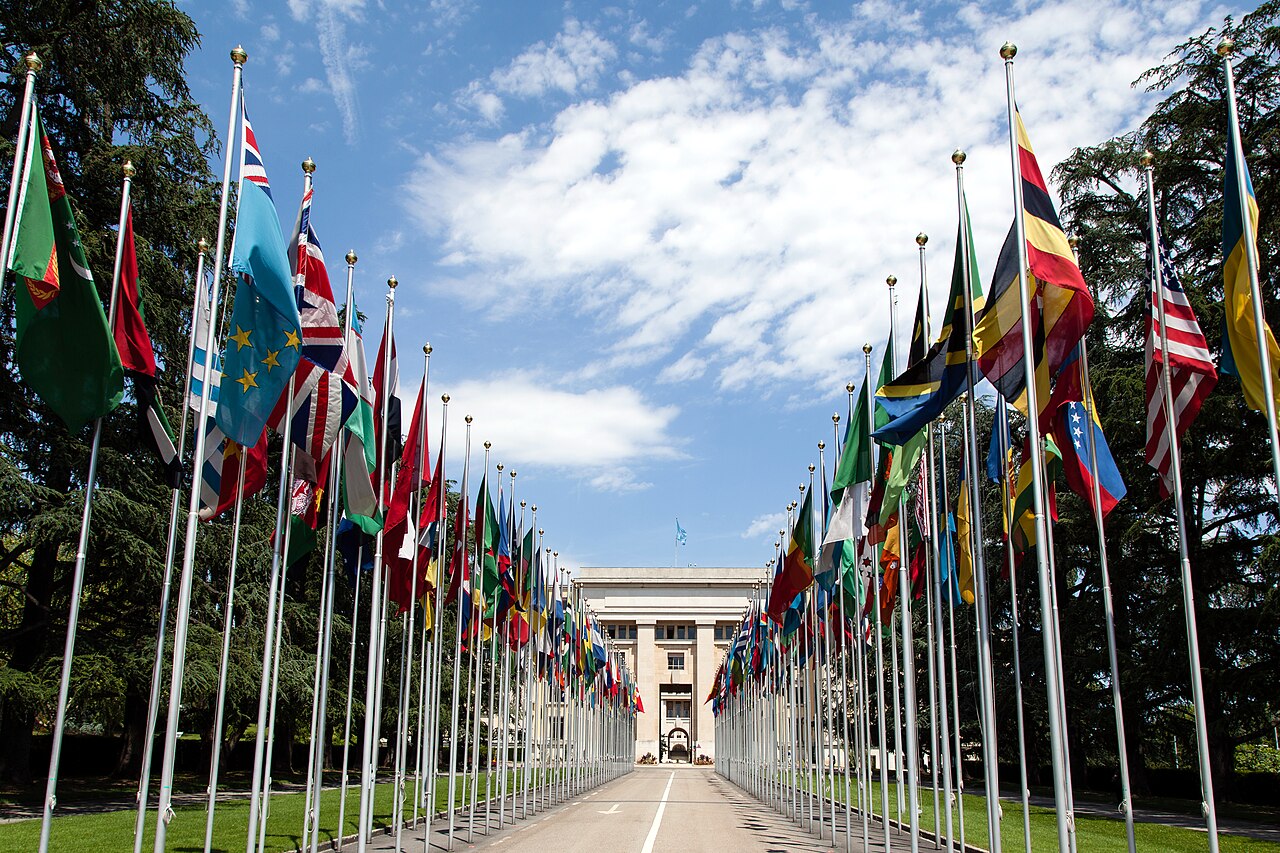
UN system and agencies.

Embassies and desks.

Aid and advocacy abroad.
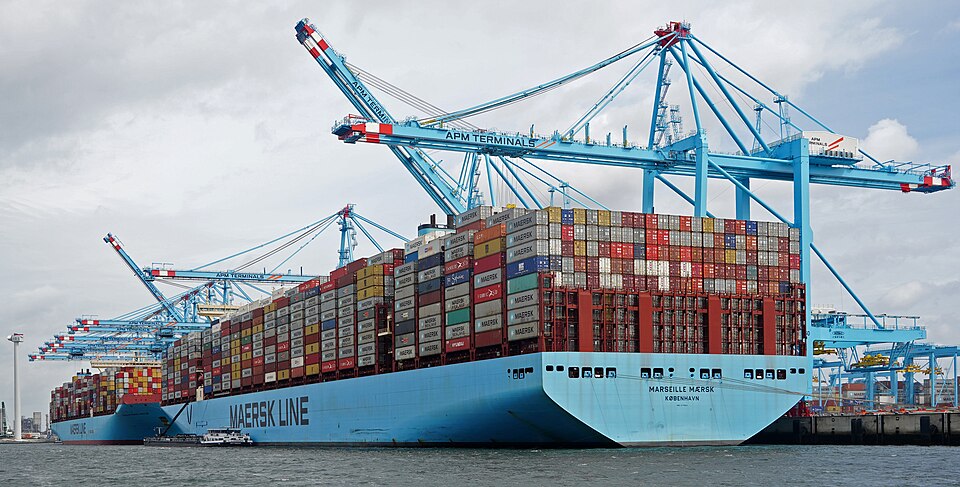
Agreements and commercial diplomacy.
Checkable figures whose work still frames how the discipline is taught and practised.
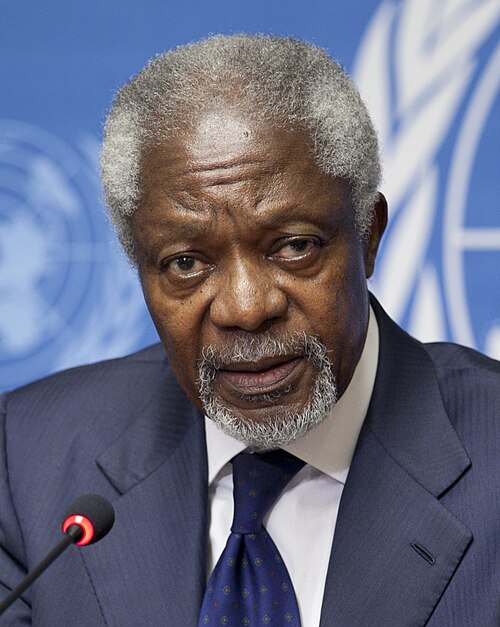
UN Secretary-General
1938–2018
US Mission in Geneva · Public domain
Human rights
1884–1962
FDR Presidential Library & Museum · CC BY 2.0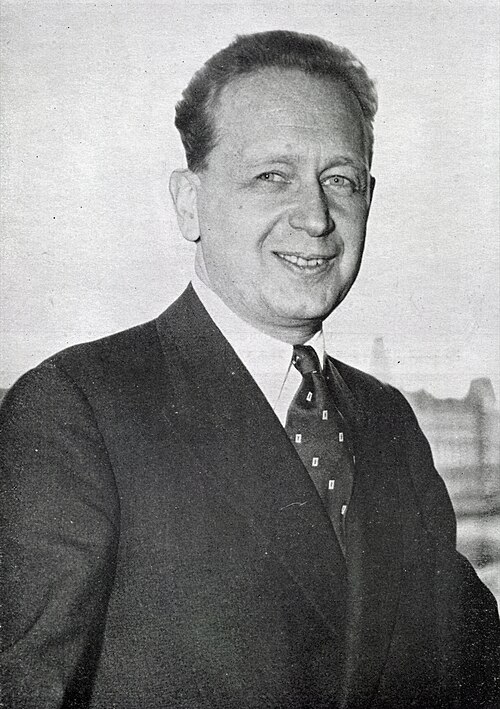
UN diplomacy
1905–1961
Unknown author Unknown author · Public domain
Asia diplomacy
1948–
World Economic Forum from Cologny, Switzerland · CC BY-SA 2.5Same-field head-to-heads built from the six score axes.
Why labels are thematic — not a ranking of better majors.
Scores are browsing aids for curriculum and career lanes, not a league table of worth.
Power, institutions and ideas — how states decide, fail and reinvent themselves.
Employability 60 Same field neighbourHow groups make worlds — class, institutions, methods and the politics of categories.
Employability 58 Same field neighbourArgument under rules — statutes, cases, procedure and the power to bind strangers.
Employability 74 🏛️Power, institutions and ideas — how states decide, fail and reinvent themselves.
Employability 60 👥How groups make worlds — class, institutions, methods and the politics of categories.
Employability 58 🤝Practice with people under strain — casework, systems, law and the ethics of intervening.
Employability 82