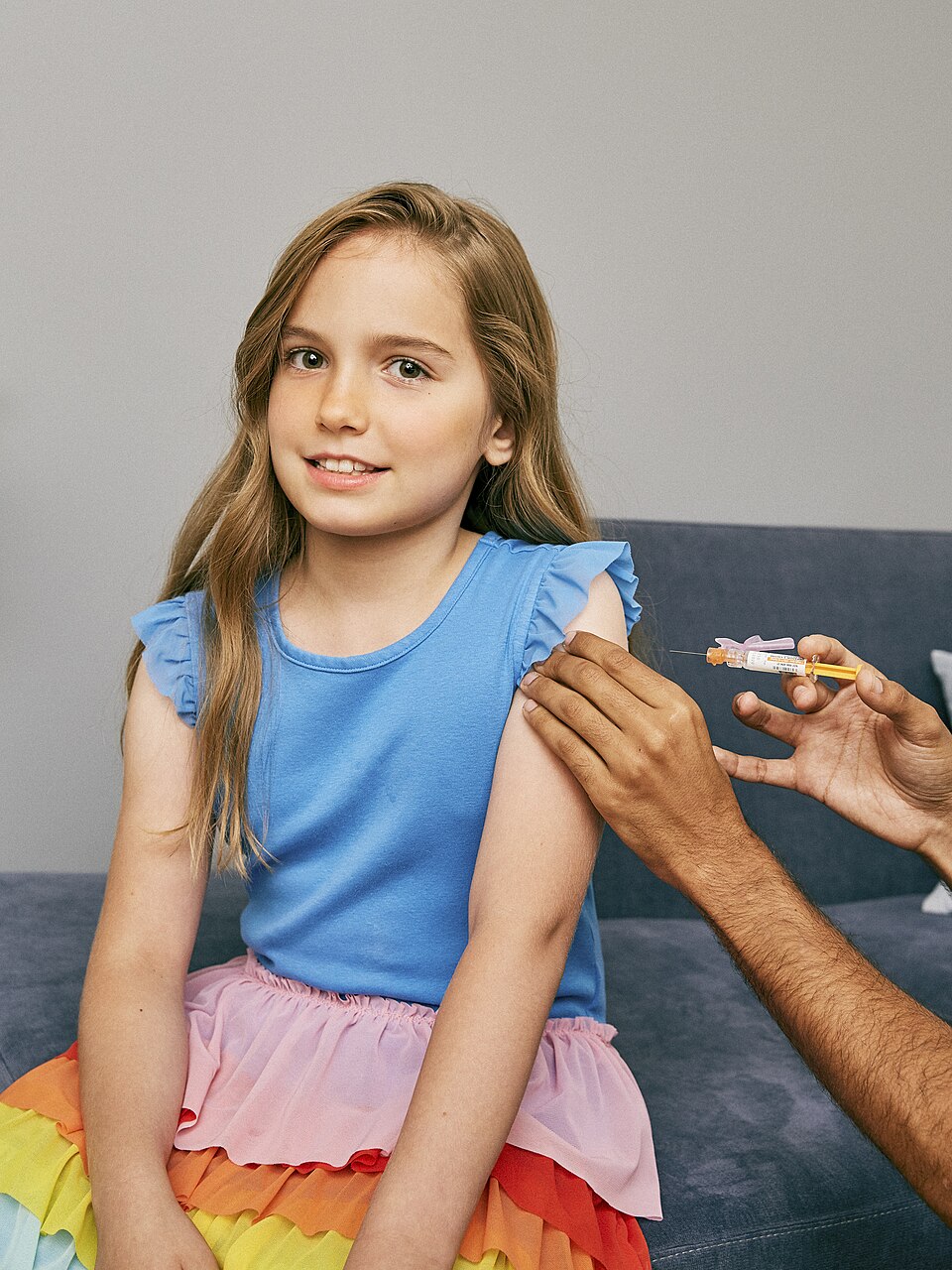
Epidemiology
Outbreaks and surveillance.
Health of populations — epidemiology, policy, prevention and the politics of who gets care.
Also called: Population health · Community health
Reviewed 2026-08-08·Media credits
Darker cells mean a higher score for this topic on that metric.
LessMore
Each bar is a 0-100 atlas score for this topic, not a timeline.
Last reviewed Sources & creditsMedia creditsMethodology
Public health studies populations — epidemiology, biostatistics, policy and the politics of who gets prevention and care. Spreadsheets and stakeholder meetings matter as much as clinics.
Seminar rooms, computing labs and field placements with agencies define the campus more than anatomy theatres. Capstones often look like programme evaluations or policy briefs.
Graduates enter government, NGOs, hospitals’ population units and research. Relative scores compare majors on this site.
Typical bachelor years: 4
Scores are relative across the forty majors on this site — not absolute rankings of universities.
Popularity & Demand →Sectors where graduates and research from this field show up most often — plates from Wikimedia Commons.
Outbreaks and surveillance.
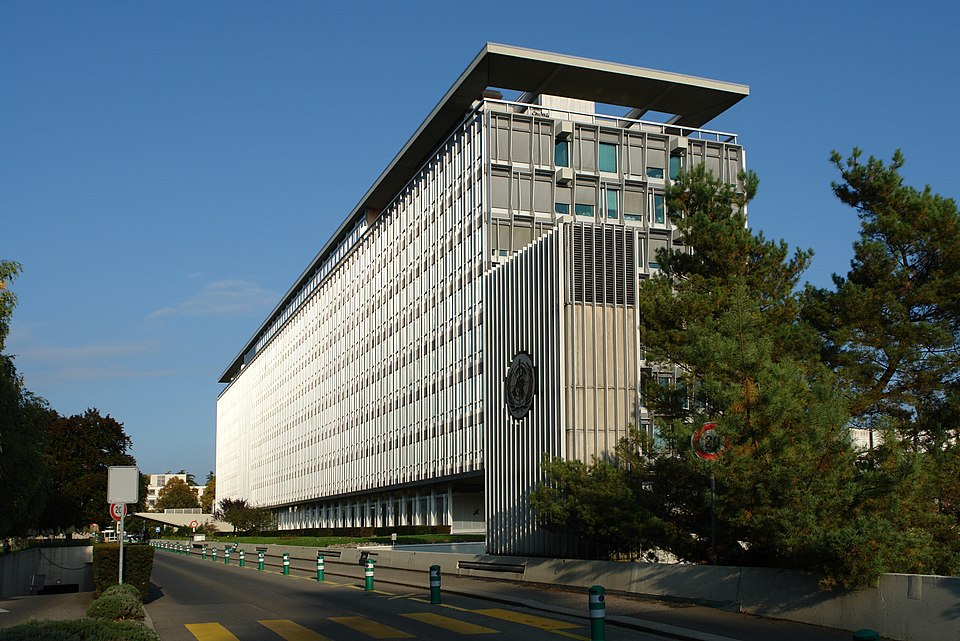
Systems and financing.
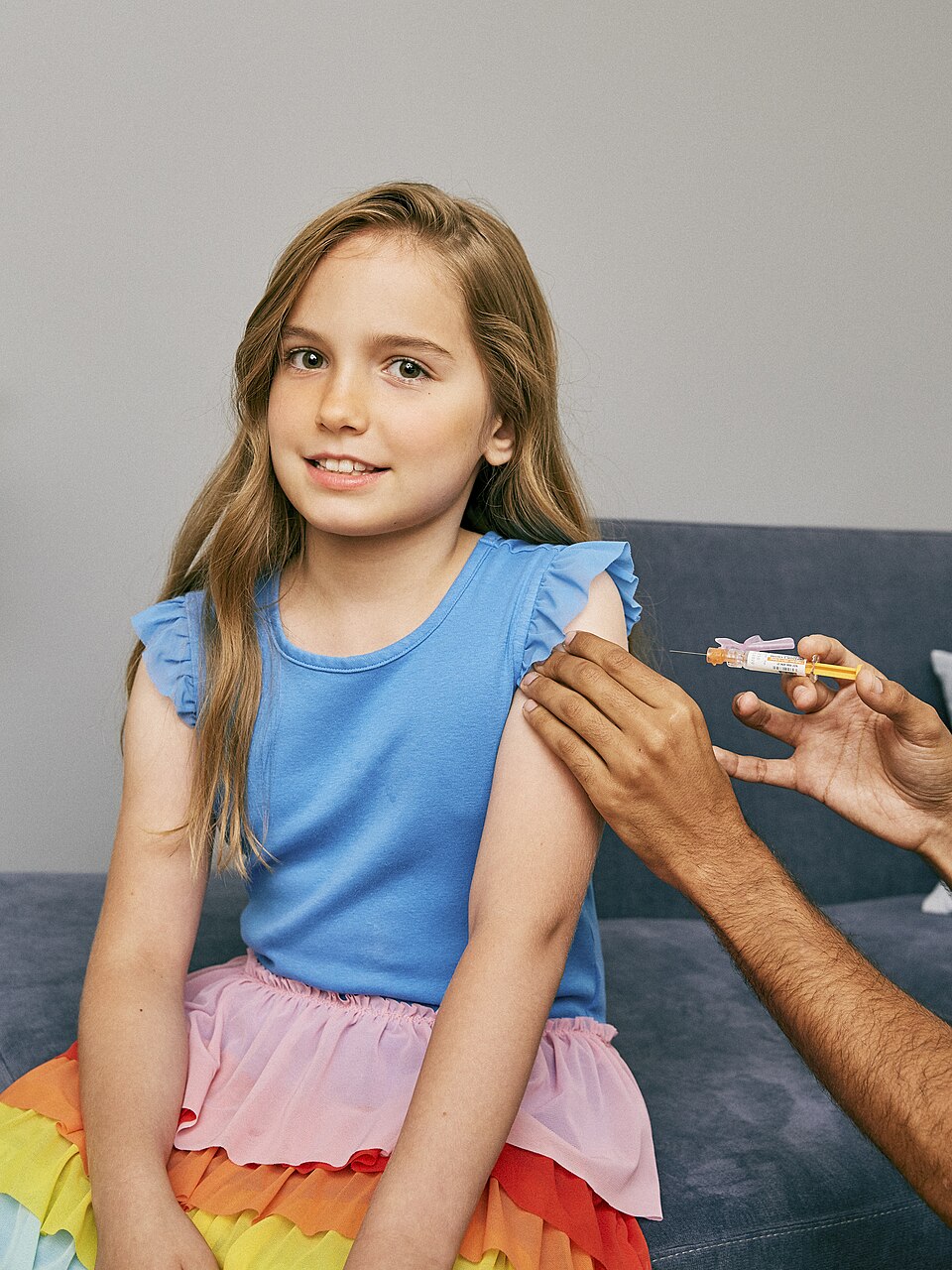
Programmes and cold chains.

Cross-border programmes.
Checkable figures whose work still frames how the discipline is taught and practised.
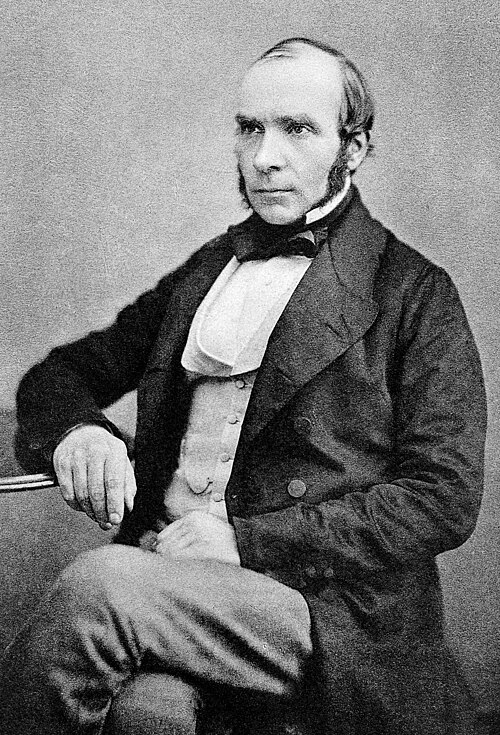
Cholera map
1813–1858
Unknown author · Public domain
WHO leadership
1947–
World Economic Forum · CC BY-SA 2.0
Global equity
1959–2022
Skoll Foundation · CC BY 2.0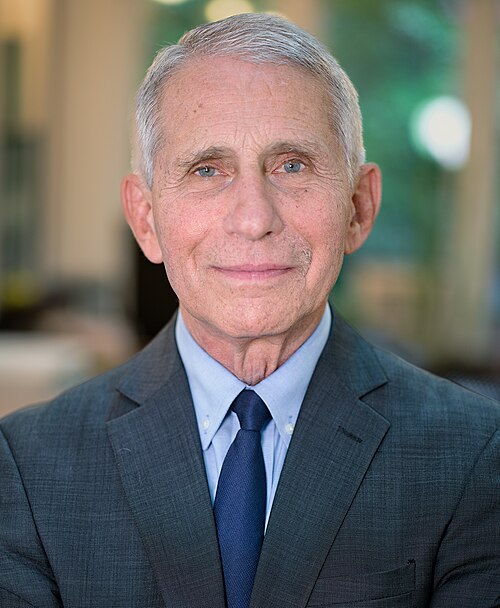
Infectious disease
1940–
Christopher Michel · CC BY-SA 4.0Same-field head-to-heads built from the six score axes.
Why labels are thematic — not a ranking of better majors.
Scores are browsing aids for curriculum and career lanes, not a league table of worth.
Mind and behaviour — experiments, clinics and the limits of what self-report can tell.
Employability 66 Same field neighbourContinuous care at the bedside and in the community — assessment, advocacy and stamina.
Employability 96 Same field neighbourDiagnosing and treating illness — science, judgement and long apprenticeship at the bedside.
Employability 90 💉Continuous care at the bedside and in the community — assessment, advocacy and stamina.
Employability 96 💊Medicines from molecule to patient — chemistry, counselling and systems that keep doses safe.
Employability 86 🧠Mind and behaviour — experiments, clinics and the limits of what self-report can tell.
Employability 66