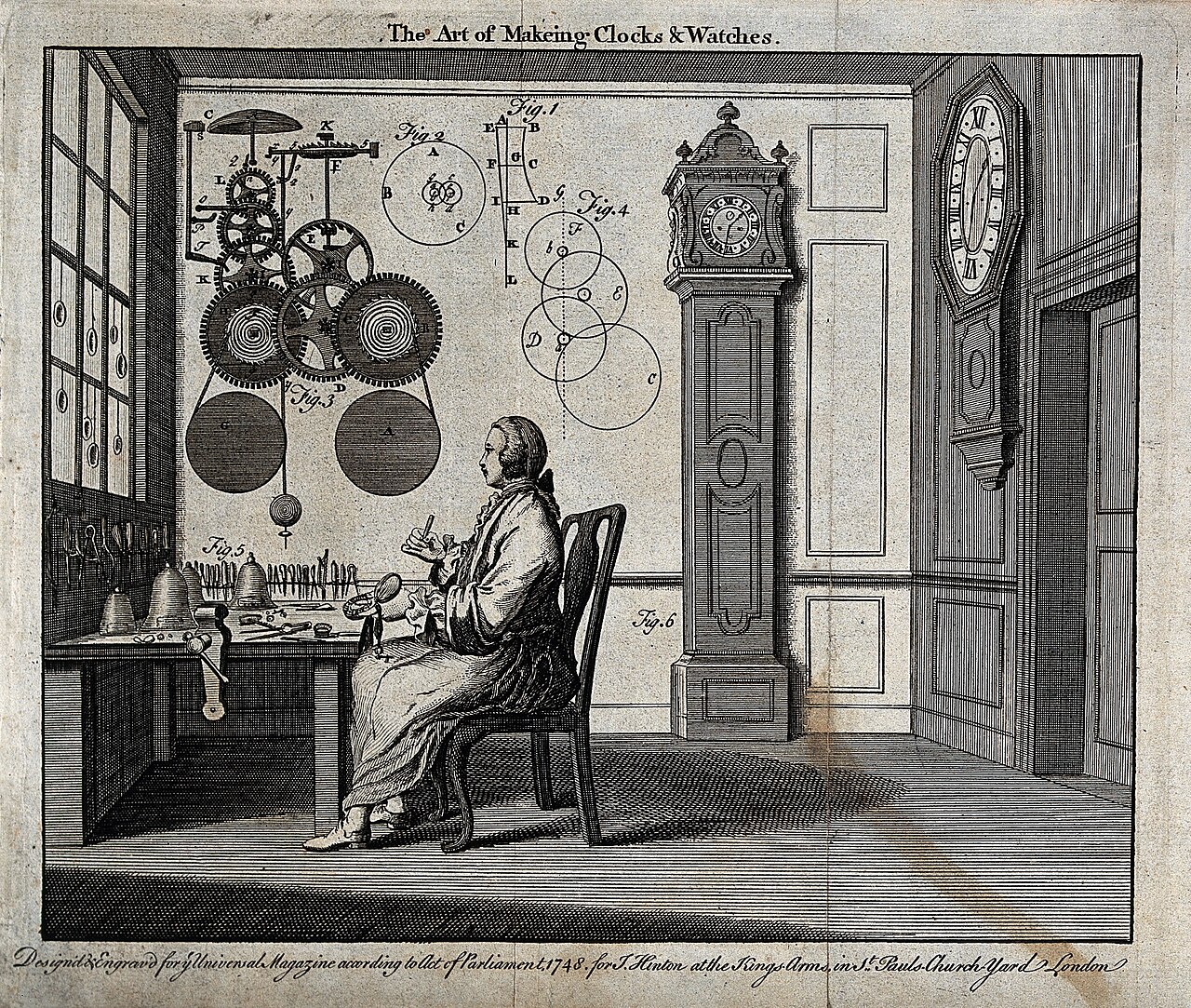
Watchmaker: The craftsman who builds and revives the tiny machine on the wrist — a trade that survived the quartz crisis and now has more work than trained hands.
A mechanical watch packs well over a hundred parts — some lighter than a grain of rice — into a case a few centimetres wide, and the watchmaker is the person who can build, adjust and repair that machine by hand. The trade took shape when the first portable watches appeared around Nuremberg and Augsburg in the early 1500s, and organized itself early: Geneva's watchmakers founded their guild in 1601, one of the first anywhere devoted to the craft alone.
There is no university route and no shortcut around the bench. Entry runs through a small number of watchmaking schools and apprenticeships — Geneva's school dates to 1824, and brands now fund academies from Pennsylvania to Manchester because they cannot hire enough qualified hands. Admission often starts with a dexterity test, and training means two to four years of filing, turning and assembling under a loupe before anyone trusts you with a customer's watch.
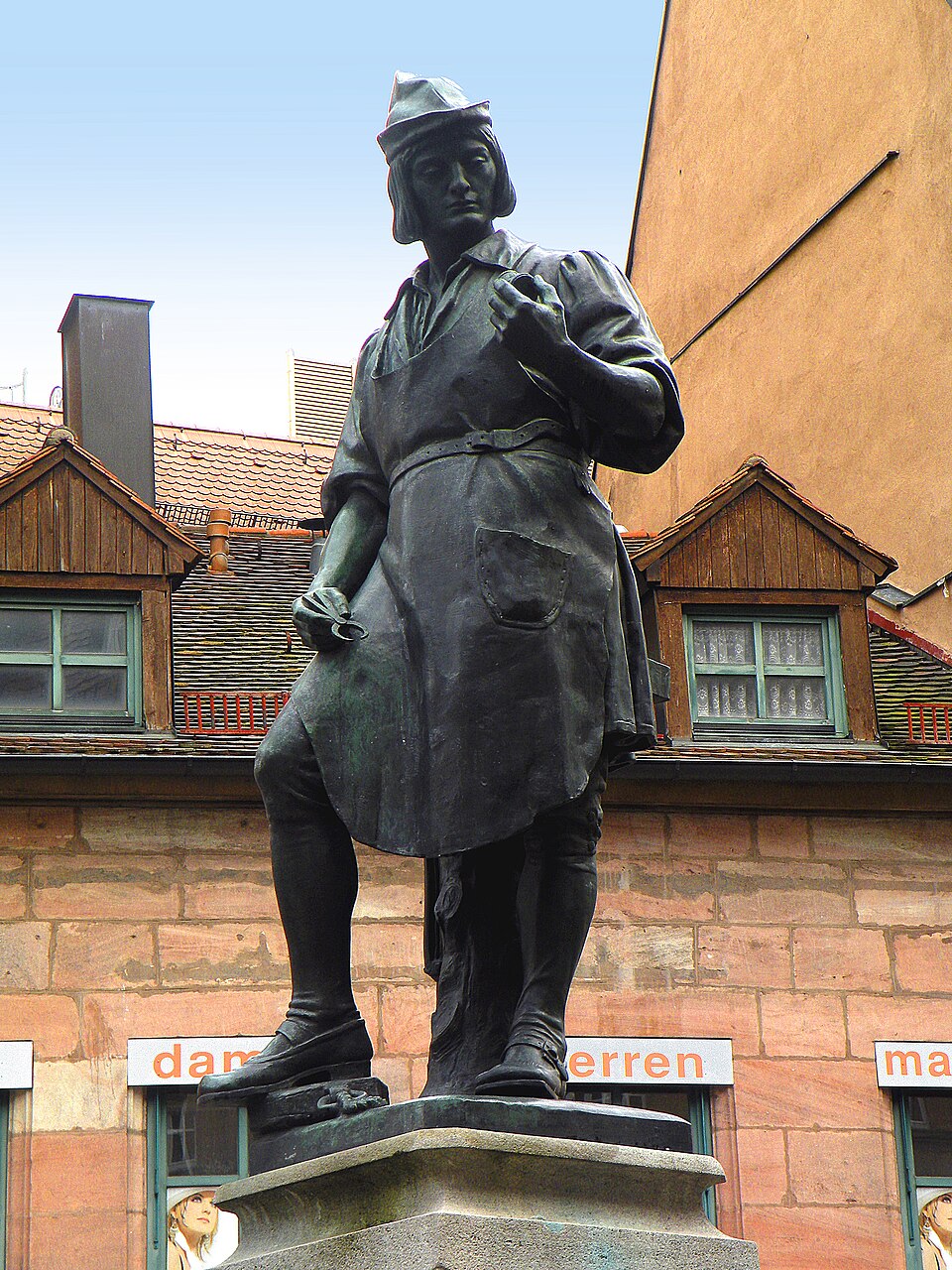
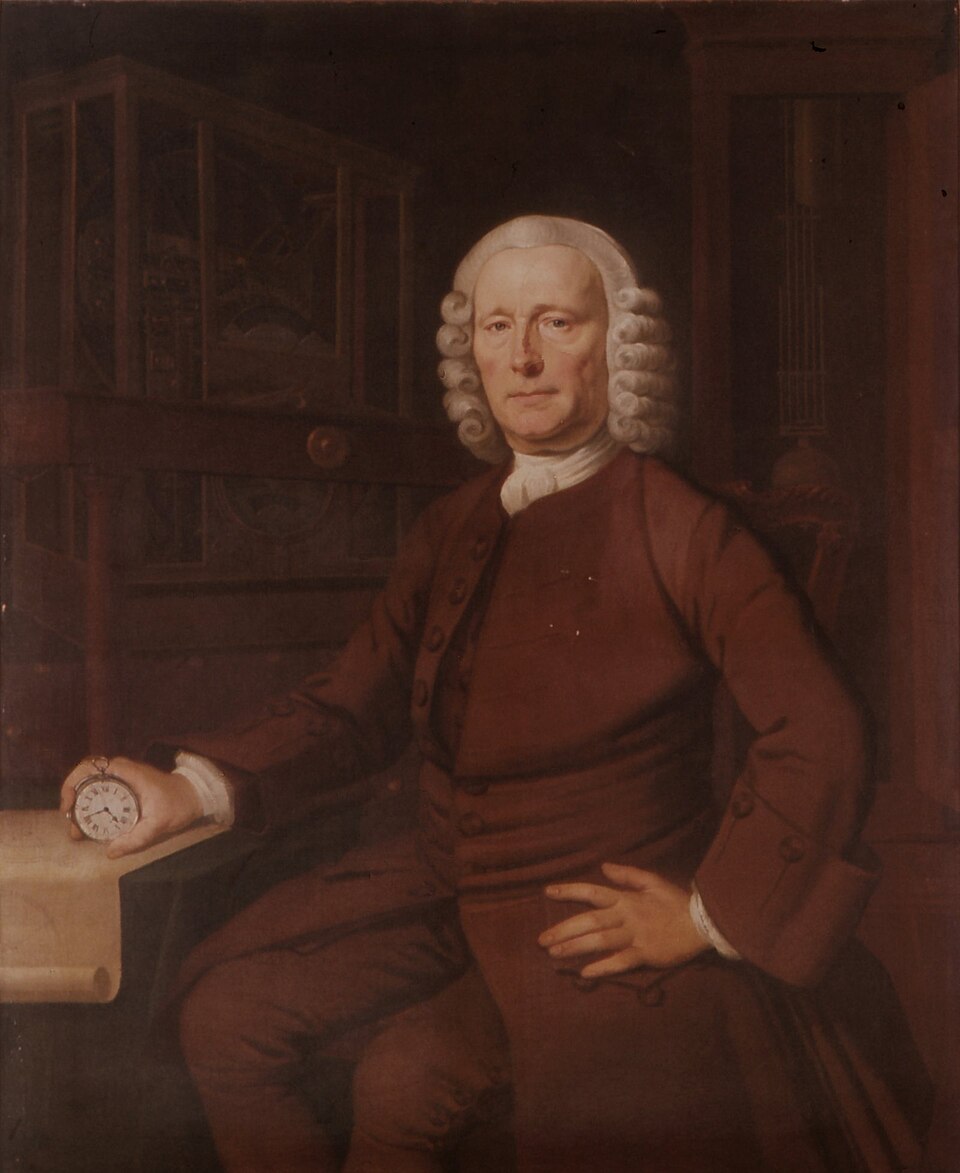
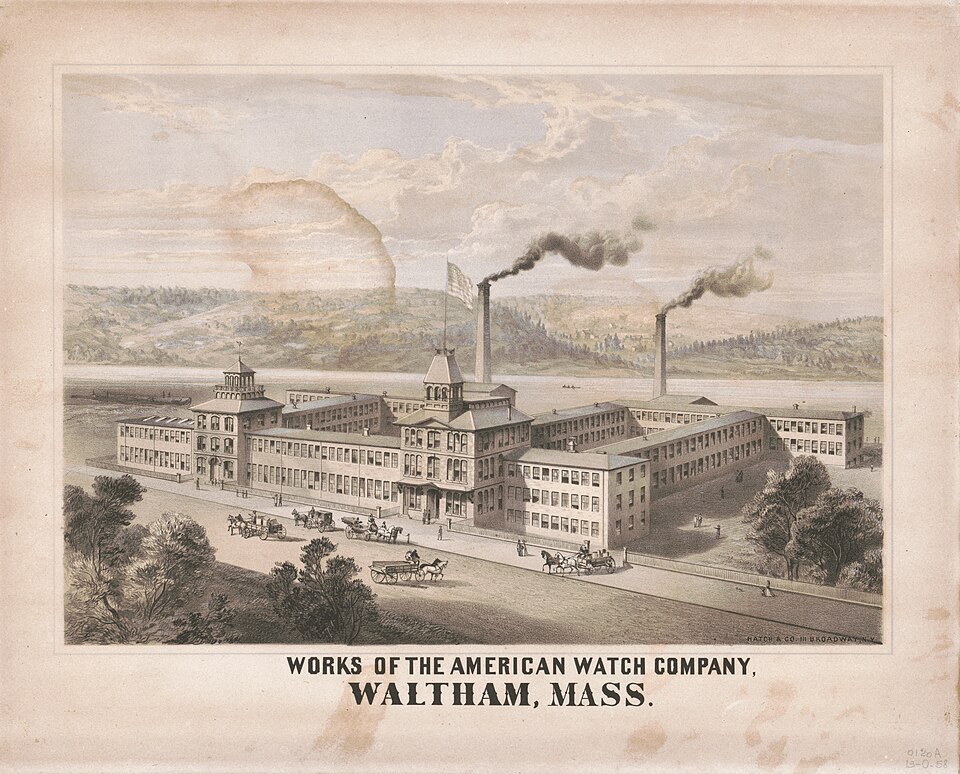
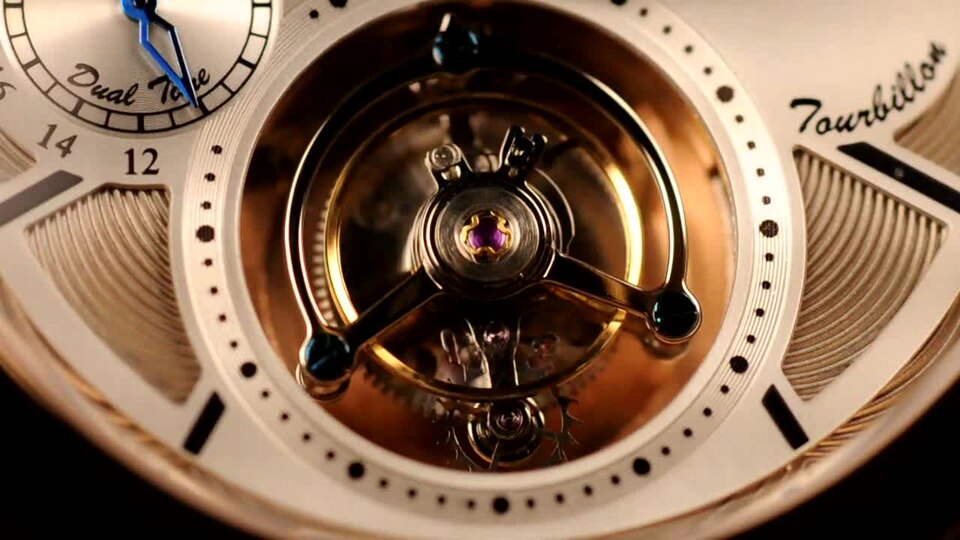
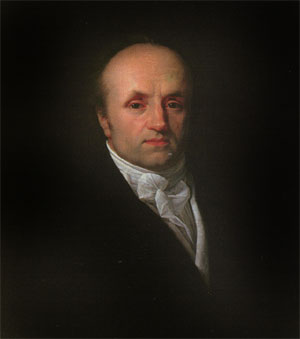
This page follows the trade from Peter Henlein's Nuremberg and Calvin's Geneva through John Harrison's longitude watch, Breguet's tourbillon and the quartz crisis that erased two-thirds of Swiss watchmaking jobs, to today's strange equilibrium: smartwatches outsell the entire Swiss industry, yet mechanical watchmaking is short of people. It covers how the training actually works, what the bench demands, who reached the top, and how much of the job machines can realistically take.
Inside the profession
Watchmaking is the craft of designing, assembling, adjusting and restoring the tiny machines that measure time — a trade that survived the quartz crisis by doubling down on mechanical skill the public still underprices.
Micro-mechanics under magnification
A mechanical watch is a power source, gear train, escapement and regulating organ packed into a case that must survive sweat, shock and magnetism. Watchmakers learn to diagnose by listening and observing amplitude, beat error and timing traces, then intervene with parts measured in fractions of a millimeter. Cleanliness, lubrication choice and endshake adjustment separate a watch that runs from one that runs with chronometric pretension. The craft is closer to precision instrument making than to jewelry retail, even when the object is sold as adornment. Mistakes are expensive because parts are small, scarce and often no longer made.
Manufacture, service and restoration diverge
Brand manufacture watchmakers work inside industrial tolerances, CNC support and quality systems. Independent restorers reverse-engineer obsolete calibres, fabricate parts and negotiate with owners about originality versus reliability. After-sales service centers fight throughput and water-resistance testing under warranty rules. Complications — chronographs, calendars, tourbillons — multiply failure points and required theory. Quartz and electronic modules add another competence stack. The romantic image of a lone bench artisan is real in restoration ateliers; it is incomplete as a map of modern employment inside Swiss, Japanese and microbrand supply chains.
After quartz, the prestige economy
The 1970s–80s quartz crisis destroyed many mechanical jobs and then, paradoxically, helped turn surviving mechanical skill into luxury signaling. Certification routes (such as WOSTEP-linked programs), brand academies and national vocational systems now gate access to serious benches. Collectors and auction markets raise the stakes of authentic restoration versus silent parts swapping. Marketing language about 'heritage' often outruns the anonymous polishers and timing adjusters who actually ship accuracy. Understanding the industry's economics — and its opacity — is part of professional literacy for anyone who works on clients' watches.
Measurement tools raised the ceiling, not the conscience
Timing machines, digital microscopes, laser welding and CNC part-making expand what a skilled hand can save. They do not decide whether to disclose a non-original wheel, whether to push a waterproofing claim the gaskets cannot support or whether to rush a demagnetizing job that should be rechecked. AI and automation may assist inventory and some inspection; the accountability for a returned watch that gains or loses minutes still sits with the person who signed the job card. The scarce resource remains judgment under magnification when a customer will never open the caseback.
How the work branches
Five common shapes of the same title — specialty, setting or career path.
Brand factories and ateliers
Manufacture / production watchmaker
Assembles and adjusts new movements inside industrial quality systems and brand standards.
Brand service centers and authorized workshops
After-sales service watchmaker
Diagnoses, overhauls and tests client watches under warranty and turnaround pressure.
Private ateliers
Independent restorer
Revives obsolete calibres, fabricates parts and balances originality against wearable reliability.
High watchmaking workshops
Complications specialist
Works chronographs, perpetual calendars and high complications with elevated theory and risk.
Service networks and retail workshops
Quartz / electronics technician-watchmaker
Handles battery, module, sensor and hybrid products that mechanical training alone does not cover.
How it reads by country
Same craft, different gatekeeping, status and daily texture — rewritten for readers in each language.
United States — service scarcity and collector demand
US watchmaking jobs concentrate in brand service hubs, independent ateliers and a smaller domestic manufacture scene. Formal training seats are limited relative to collector demand; many competent benches are filled by immigrants trained in Swiss, Asian or military instrument traditions.
South Korea — retail service and luxury growth
Korean watchmakers often work through authorized dealer service networks and independent shops serving a strong luxury-import market. Brand certification courses and precise customer-facing standards shape advancement more than a large domestic manufacture base.
Japan — industrial precision and Grand Seiko lineage
Japan sustains serious industrial watchmaking cultures alongside elite finishing traditions. Vocational precision, in-house calibres and a domestic service ethic give Japanese-trained watchmakers a distinct pathway from Swiss apprenticeship mythologies.
Germany — Glashütte tradition and dual vocational training
German watchmaking centers on Saxon manufacture heritage and structured Ausbildungswege. Precision culture, smaller manufacture ecosystems and restoration of historical German pieces support careers outside the Swiss marketing core.
United Kingdom — restoration strength and British revival
The UK is known for high-end restoration, independent makers and historic marine-chronometer lineages. Training routes exist but seats are scarce; much skilled work remains in small workshops serving collectors and insurers.
Singapore — regional service hub for Asia collectors
Singapore hosts brand boutiques and regional service capacity for Southeast Asian clients. Watchmakers work in a compact luxury market with high expectations for turnaround, documentation and multilingual client communication.
From the archive
Commons CC/PD images self-hosted for this profession.
Why attitude matters here
Watchmaking technique can make a movement beat again; whether the repair is honest about replaced parts, timing results and waterproof claims depends on attitudes a customer cannot verify without opening the case.
The owner cannot inspect the job under the dial
Most clients judge a service by whether the hands move and the date changes. They will not see a filed pivot that should have been replaced, a non-original wheel silently installed or a timing adjustment that looks fine in one position and fails in another. That information asymmetry makes the watchmaker's honesty about diagnosis and parts the actual product safety system for heirlooms and five-figure tools alike.
Throughput pressure rewards incomplete overhauls
Service centers measure turnaround and cost. Cleaning without addressing a worn escape wheel, skipping demagnetization checks or certifying water resistance after a hasty gasket job can clear a queue while setting up a future failure. Whether a watchmaker slows the ticket to do the work the movement needs — or ships to hit a KPI — is an attitude choice with water, shock and reputation consequences.
Heritage marketing tempts silent modernization
Collectors pay premiums for originality; reliability sometimes requires replacement. A restorer who swaps parts without disclosure, or who artificially ages new components to look period, may please a short-term aesthetic while falsifying the object's history. The craft's integrity lives in documentation: what was found, what was done, what is no longer original.
Stances that hold up under pressure
Five concrete postures the work rewards, not slogans.
Documents non-original parts on the job card
States clearly when a wheel, spring, jewel or dial element is replacement or modified, rather than returning a watch that silently misrepresents its originality to the next buyer, insurer or auction specialist who will treat silence as authenticity.
Times in multiple positions before calling it done
Checks rate and amplitude across positions and after settling time, instead of relying on a single flattering timing-machine screenshot for the customer packet while knowing the watch will spend most of its life in a different orientation.
Refuses a waterproof claim the seals cannot support
Declines to stamp or promise a depth rating when gaskets, crystal, caseback or pusher condition make the claim unsafe, even if the client wants to swim tomorrow and a competitor shop will cheerfully print the certificate.
Stops when magnification shows skill limit
Refers complications, metallurgy problems or obsolete calibres beyond real competence to a specialist, rather than improvising irreversible work on a client's irreplaceable movement because saying no feels like admitting inferiority.
Quotes the full overhaul before opening scope creep
Explains likely parts, risks and turnaround up front, and seeks approval when discovery changes cost, instead of surprising the owner after irreversible disassembly when walking away is no longer a real option.
Moments that reveal it
Situations that separate résumé language from how someone actually practices.
A timing trace is acceptable dial-up but unstable crown-down, and the service SLA is already late.
Does the watchmaker continue diagnosing the positional error and lubrication or endshake issue, or close the ticket because the customer will mostly wear it dial-up, the queue is full and the KPI board is already red?
An heirloom chronograph needs a part that is unavailable, and a modern substitute would work but change originality.
Does the watchmaker present options with clear documentation and wait for informed consent, or install the substitute quietly to deliver a running watch and avoid a difficult conversation about cost and authenticity?
A client insists on a pressure-test pass certificate after the case shows pitting that makes a trustworthy seal unlikely.
Does the watchmaker refuse certification and explain the risk in writing, or run a marginal test that keeps the relationship and shifts liability to the next water ingress when the watch is far from the bench?
A senior in a service center tells a junior to skip a full clean on a movement that 'mostly looks fine' to hit monthly throughput.
Does the junior escalate with photographic evidence of wear and sludge, or comply because challenging the senior endangers the apprenticeship seat, the reference letter and the next brand-academy nomination?
Where "calling" turns harmful
"Craft vocation" used to justify unpaid benches and prestige poverty
Watchmaking recruits on calling — love of mechanics, heritage, bench romance — then converts desire into underpaid apprenticeships, unpaid trial weeks and academy seats used as cheap skilled labor. Passion talk discourages trainees from questioning overtime or wages while luxury prices for finished watches far exceed what the hands that service them are paid.
The profile
Resists AI80
Pay42
Barrier to entry45
Autonomy74
Demand58
Impact35
How exposed is it to AI?
Low
Production assembly is already substantially automated and routine battery-and-module service is going the same way, which is real exposure for the trade's routine end. But repair and restoration — the majority of bench work — resists automation for a physical reason: every worn movement is a unique mechanical situation requiring diagnosis, disassembly and often hand-made parts. No robot strips and rebuilds a corroded 1955 chronograph, and the luxury market's core promise — human craft — makes automating the visible workmanship self-defeating.
Two to four years of full-time training is the norm. Switzerland's federal apprenticeship (CFC) runs three to four years; the industry-standard WOSTEP course in Neuchâtel takes 3,000 hours over roughly two years, and brand-funded schools such as the Lititz Watch Technicum in the US follow a similar two-year model. Most graduates then spend several more years in a service center before working unsupervised on complicated watches.
Is watchmaking a dying trade?
The opposite problem: the industry is short of watchmakers. Mechanical watches came back as luxury goods after the quartz crisis, Swiss exports hit a record CHF 26.7 billion in 2023, and the booming pre-owned market needs servicing too. Brands including Rolex and the Richemont group fund watchmaking schools in several countries precisely because retirements outpace the supply of trained graduates.
How much do watchmakers earn?
It depends heavily on country and level. US watch and clock repairers earned a median of roughly $55,000 in 2023 (BLS); experienced watchmakers at Swiss manufactures typically sit in the CHF 75,000–100,000 band. Complications specialists and successful independents earn well above that — a single watch from an elite independent maker can sell for six figures — while entry-level service work pays modestly everywhere.
Why does a watch service cost so much?
A full service means completely disassembling the movement — often more than a hundred parts — cleaning everything, replacing worn components, re-oiling with several different lubricants in doses smaller than a pinhead, then reassembling, regulating in multiple positions and testing for days. That is several hours of skilled bench time even for a simple watch, and far more for chronographs or vintage pieces with no spare parts available.
Can you learn watchmaking self-taught?
Partially, and there is a famous precedent: George Daniels, arguably the greatest watchmaker of the twentieth century, was largely self-taught. The British Horological Institute runs a respected distance-learning course with formal exams, and hobbyists can learn servicing on cheap movements. But brand service centers and insurers generally require recognized credentials such as WOSTEP or the AWCI's CW21, so most professionals still pass through a school.
What is the difference between a watchmaker and a horologist?
Horology is the science of measuring time, so a horologist may be a scholar, curator or engineer who never touches a bench. A watchmaker is the practical craftsman who makes, assembles or repairs watches. In everyday use the words overlap — many repairers call themselves horologists — but in the industry "watchmaker" specifically means someone qualified to work on movements.
Do you need perfect eyesight and steady hands?
You need correctable eyesight and controlled hands, not superhuman ones. Watchmakers work through loupes and microscopes that magnify far beyond what unaided eyes could resolve, and technique matters more than raw steadiness: parts are held with dressed tweezers at minimal pressure, wrists braced on the bench. Schools test manual dexterity at admission, but they are testing patience and control, not youth.
What was the quartz crisis?
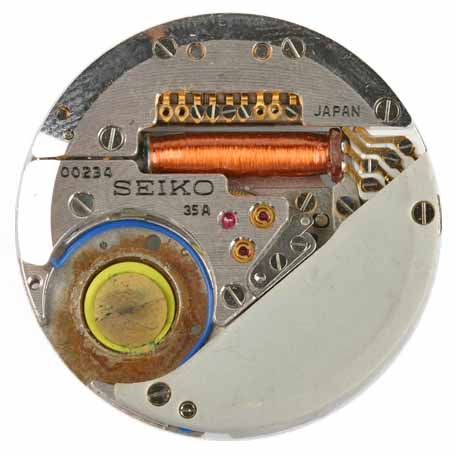
Between roughly 1970 and 1983, cheap and more accurate quartz watches — launched by Seiko's Astron in December 1969 — collapsed the market for mechanical ones. Swiss watch-industry employment fell from about 90,000 to under 35,000, and hundreds of companies closed. The industry survived by consolidating (the merger that created today's Swatch Group), launching the plastic Swatch in 1983, and repositioning mechanical watches as luxury craft objects.
Embed this ranking
Paste this code into your blog or site — the ranking stays up to date.