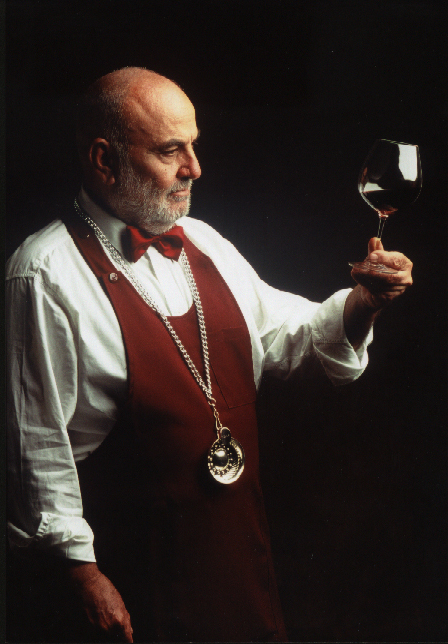
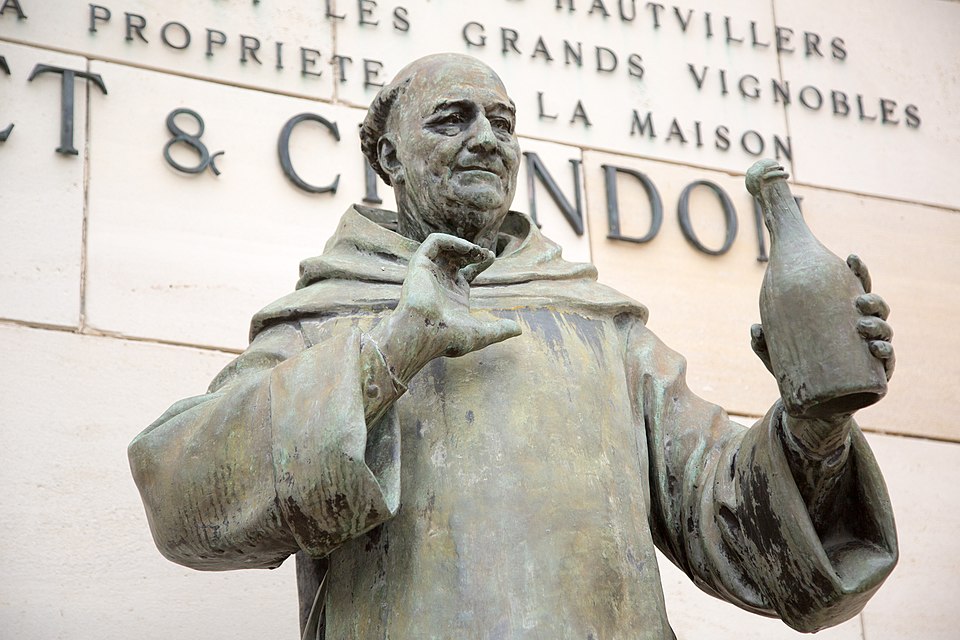
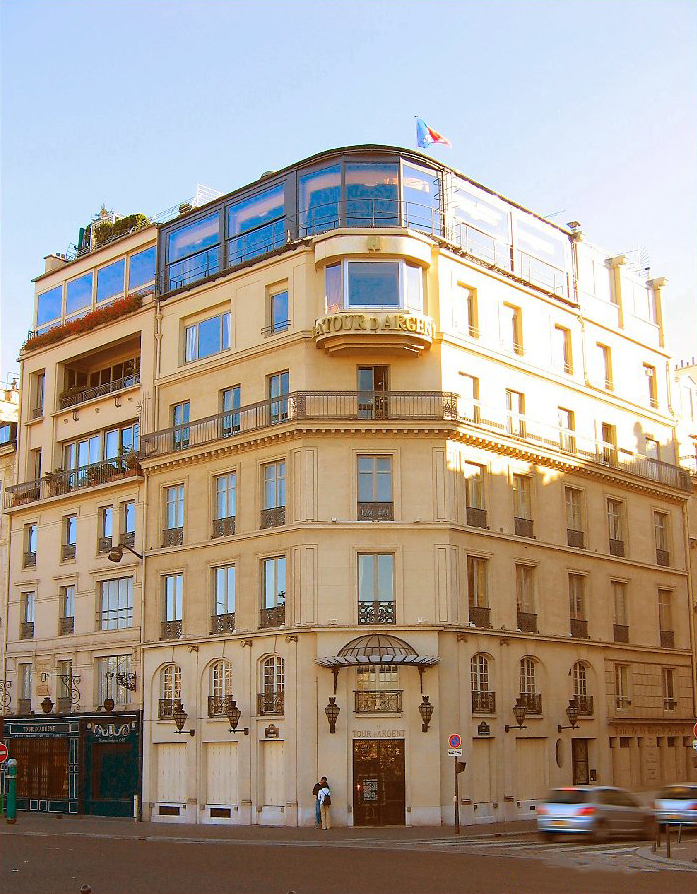
From cupbearers who tasted a king's wine to blind-tasting floor professionals: how the sommelier turned pouring into one of hospitality's most exacting crafts.
Sommelier: From cupbearers who tasted a king's wine to blind-tasting floor professionals: how the sommelier turned pouring into one of hospitality's most exacting crafts.
"Sommelier" descends from the Old French sommier, the pack animal, by way of the household officer who drove a lord's baggage train and answered for his provisions. The word remembers what the job originally was: not luxury but trust. Long before restaurants existed, the person who kept the wine also tasted it before the ruler drank — in Egyptian, Persian and medieval European courts, a cupbearer's palate stood between the powerful and poison, which is why the office often went to confidants of high rank.
It remains one of the few elite professions with no license anywhere on earth. Nothing legally stops anyone from printing "sommelier" on a business card; what sorts the trade instead is the floor — years of service under chefs and wine directors — and a ladder of voluntary exams so hard they became famous. The Master Sommelier diploma, first examined in London in 1969, has been earned by only around 270 people ever, and its blind-tasting section asks for grape, country, region and vintage on six wines in twenty-five minutes.
This page follows the craft from the 8,000-year-old wine jars of Georgia and the labeled vintages in Tutankhamun's tomb, through the wine criers of medieval Paris and the first Paris sommeliers' union of 1907, to 1969 — the single year that produced the ASI, the Master Sommelier exam, the WSET and Japan's sommelier association. It covers how people actually enter the trade, what a service day demands, who reached the top, what the work pays on four continents, and how much of it software can honestly take.
Inside the profession
A sommelier is not a walking wine list: the job is matching bottle, food, budget and mood under the pressure of a dining room that will not pause for a lecture.
Service is the real exam
Tasting notes matter less than reading a table: celebrating guests who want spectacle, a business dinner that wants quiet competence, a guest who says "something like Pinot" and means soft red, not necessarily Pinot Noir. Opening, decanting and pacing with the kitchen are craft under lights. A bottle that is technically perfect but arrives after the main course has failed the only test that counts in a restaurant — timing and hospitality under commercial pressure.
Cellar economics beat romance
Buying, storing and rotating inventory is capital management with corks. Temperature failure, corked bottles, slow movers and allocation politics with distributors decide whether a wine program profits. The sommelier who can defend a by-the-glass list that sells, trains floor staff who will not bluff, and writes off losses honestly is doing the job that owners actually fund. Prestige allocations are a side quest; cash flow is the main plot.
Taste is trained, bias is managed
Blind tasting drills build recognition of structure — acid, tannin, sweetness, oak, fault — not mystical gifts. Equally important is knowing when personal preference is irrelevant: the guest's palate, the dish's spice and the house style win. Certification paths (Court of Master Sommeliers, WSET and national schemes) organise knowledge, but floor judgement still comes from repetition: tasting with chefs, tracking what guests reorder, and admitting uncertainty instead of inventing origins.
Beyond the dining room
Hotel groups, cruise lines, retail, importing, education and beverage-director roles pull trained sommeliers off the floor. Some stay close to guests; others become buyers or brand educators. Alcohol service laws, tipping cultures and restaurant margins shape whether the role feels like craft hospitality or precarious sales work. The profession's public image is velvet and crystal; its daily reality is inventory counts, staff training and managing expectations about price.
How the work branches
Five common shapes of the same title — specialty, setting or career path.
Fine-dining and hotel restaurants
Floor sommelier
Sells and serves wine tableside, coordinating with kitchen timing and guest mood.
Restaurant groups and large hotels
Head sommelier / beverage director
Owns list strategy, buying, staff training, margins and supplier relationships.
Independent shops and specialist merchants
Retail wine specialist
Guides customers by budget and occasion without the theatre of full table service.
Distribution houses and estate agencies
Importer / buyer
Travels, tastes and negotiates allocations that later appear on restaurant lists.
Certification schools and corporate tasting rooms
Wine educator
Teaches systematic tasting and service standards to students and trade staff.
How it reads by country
Same craft, different gatekeeping, status and daily texture — rewritten for readers in each language.
United States — tip culture and CMS prestige
Court of Master Sommeliers credentials carry outsized status, especially in major cities. Tip-dependent pay can make strong sales nights lucrative and slow ones punishing. State alcohol laws fragment what can be sold and shipped; large restaurant groups increasingly hire beverage directors rather than lone floor stars.
South Korea — hotel dining and soju-to-wine shift
Luxury hotels and high-end restaurants drive much of the formal sommelier market, while younger drinkers expand wine and natural-wine curiosity beyond traditional spirits. Import lists and education brands matter; pairing with Korean banchan and barbecue requires local judgement that European textbooks do not supply.
Japan — precision service and domestic wine growth
Service standards in top restaurants are exacting, and sommeliers often work within tightly choreographed rooms. Interest in Japanese wine regions and sake expertise sits alongside classic European lists. Formal study is respected; quiet competence usually outranks theatrical presentation.
Germany — Weinfachwissen and regional pride
Deep domestic wine culture and formal trade qualifications shape careers differently from Anglo CMS routes. Sommeliers in hotels and Michelin rooms navigate guest knowledge that can be high, especially on Riesling and Spätburgunder. Collective agreements in some hospitality groups contrast with freelance tasting and event work.
United Kingdom — WSET pipeline and London lists
WSET qualifications are a common scaffold for retail and restaurant careers. London's dining scene concentrates opportunity and cost of living pressure; outside the capital, hotel and country-house work dominates. Brexit-era import friction has made sourcing and pricing part of daily expertise.
Singapore — import hub and luxury hospitality
As a re-export and fine-dining hub, Singapore exposes sommeliers to wide allocations and affluent, internationally travelled guests. Heat and storage logistics matter; hotel groups and casino-adjacent dining are major employers. Certifications help mobility across Asia's hospitality circuit.
From the archive
Commons CC/PD images self-hosted for this profession.
Why attitude matters here
A sommelier's palate can be drilled; what keeps a dining room honest is whether they sell the right bottle for the table — not the bottle that flatters their ego or the week's inventory problem.
Guests buy trust before they buy wine
Most diners cannot verify vintage charts at the table. They extend trust based on how a sommelier listens, prices transparently and reacts when a bottle is corked. That trust collapses if recommendations track only high margin or personal flex. Attitude here is fiduciary: temporary custody of someone else's celebration and budget.
Faults demand courage in front of a room
A corked or cooked bottle is unambiguous to a trained nose and ambiguous to a proud guest who fears looking ignorant. Replacing it quickly, without theatre that humiliates the table, is trained character. Pretending the wine is "just breathing" to avoid a write-off is how rooms learn not to trust the wine staff.
Floor teams only sell what they are taught without fear
Servers who are mocked for asking questions will bluff tasting notes. The sommelier who builds short, true talking points and tastes staff through the by-the-glass list multiplies competence. Knowledge hoarded as status produces a single expert and a floor of guesswork on busy nights.
Stances that hold up under pressure
Five concrete postures the work rewards, not slogans.
Asks what the table is eating and spending before naming icons
Leading with a trophy bottle ignores cuisine, spice and budget. Starting from dish, preference and comfort zone — then offering a stretch option — is the behaviour that separates hospitality from performance aimed at the sommelier's own reputation.
Tastes by-the-glass pours at the start of every service
Oxidation overnight, a mis-set tap or a forgotten open bottle will not announce itself on the floor. Daily tasting is dull and non-negotiable; skipping it because "we know this wine" is how faults reach guests first and become the night's story.
Explains a corked bottle without making the guest audition
Inviting the guest to "see what they think" can be pedagogical; requiring them to prove the fault before replacement is gatekeeping. The stance is: trained staff own the call, replace promptly, educate gently if welcome, and never turn a fault into a test of the diner's confidence.
Defends cellar temperature and storage like food safety
Accepting warm storage or vibrating racks because "it is only retail overflow" treats guests as the quality-control step. Fighting for proper storage is unglamorous advocacy that never appears on a social post and still decides whether the list tastes as written.
Writes off losses in the system instead of hiding them
Quietly pouring out a fault and pretending the bottle sold, or pressuring staff to push damaged stock, corrupts inventory and trust. Honest waste logs are part of beverage craft, not a confession of failure to be buried before inventory week.
Moments that reveal it
Situations that separate résumé language from how someone actually practices.
A guest sends back a bottle the sommelier personally loves; the nose says cork taint, the manager eyes the cost.
Does the sommelier replace it immediately and document the fault for the cellar log, or negotiate the guest into keeping a compromised bottle to protect monthly beverage cost and a personal attachment to the label?
The kitchen fires mains while the decanted wine is still tight and the table is waiting on a speech about the producer.
Does service pace yield to the food, with a shorter true explanation and a promise to return — or does the sommelier finish the monologue while steaks cool because the story felt more important than the plate?
A server asks for a pairings crib sheet before Saturday service and admits they do not understand tannin.
Does the sommelier teach a five-minute usable framework the floor can repeat without lying, or answer with contempt that teaches the server to invent answers on the floor instead of asking again when a guest presses?
An allocator offers a rare case in exchange for taking three cases of a slow-moving wine that does not fit the list.
Does the buyer decline or renegotiate based on what the restaurant can actually sell by the glass and bottle, or accept dead stock to feed a personal allocation trophy that looks good in trade gossip?
Where "calling" turns harmful
"Exposure" wine events as unpaid labour
Trade tastings, pop-ups and influencer dinners routinely ask sommeliers to work for "exposure," free product or networking — as if rent were paid in residual prestige. Passion for wine becomes the lever that extracts unpaid service hours from people who already study on their own time. If the event needs a professional on the floor, it needs a professional wage on the invoice.
The profile
Resists AI72
Pay45
Barrier to entry35
Autonomy58
Demand48
Impact34
How exposed is it to AI?
Low–moderate
Roughly a quarter of the work — pairing lookups, inventory management, list analytics, routine wine education — is realistically automatable now or soon. The core is not: no system yet tastes a bottle for cork taint at the moment of service, reads a table's occasion and budget from posture and hesitation, or carries personal accountability for a cellar's capital. The role most exposed is the entry-level recommendation function; the role least exposed is the trusted floor professional who verifies and vouches.
Far more than recommend bottles at the table. A working sommelier builds and prices the wine list, buys from importers and negotiates allocations, manages a cellar that can tie up hundreds of thousands of dollars in stock, trains the service staff, tastes deliveries for faults, and runs wine service through dinner — decanting, pairing and reading each table's occasion and budget.
Do you need a degree or license to become a sommelier?
No country licenses sommeliers, and no degree is required. The trade runs on floor experience plus voluntary credentials: the Court of Master Sommeliers ladder, the WSET's four levels, France's state Mention Complémentaire, Japan's J.S.A. exams. Restaurants hire on service skill and palate first; many respected wine directors hold no certificate at all, though the exams increasingly function as a shared global standard.
How long does it take to become a sommelier?
Roughly two to four years from a first restaurant job to a certified sommelier position, and five to eight to run a serious list as head sommelier. The Master Sommelier diploma typically takes a decade or more of combined floor work and study; most who attempt it never finish, since each of its three sections can be failed and retaken for years.
Why is the Master Sommelier exam considered so hard?
Because it examines three different crafts at once: an oral theory grilling across every wine region, law and spirit category on earth; a service exam performed live under sabotage-level pressure; and a blind tasting of six wines in twenty-five minutes, calling grape, origin and vintage. Since the first London exam in 1969, only around 270 people have ever passed all three.
How much do sommeliers earn?
In the United States, head sommeliers cluster around $70,000–$85,000 with wine directors above $100,000 (2023–24 surveys); holders of the Master Sommelier diploma averaged about $160,000 in a 2019 industry survey. London head sommeliers typically earn £32,000–£50,000, French sommeliers €26,000–€40,000 plus service, and Japanese hotel sommeliers roughly ¥4–6 million (2024).
How do sommeliers identify a wine blind?
By deduction, not magic. The standard method — codified in the Court of Master Sommeliers' tasting grid — works from evidence to conclusion: color and rim, aroma families, then acid, tannin, alcohol and texture on the palate, each narrowing climate, grape and winemaking before any name is spoken. Candidates calibrate for years against benchmark bottles in practice groups, always concluding last.
Do sommeliers drink all day?
They taste; they rarely swallow at work. Professional tasting means small measures and the spittoon, because a palate dulled by alcohol misses faults and a service shift requires full judgment. The occupational risk is real all the same — the trade openly discusses alcohol dependence, and industry sobriety movements and zero-proof pairing programs have grown fast since the late 2010s.
Will apps and AI replace sommeliers?
Software already suggests pairings, tracks cellars and drafts tasting notes, and it will absorb more of that work. What it cannot do is taste — verify that this bottle, tonight, is sound — or read a table, carry a cellar's financial risk, and turn a guest's vague craving into a bottle they trust. The floor craft survives; the desk work around it automates.
Embed this ranking
Paste this code into your blog or site — the ranking stays up to date.