🍷Origins & Evolution

Sommelier · From cupbearers who tasted a king's wine to blind-tasting floor professionals: how the sommelier turned pouring into one of hospitality's most exacting crafts.

Wine is older than writing, and the person trusted to keep and pour it is nearly as old. Residue in clay jars from Gadachrili Gora in Georgia, published in 2017, pushes winemaking back to about 6000 BCE; by the time Tutankhamun was buried around 1323 BCE, Egyptian jars carried the year, the estate and the name of the responsible vintner — labels that only make sense if somebody could tell the difference and answer for it.

For most of its history the job was not about pleasure but accountability. The court cupbearer tasted before the king to prove the wine unpoisoned; the medieval sommelier answered for a household's provisions with his position; the modern sommelier answers for a cellar worth more than the kitchen. The tools changed from silver cup to Coravin, but the underlying contract — trust me with what you drink — has never changed.

Where it began

c. 2000 BCEEgypt, Mesopotamia & Persia

The profession's root is the cupbearer, one of the ancient world's most trusted offices. Egyptian tomb reliefs show ranked wine servants; the Book of Genesis turns on Pharaoh's chief cupbearer, imprisoned and restored; and around 445 BCE Nehemiah, cupbearer to the Persian king Artaxerxes I, held a post intimate enough to make him a royal adviser. The cupbearer tasted first, guarding against poison as much as bad wine — an origin the modern service ritual of tasting before the guest still quietly repeats.

Timeline

c. 6000 BCEWine before the waiter

Chemical residue in Neolithic pottery from Gadachrili Gora and Shulaveris Gora in Georgia, published in PNAS in 2017, is the earliest firm evidence of grape winemaking — roughly eight thousand years before anyone was paid to serve it. Georgia's qvevri tradition of burying fermentation jars continues to this day.

c. 1323 BCEVintage labels in Tutankhamun's tomb

The pharaoh's tomb held about two dozen wine jars inscribed with the harvest year, the vineyard estate and the chief vintner's name — effectively the world's oldest wine labels. Administration that precise implies palates that could rank one jar above another, and careers that depended on the ranking.

c. 500 BCEThe Greek symposium sets the rules

At the Greek drinking party, wine was never served neat: it was blended with water in a krater, and an elected symposiarch fixed the dilution and the pace for the whole company. Choosing the wine, judging its strength and controlling the room — the sommelier's job description, twenty-five centuries early.

c. 1268Paris regulates the wine criers

Étienne Boileau's Livre des métiers, the great codification of Paris guild trades, includes the crieurs de vin — criers who walked the streets with a cup and a jug, pouring samples and shouting the price of a tavern's new barrel. Tasting, salesmanship and regulation were already fused into one licensed trade.

14th centuryThe word "sommelier" arrives

In French royal and noble households, the sommelier — from sommier, the pack animal, via the officer who drove the baggage train — answered for transporting and safeguarding provisions. Over the following centuries the title narrowed to the servant responsible for the lord's cellar, table linen and wine.

1782The restaurant is invented, and hires a cellar

Antoine Beauvilliers opened La Grande Taverne de Londres in Paris, widely counted as the first grand restaurant, with a cellar to match its kitchen. After 1789, cooks and cellar-men of dispersed noble households poured into the new restaurant trade — turning the court sommelier into a public one anyone could hire by the bottle.

1907Paris sommeliers organize

The Union des Sommeliers de Paris, founded in October 1907, gave the trade its first professional association — a body for training, placement and defending the métier's standards. Its successors, merged into the Union de la Sommellerie Française, still run France's national Best Sommelier competition.

1935France writes the appellation map

The creation of the INAO and the appellation d'origine contrôlée system turned wine origin into codified, examinable law — Chablis had to come from Chablis. For sommeliers this transformed the wine list from a merchant's assortment into a legal geography a professional could master, and be tested on.

1969The credential big bang

One year produced the modern profession's entire scaffolding: the Association de la Sommellerie Internationale was founded in Reims and launched its world championship; the first Master Sommelier examination was held in London; the Wine & Spirit Education Trust was established; and Japan's sommelier association was born the same year.

2012SOMM and the somm boom

Jason Wise's documentary SOMM followed four candidates through the Master Sommelier exam and turned an obscure ordeal into popular culture, abbreviating the job's very name. Candidacies surged worldwide in the decade that followed, and "somm" entered English as shorthand for a new kind of wine celebrity.
The eras

c. 3000 BCE – 476 CE

Cupbearers of the ancient world

From Egypt's labeled royal vintages to the Persian court where Nehemiah served Artaxerxes I, the ancient wine servant was defined by proximity to power: he tasted first, so his ruler could drink safely. Greece formalized connoisseurship at the symposium, where a symposiarch governed dilution and pace, while Roman households delegated their cellars to the cellarius — often an enslaved specialist whose expertise was prized even when his person was property.

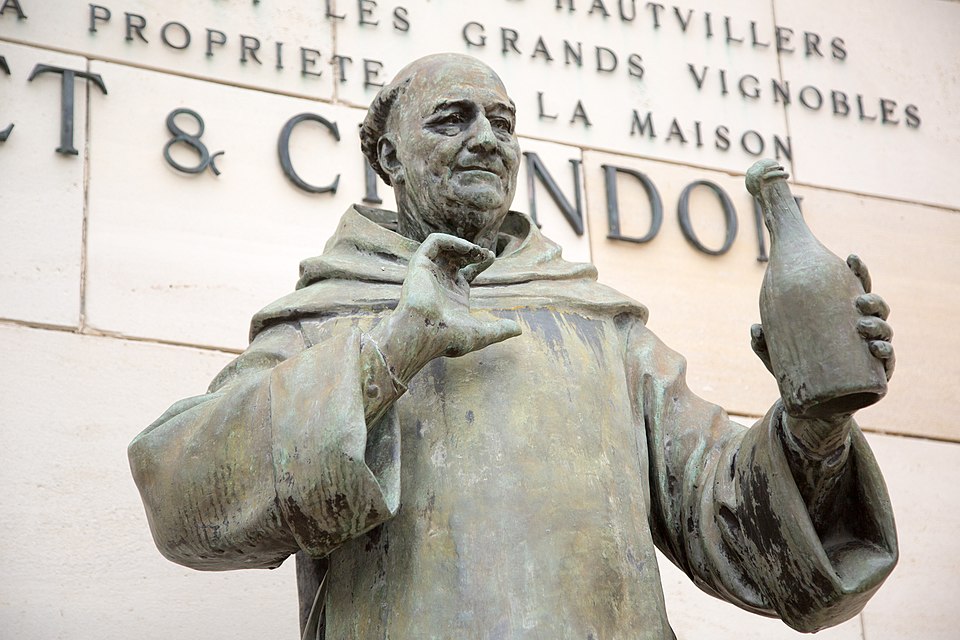
Statue of Dom Pierre Pérignon, the Benedictine cellar master of Hautvillers.
Victor Grigas · CC BY-SA 4.0 · Wikimedia Commons
476 – 1700

The household office

Medieval Europe split wine service into offices: the échanson poured for kings — France's Grand Échanson was a great officer of the crown — while the sommelier ran provisions in noble households and monasteries kept the era's best cellars. The most famous cellarer, Dom Pierre Pérignon at the Abbey of Hautvillers from 1668 to 1715, spent five decades perfecting the blending of grapes from many villages into one wine, a doctrine of assemblage that still governs Champagne.

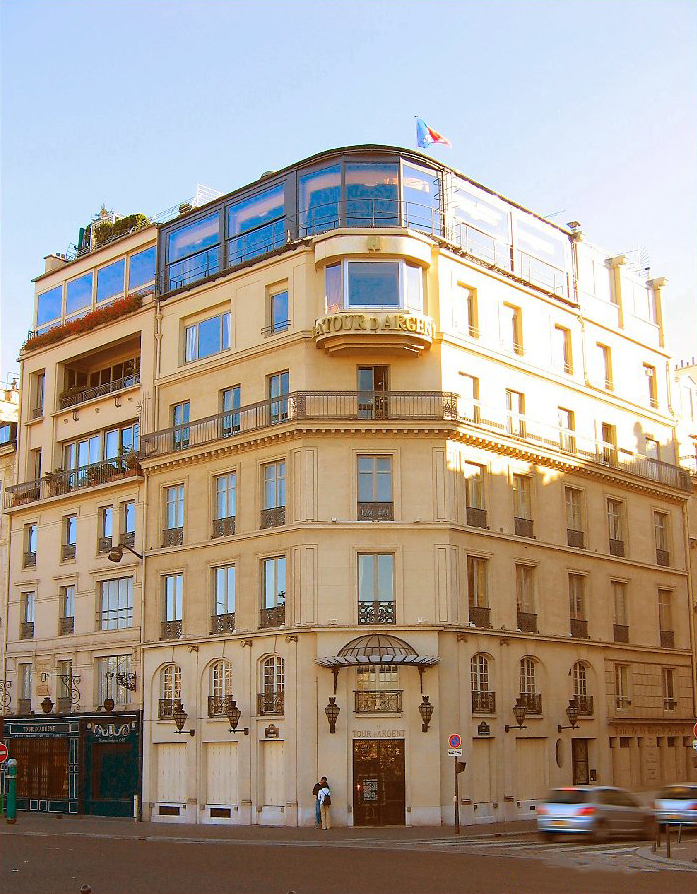
La Tour d'Argent in Paris, whose cellar became one of the most famous in the world.
Davequ at English Wikipedia · CC BY-SA 3.0 · Wikimedia Commons
1700 – 1900

From palace to restaurant

The Paris restaurant, born in the 1780s and swollen after the Revolution scattered noble households, gave the sommelier a paying public. Grand establishments competed on cellars as much as kitchens: La Tour d'Argent's grew into one of the world's largest, and the great hotels of the Belle Époque made the black-aproned sommelier with his silver tastevin a fixture of European luxury from Paris to Monte Carlo.

1900 – 1969

Unions, appellations and the tastevin

The trade professionalized: Paris sommeliers unionized in 1907, France's 1935 appellation law turned wine origin into examinable fact, and Burgundy's Confrérie des Chevaliers du Tastevin, founded in 1934, dressed the tasting cup in ceremonial robes. The era's defining act of cellar-craft was defensive — in 1940, La Tour d'Argent's staff walled up the best of its vast cellar behind brick to hide it from the occupying Germans, and much of it survived the war.

1969 – present

The competitive credential era

After 1969's simultaneous founding of the ASI, the Master Sommelier exam, the WSET and Japan's sommelier association, the craft globalized at speed. Shinya Tasaki's 1995 world-championship win in Tokyo ignited an Asian sommelier boom; the 2012 documentary SOMM made the exam ordeal famous; and the Court of Master Sommeliers was forced into reform after a 2018 exam leak and a 2020 harassment investigation — growing pains of a trade that had become, for the first time, a global career.

What this job replaced

Neighbouring trades that no longer exist — absorbed, automated or regulated away.

Royal cupbearer (échanson)

c. 2000 BCE – 1789

For nearly four millennia, courts from Egypt to Versailles kept an officer whose duty was to pour the ruler's wine and taste it first against poison. In France the Grand Échanson ranked among the great officers of the crown, a post held by high nobility. The office died with the courts themselves — the French Revolution abolished it in 1789 — leaving only its ghost in the modern ritual of the sommelier tasting before the guest.

Wine crier (crieur de vin)

c. 1200 – c. 1700

Medieval Paris licensed criers who walked the streets each morning with a jug and cup, pouring passers-by samples of whichever tavern's barrel had just been broached and shouting its price — a trade codified in Étienne Boileau's Livre des métiers around 1268. Printed announcements, bottled wine and fixed shopfronts slowly erased the job; the sommelier inherited its tasting cup and its salesmanship.

Courtier-gourmet-piqueur de vins

1322 – 1791

Paris chartered sworn wine broker-tasters — courtiers-gourmets-piqueurs — in 1322 to taste every barrel arriving at the city's ports, certify its soundness and broker its sale, with a legal monopoly on the trade. The Revolution's abolition of guild monopolies in 1791 ended the office's power, though a ceremonial confraternity of the name survives in Paris to this day as one of France's oldest corporations.

Trades that vanished →

The through-line of this history is that the wine itself was never the point — trust was. The cupbearer proved the cup safe; the piqueur certified the barrel; the modern sommelier stakes a reputation on every bottle sold. Each era simply found a new institution to hold that trust: the court, the guild, the union, the diploma.

It is also a history of repeated survival. The trade outlived the courts that created it, the guilds that codified it and the fashion cycles that periodically declared it pretentious. A profession that has been reinvented by the restaurant, the appellation, the airliner and the documentary camera is unlikely to be finished off by a recommendation algorithm.

Keep exploring

More in Craft & Trade