c. 1470 BCEHatshepsut's expedition to Punt
Reliefs at the queen's mortuary temple at Deir el-Bahari record five ships sailing from Egypt to the Land of Punt — probably around the Horn of Africa — and returning with live myrrh trees, gold, ebony and incense. The carvings show the ships' rigging, oarsmen and officers, making it the oldest sea expedition depicted, not just mentioned, in the historical record.
c. 1160The Rolls of Oléron codify the master's duties
Issued from the island of Oléron and traditionally linked to Eleanor of Aquitaine, this Atlantic maritime code spread through the ports of France, England and the Low Countries. It made the shipmaster's obligations explicit: consult the crew before sailing in doubtful weather, answer for cargo lost through negligence, and care for sailors injured in the ship's service — sea law with the master at its center.
1405Zheng He's first treasure voyage
The Yongle Emperor dispatched a fleet recorded at over 250 ships and some 27,000 personnel from Nanjing to India under the admiral Zheng He — the largest wooden fleet ever assembled. Across seven voyages to 1433 the fleets reached Arabia and East Africa, an exercise in fleet command and logistics unmatched anywhere for centuries.
1522Elcano completes the first circumnavigation
On 6 September 1522 Juan Sebastián Elcano brought the Victoria into Sanlúcar de Barrameda with 18 exhausted survivors of the roughly 265 men who had left Spain three years earlier under Magellan, who was killed in the Philippines. The spices in her hold covered much of the expedition's cost, and the voyage proved a single ship could be commanded around the entire planet.
1761Harrison's chronometer solves longitude
On its trial voyage to Jamaica, John Harrison's H4 marine timekeeper lost only seconds over 81 days at sea, finally letting a master fix longitude from the deck of a moving ship. James Cook carried Larcum Kendall's K1 copy on his second Pacific voyage and called it "our trusty friend the watch" — position-finding passed from educated guesswork to instrument reading.
1876The Plimsoll line limits the master's cargo
After Samuel Plimsoll's parliamentary campaign against overloaded, over-insured "coffin ships" that drowned crews for their owners' profit, Britain's Merchant Shipping Act of 1876 forced a load line onto every hull. For the first time, a painted mark on the ship's side — not the owner's ambition — set the legal limit on what a master could be ordered to carry.
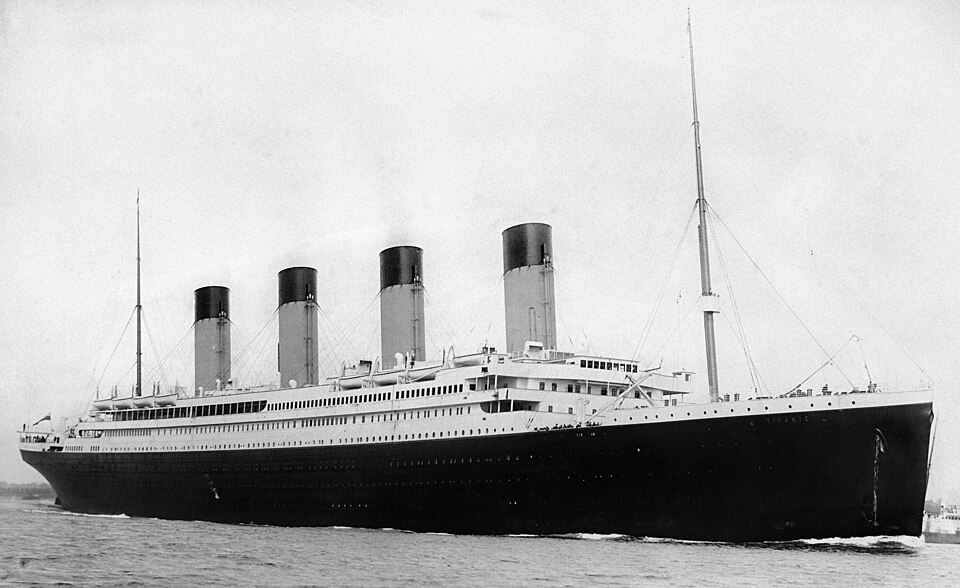
1912–14Titanic sinks; SOLAS is born
The loss of the Titanic and some 1,500 people under Captain Edward Smith in April 1912 exposed how far ship size had outrun safety law: lifeboat capacity was set by tonnage, not by people aboard. The first International Convention for the Safety of Life at Sea followed in 1914, requiring lifeboats for all, continuous radio watch and an ice patrol — the treaty that still governs a master's safety duties today.
1956The container makes the modern ship
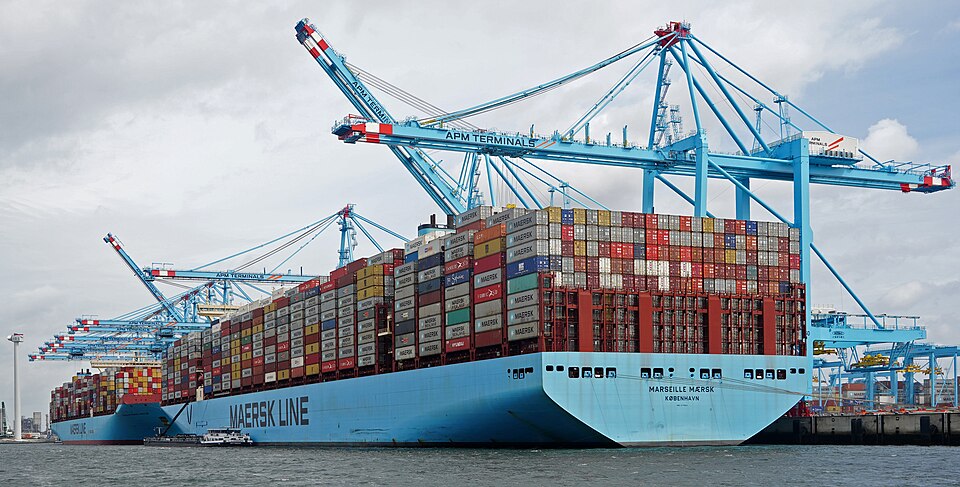
On 26 April 1956, trucking entrepreneur Malcom McLean's converted tanker Ideal X sailed from Newark to Houston carrying 58 truck-sized metal boxes. Loading costs collapsed from dollars to cents per ton, port time shrank from days to hours, and within three decades masters were commanding ships carrying thousands of boxes on schedules timed like railways.
1978STCW standardizes the world's licenses
The International Convention on Standards of Training, Certification and Watchkeeping, adopted through the IMO in 1978 and overhauled by the 1995 and 2010 Manila amendments, set the first global minimum for how every deck officer and master is trained, examined and certificated. It is why a master's certificate is structured the same way in Manila, Mumbai, Odesa and Rotterdam.
2022Yara Birkeland sails without a bridge crew
The Norwegian fertilizer company Yara and technology group Kongsberg put the world's first autonomous, fully electric container ship into commercial service on a short coastal run between Herøya and Brevik, with the intention of phasing the small crew ashore to a remote operations center. A century of debate about what a captain is for suddenly acquired a test case.